Space is an instrument
blender
120x80x60cm
100:1
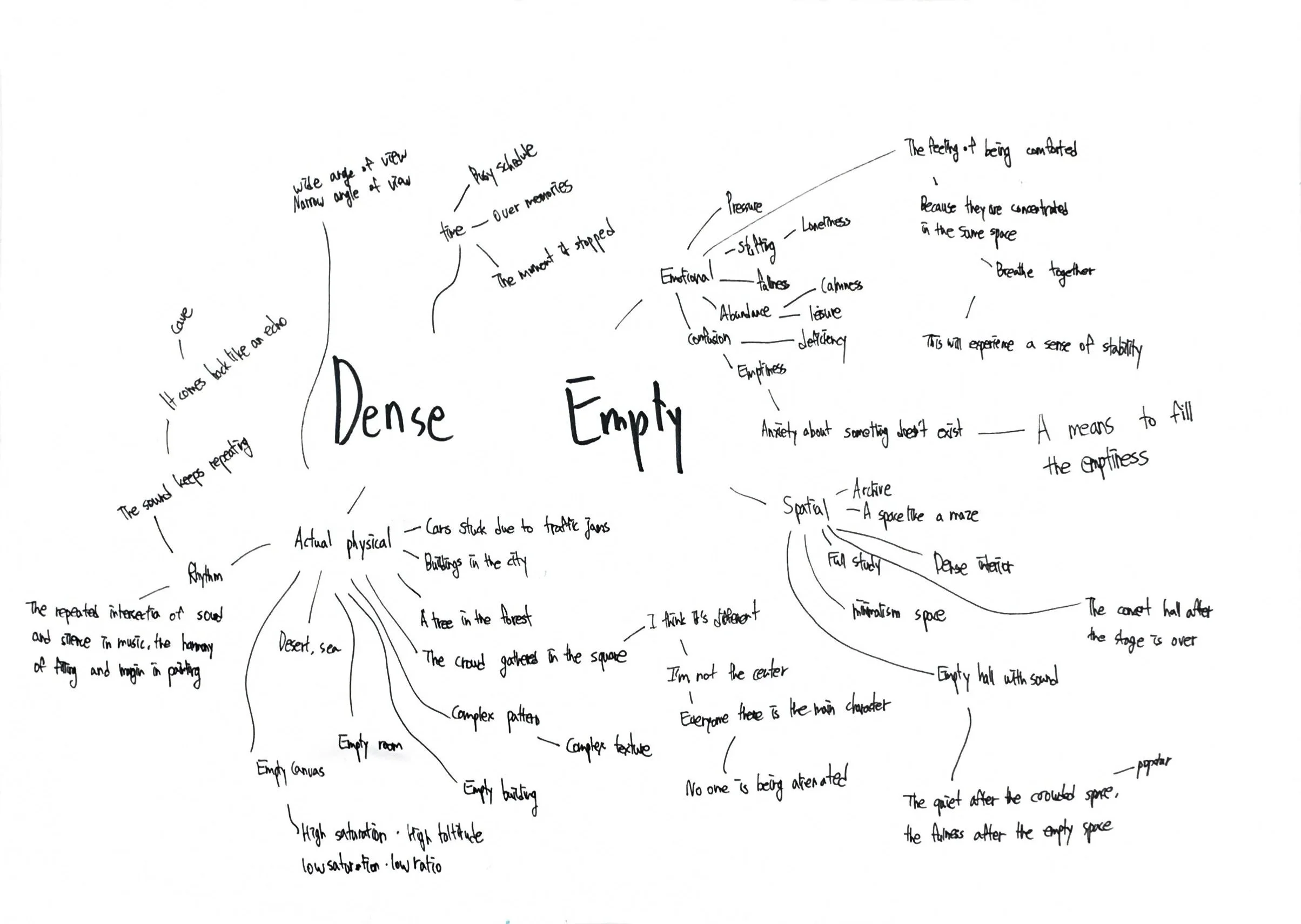
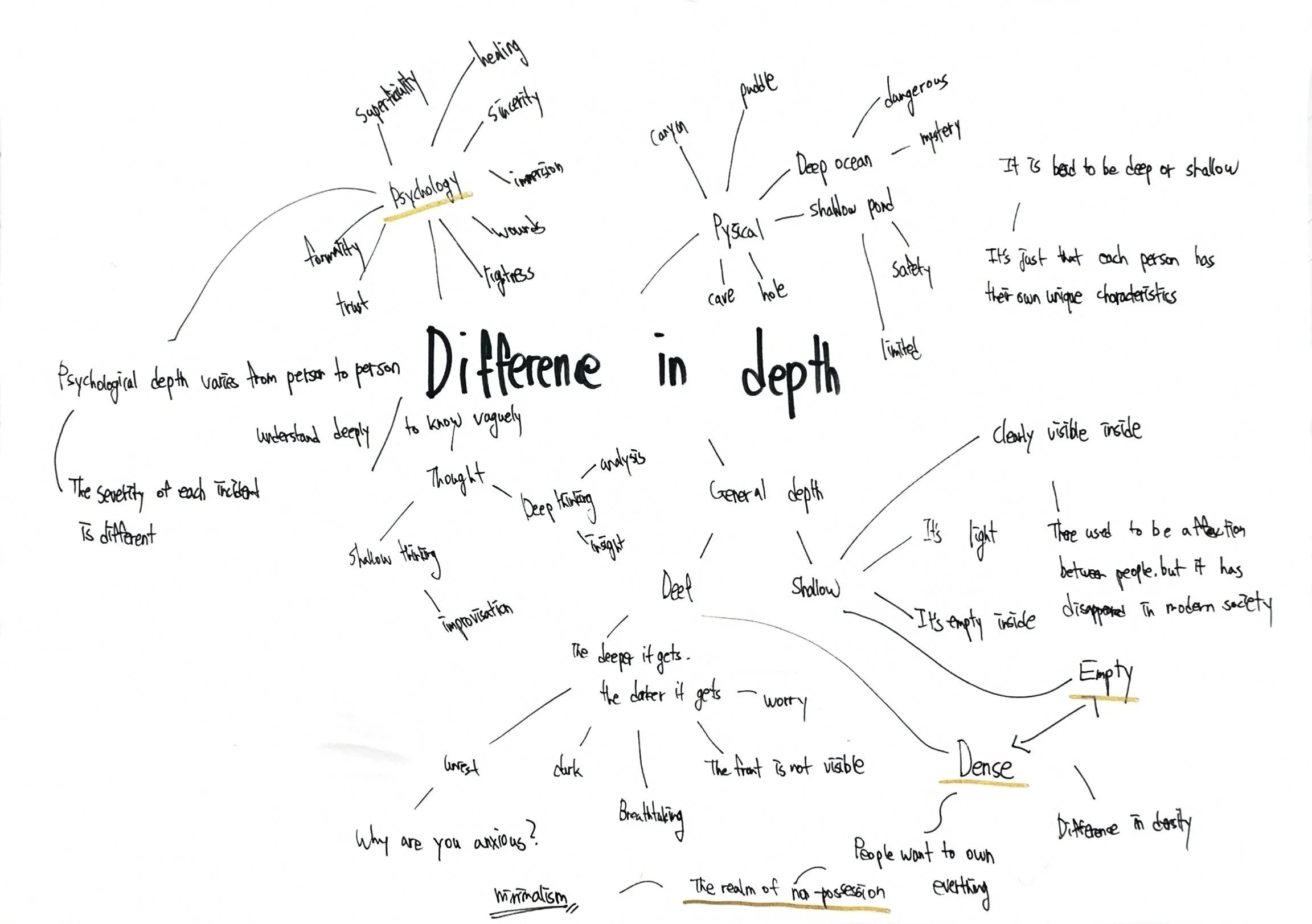
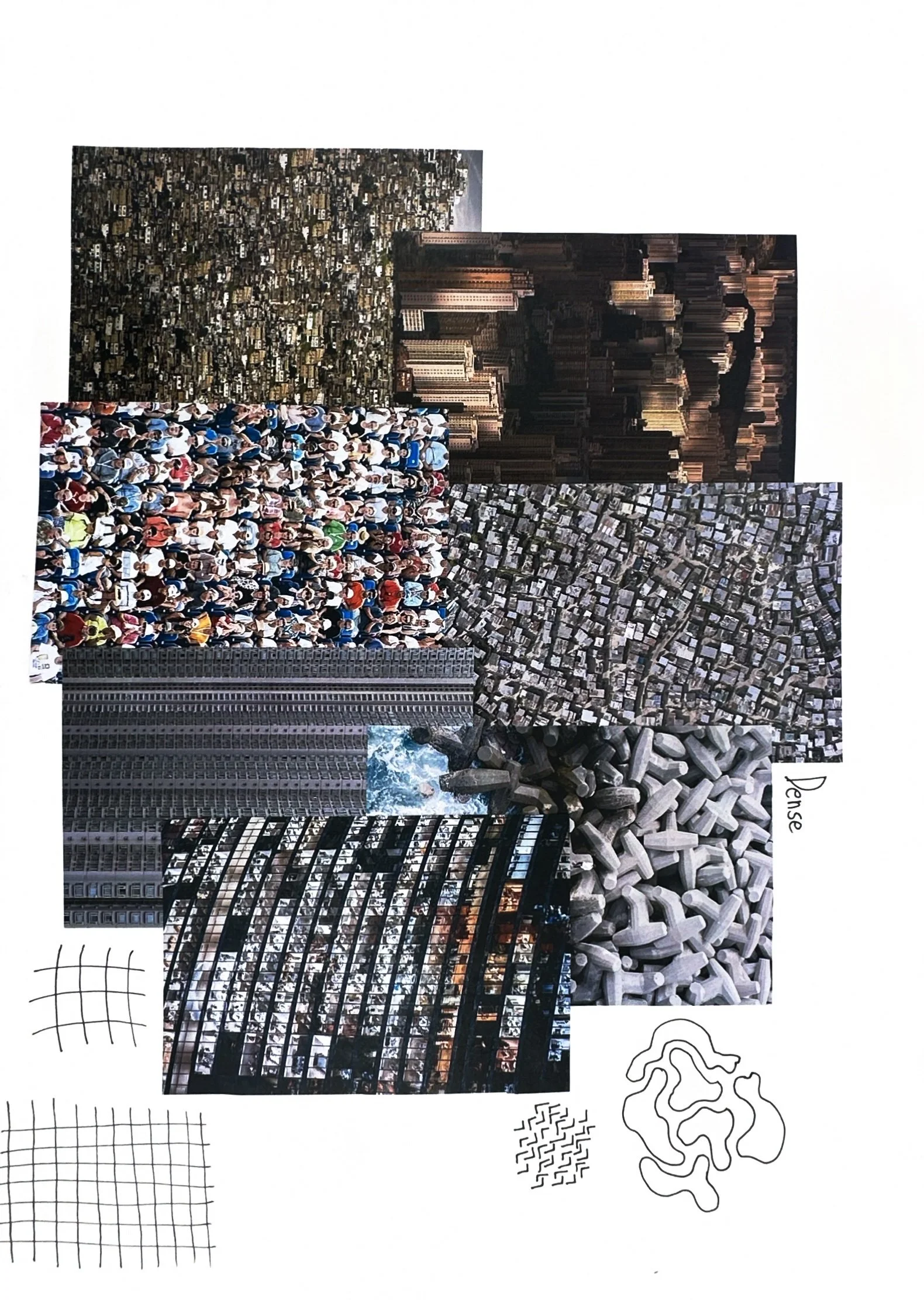
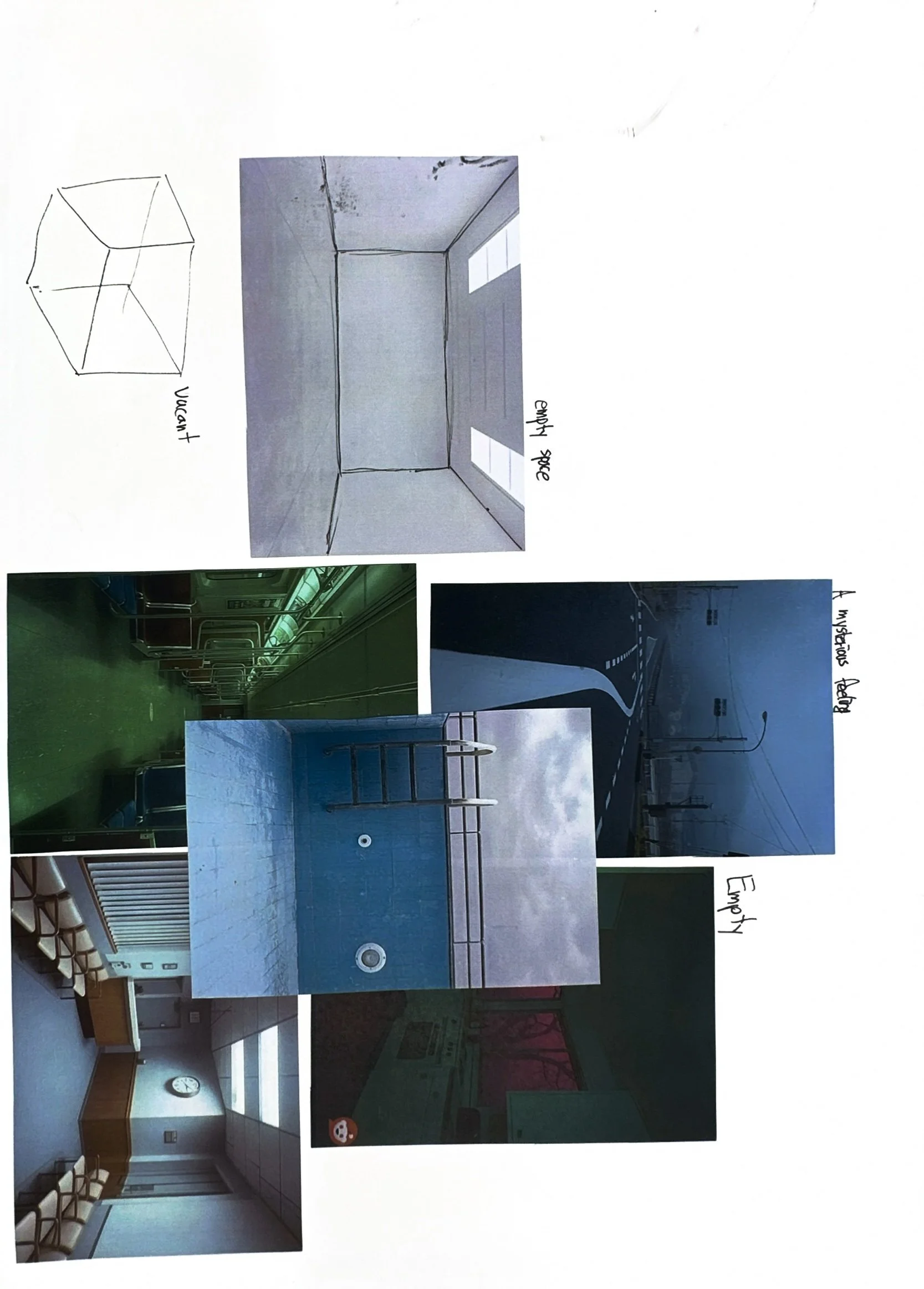
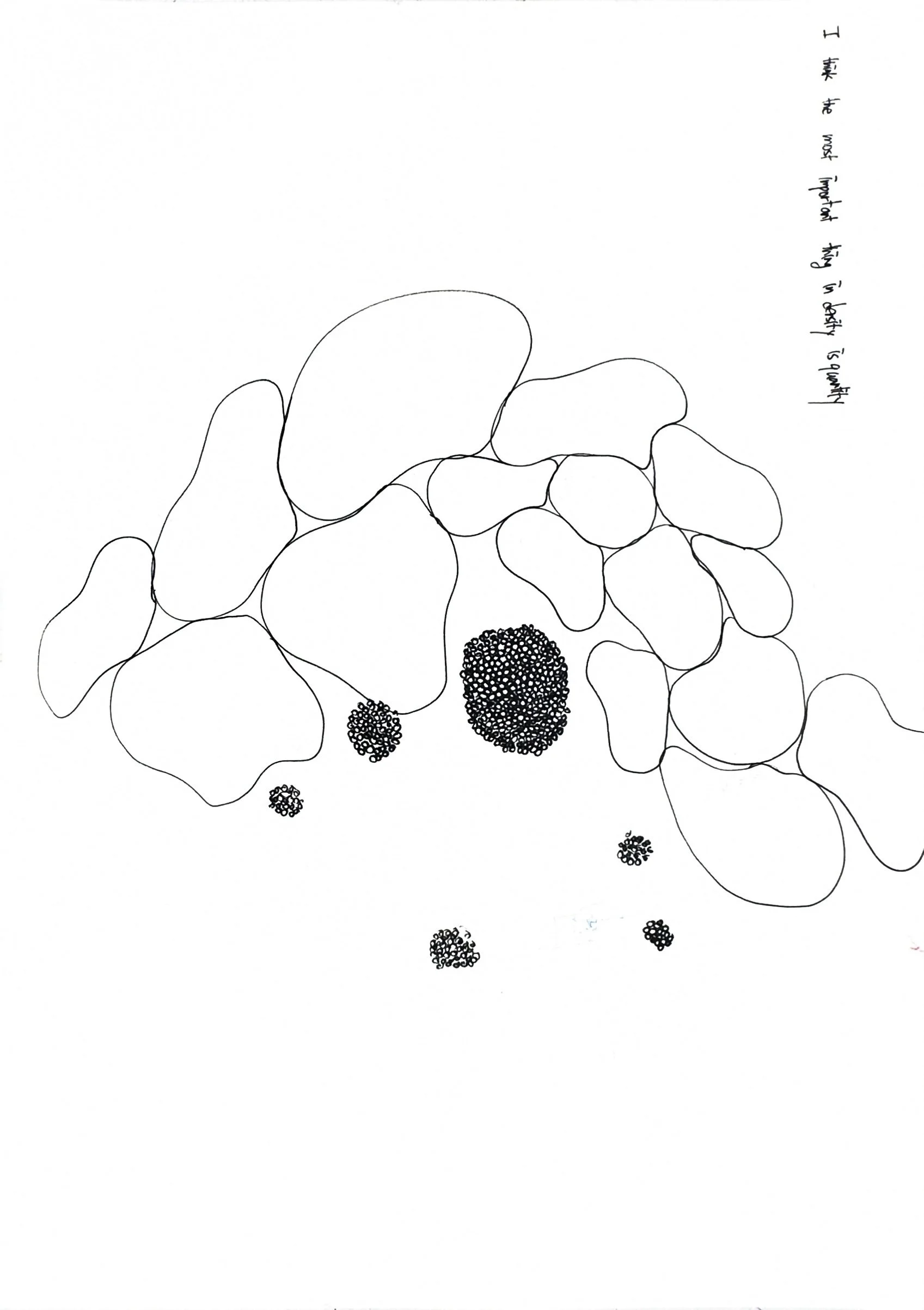
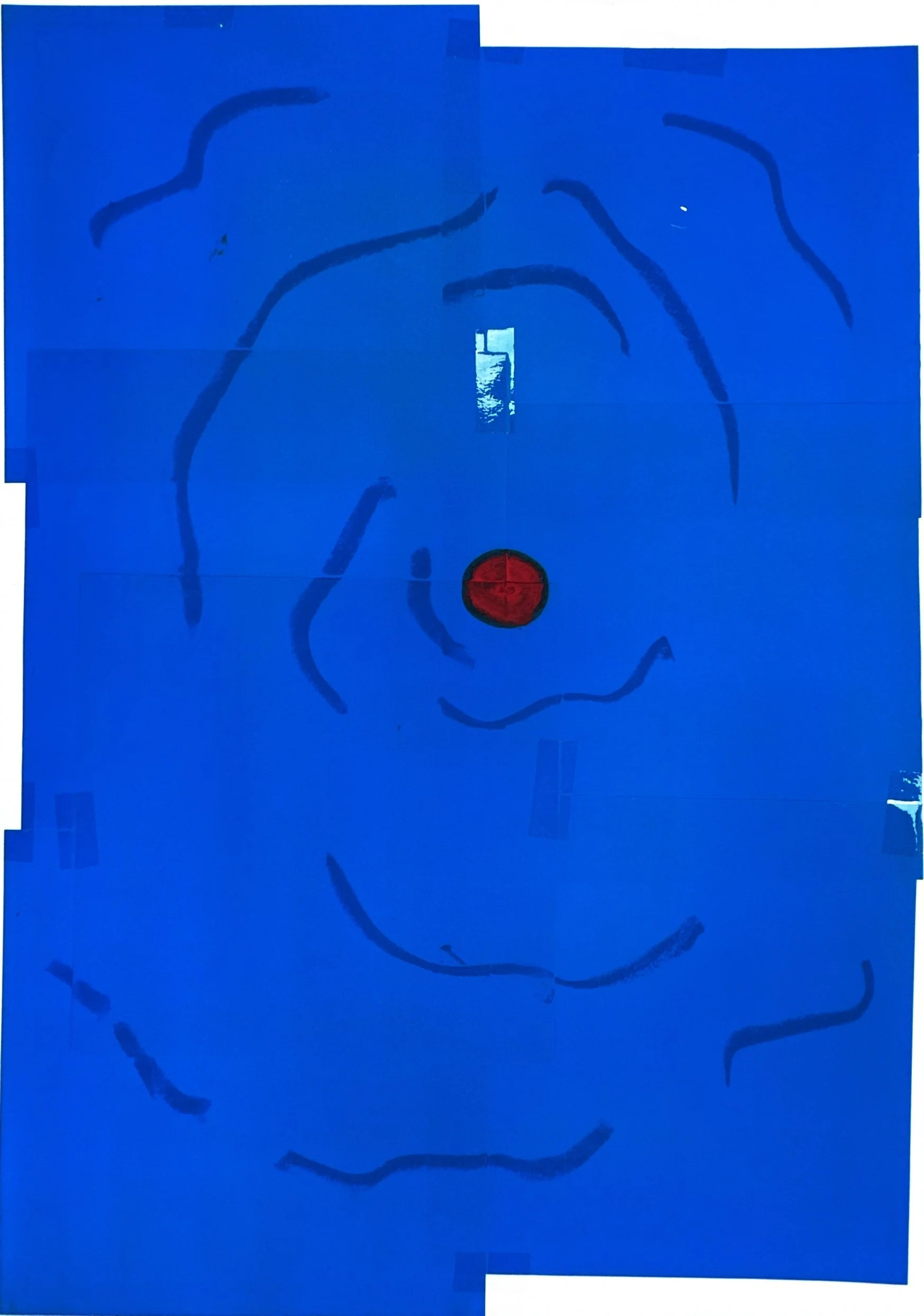
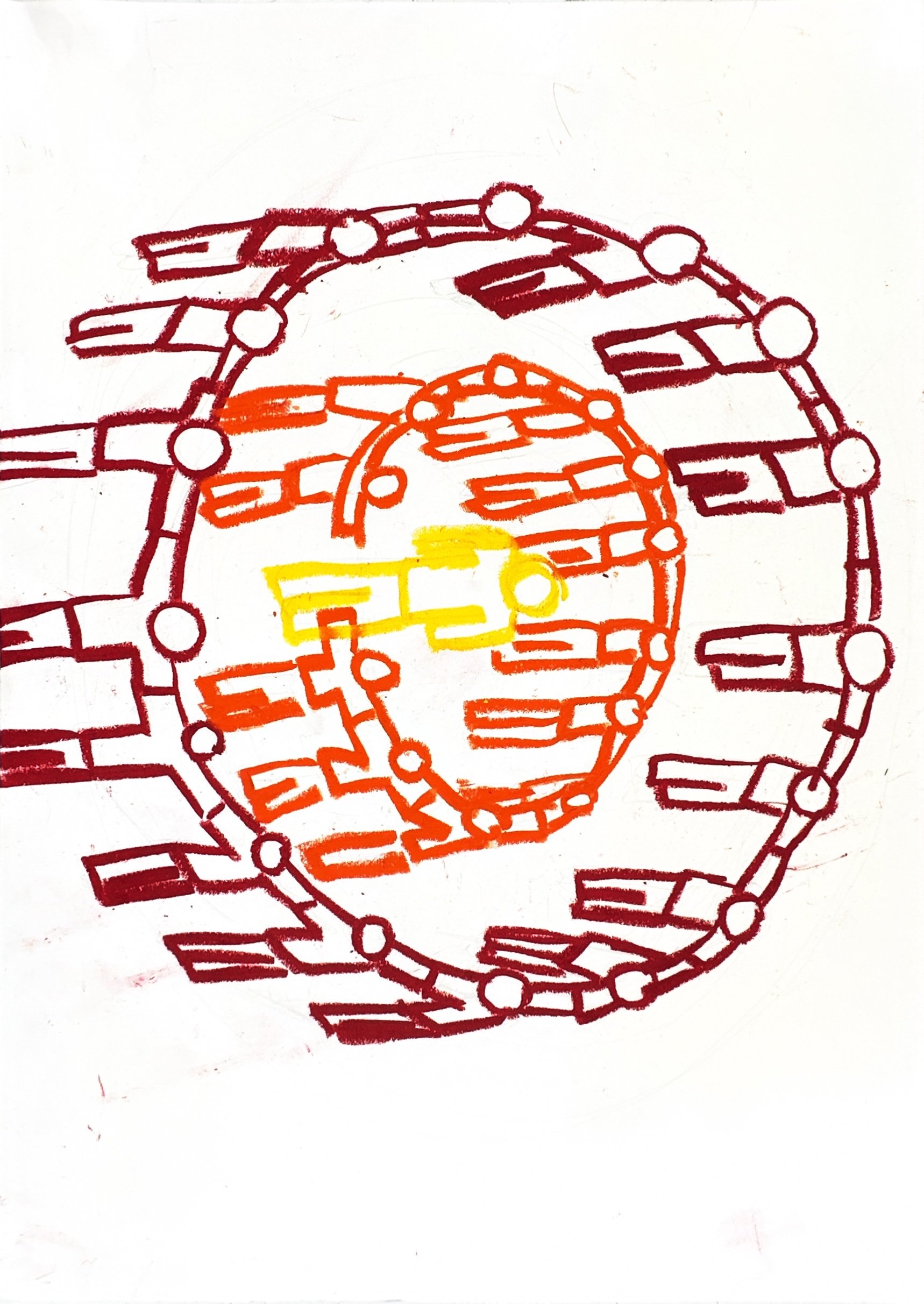
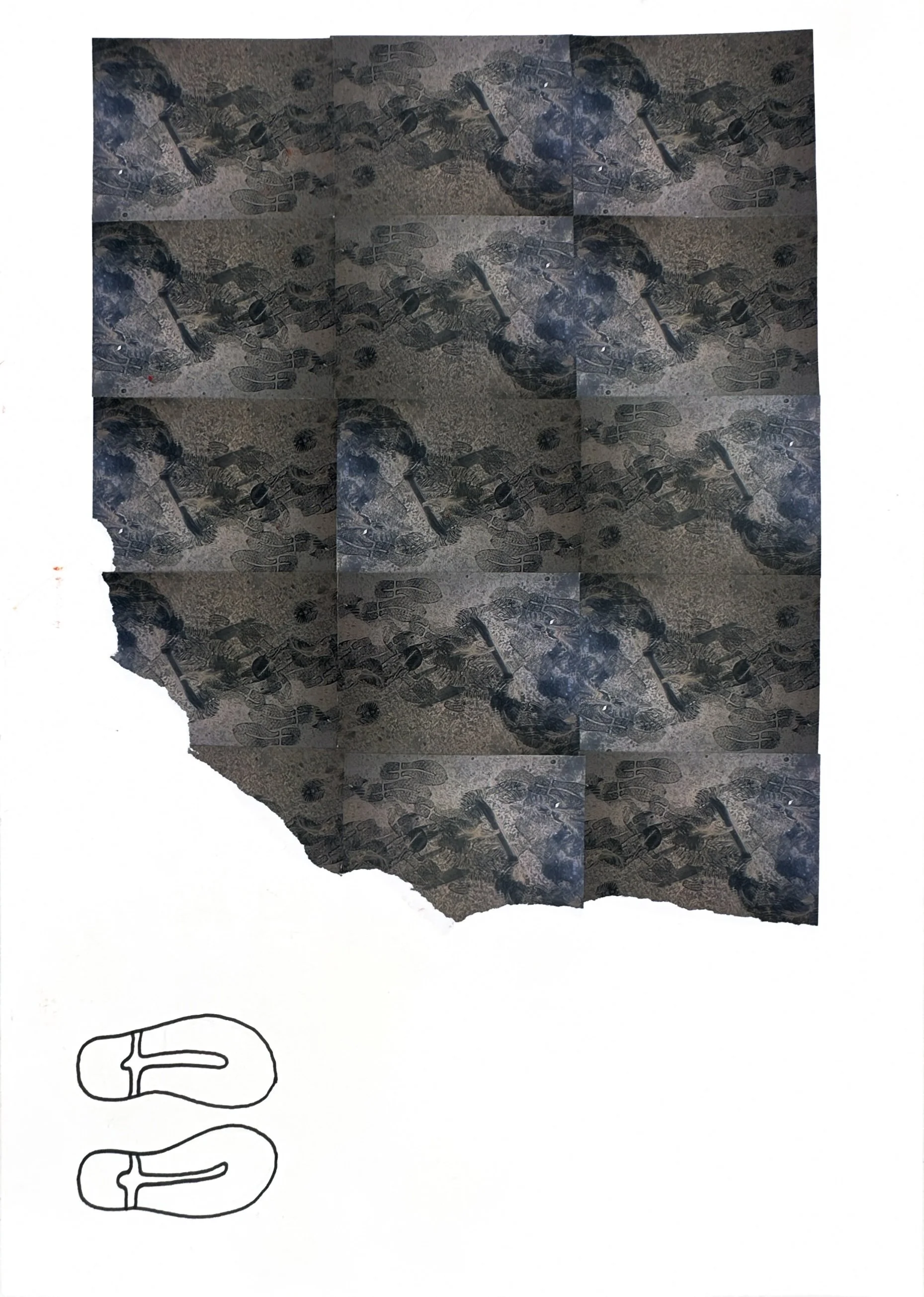
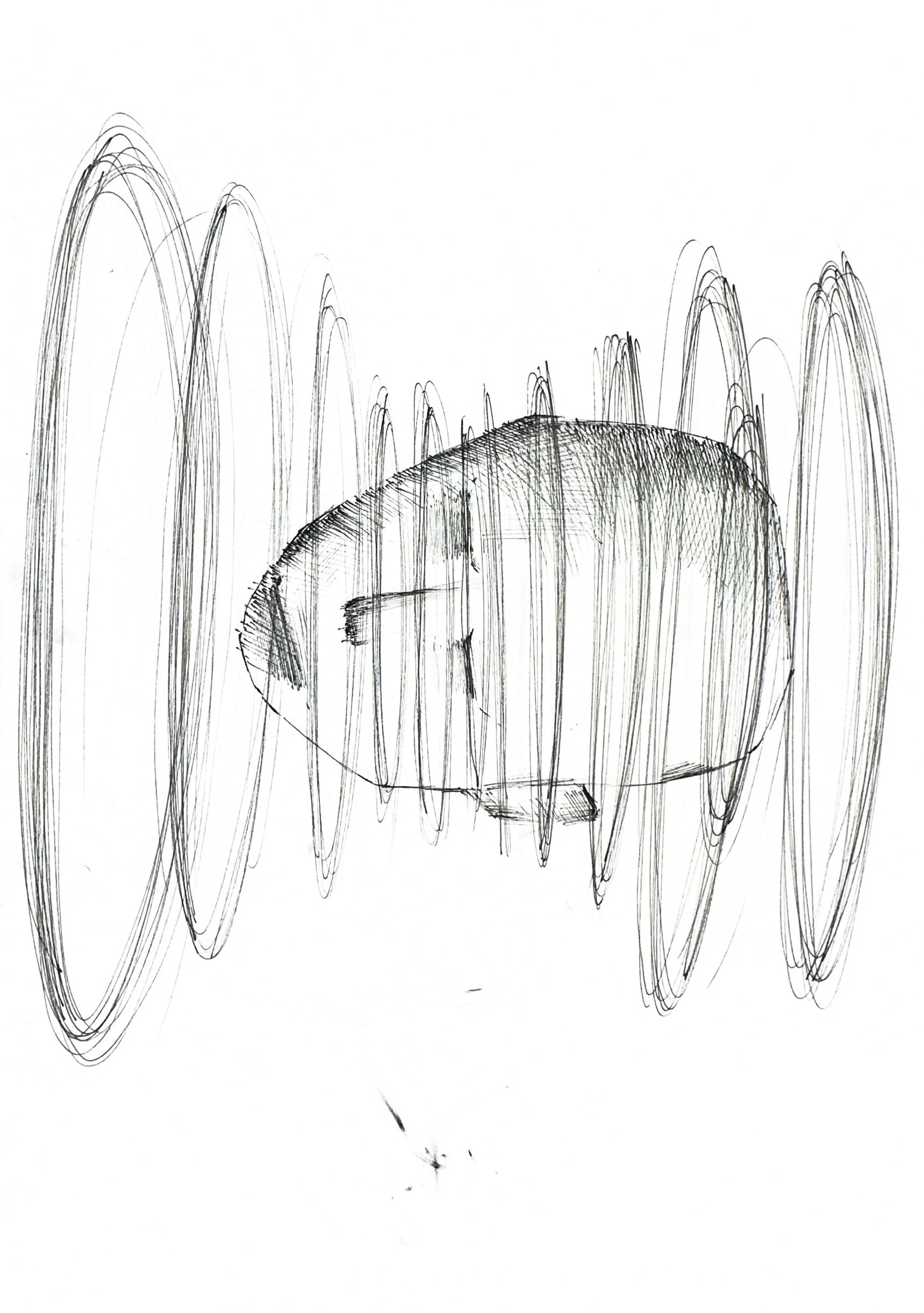
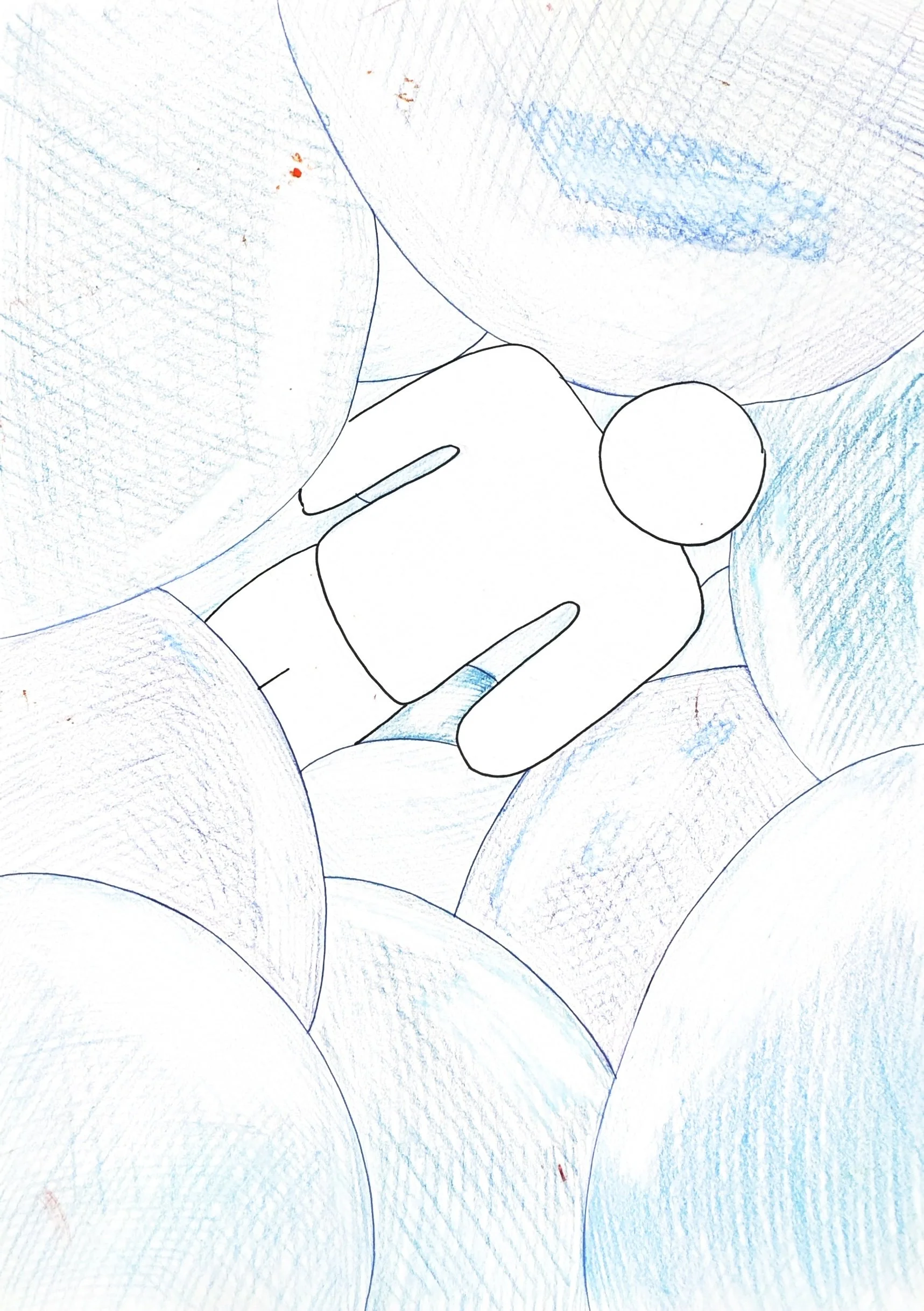
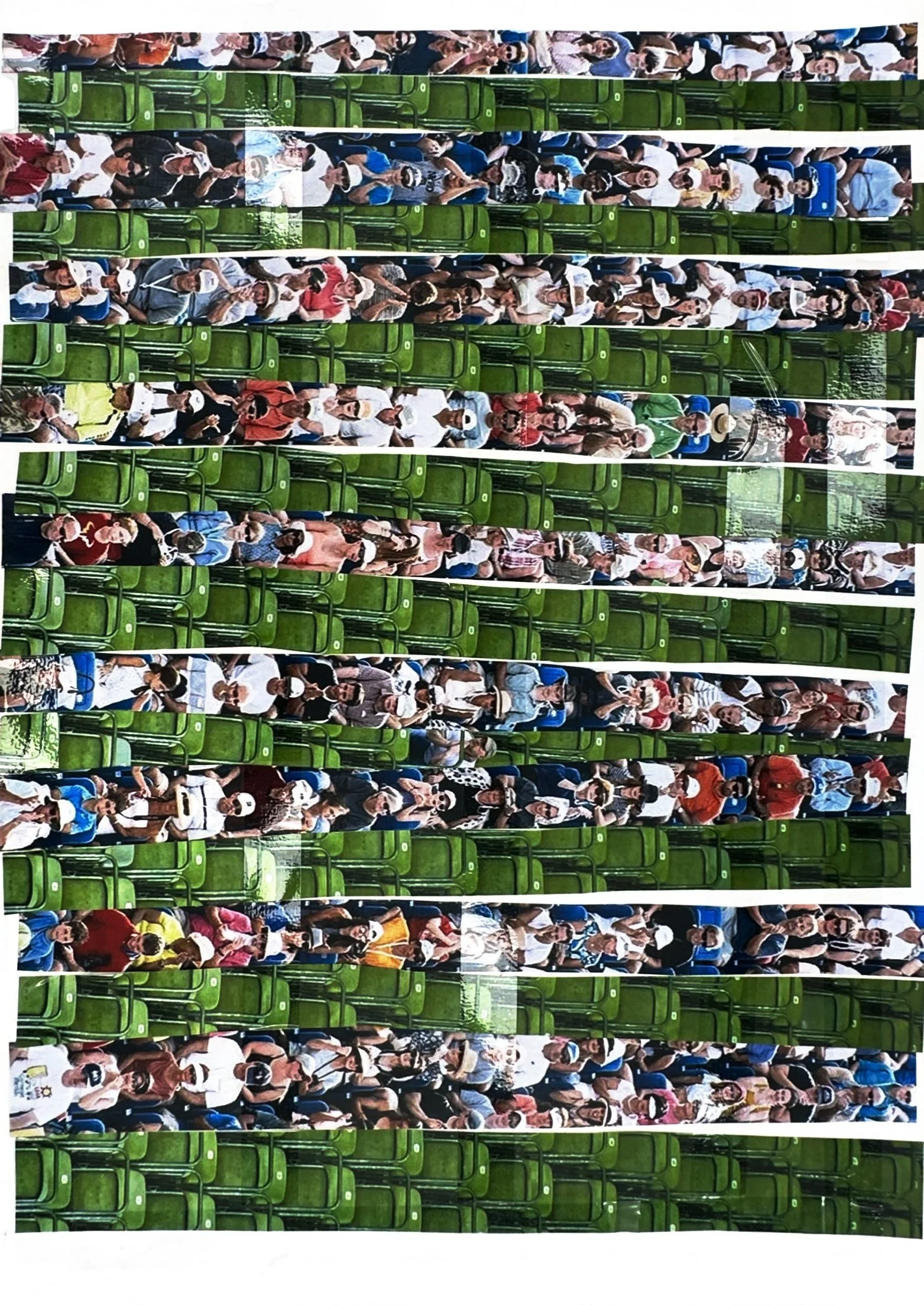
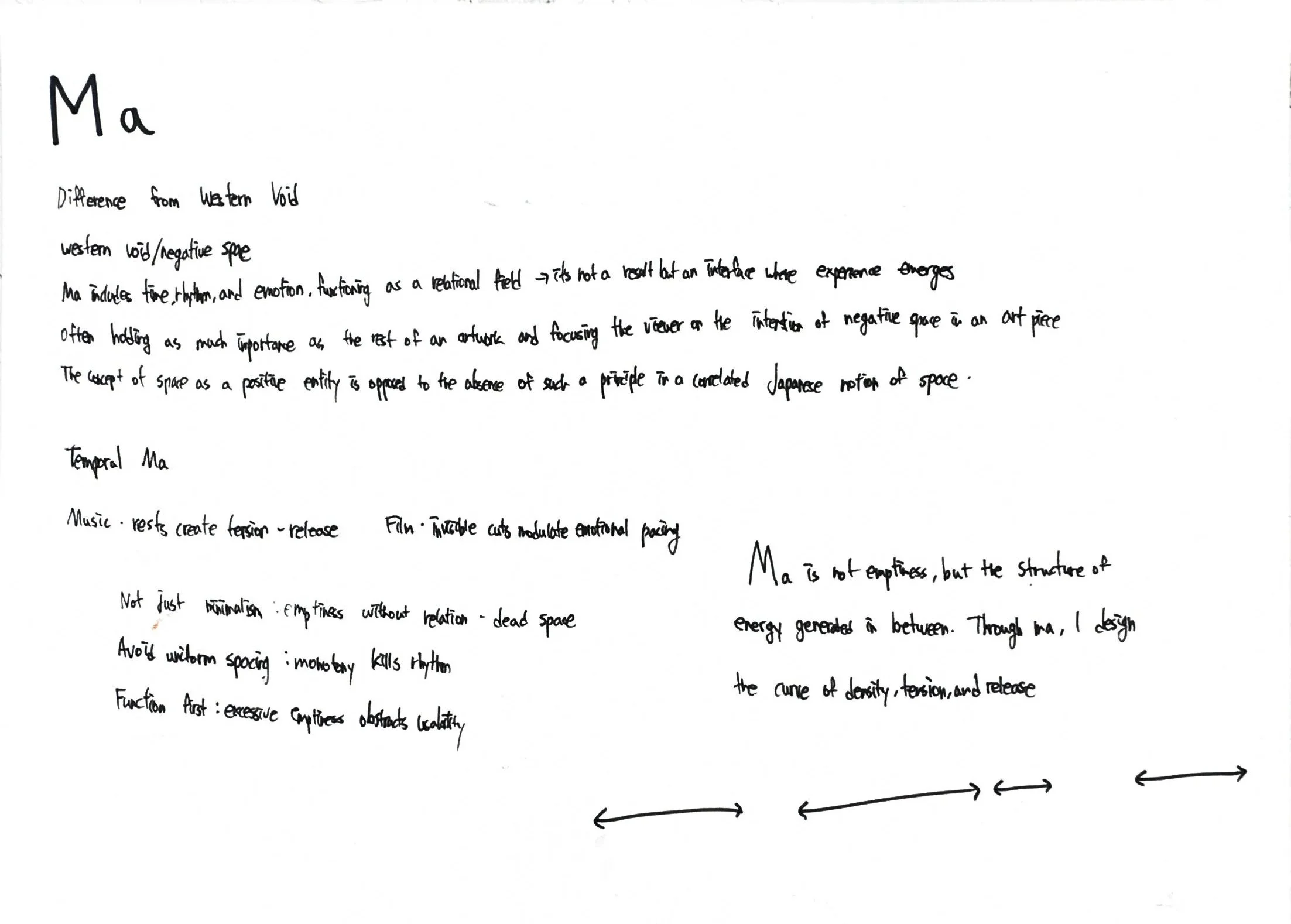
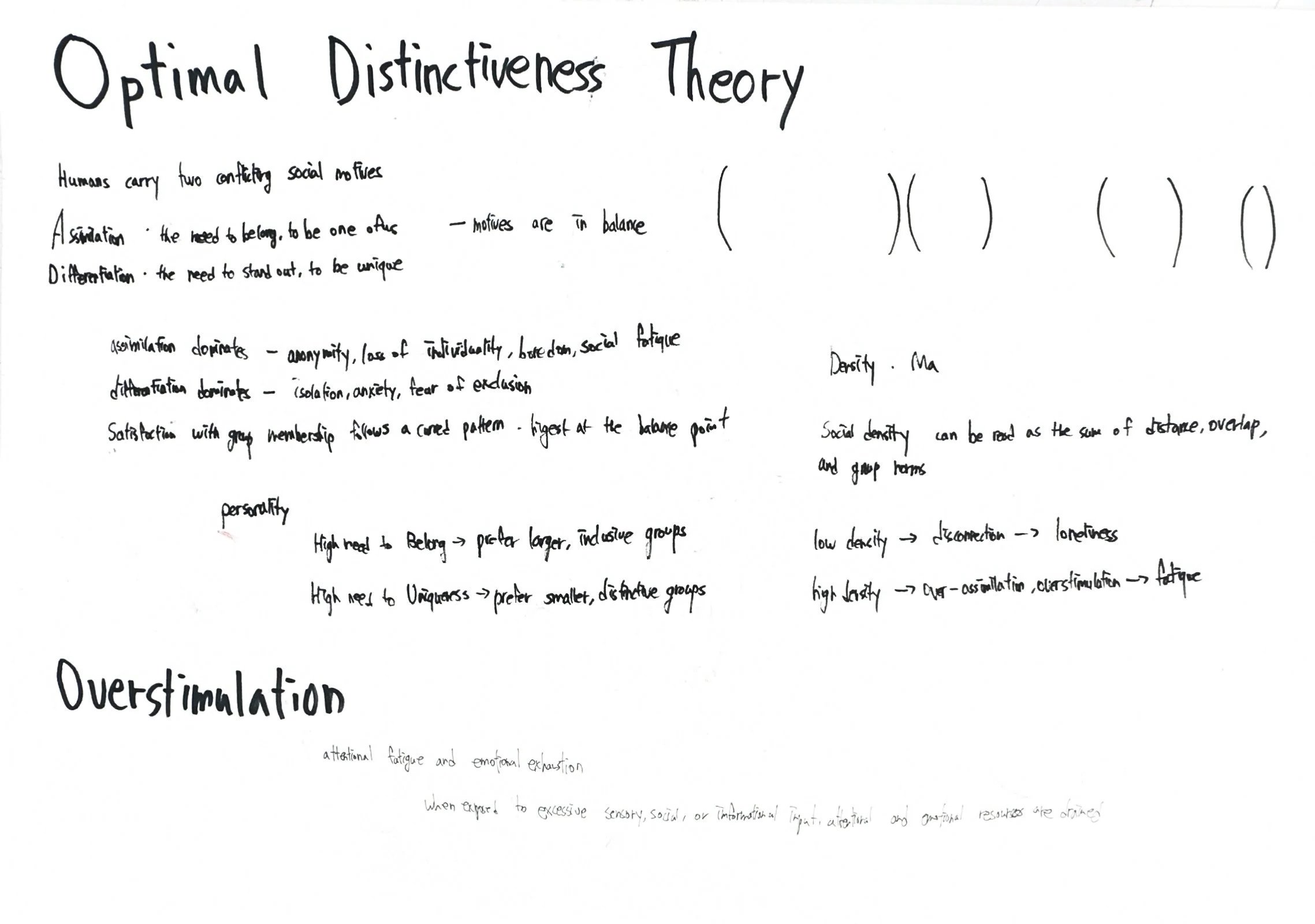
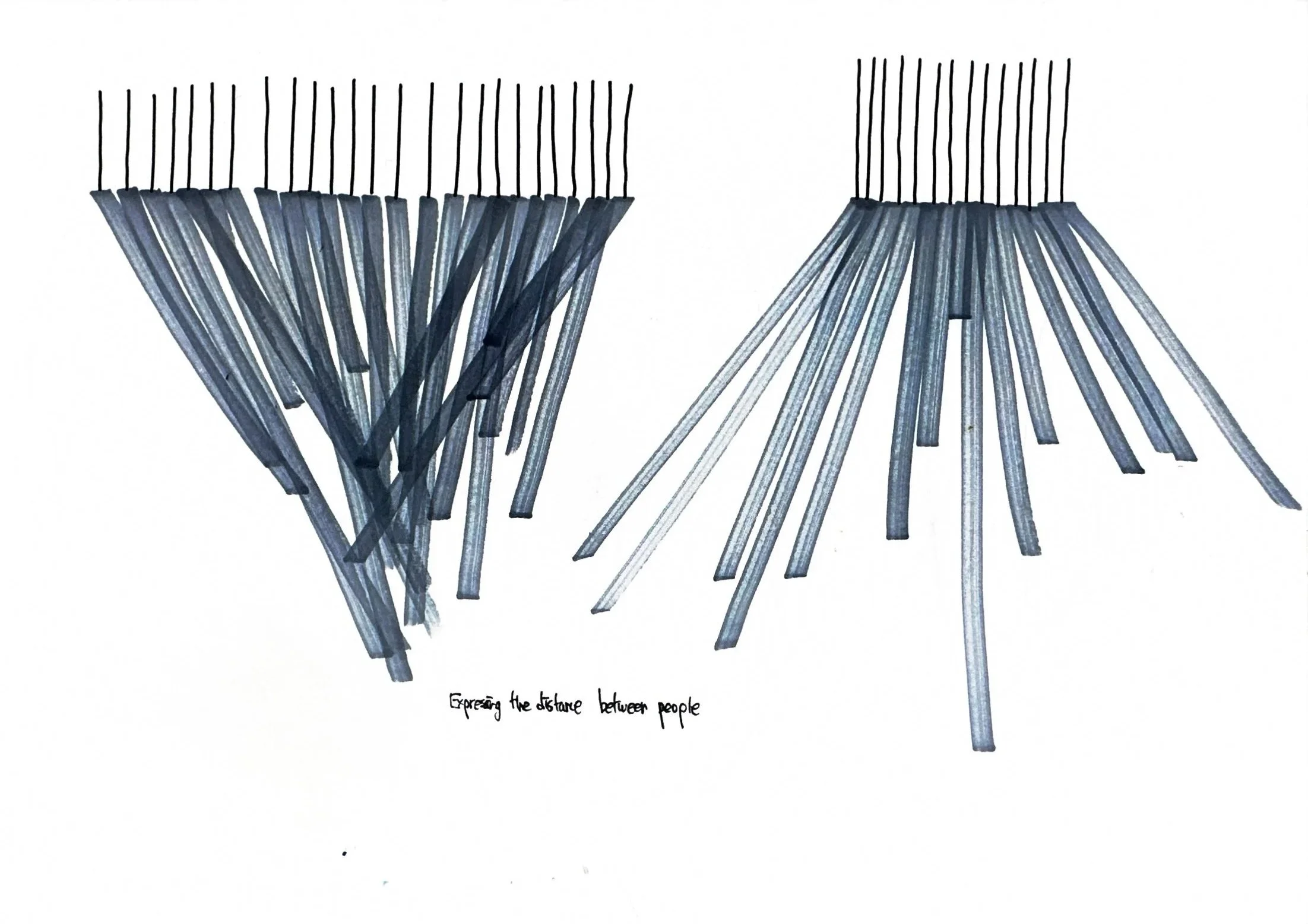
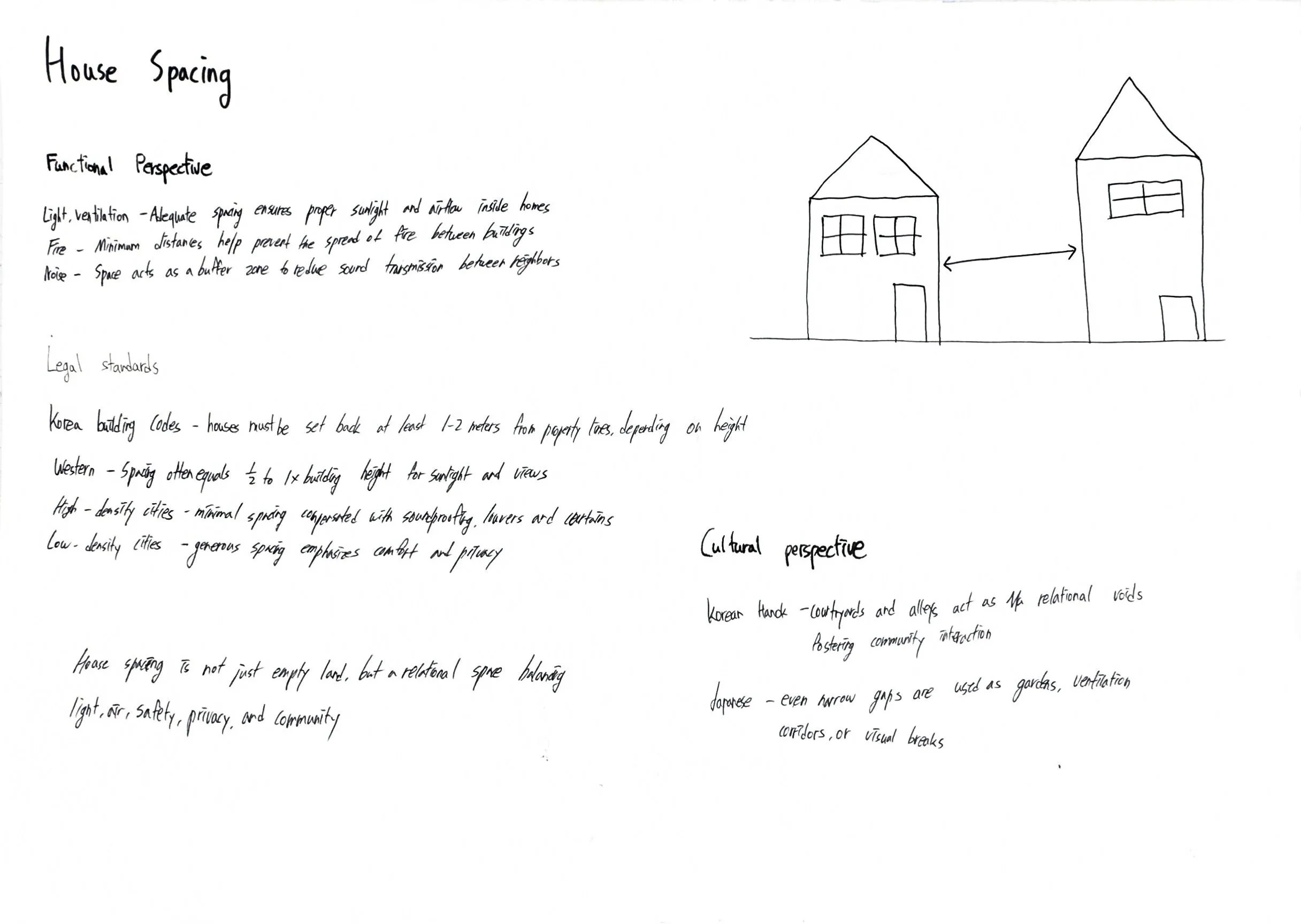
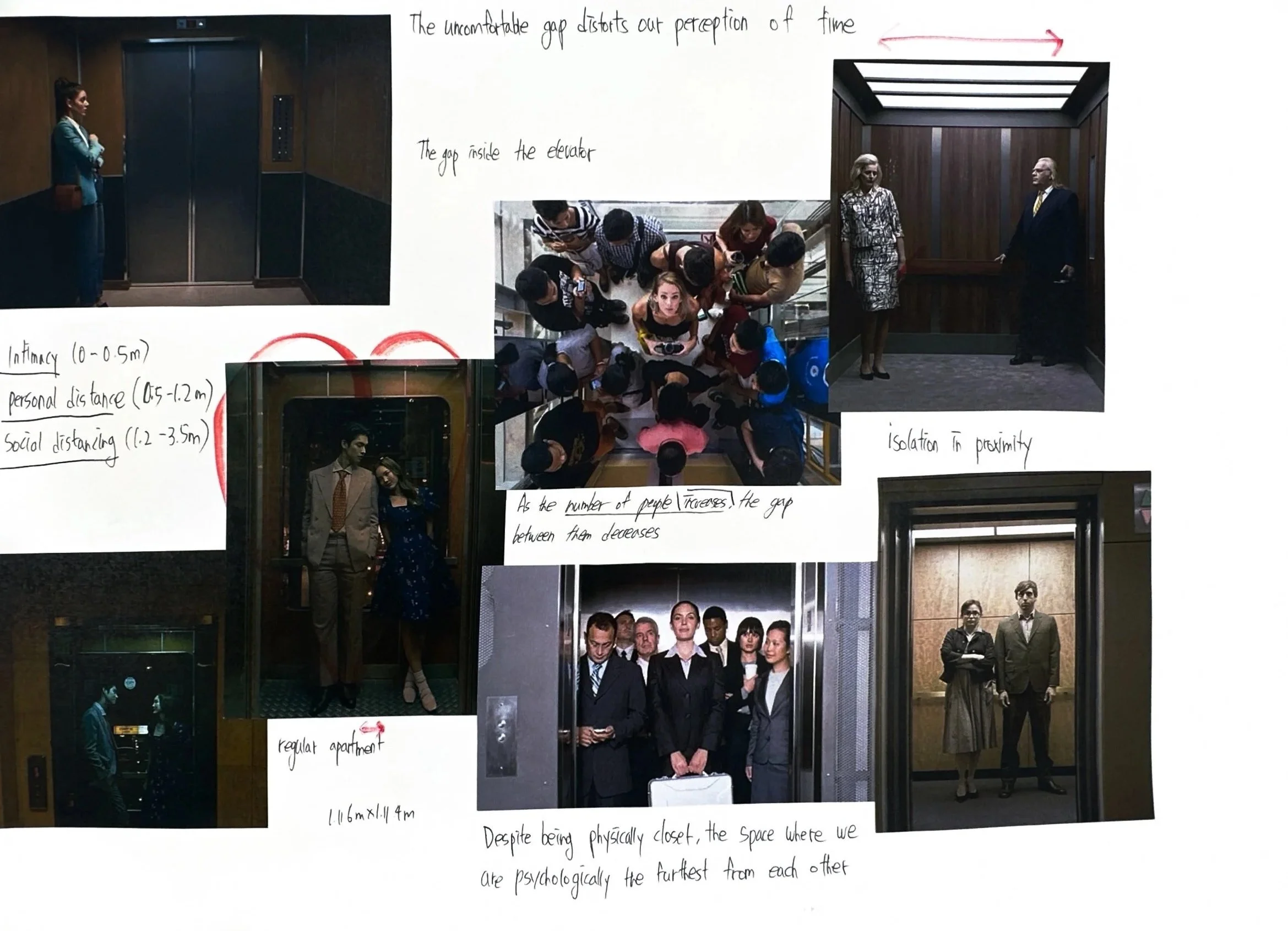
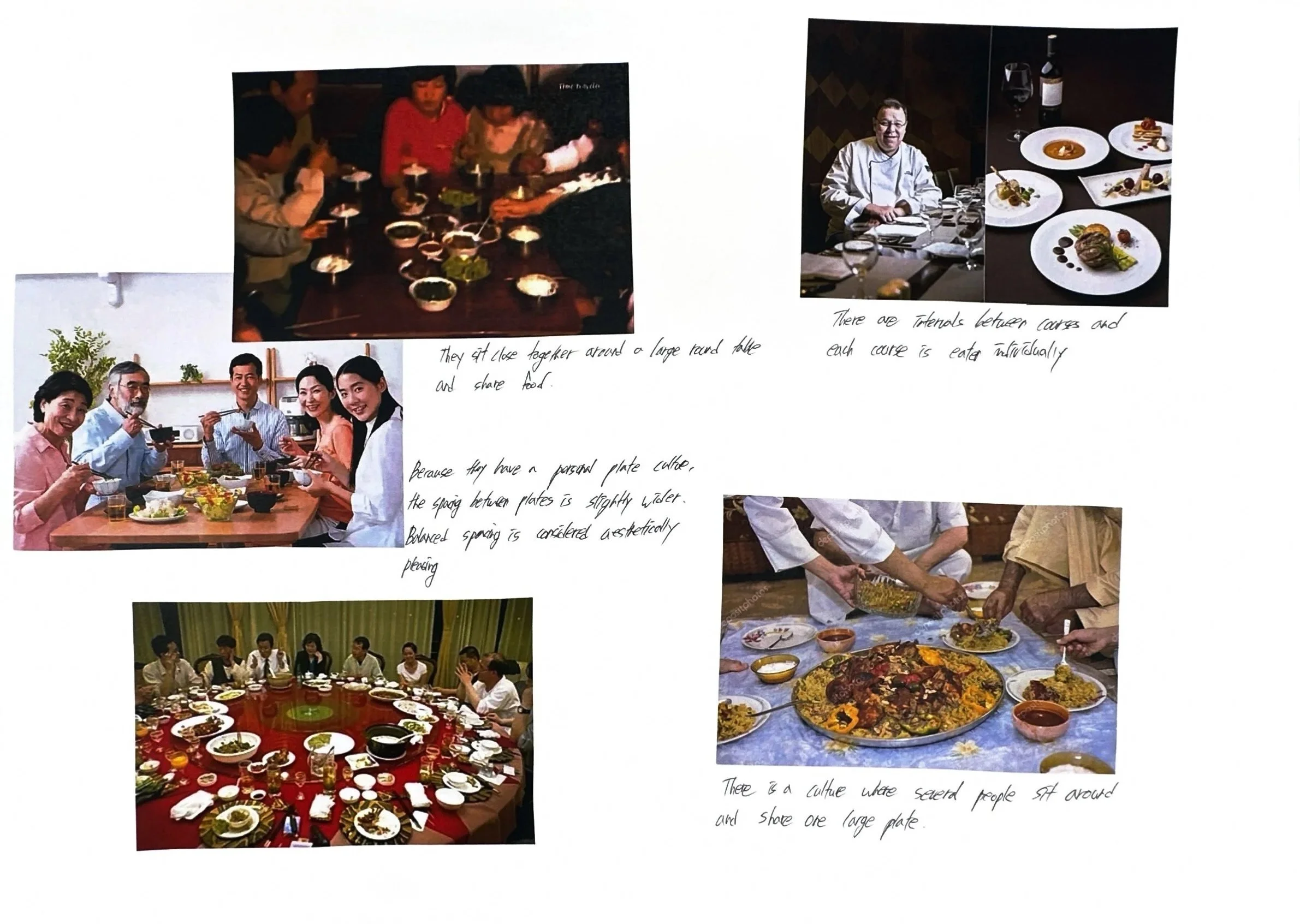
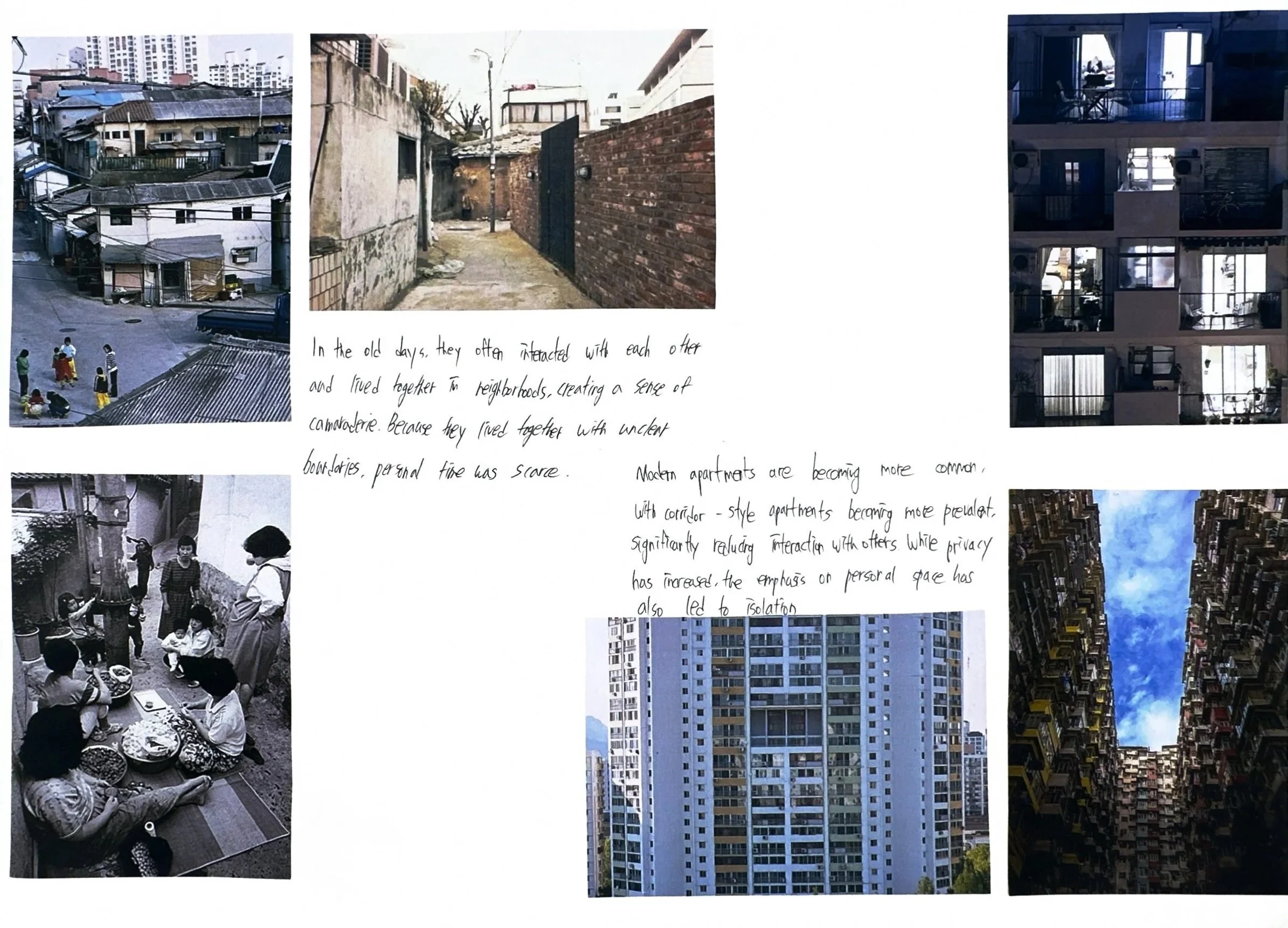
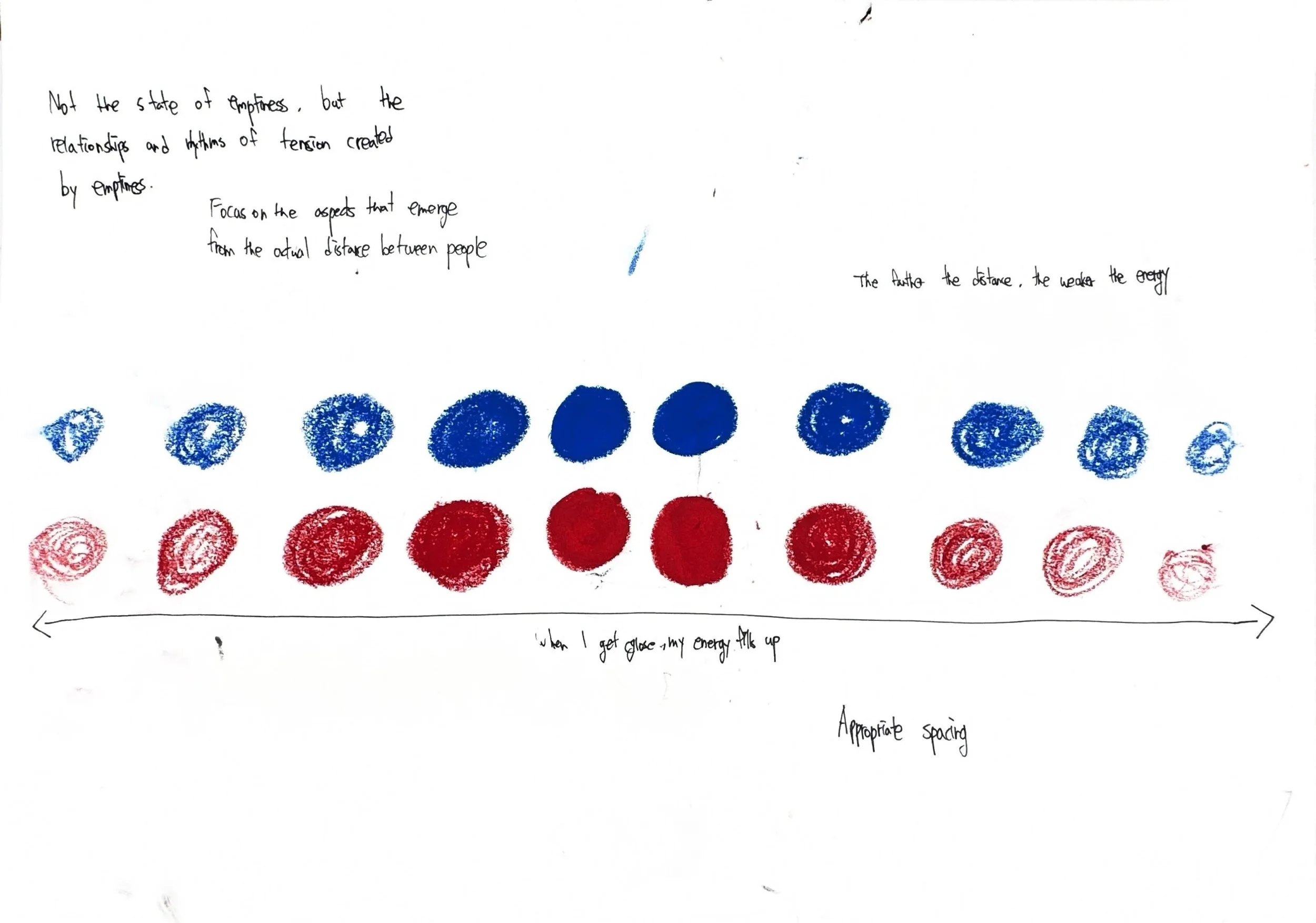
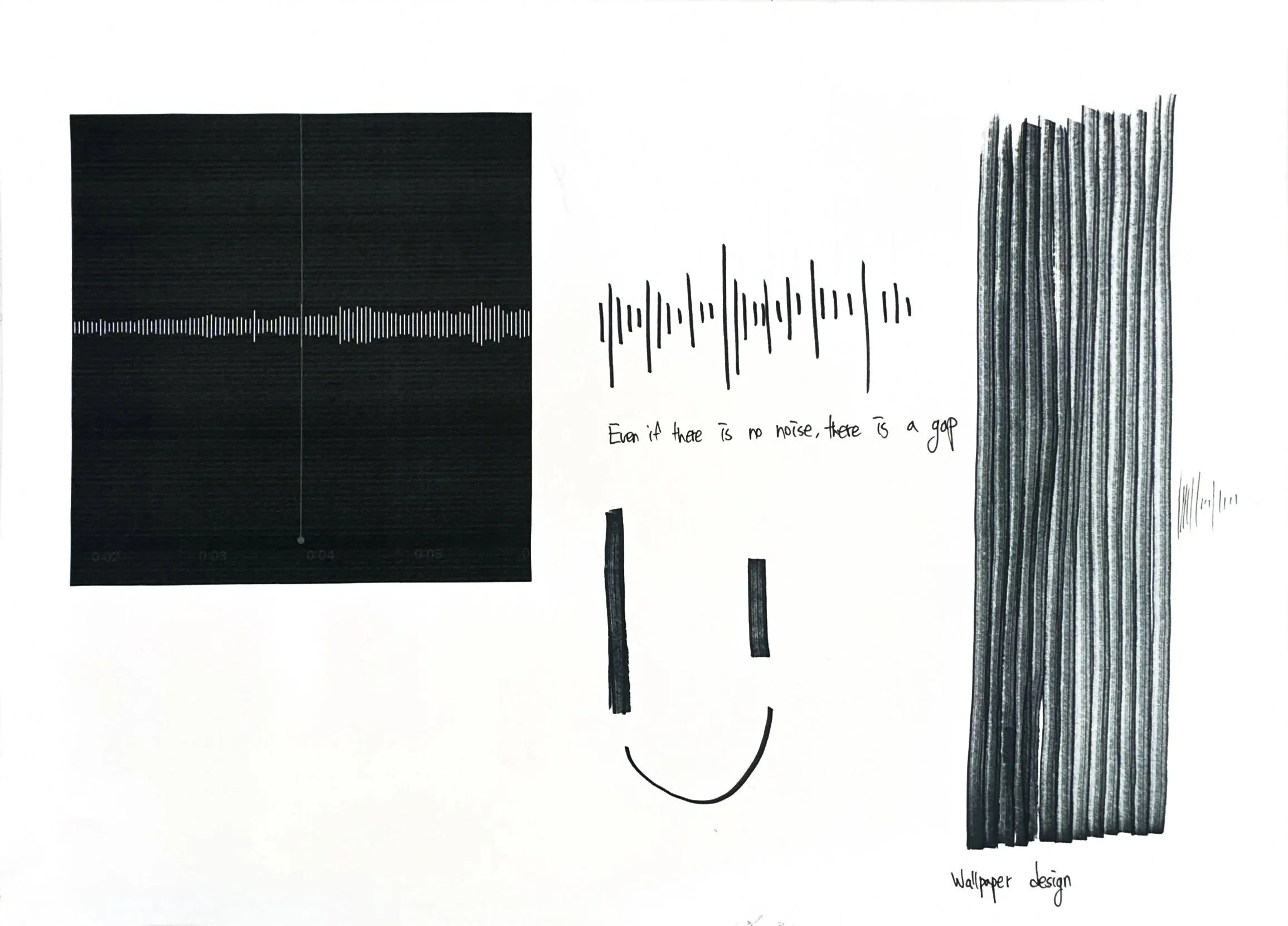
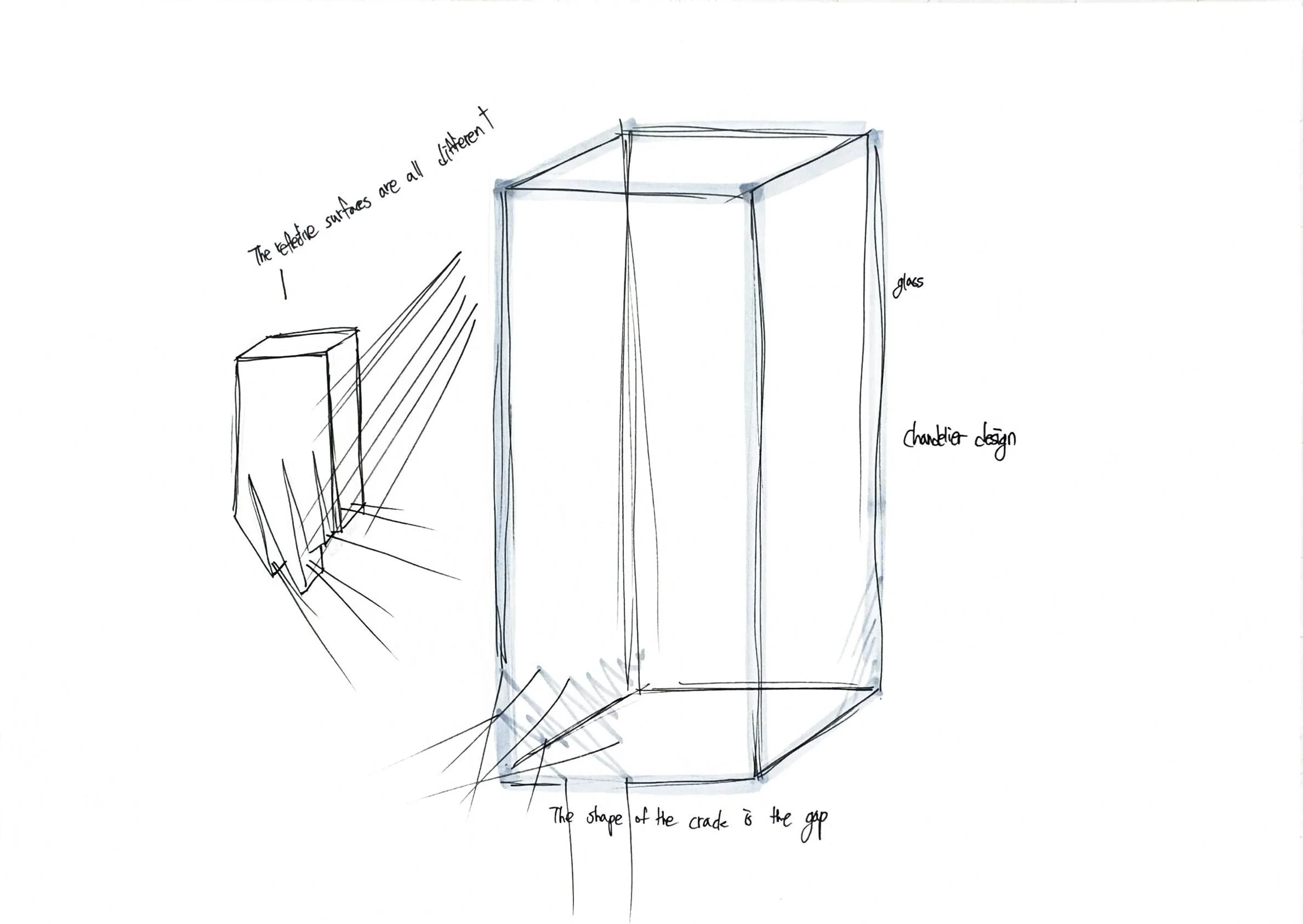
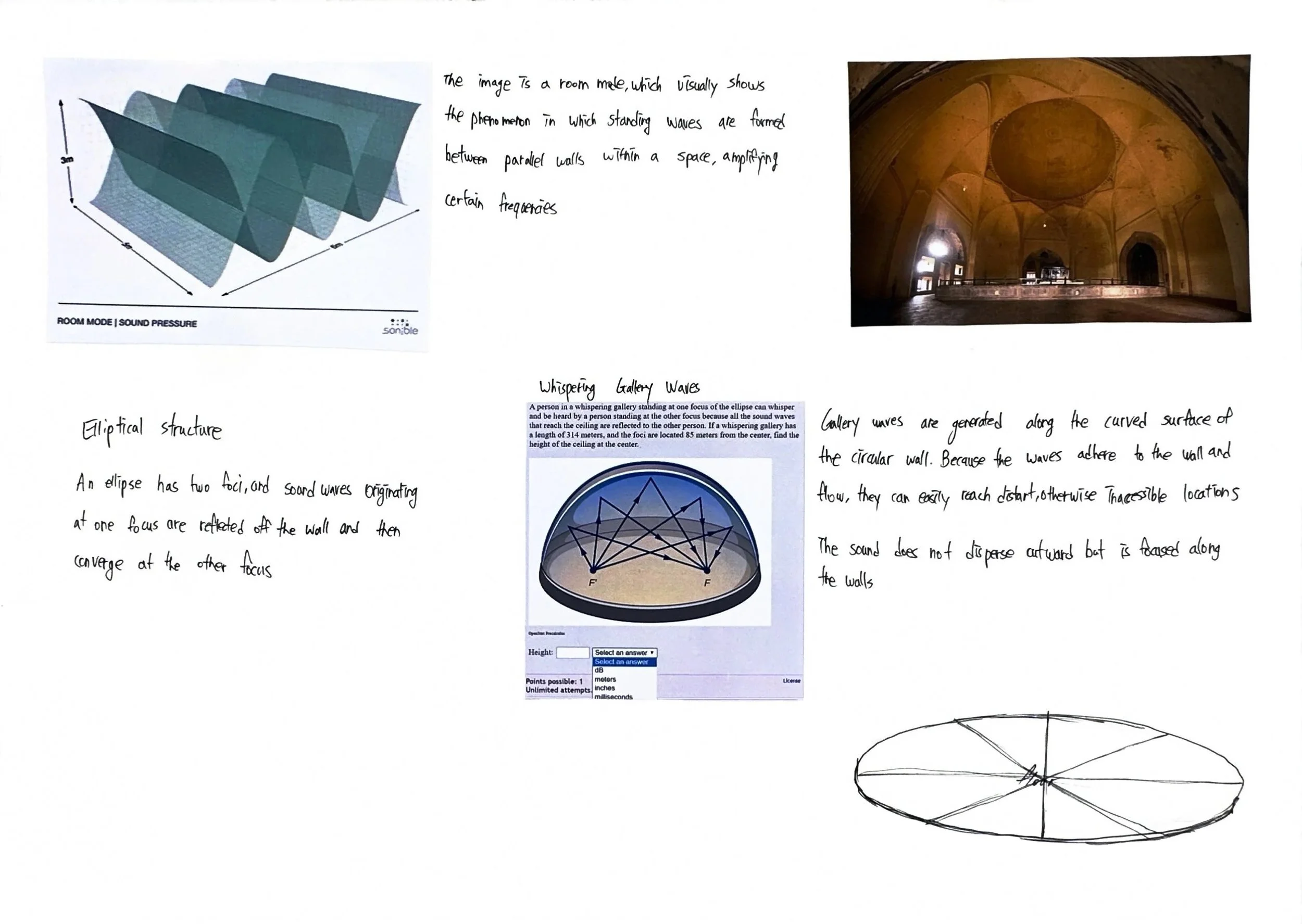
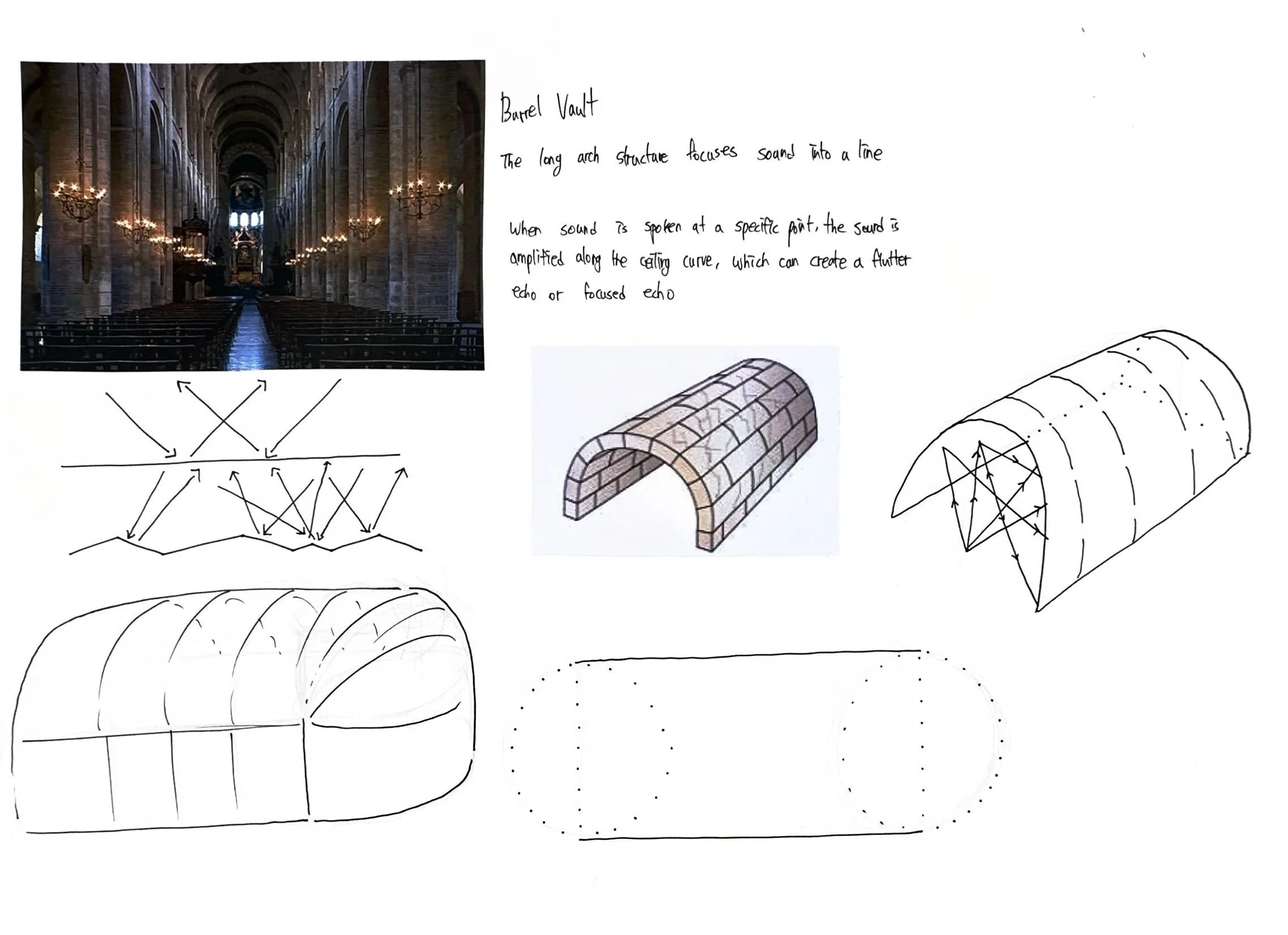
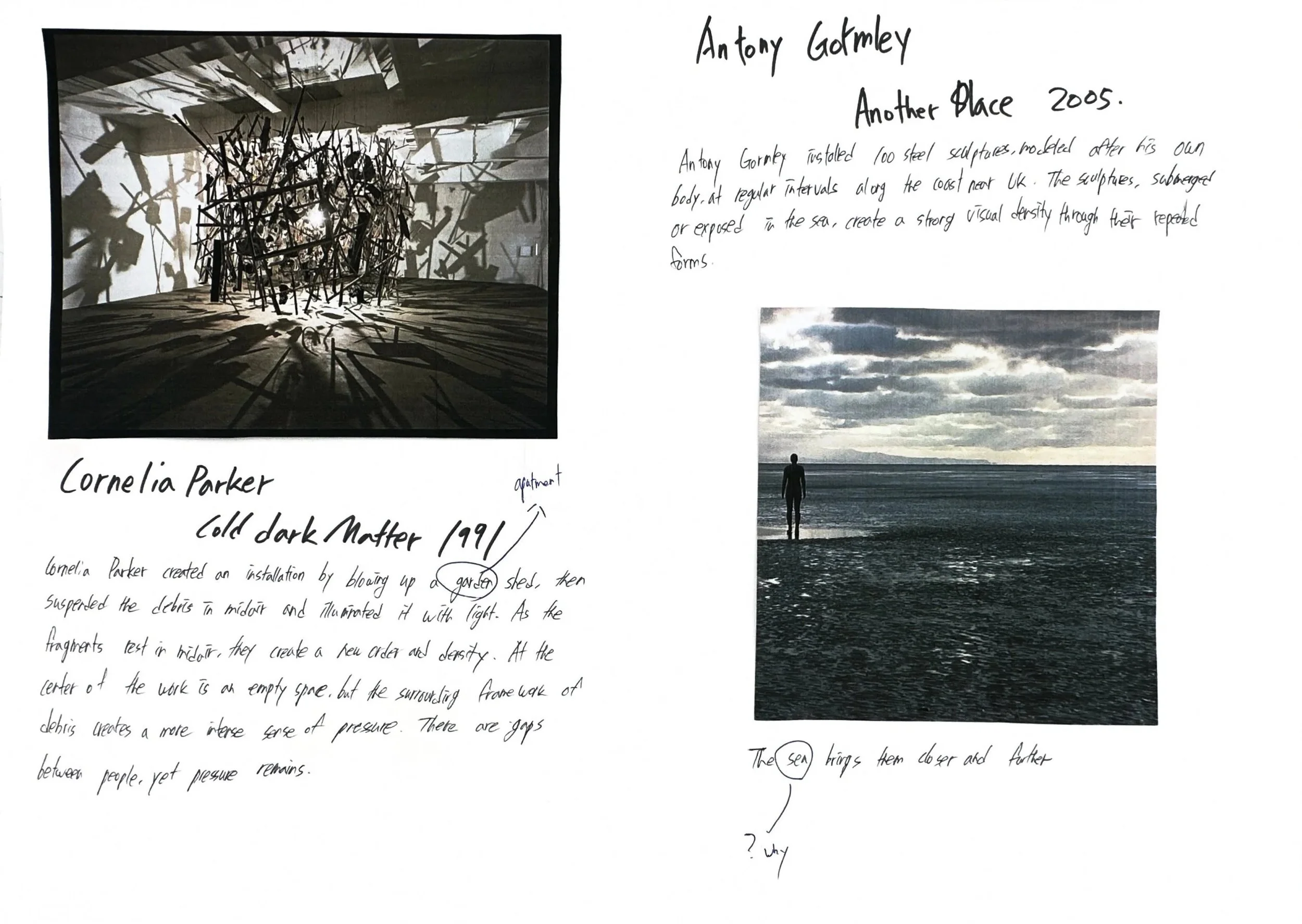
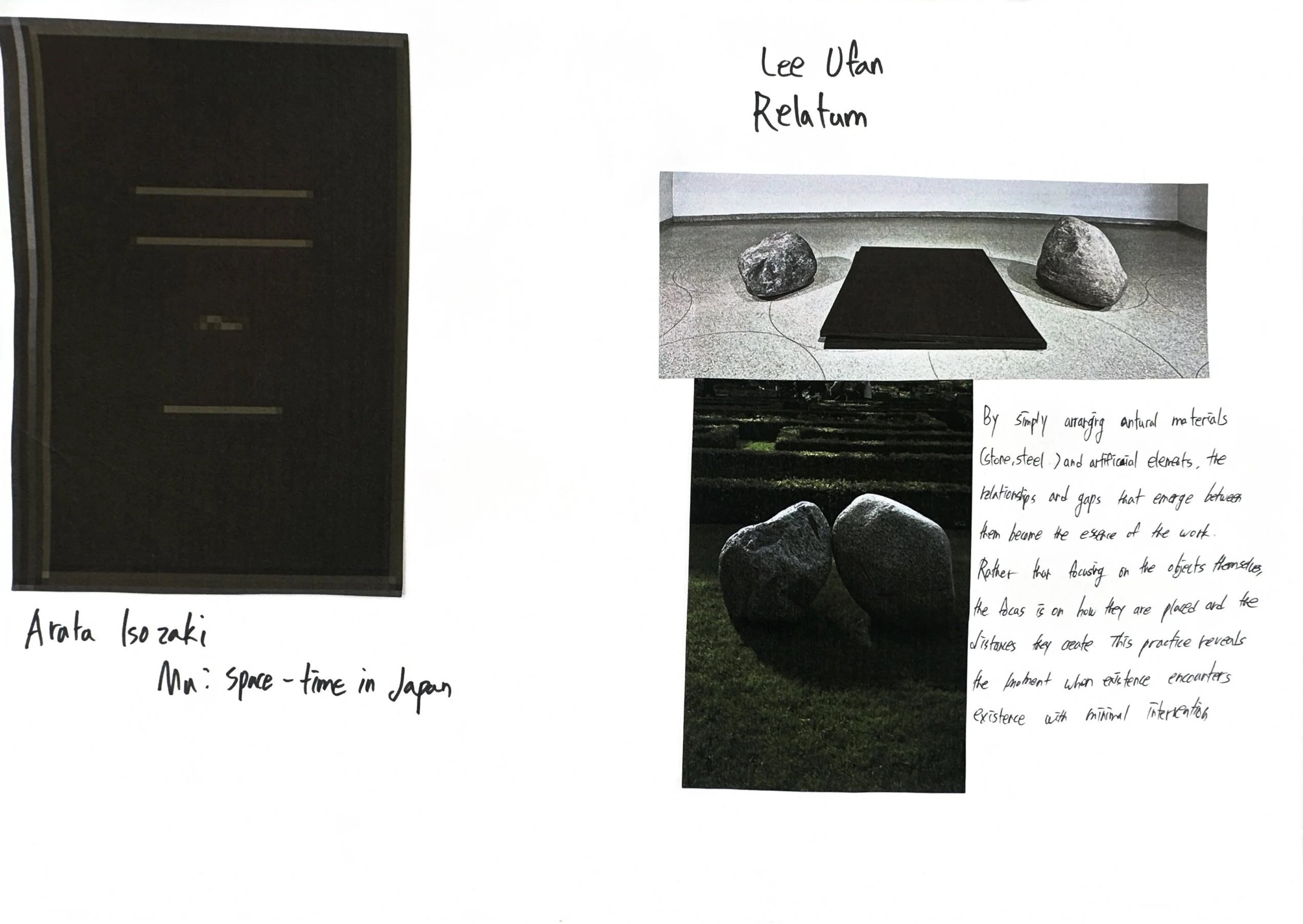
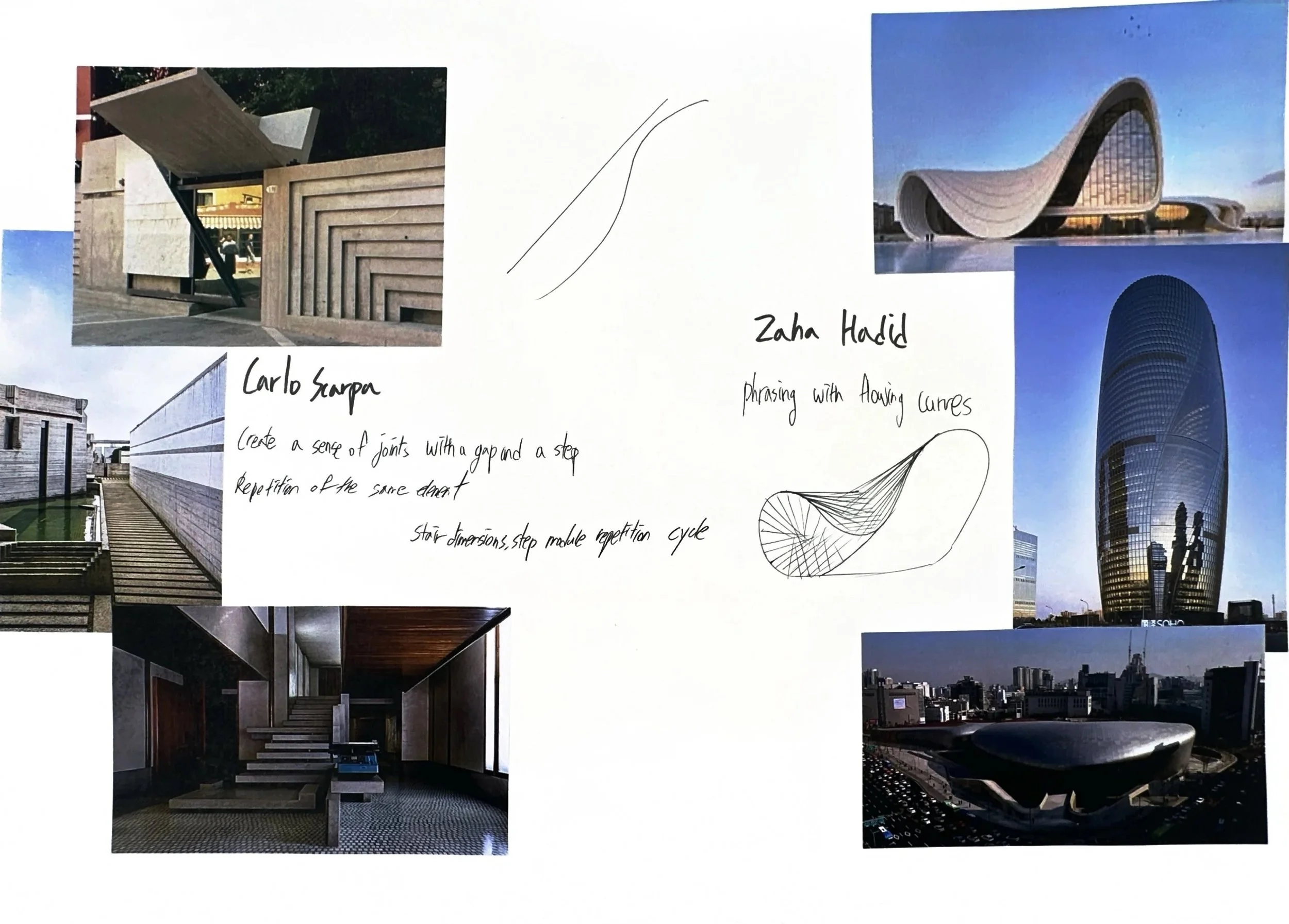
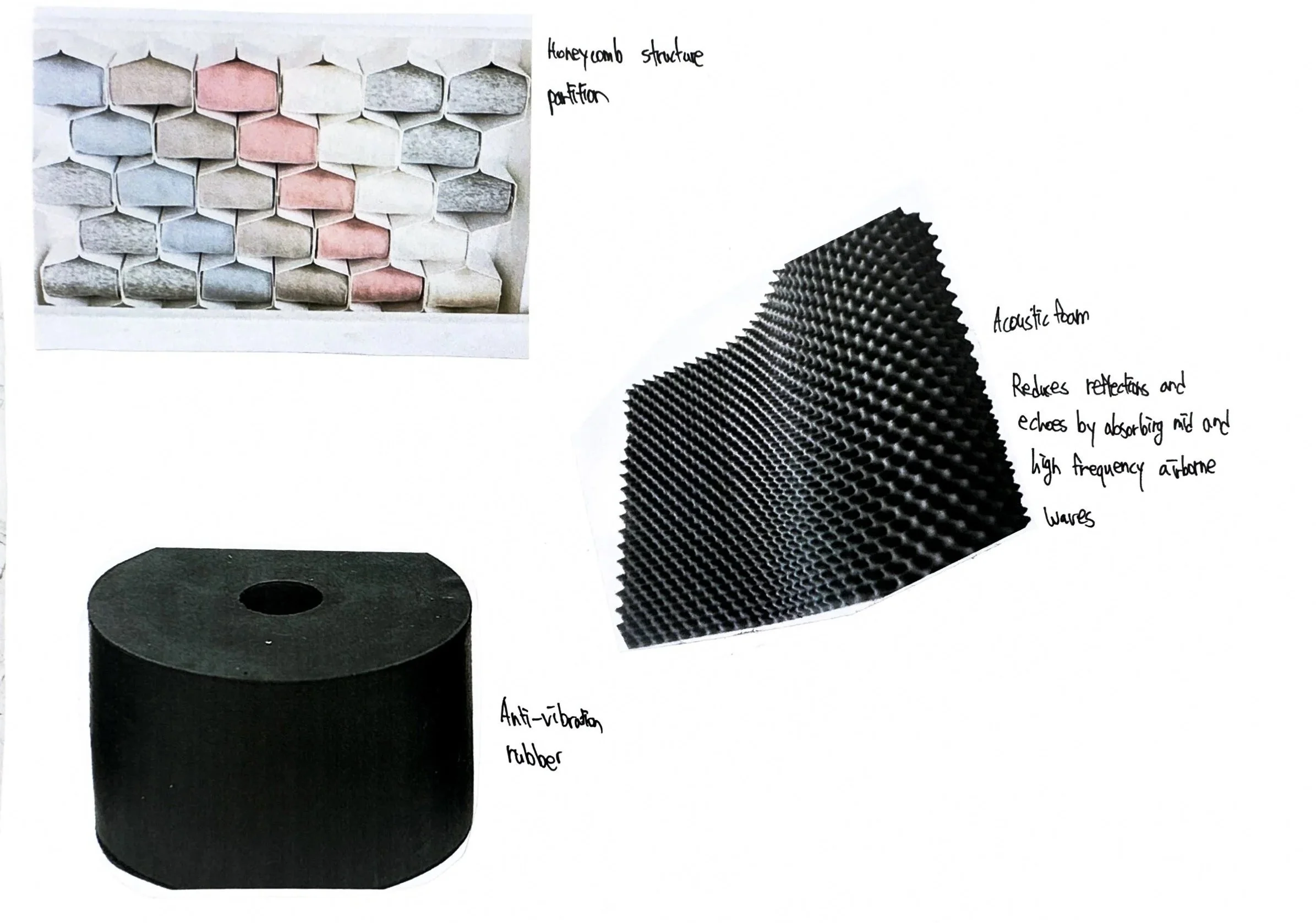
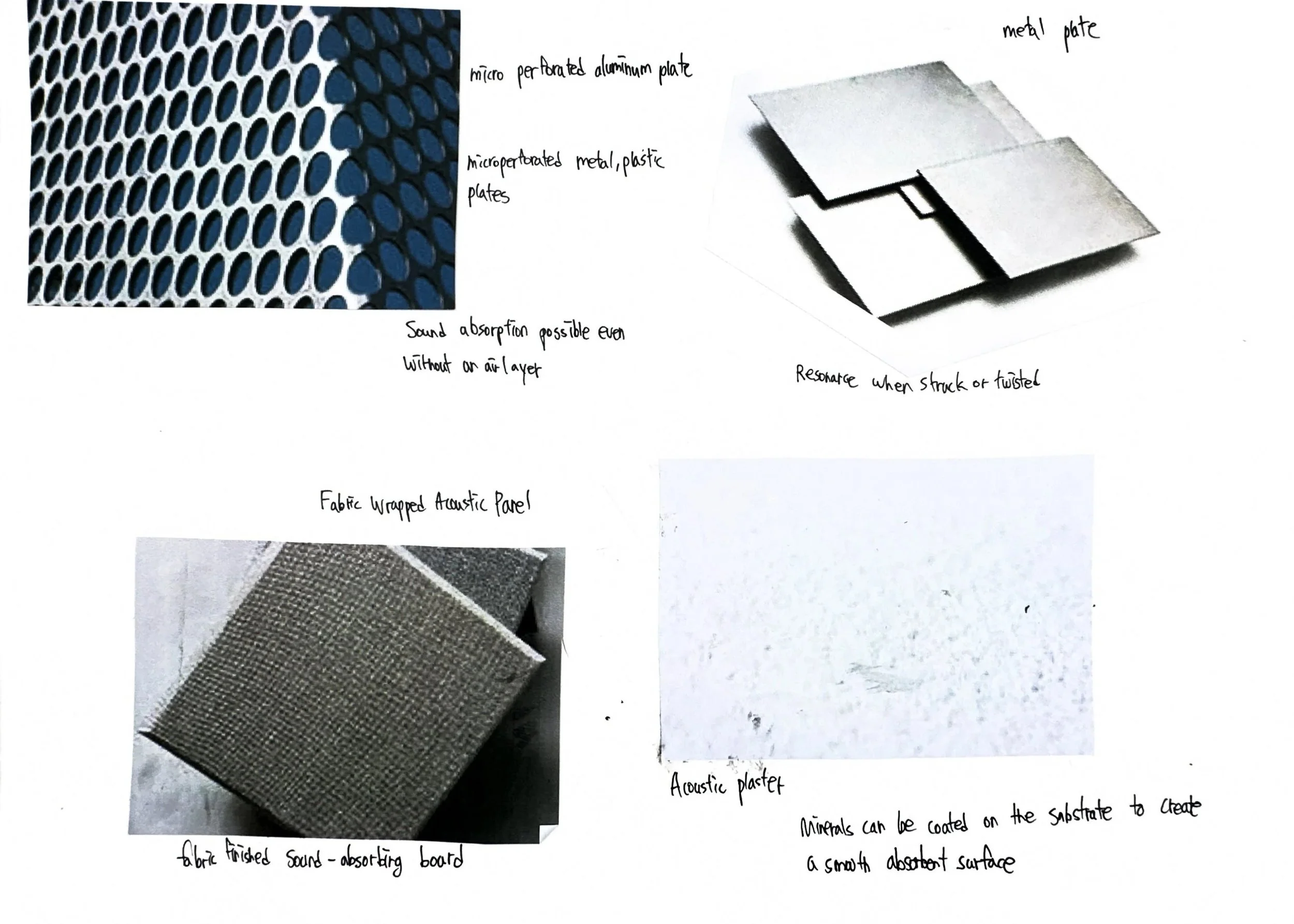
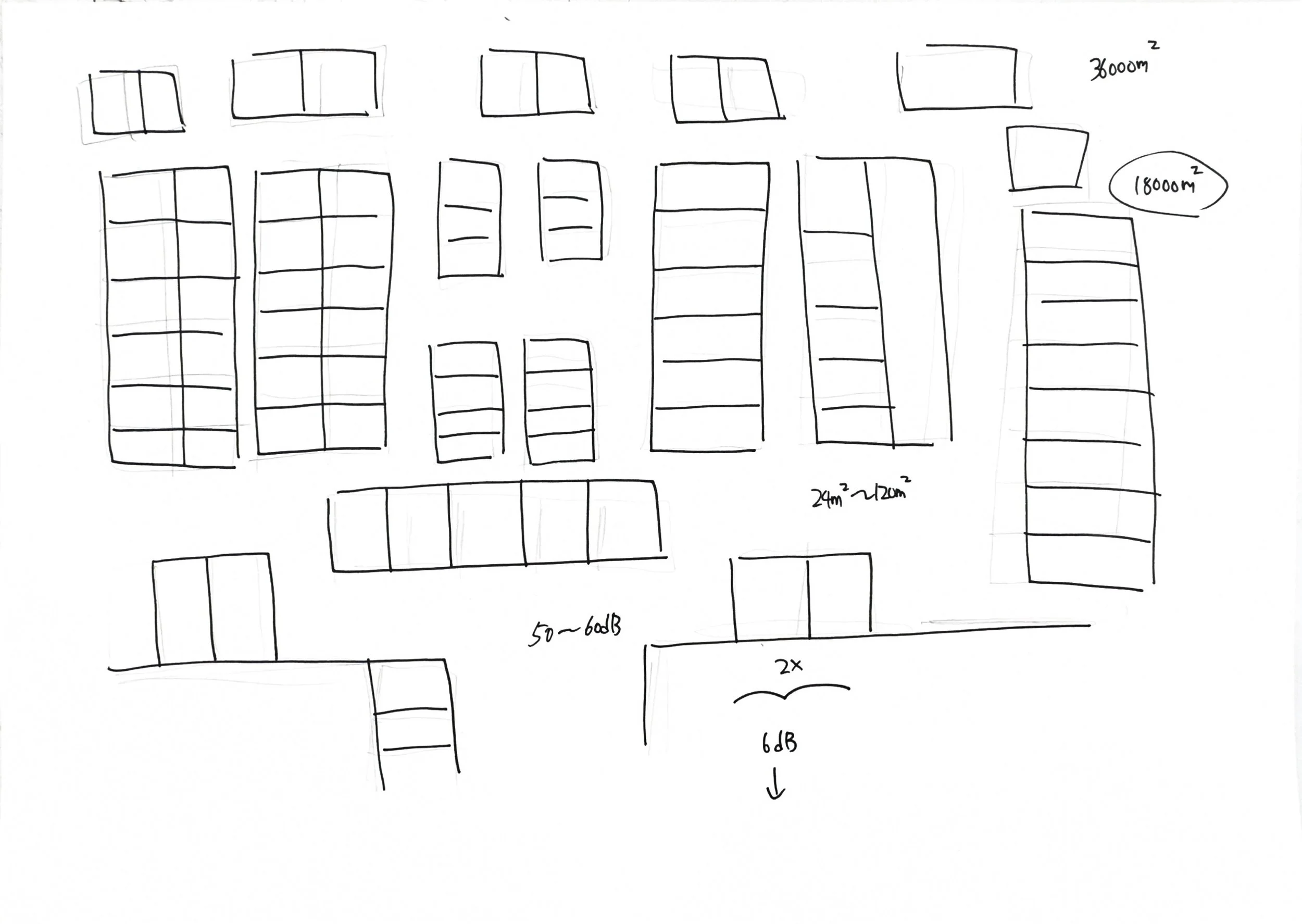
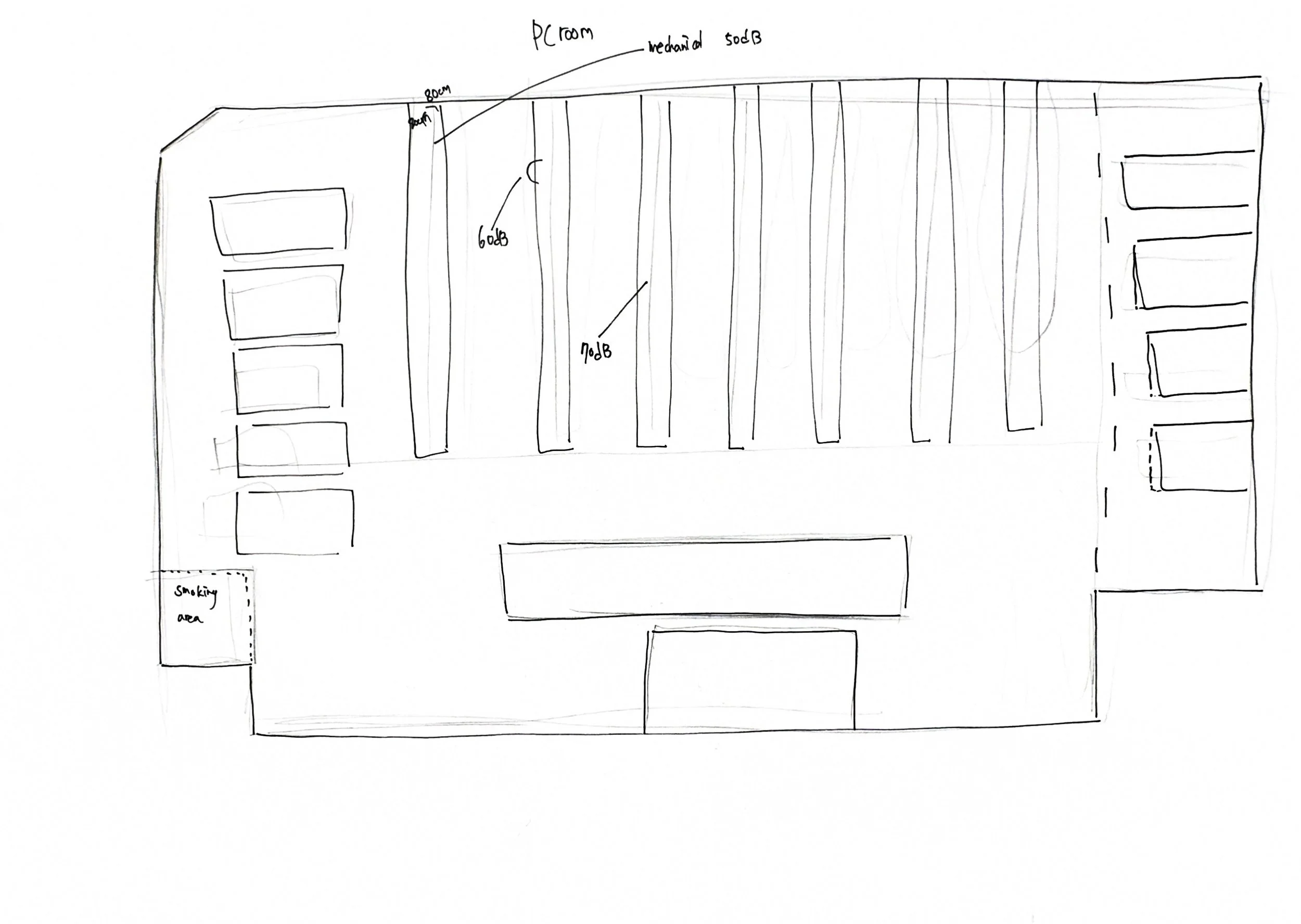
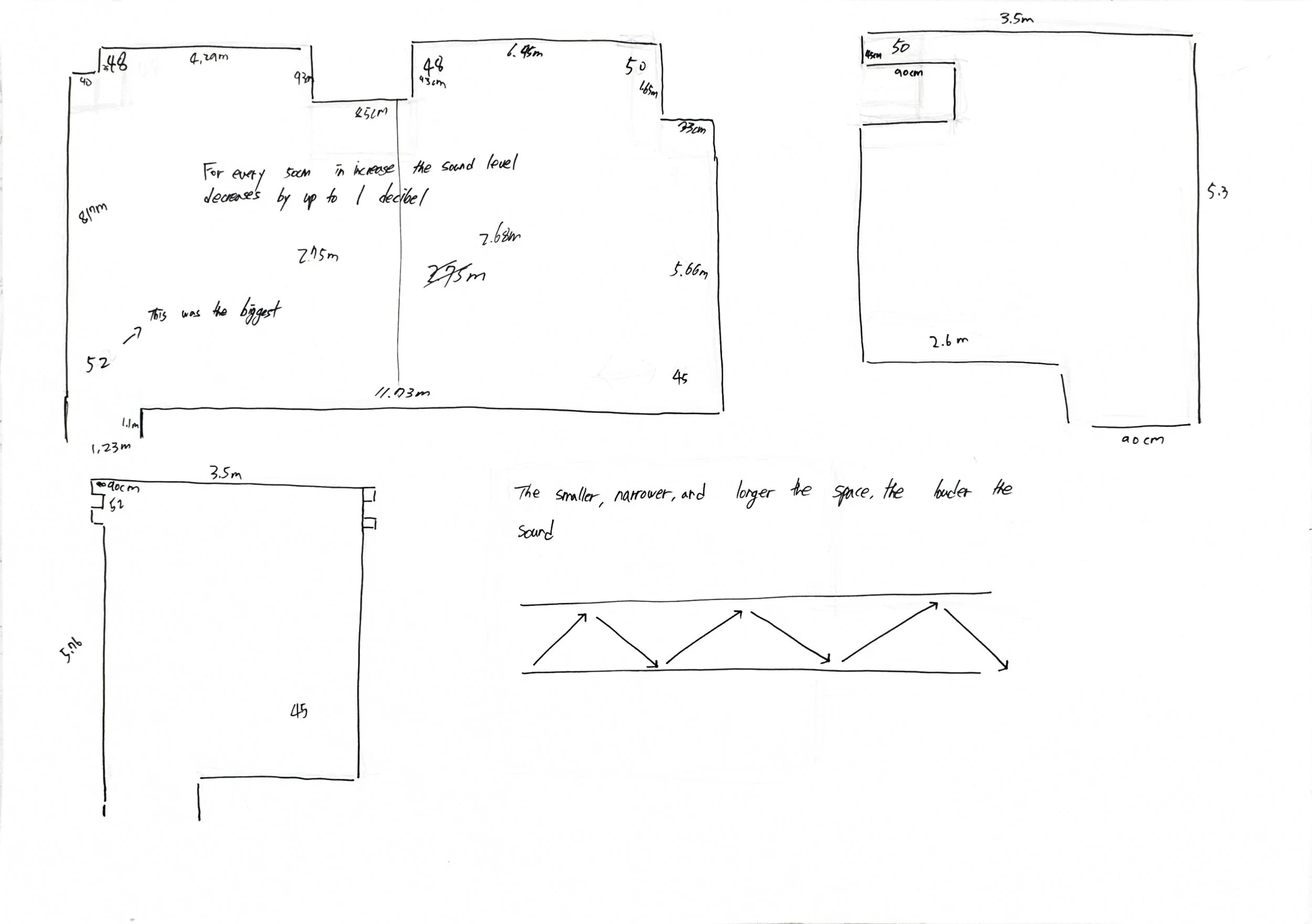
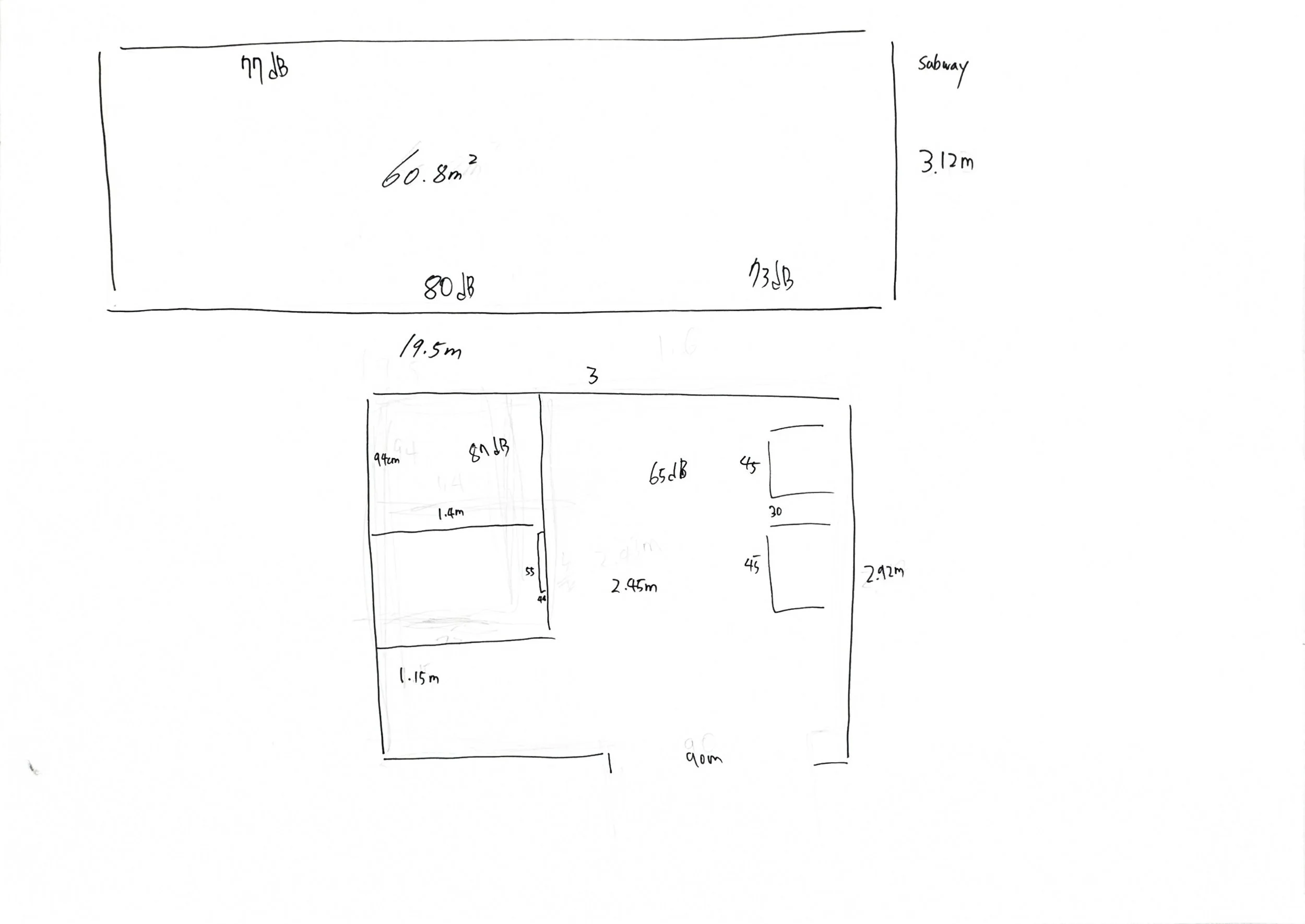
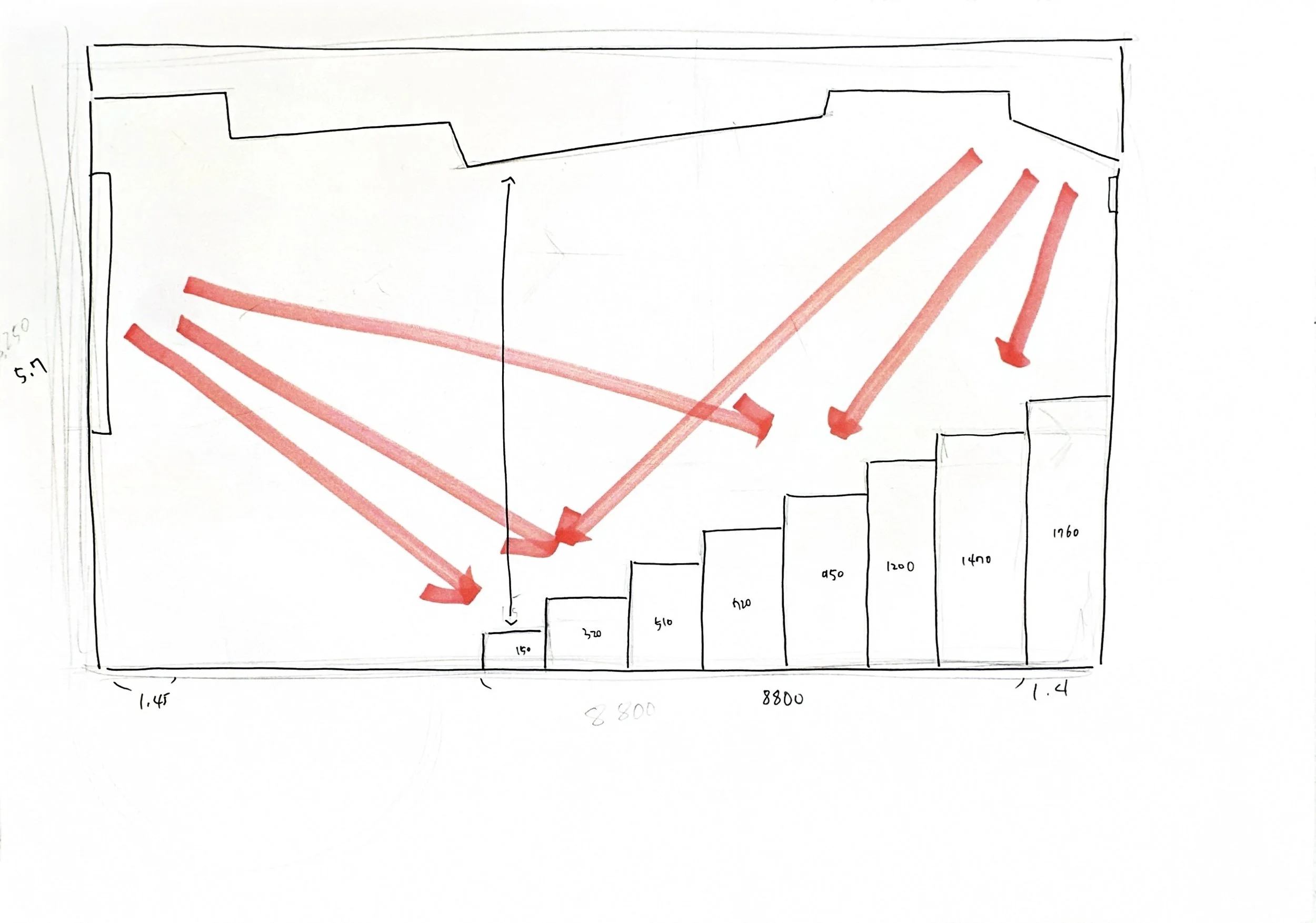
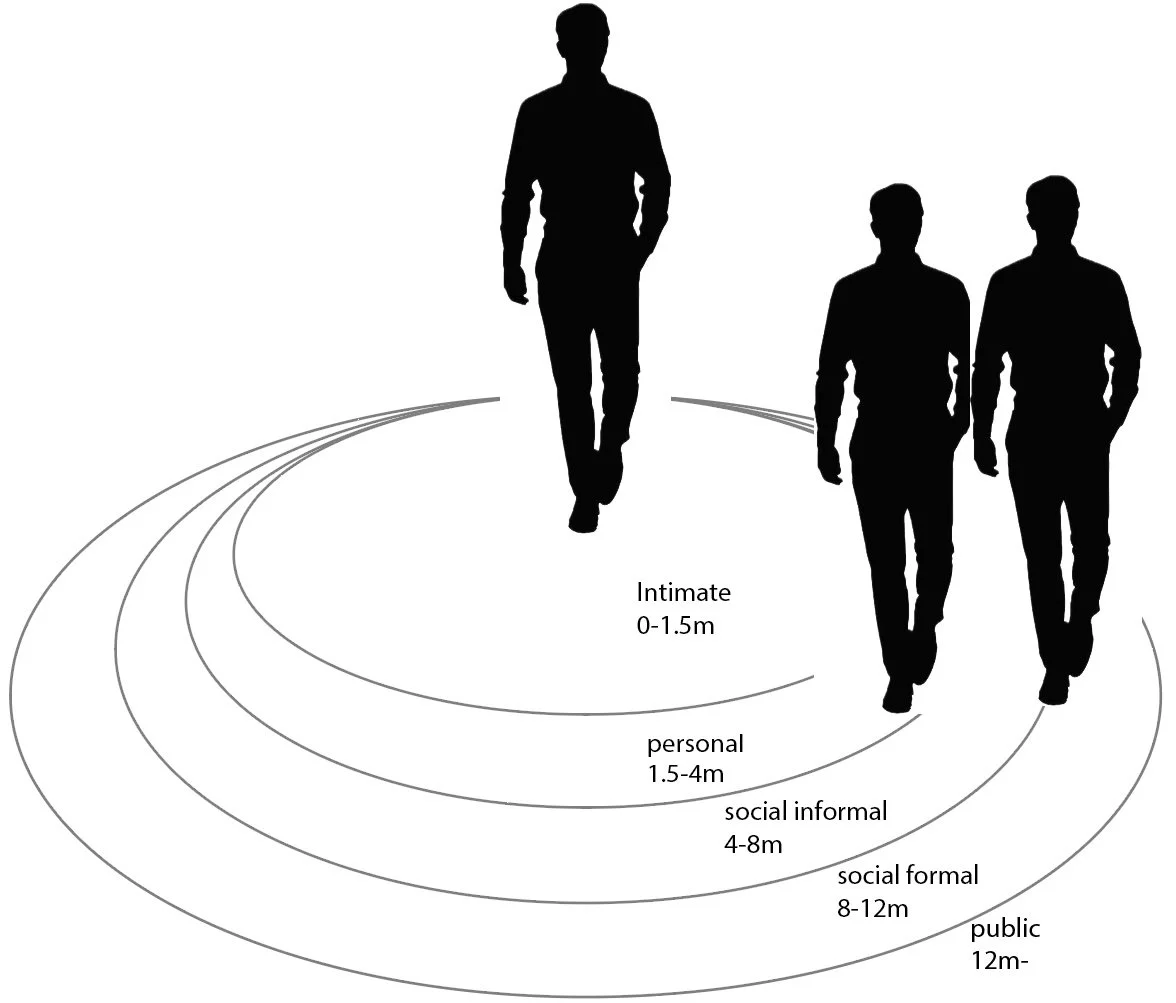
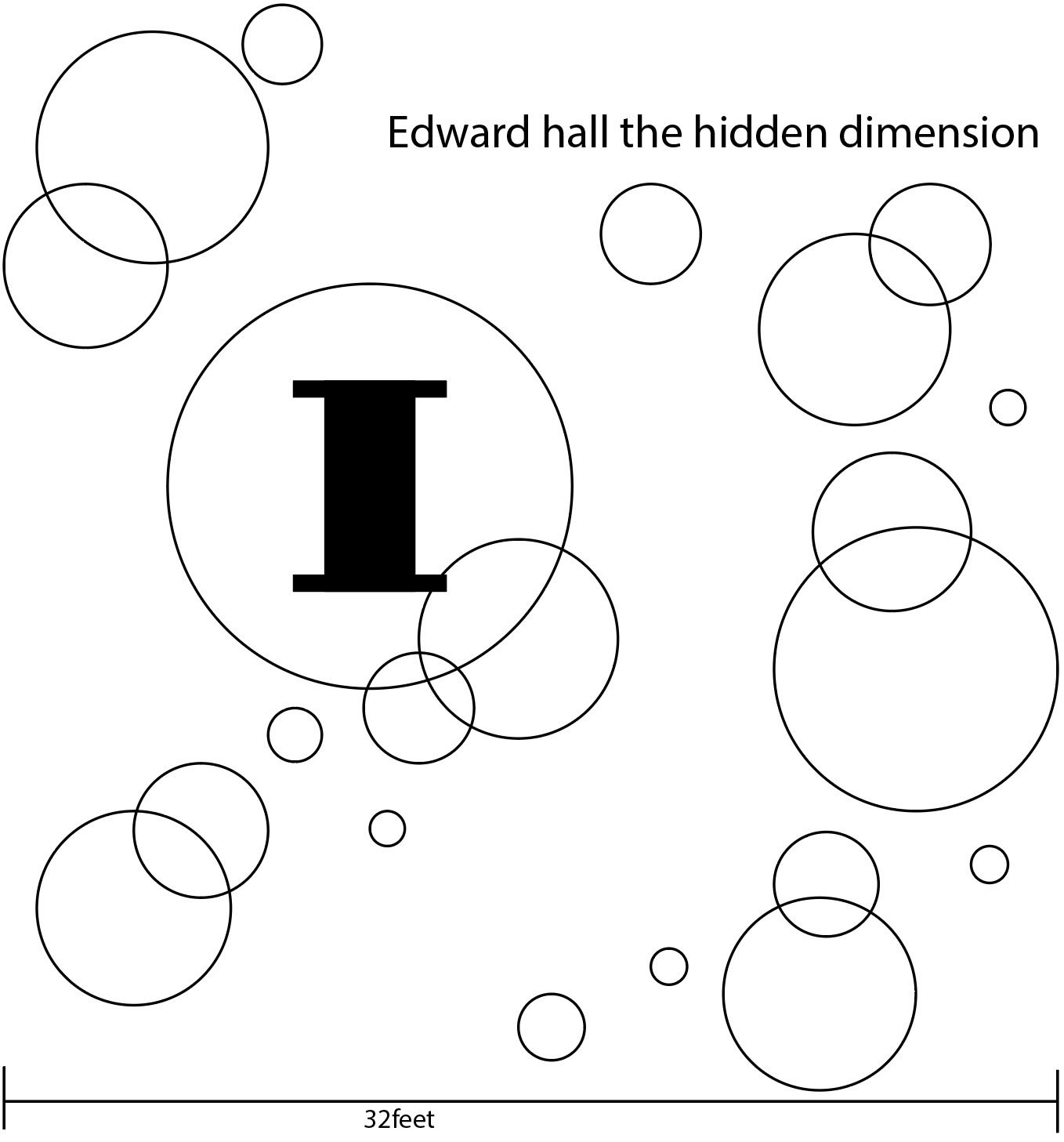
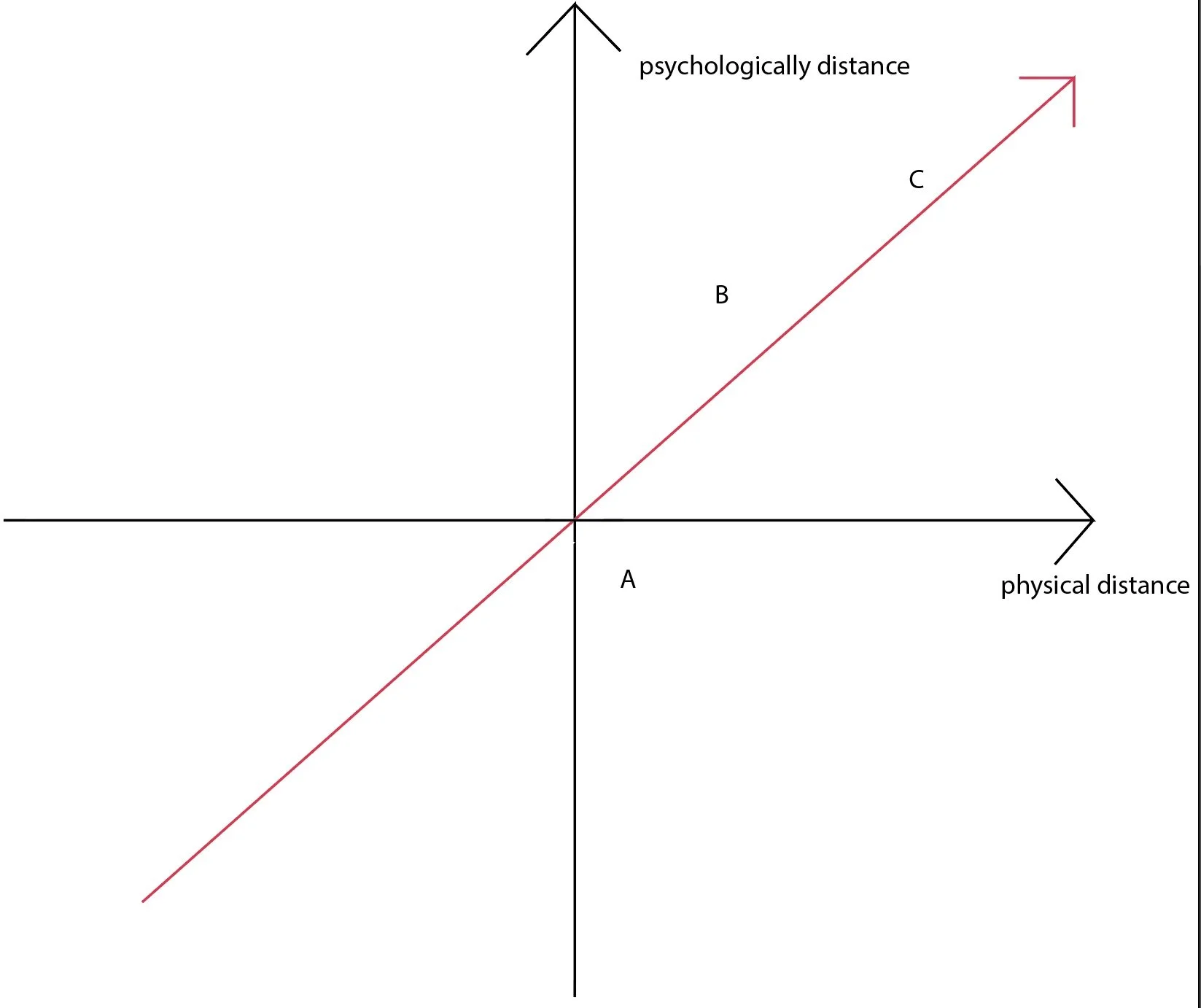
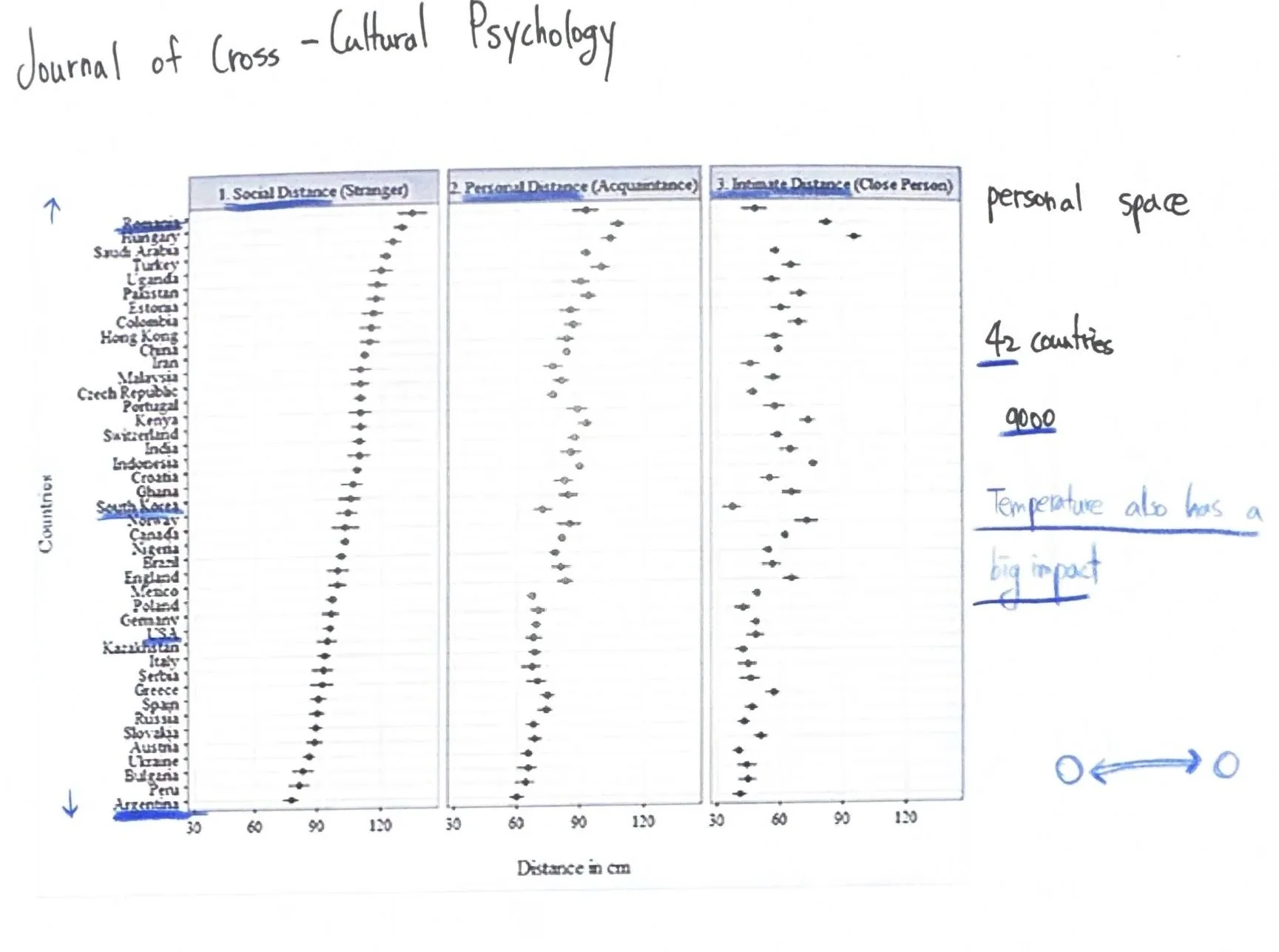
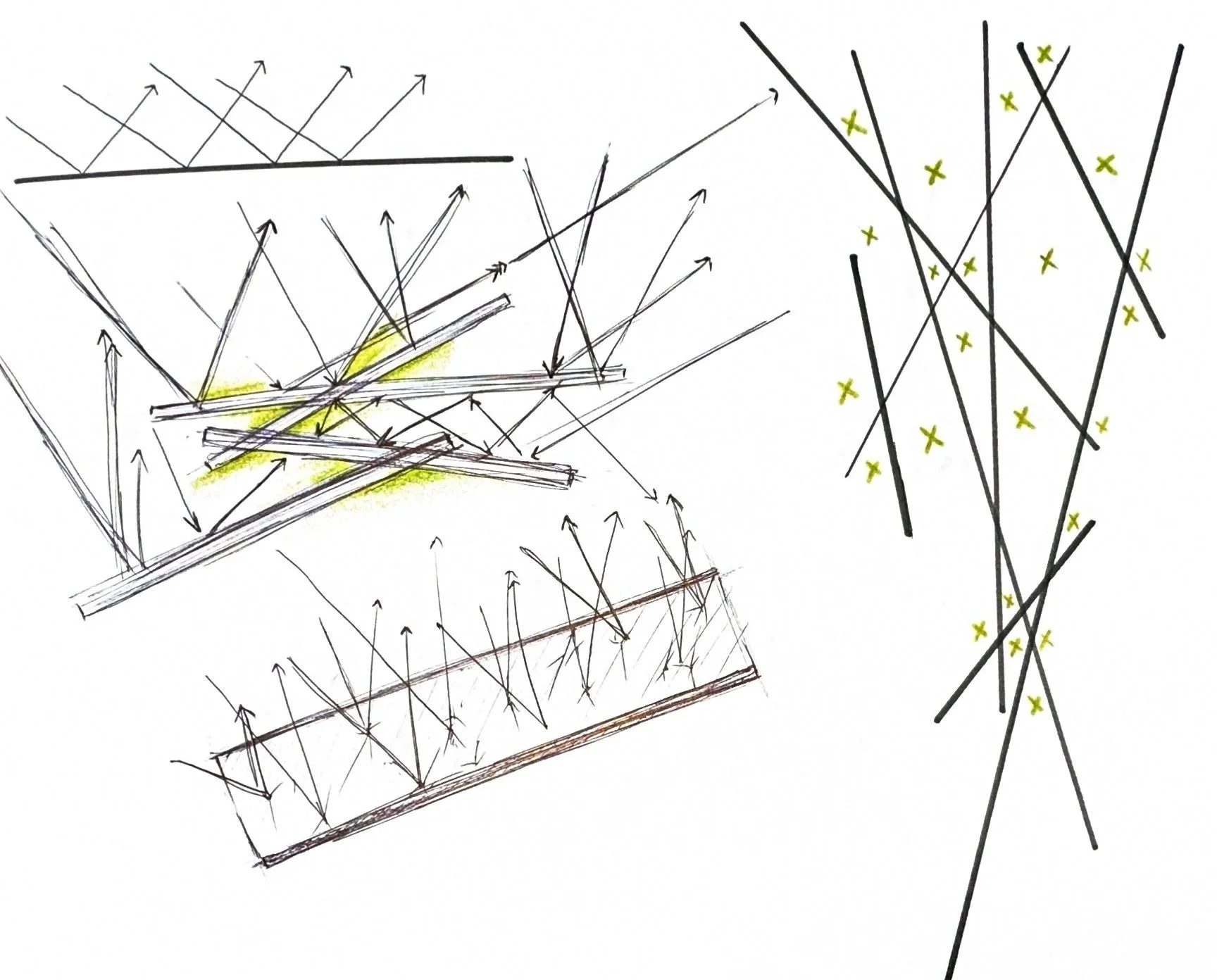
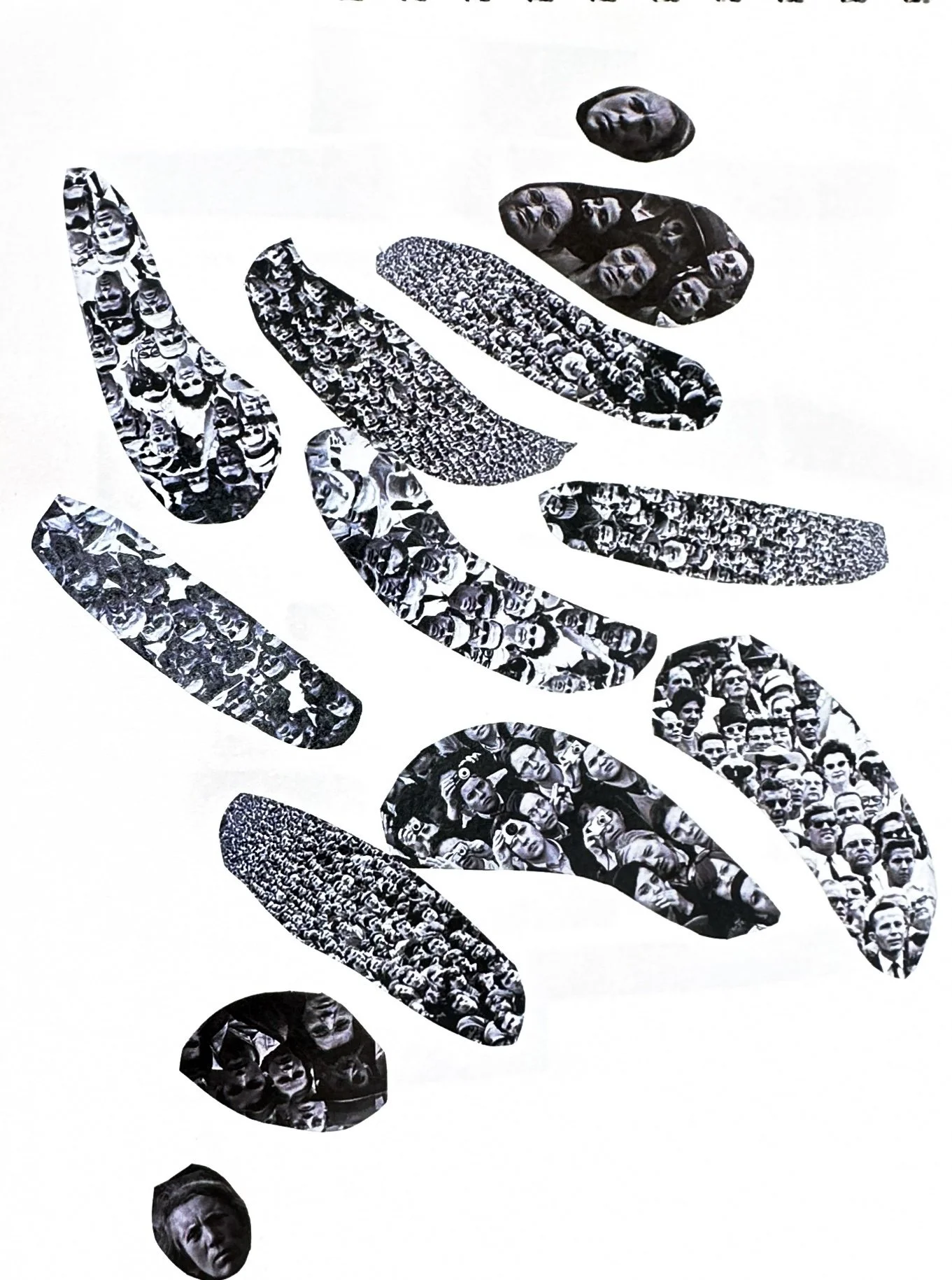
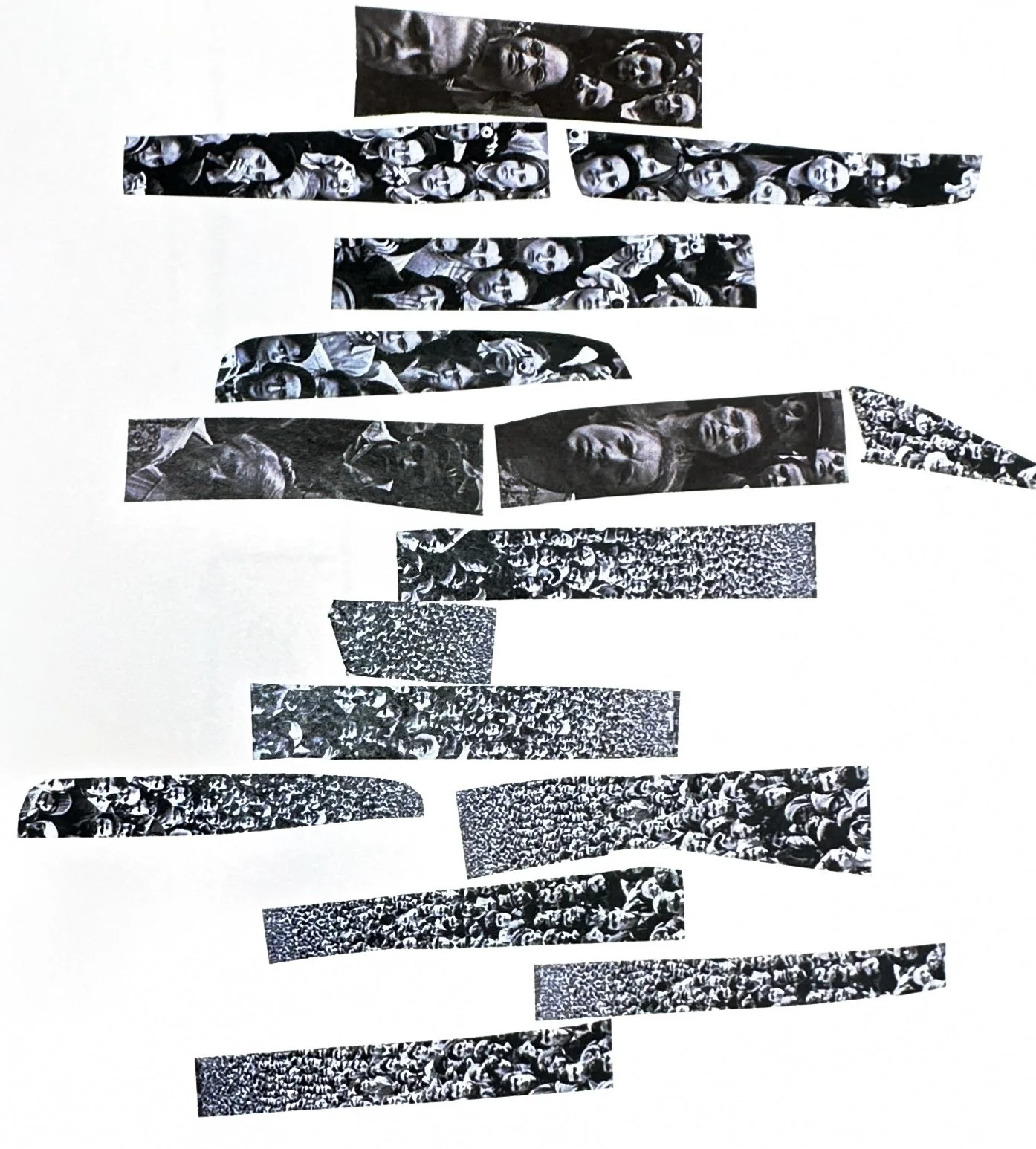
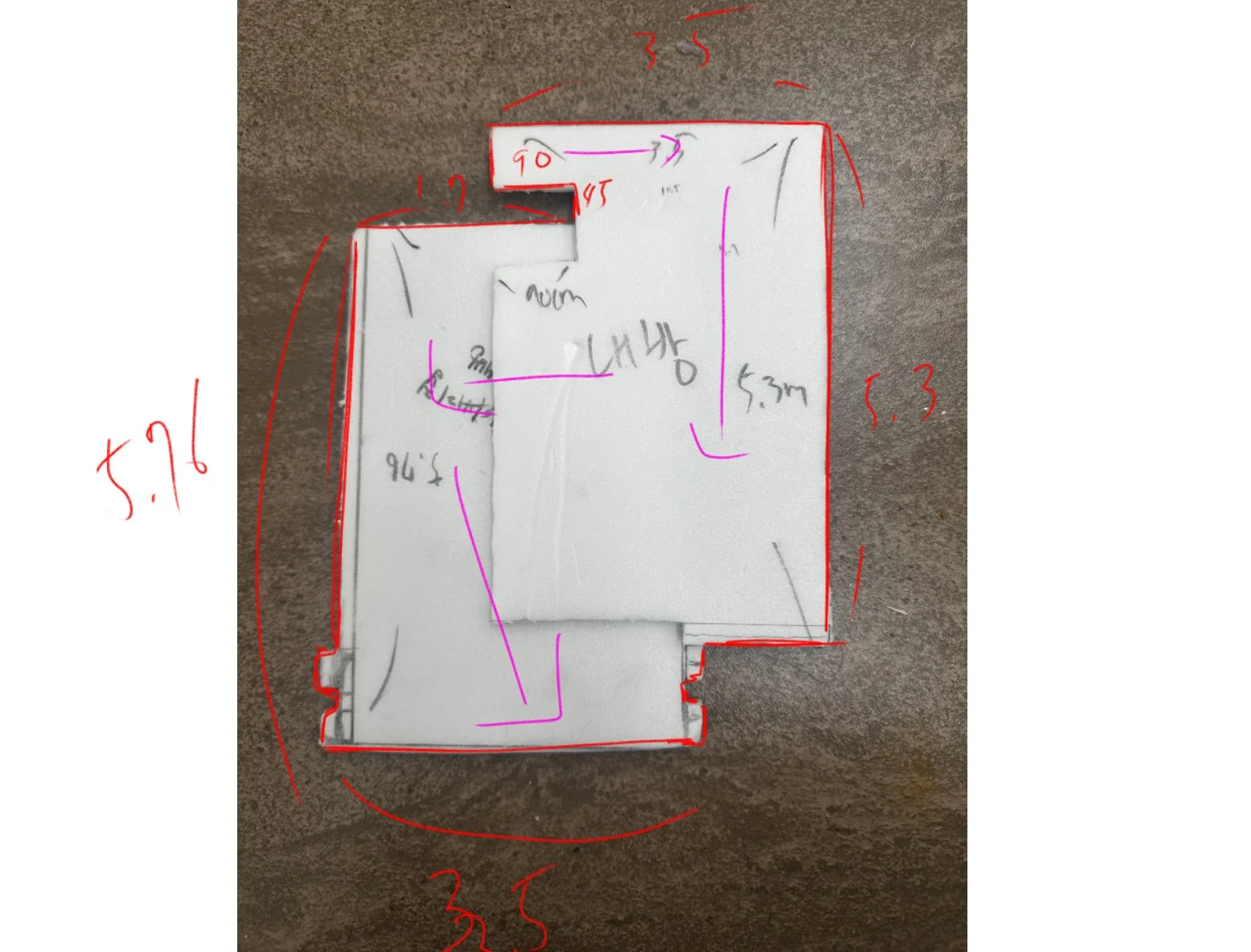
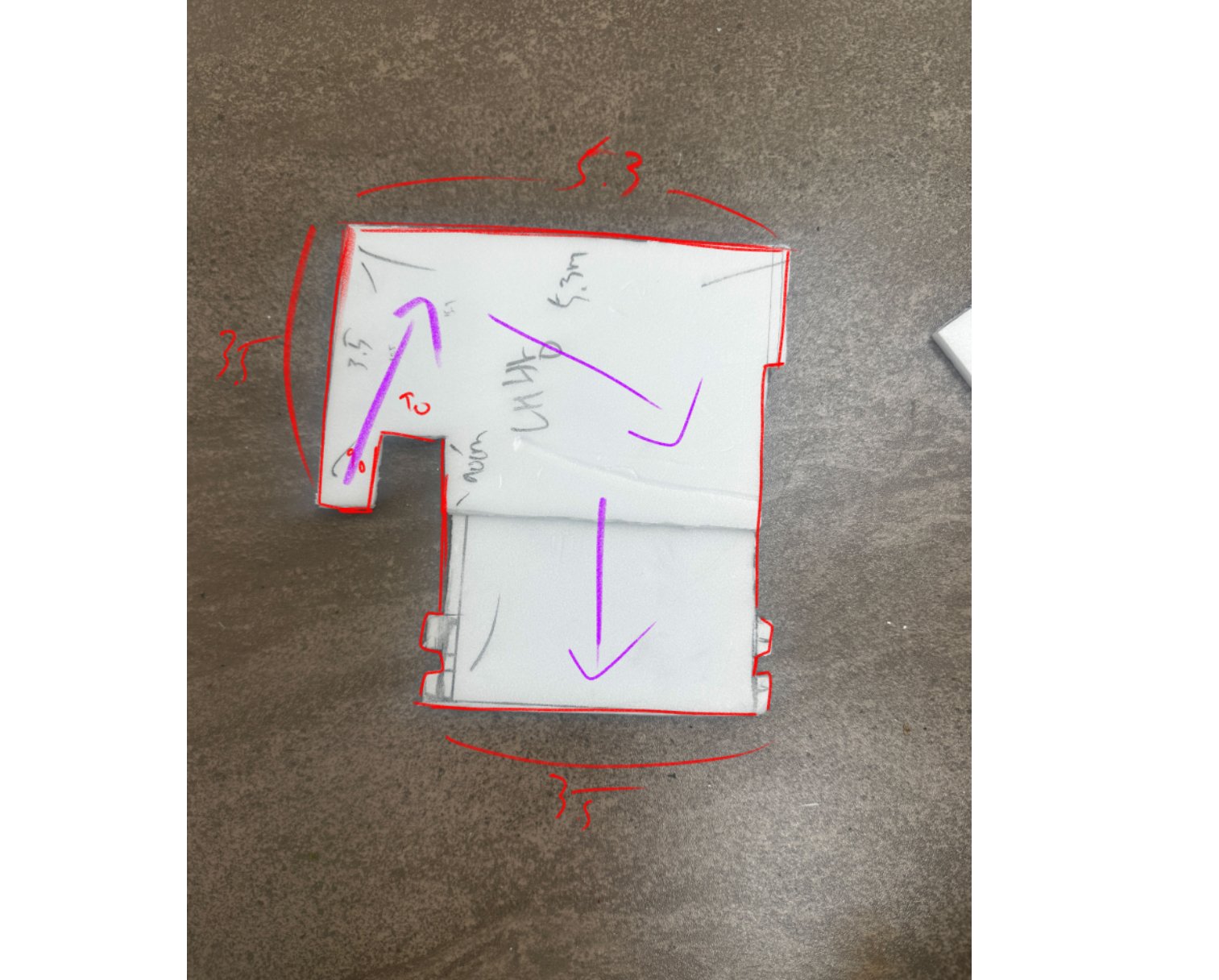
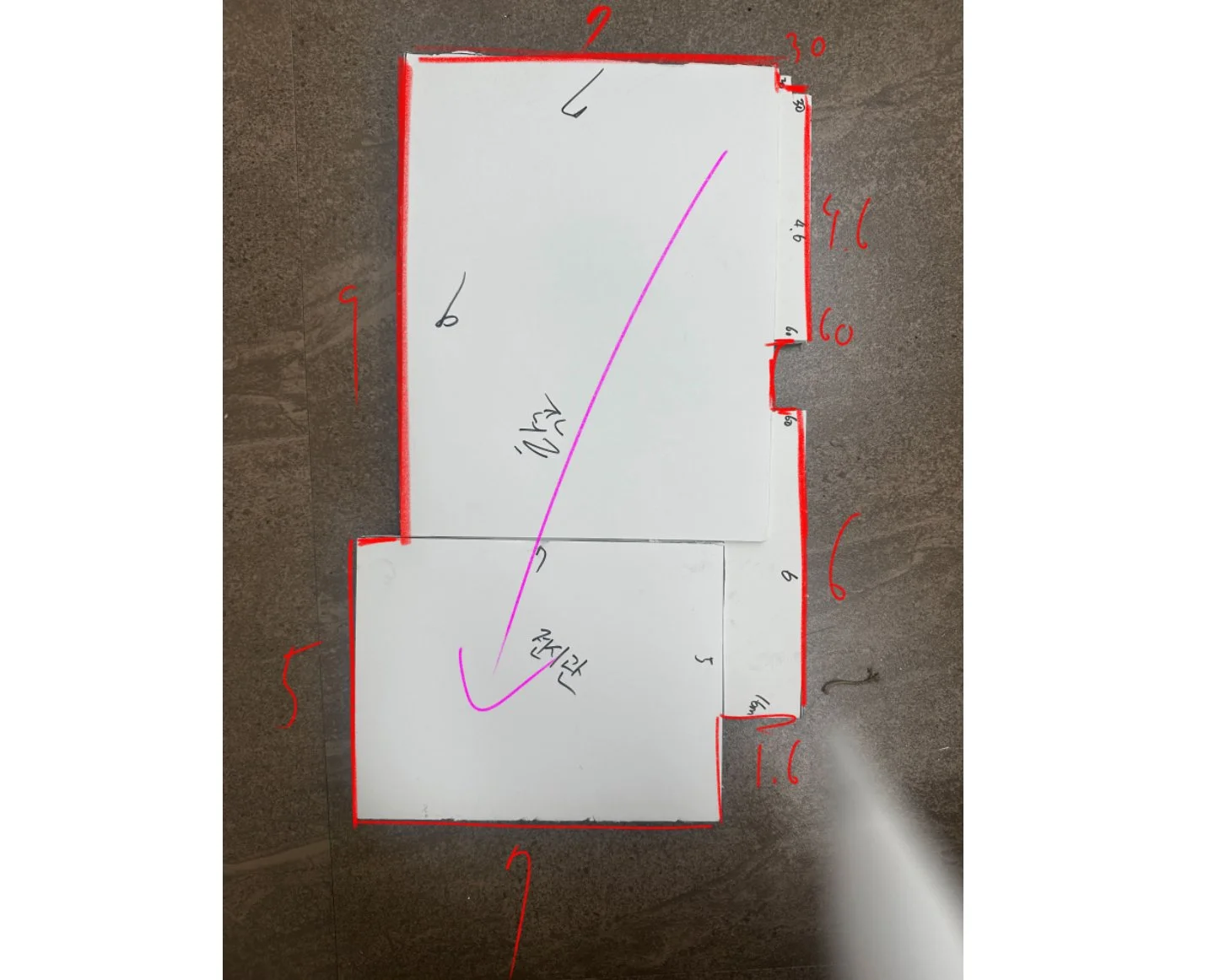
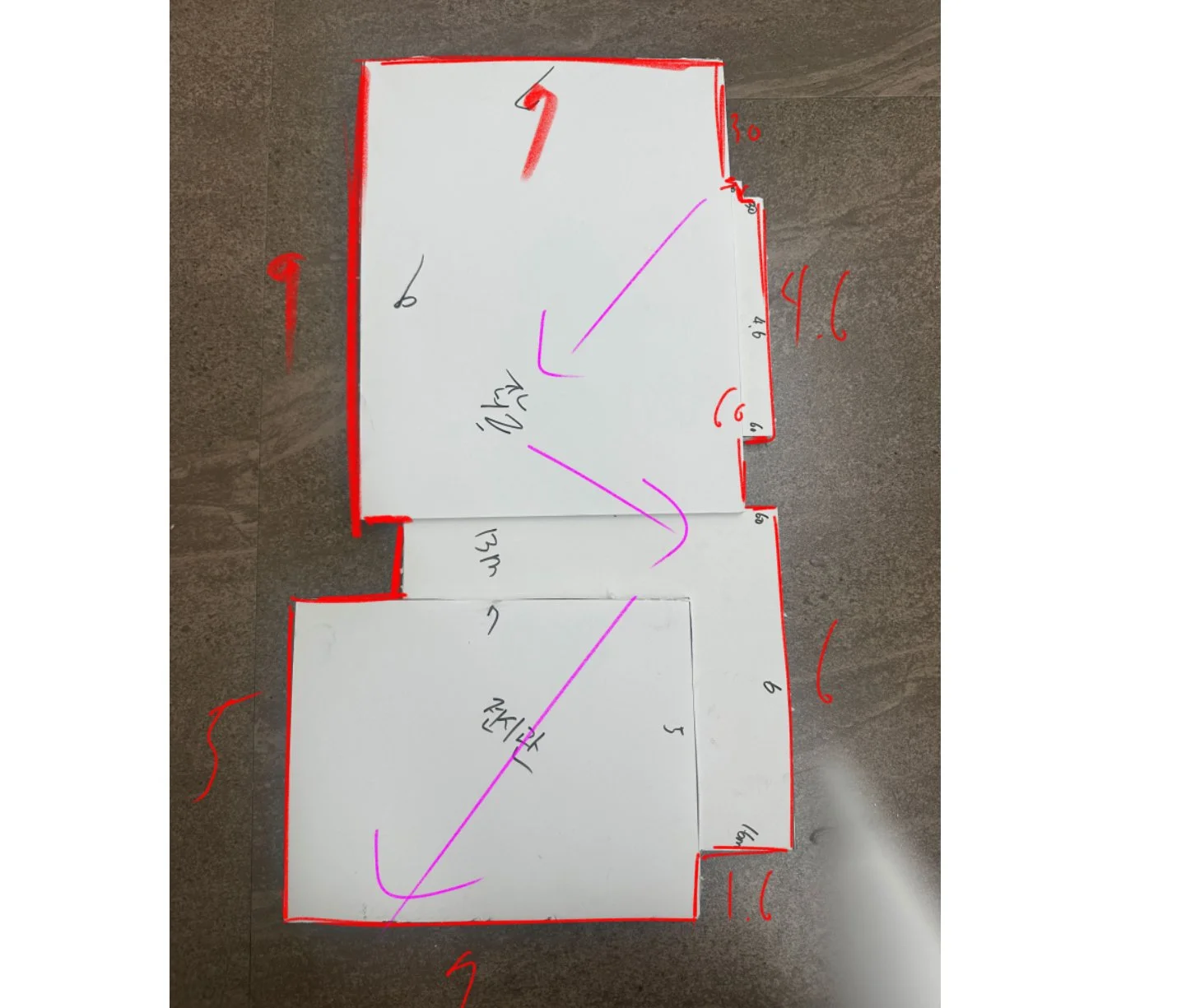
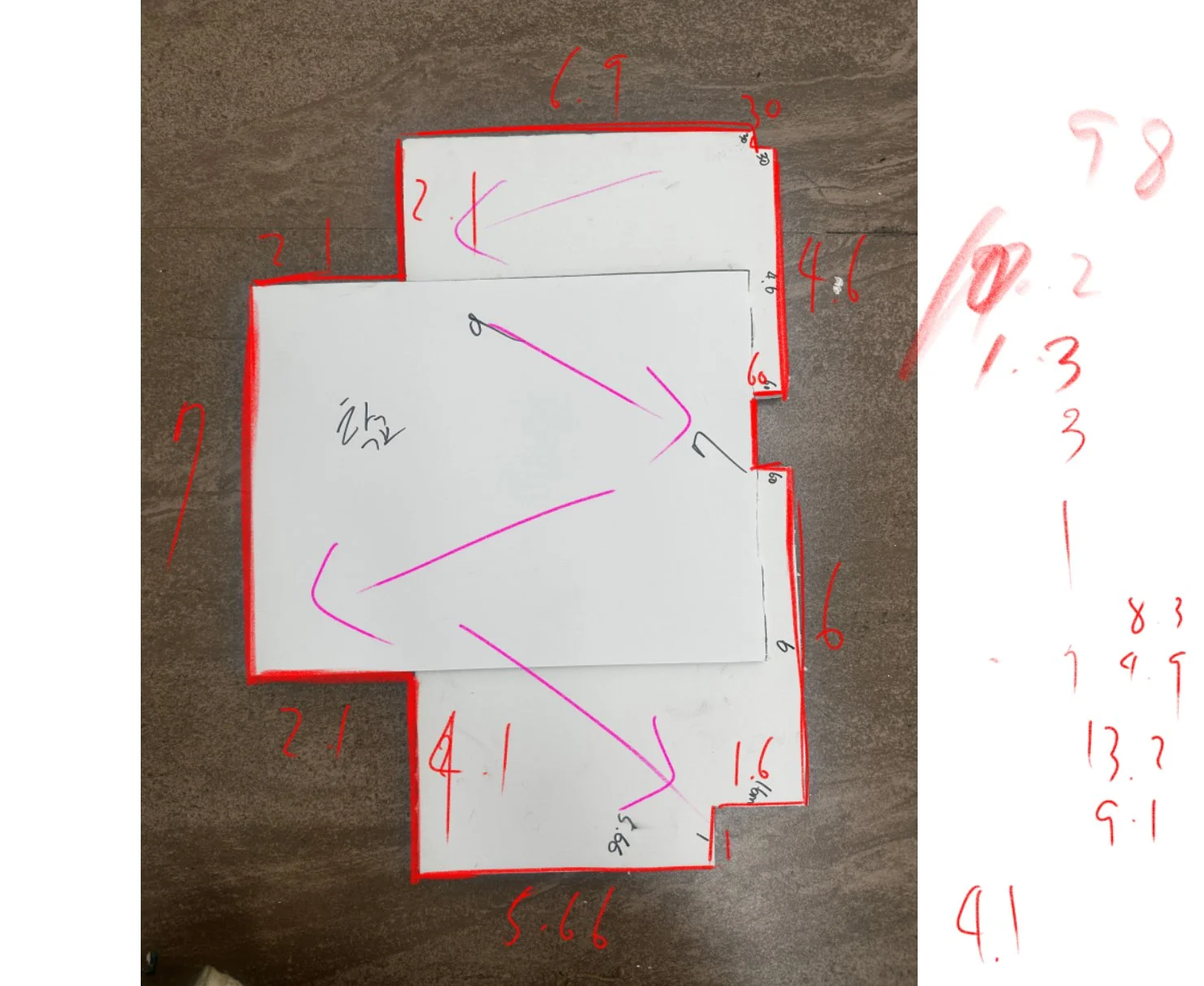
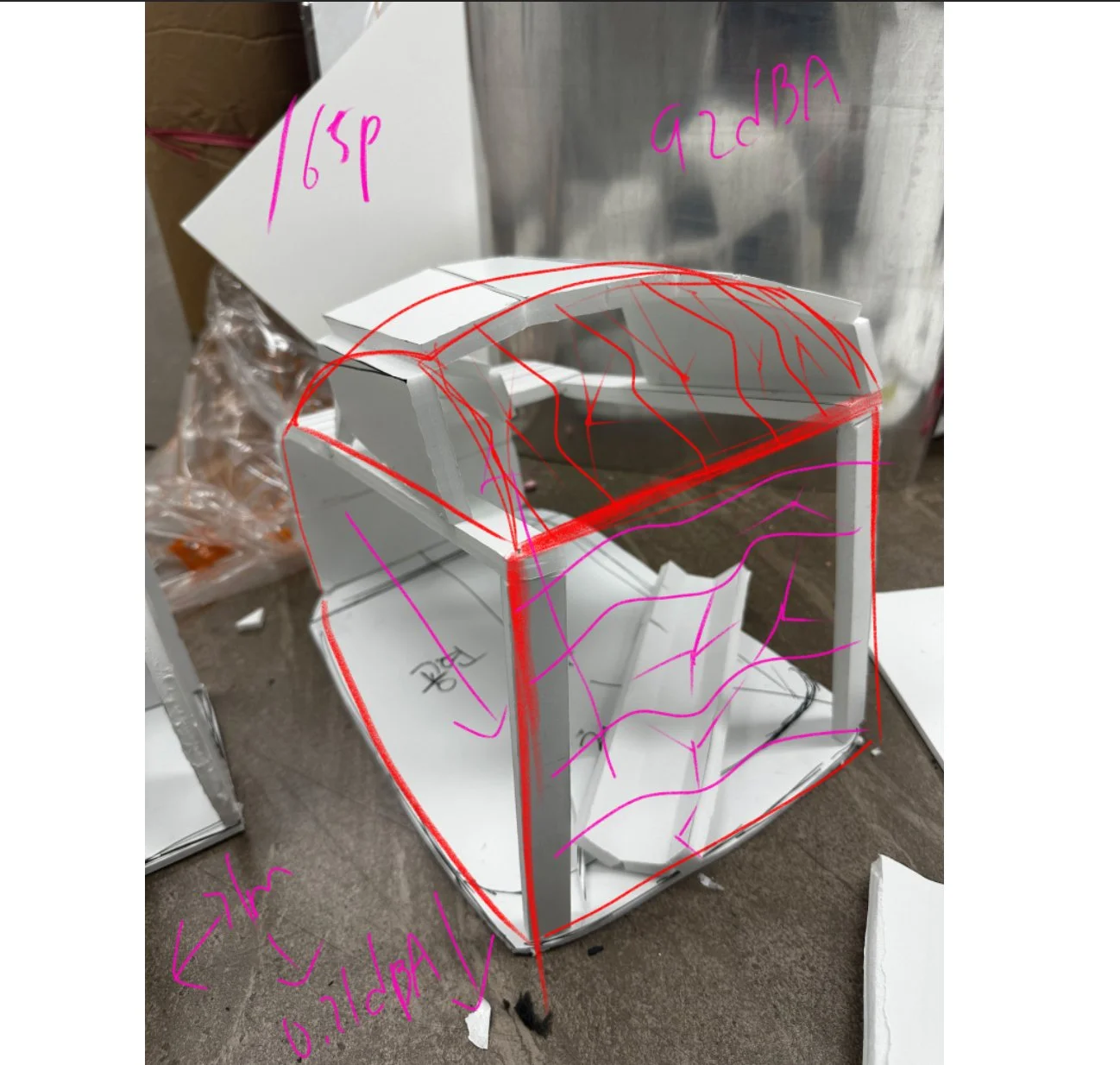
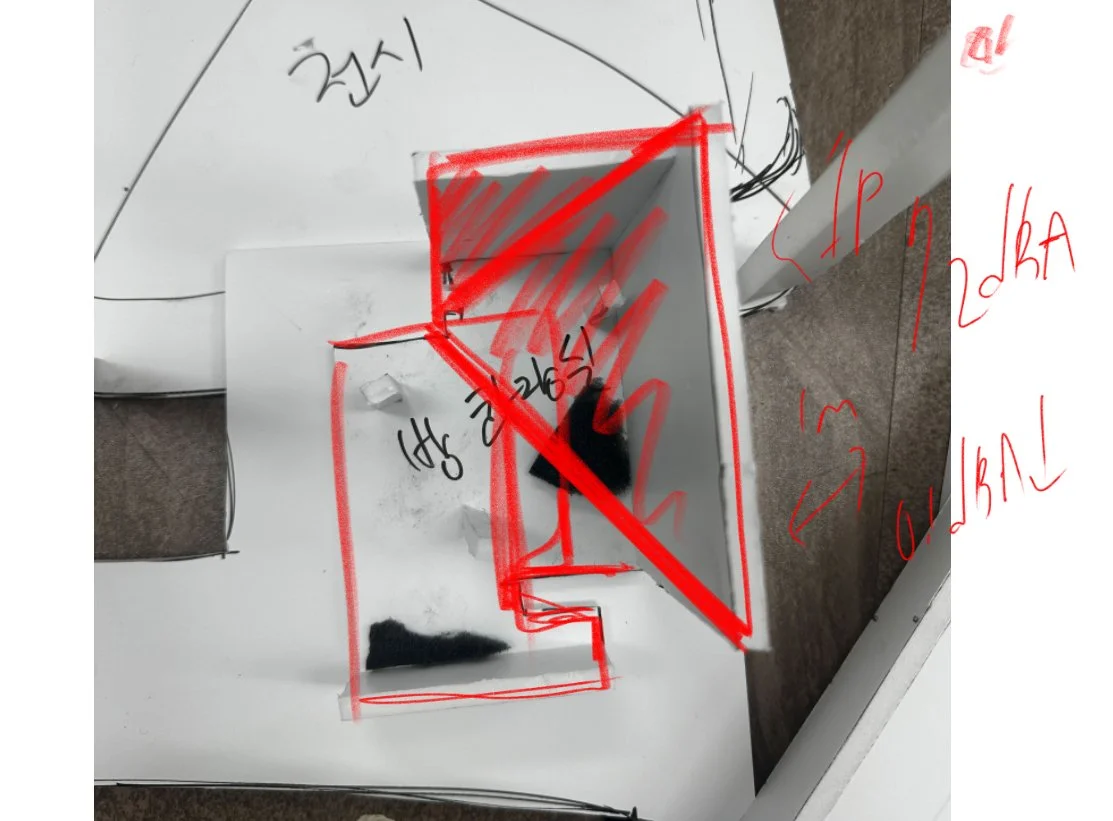
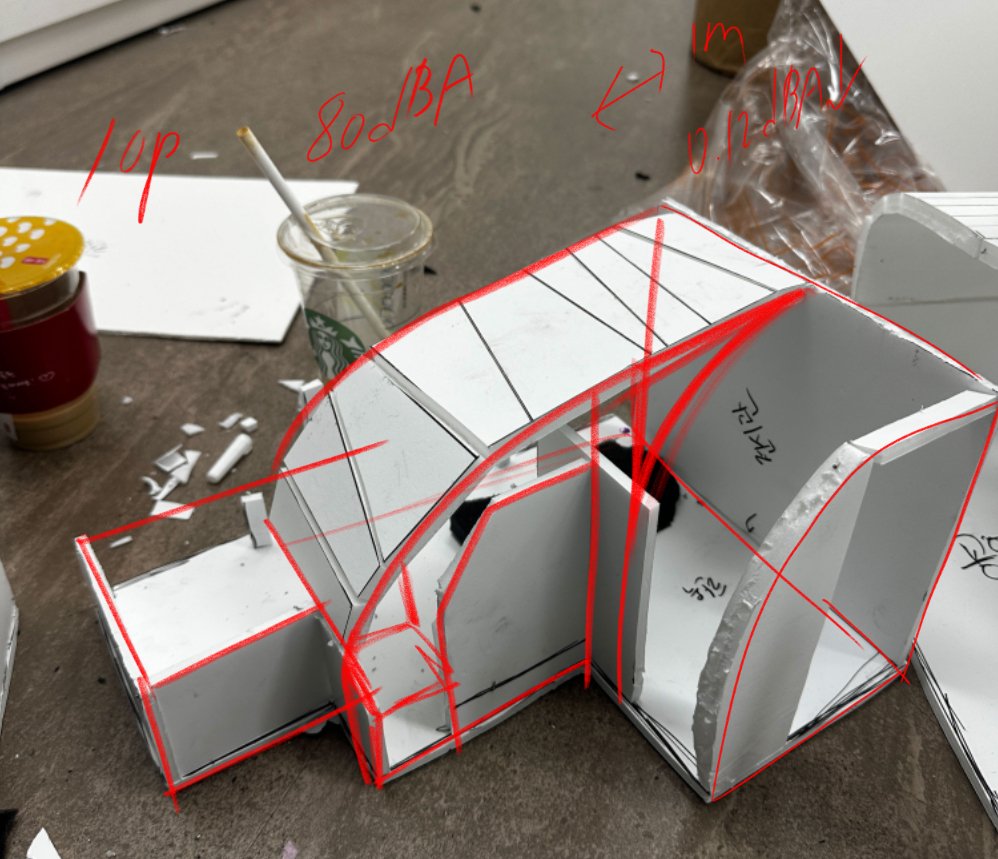
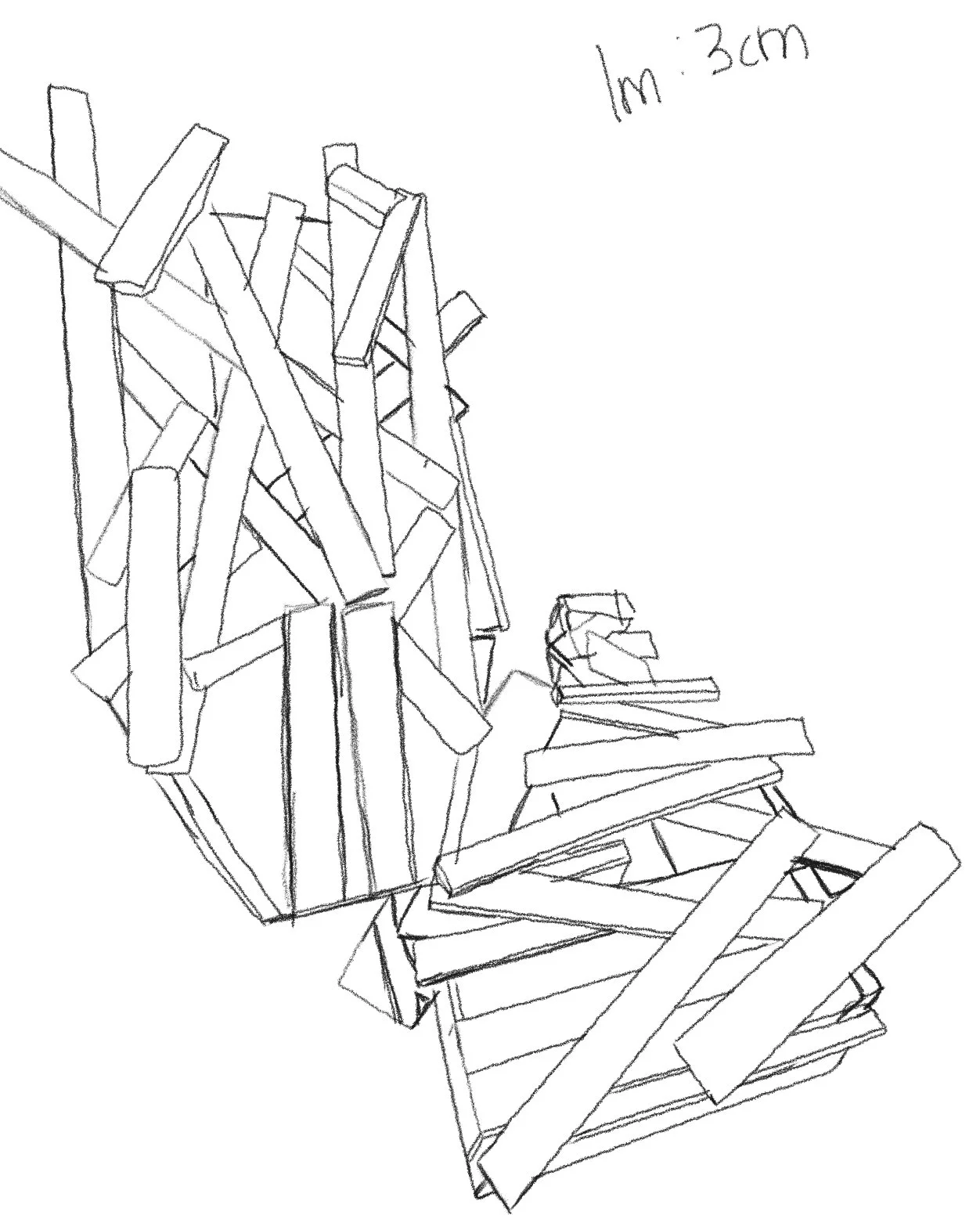
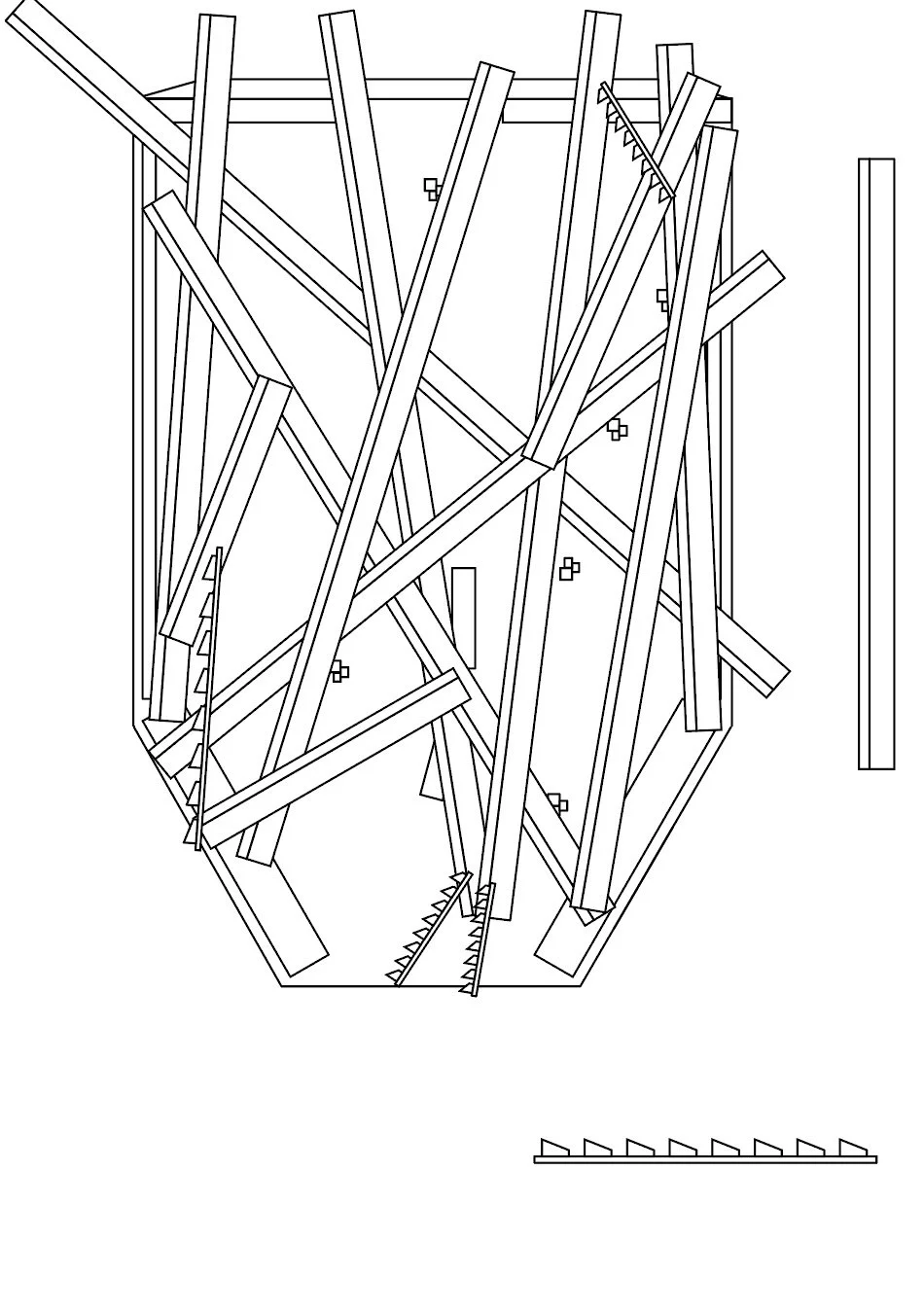
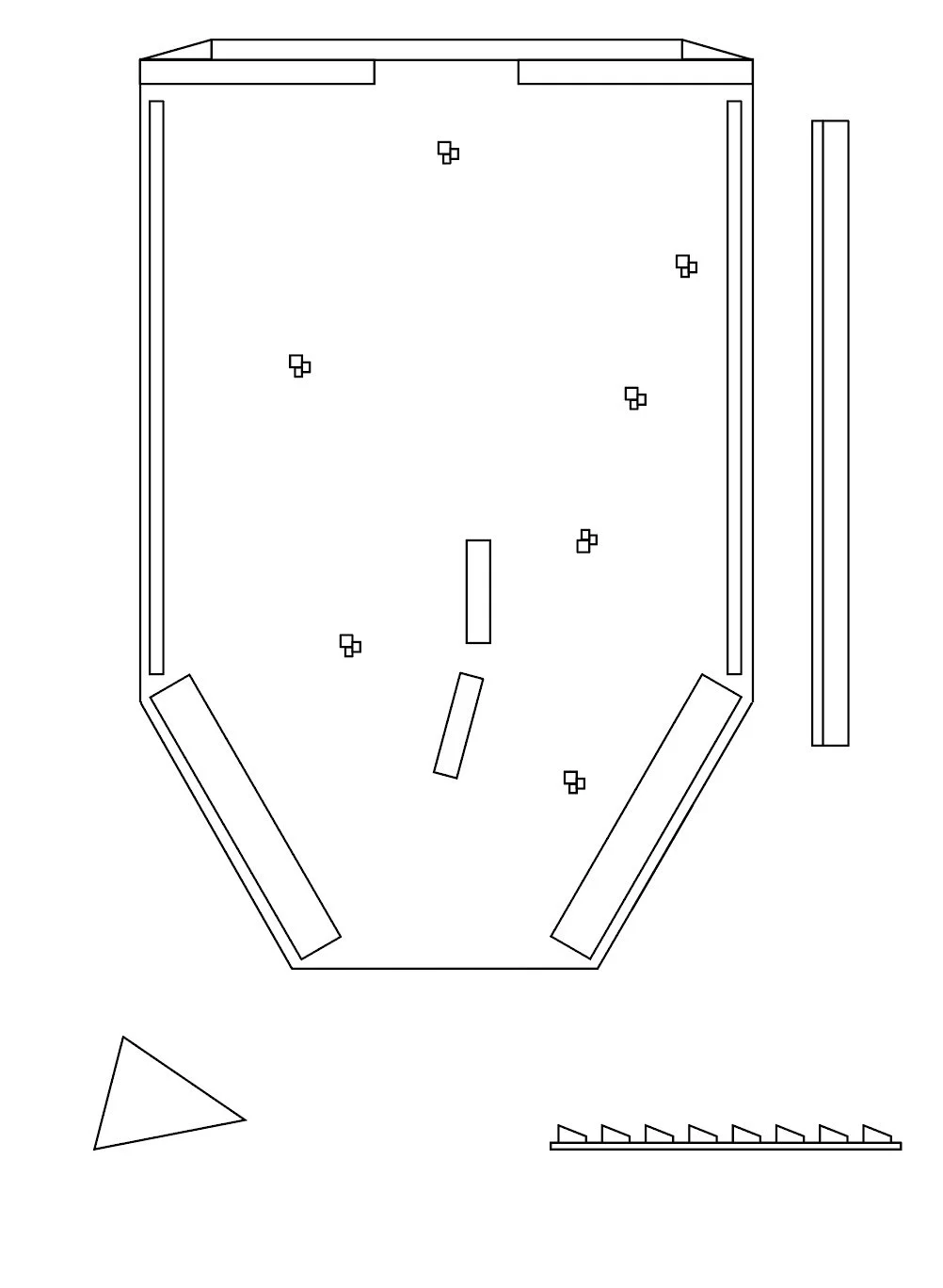
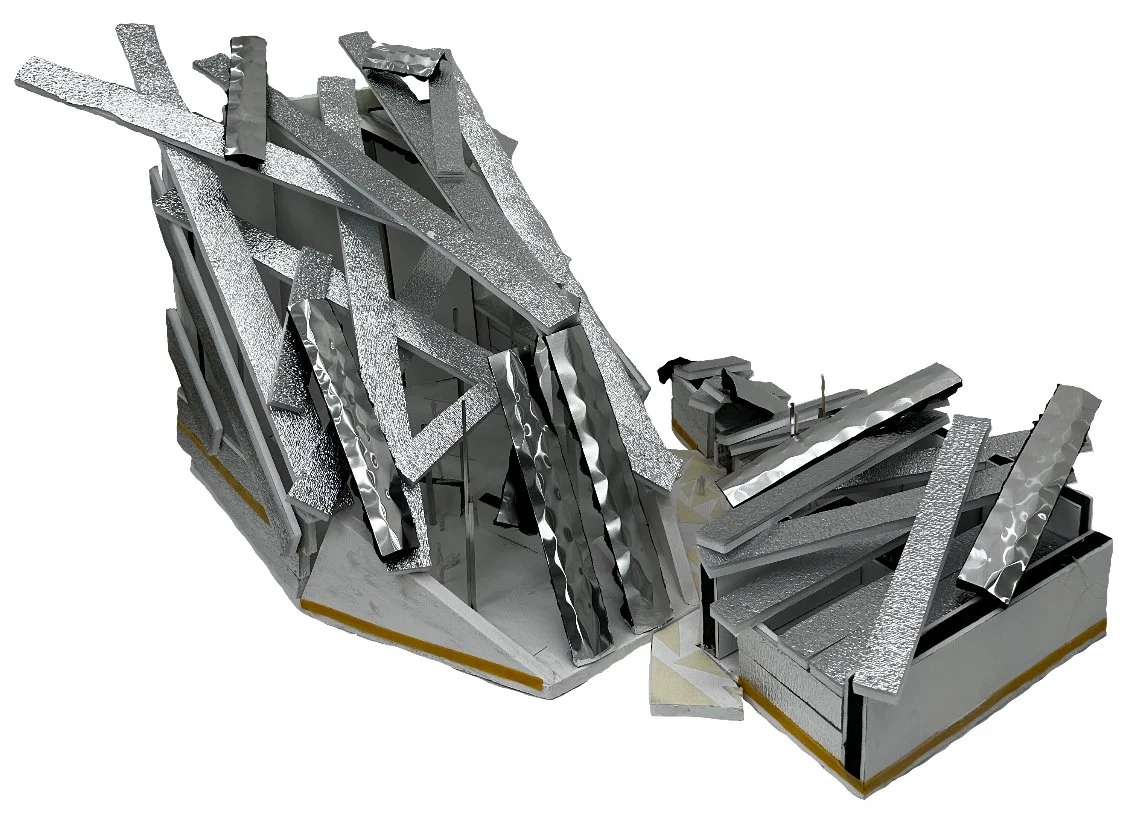
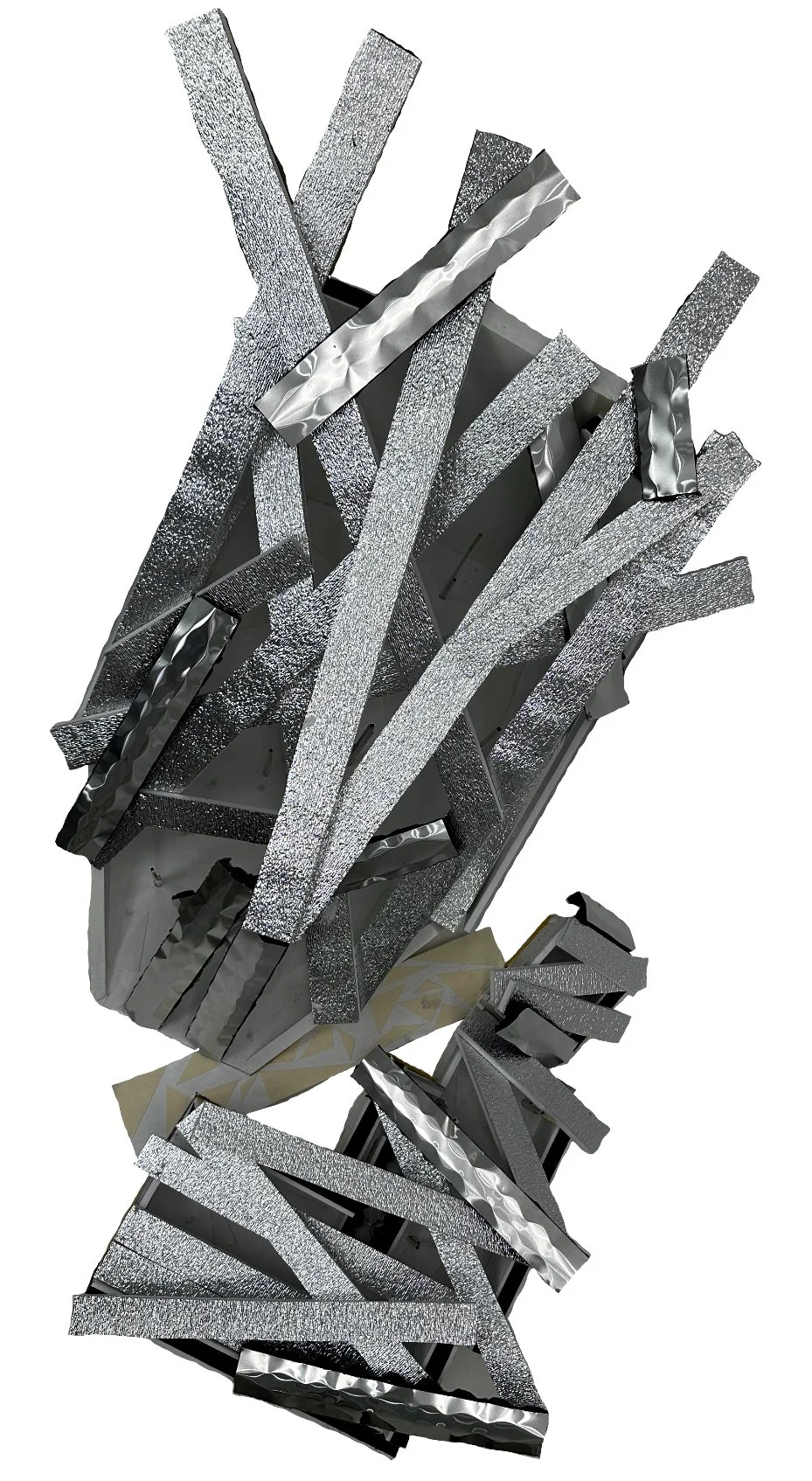
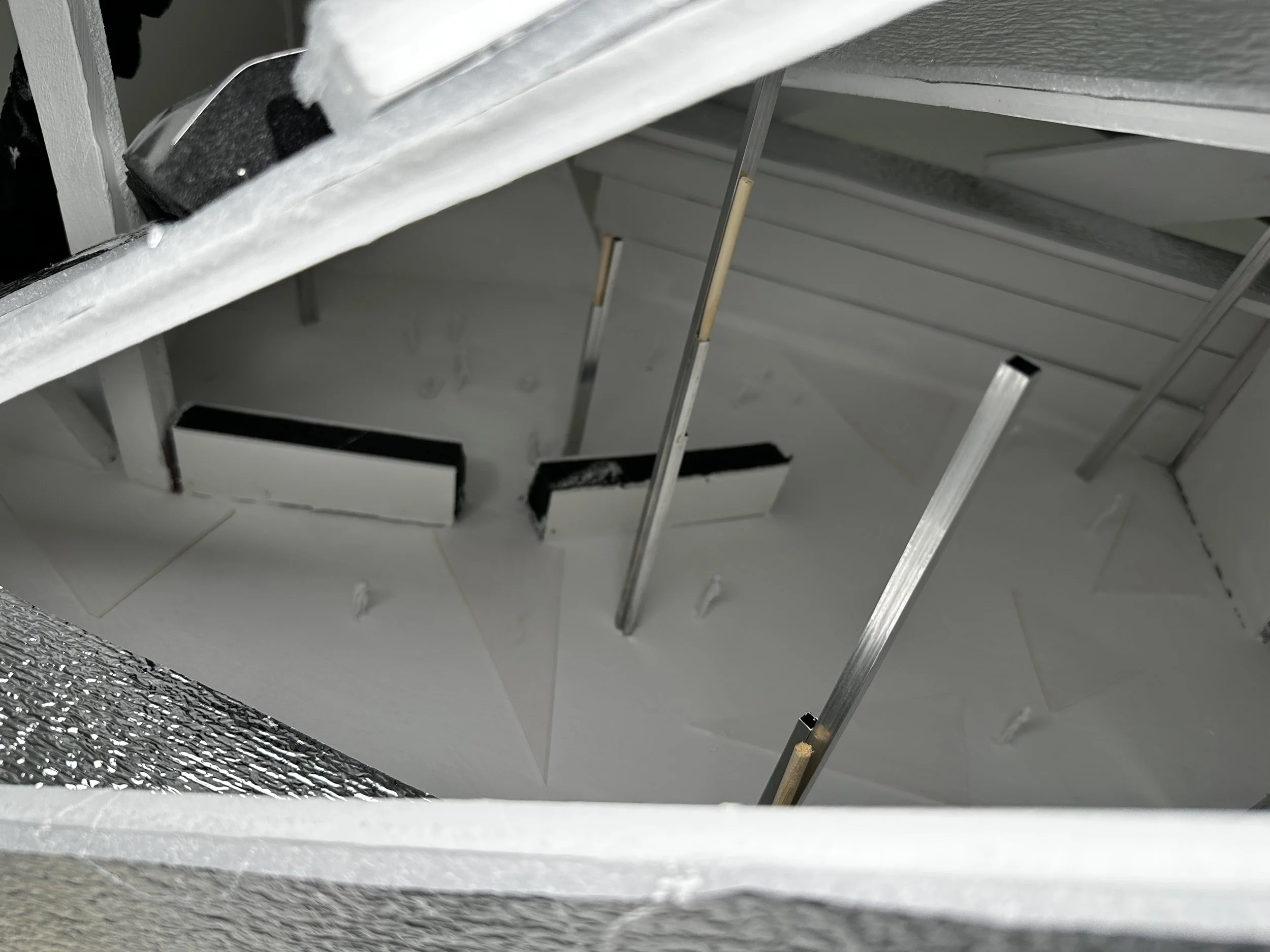
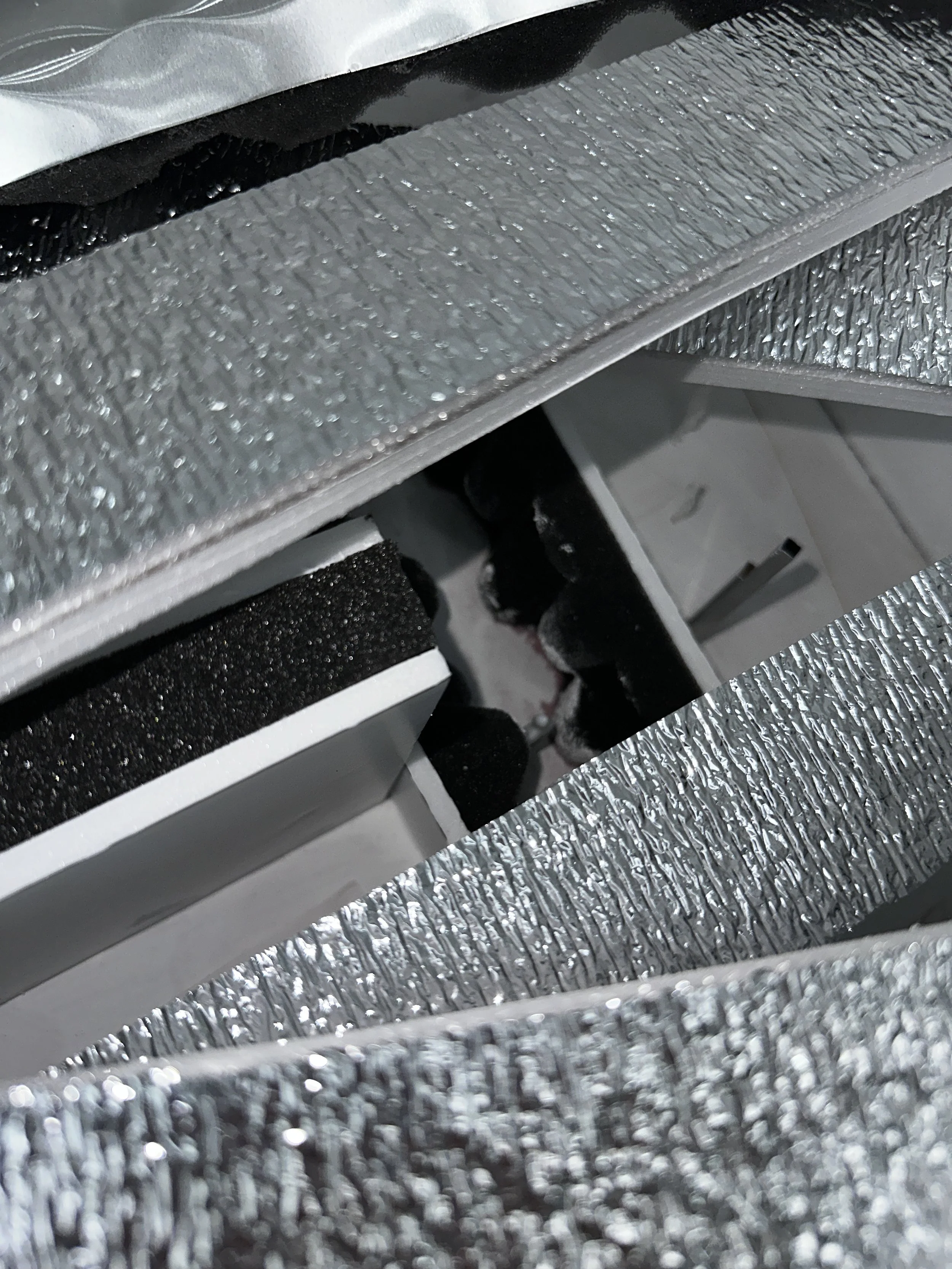
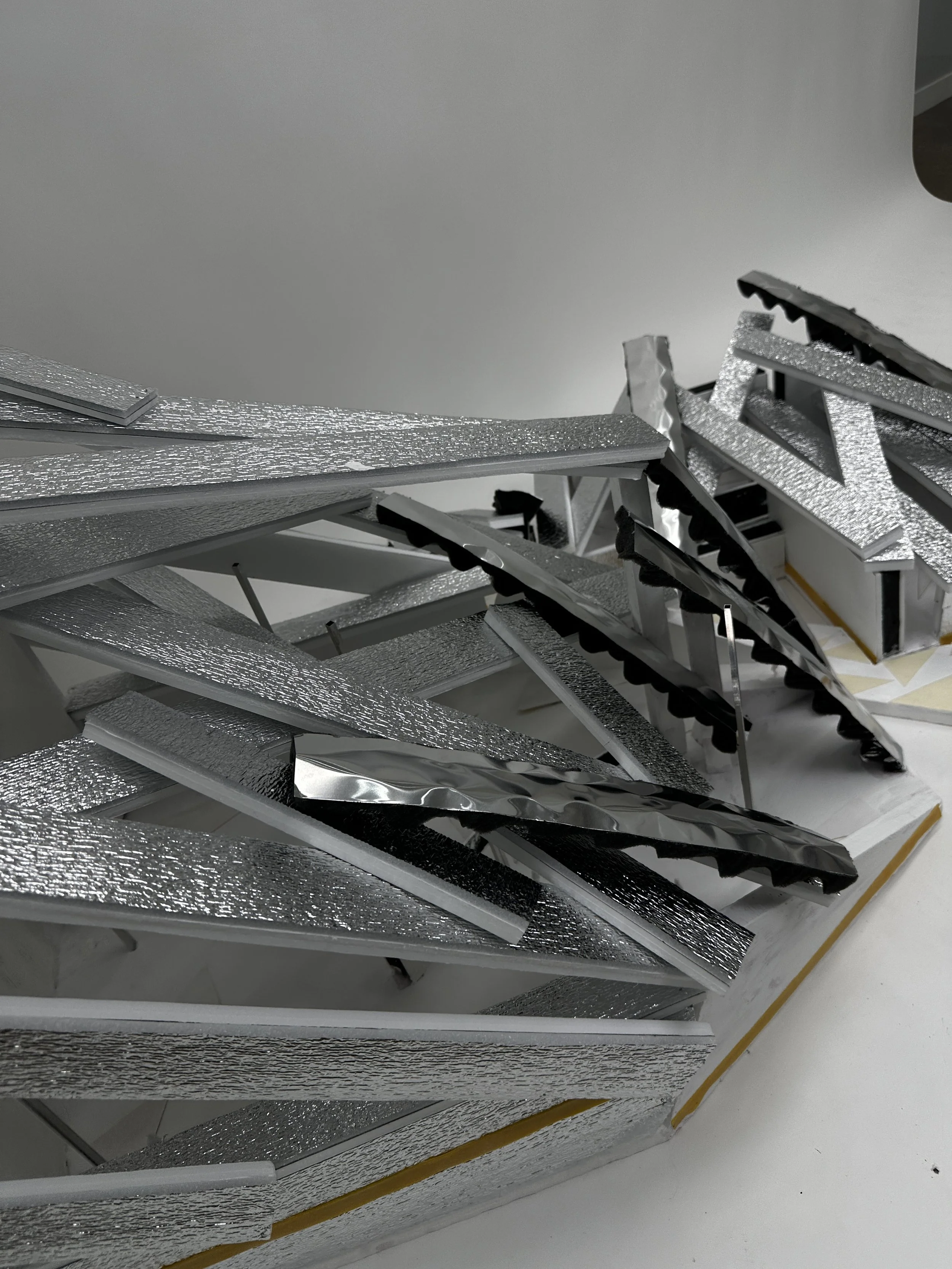
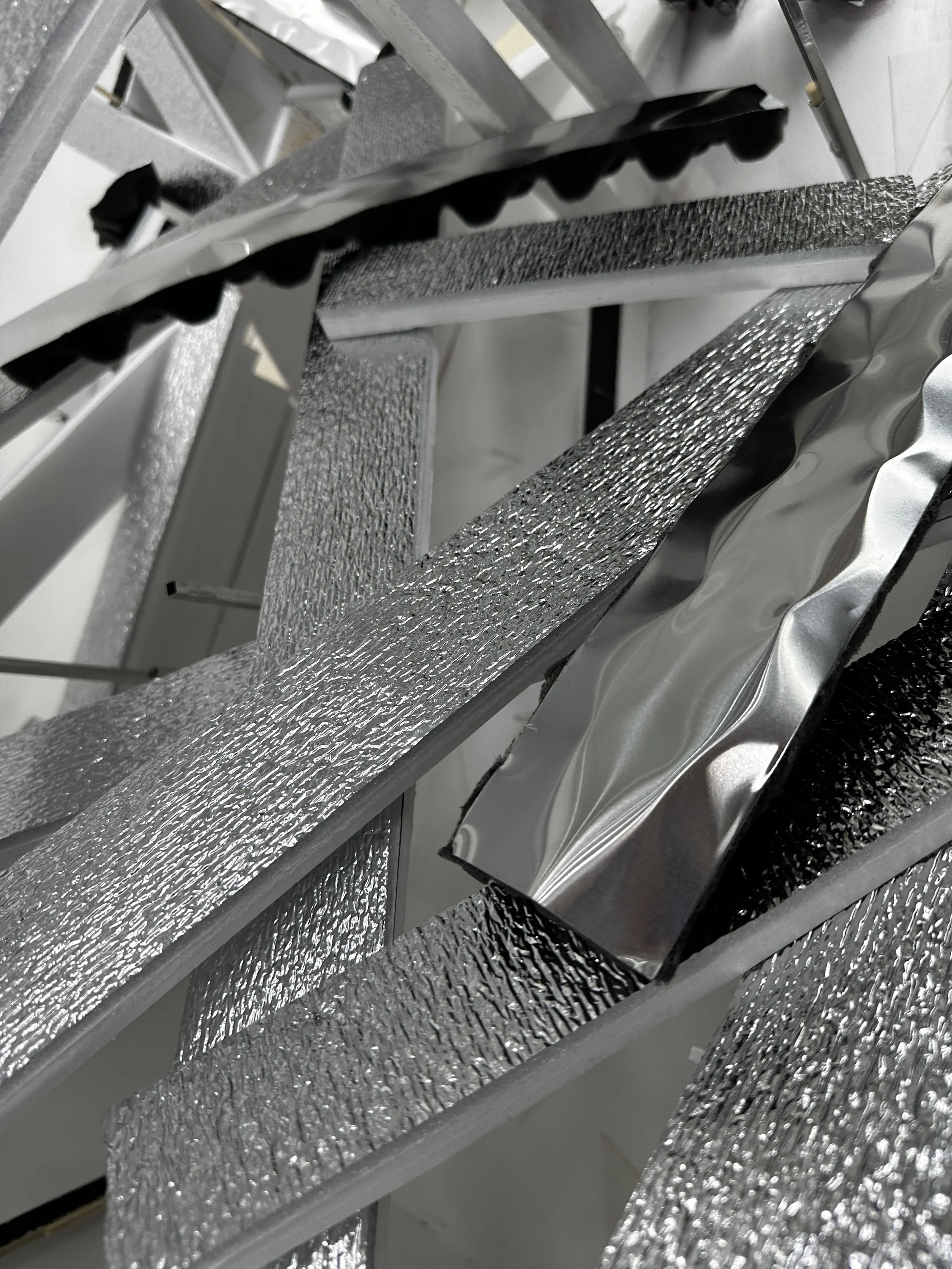
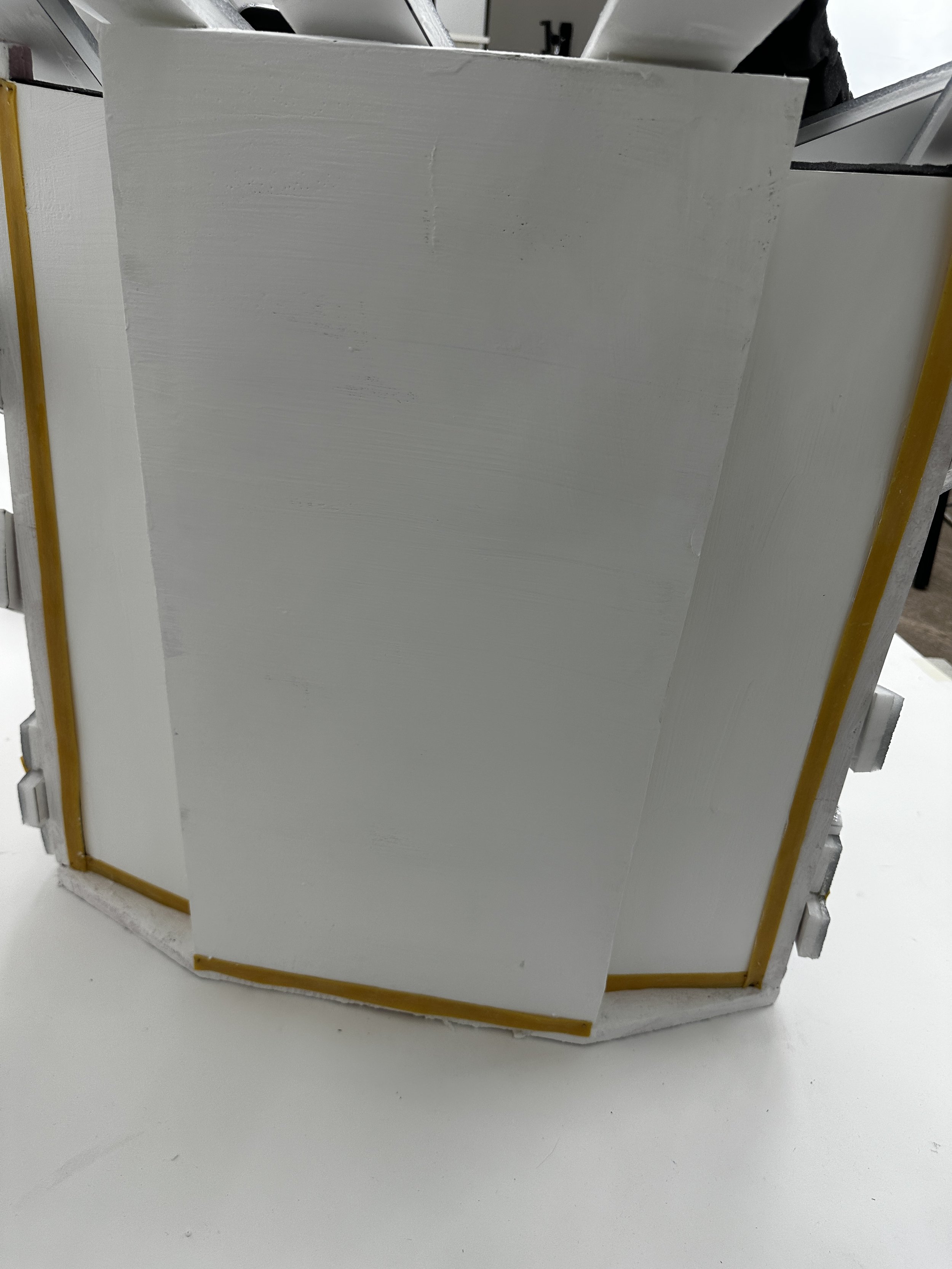
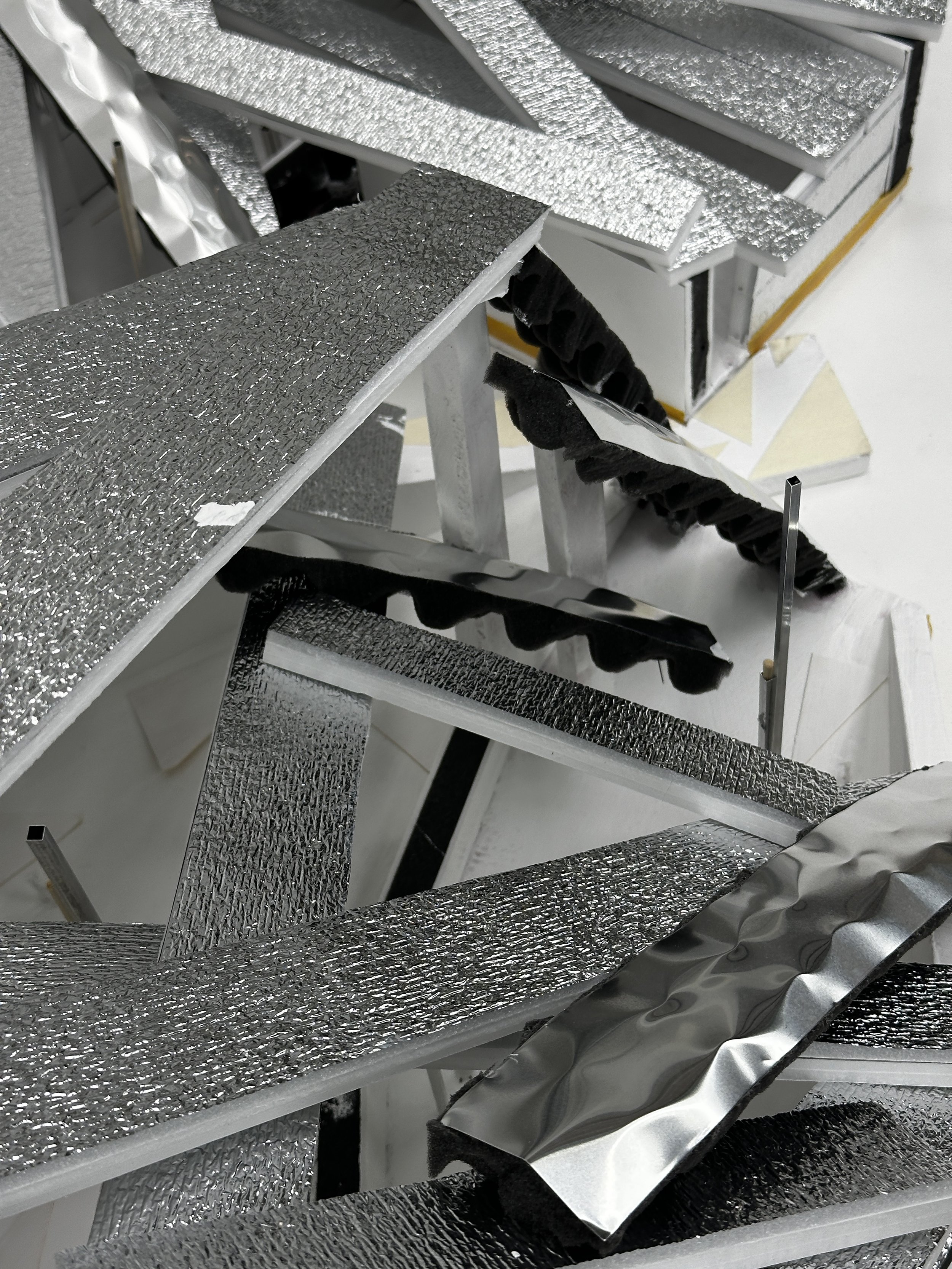
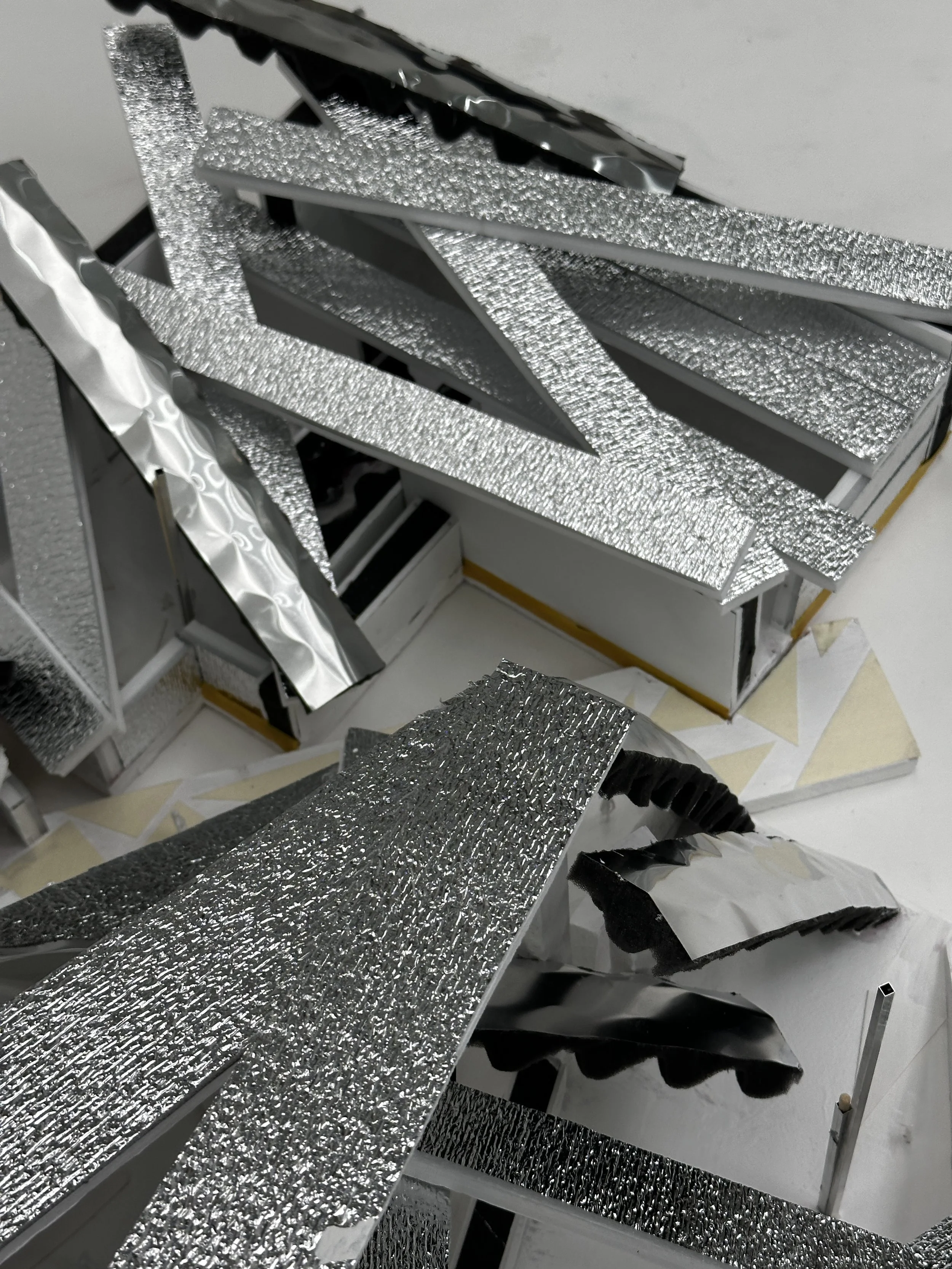
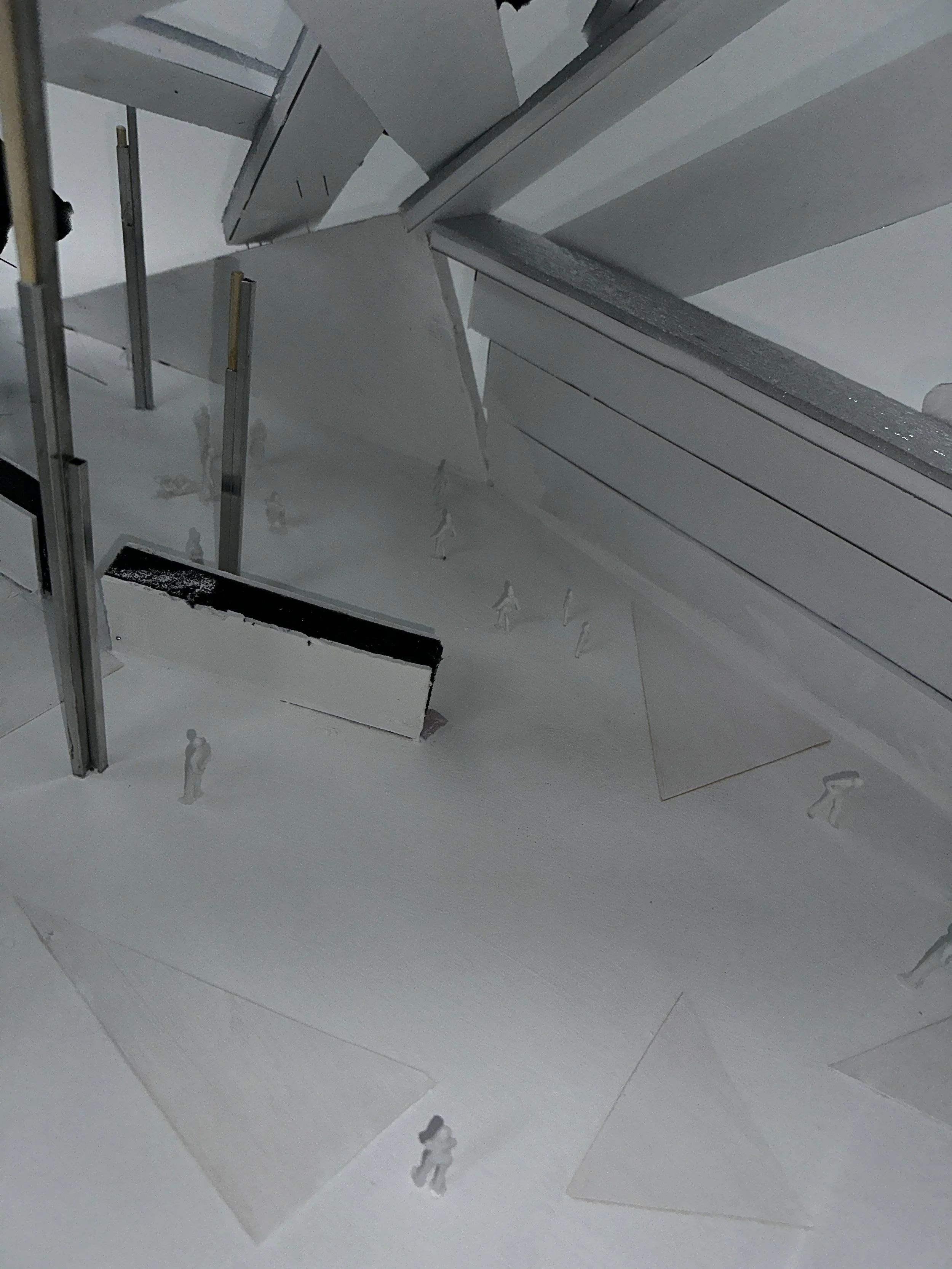
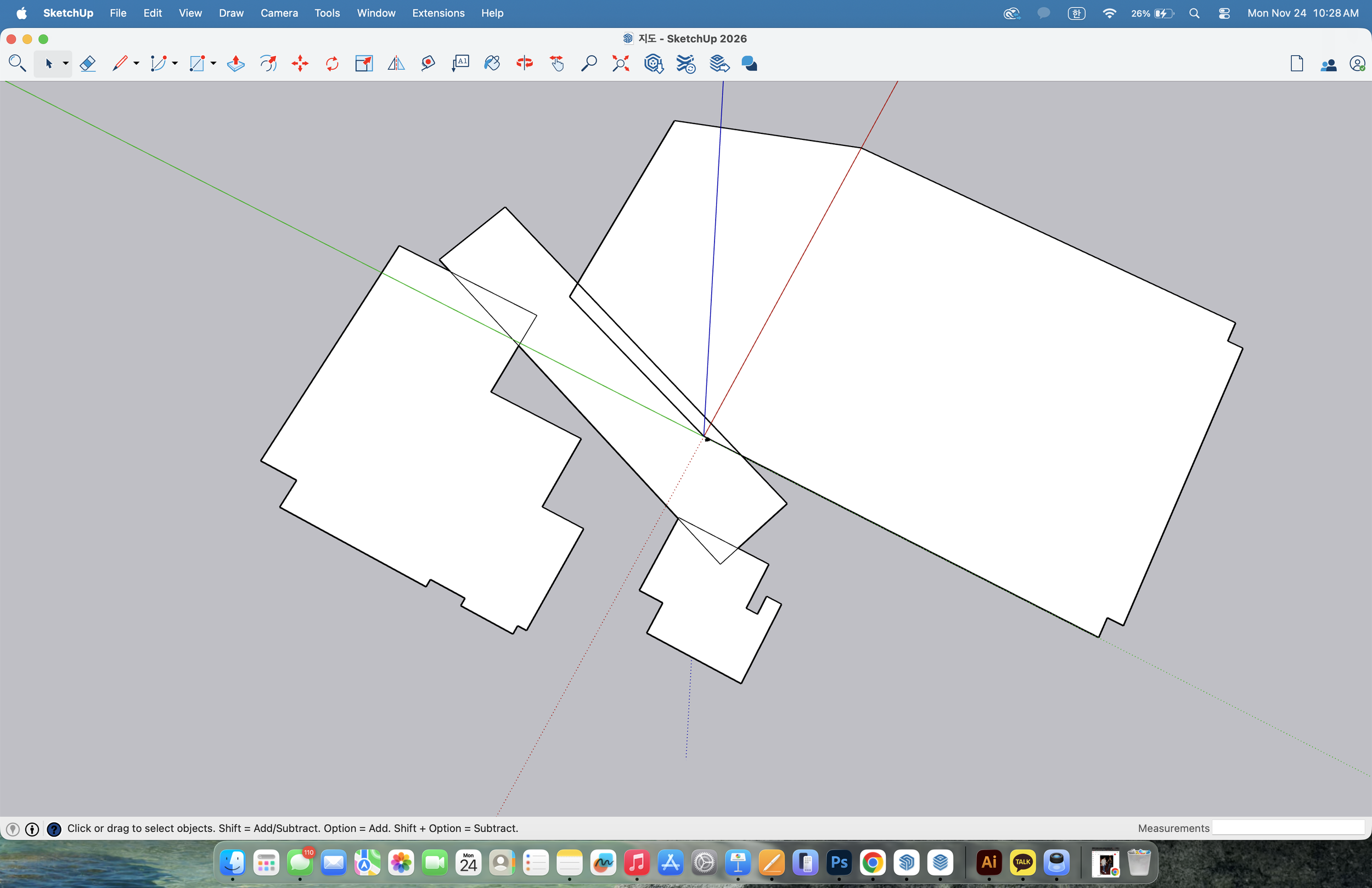
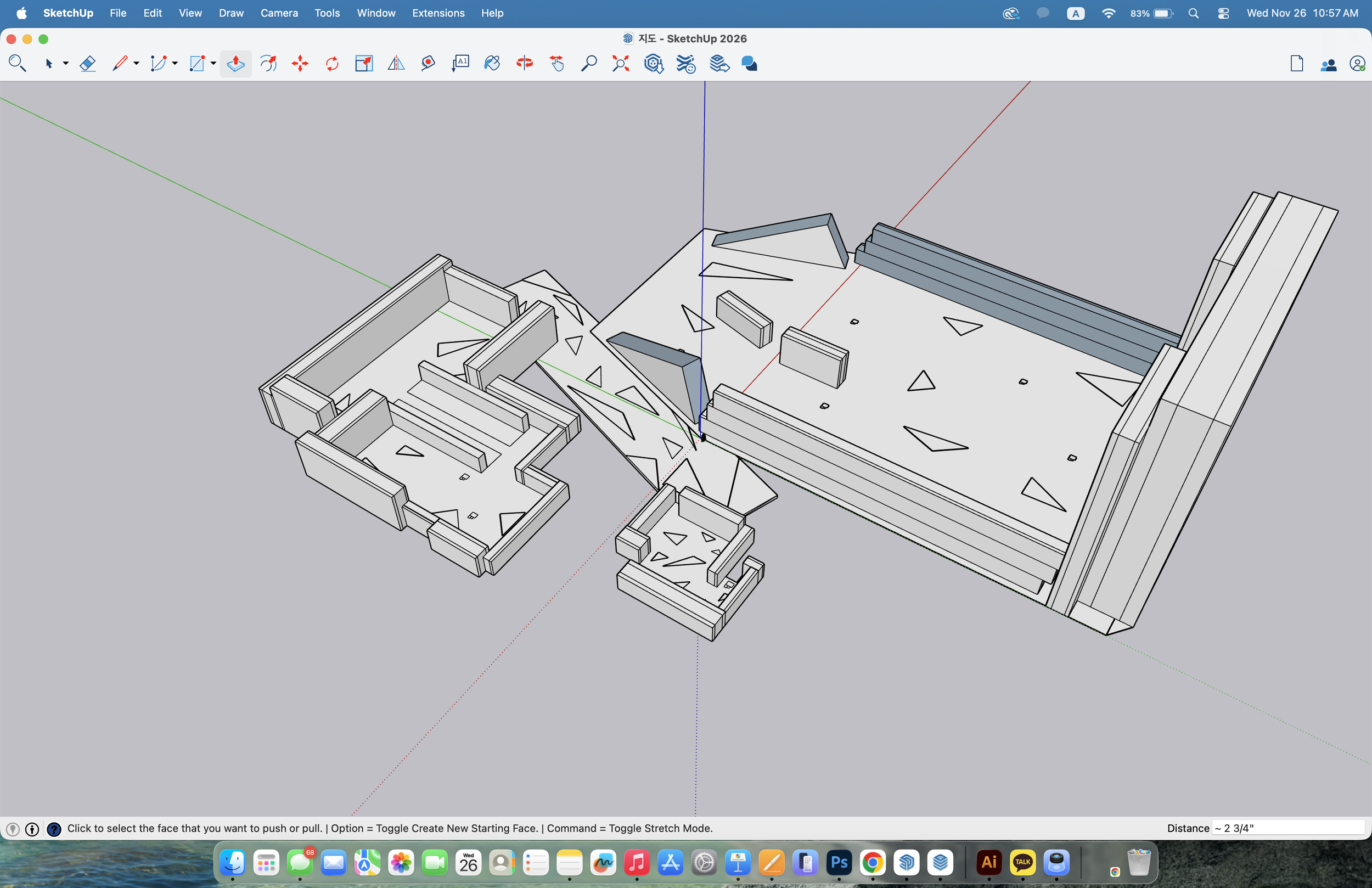
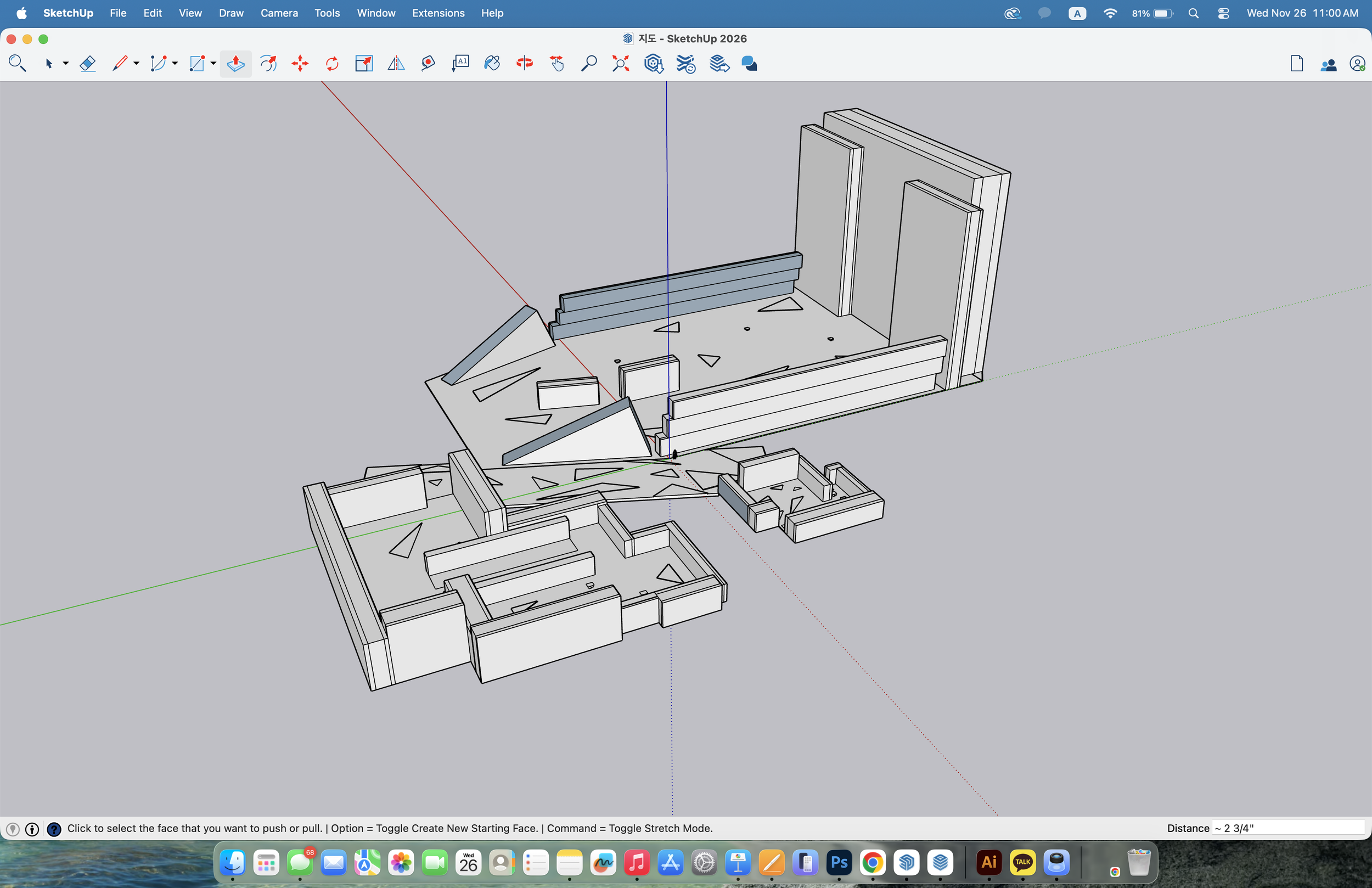
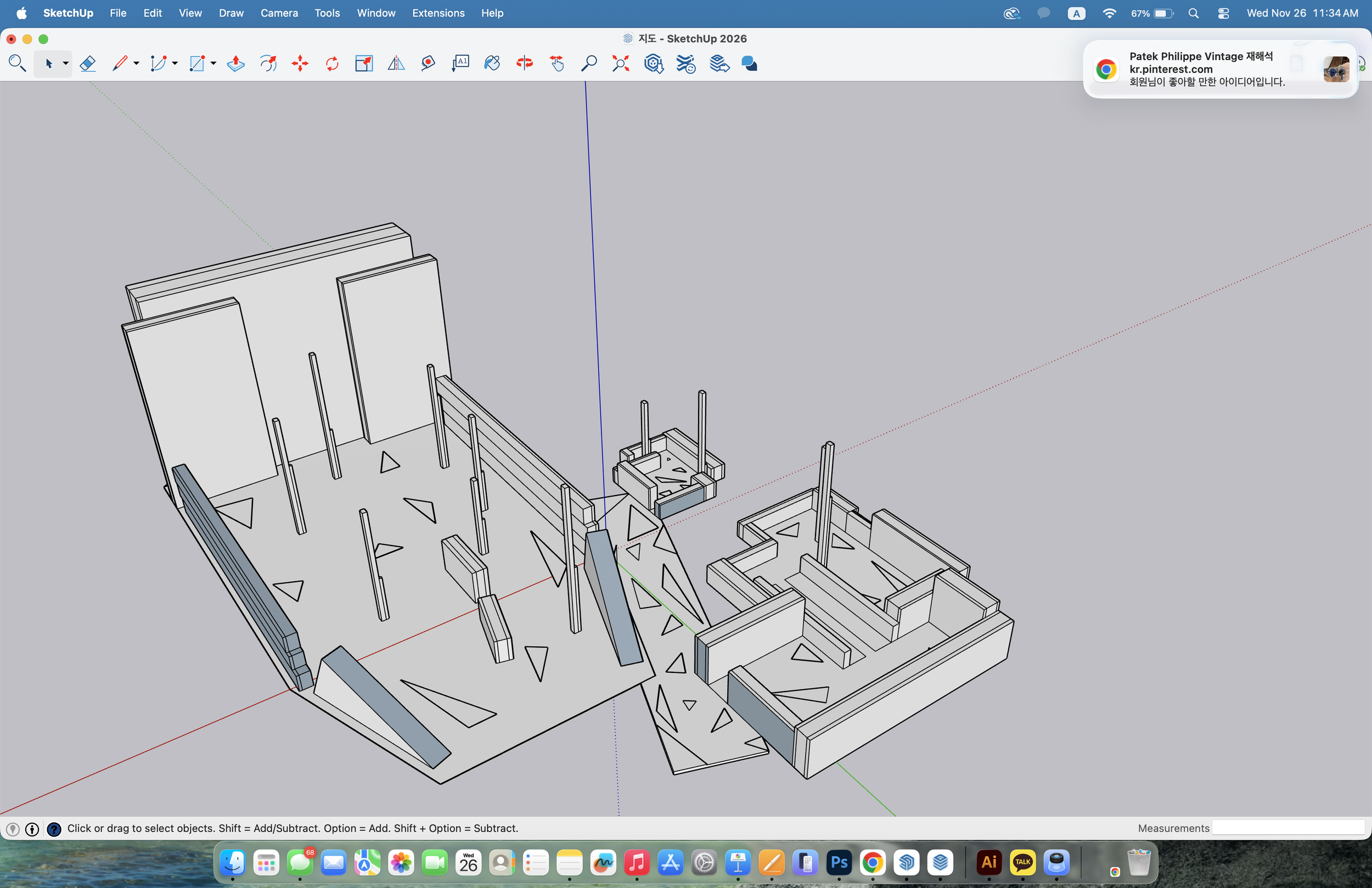
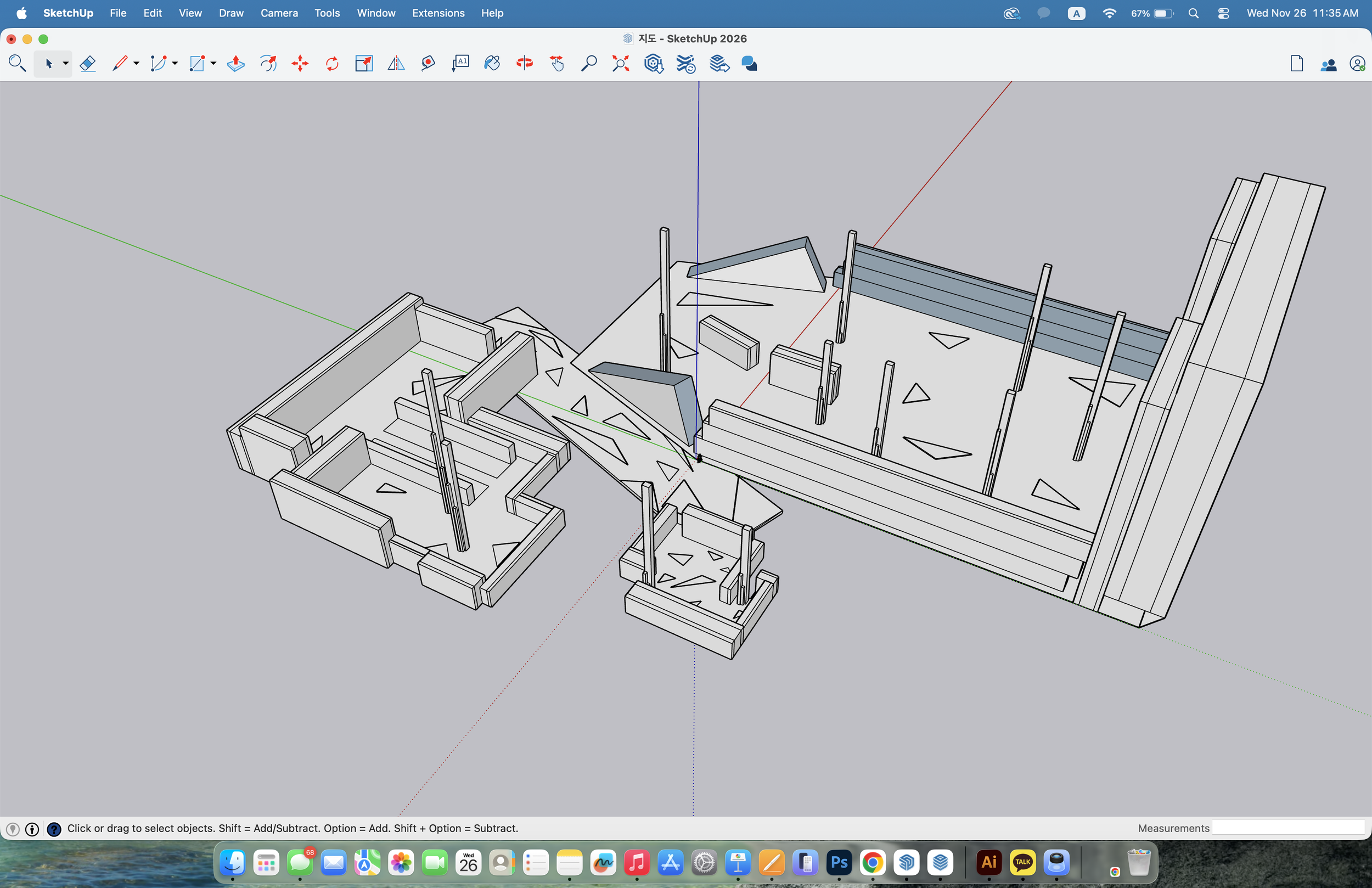
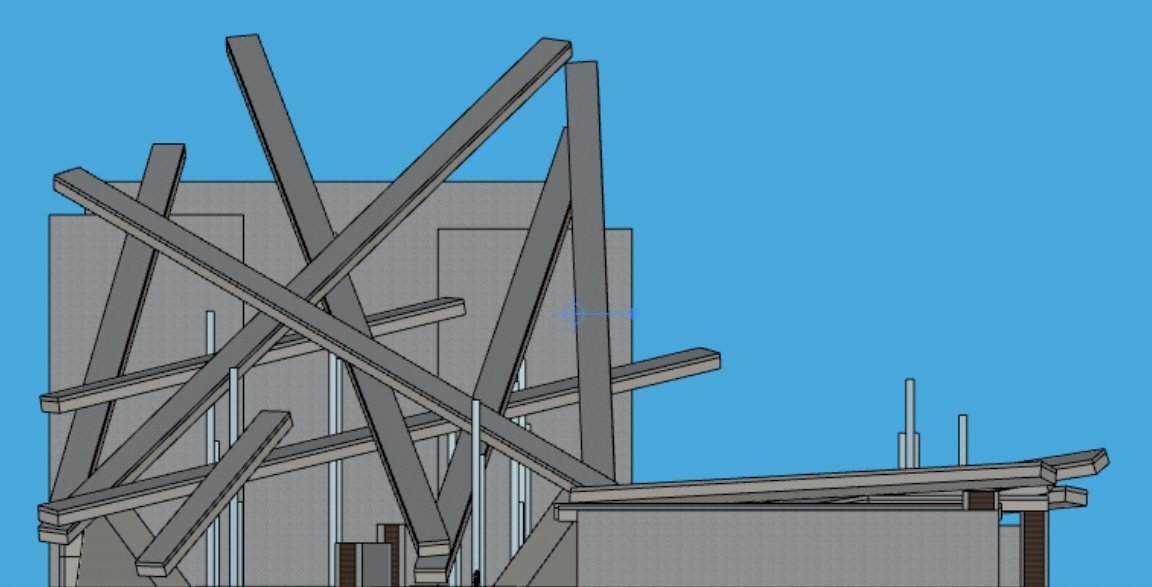
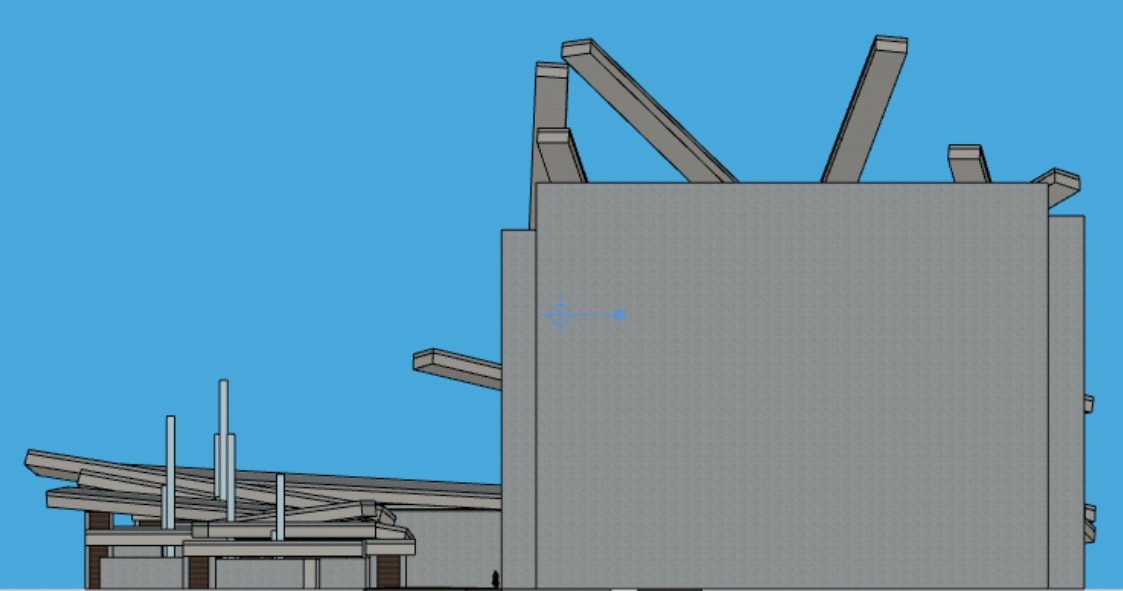
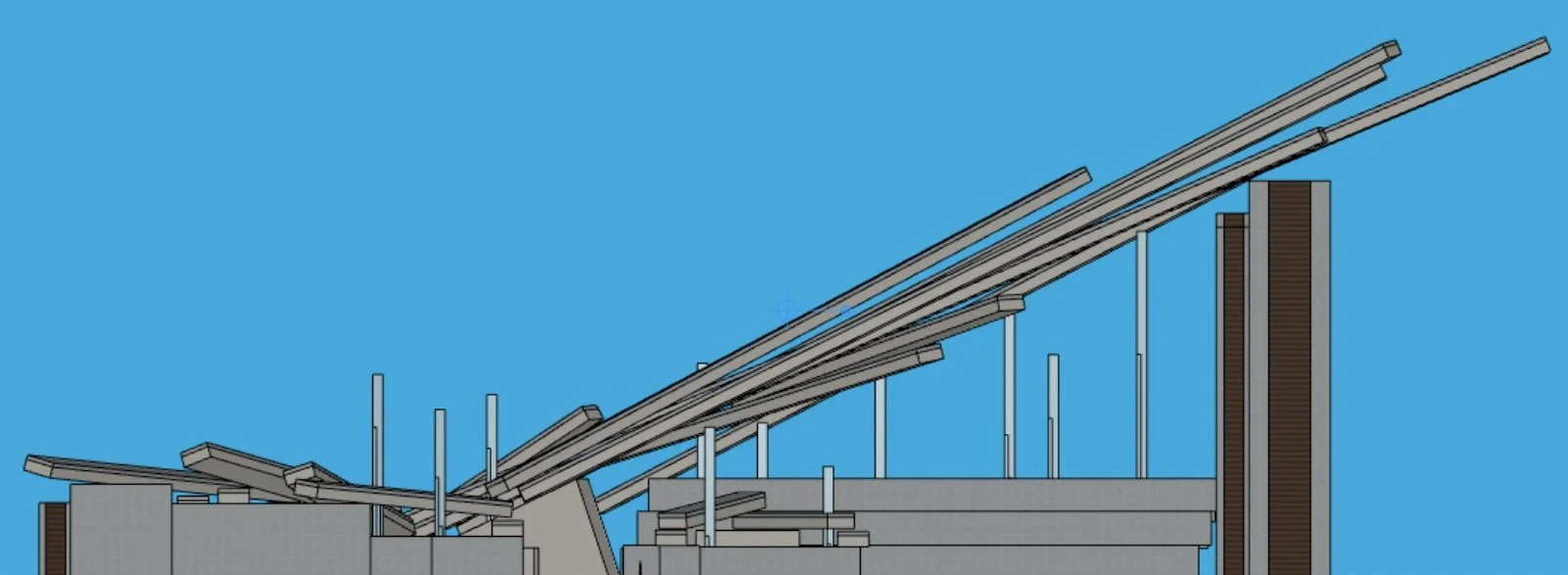
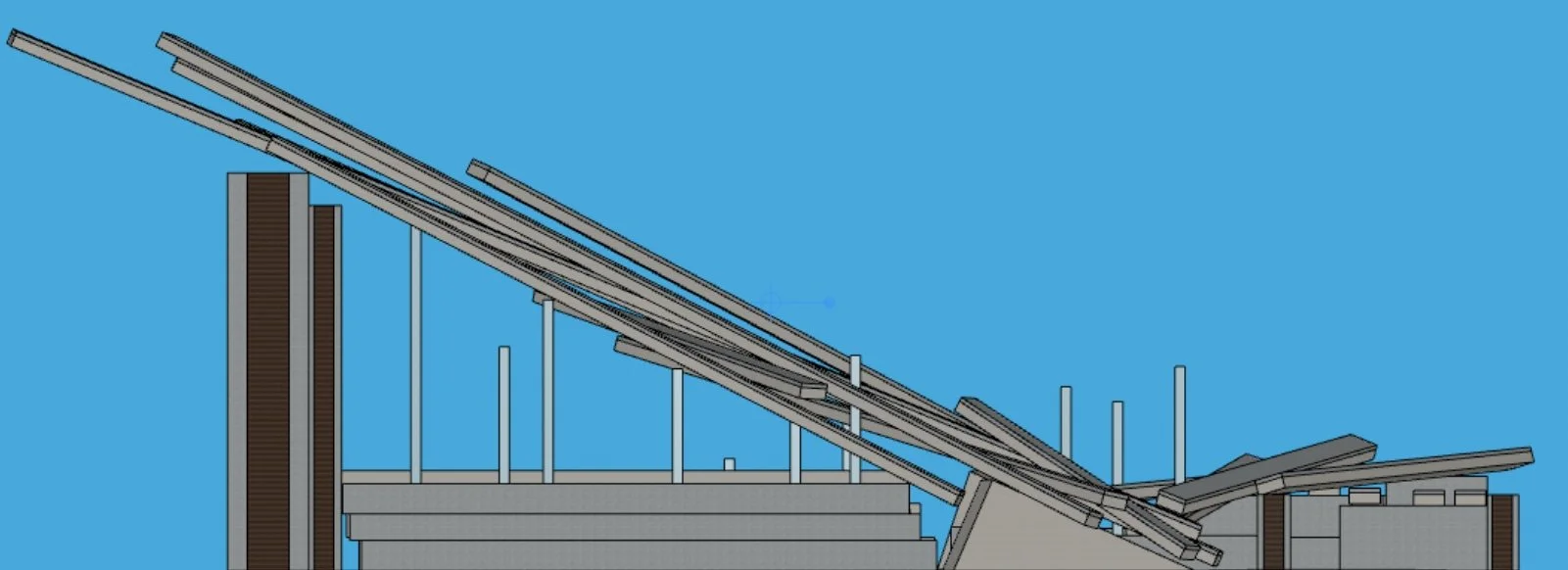
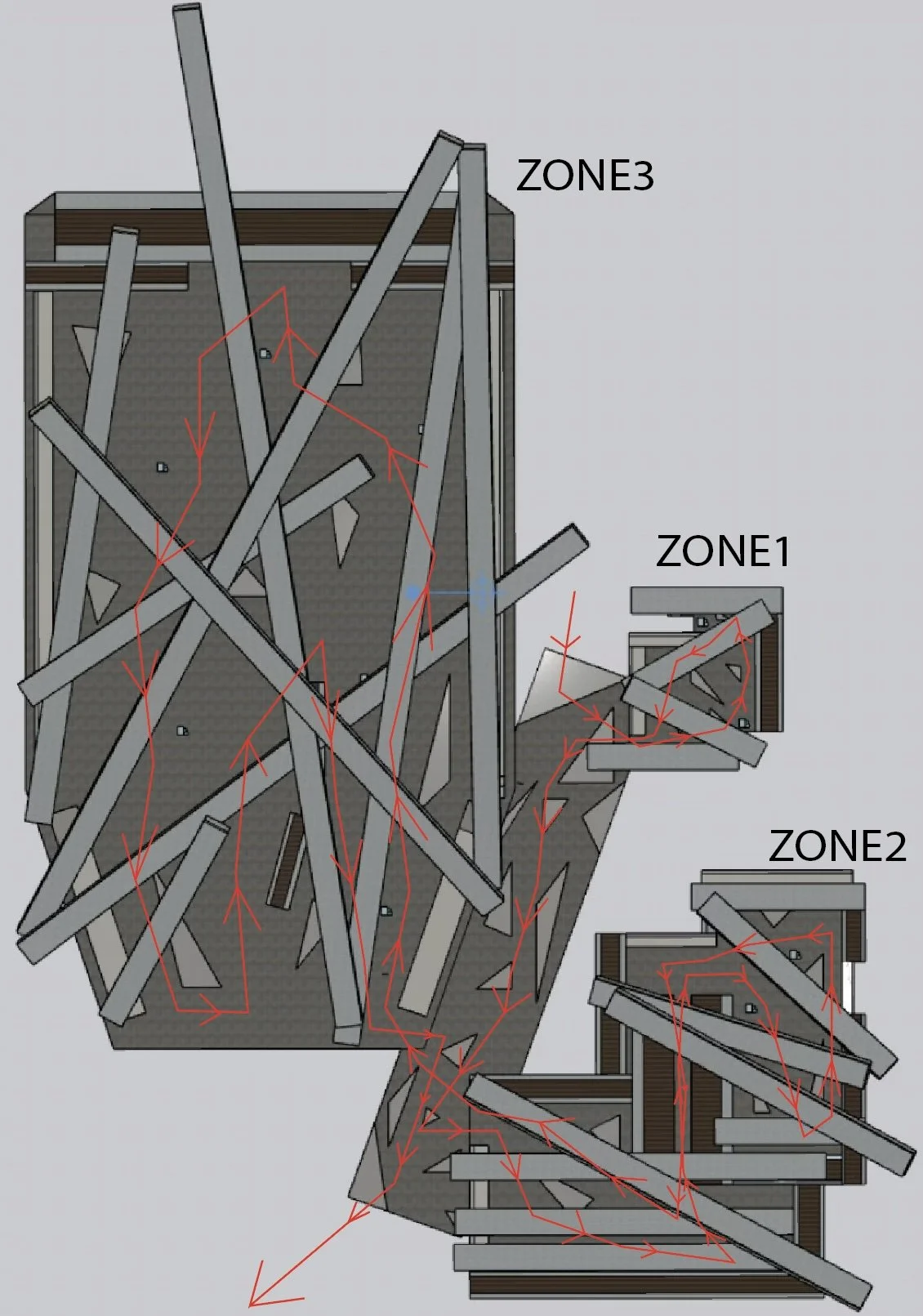
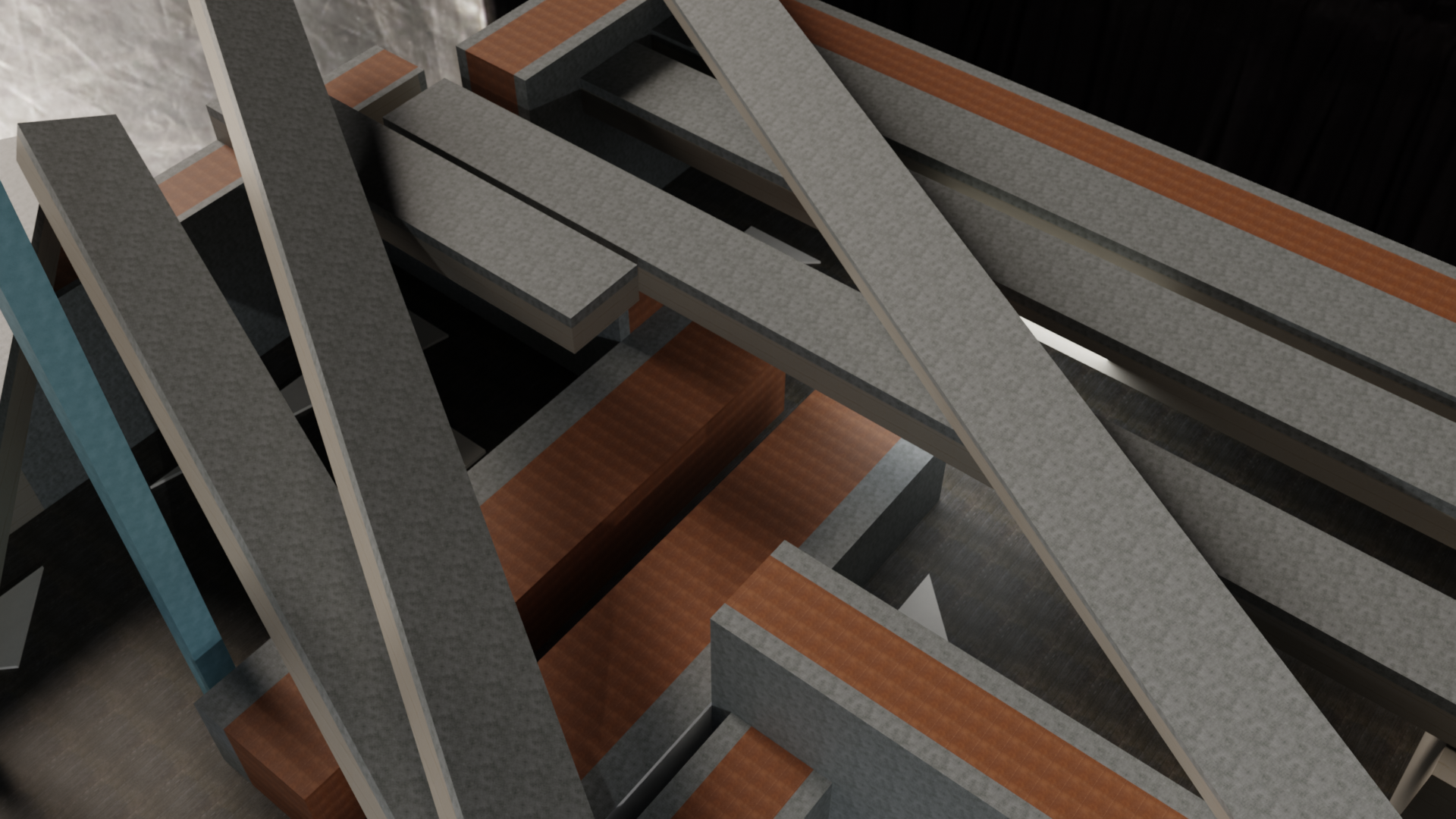
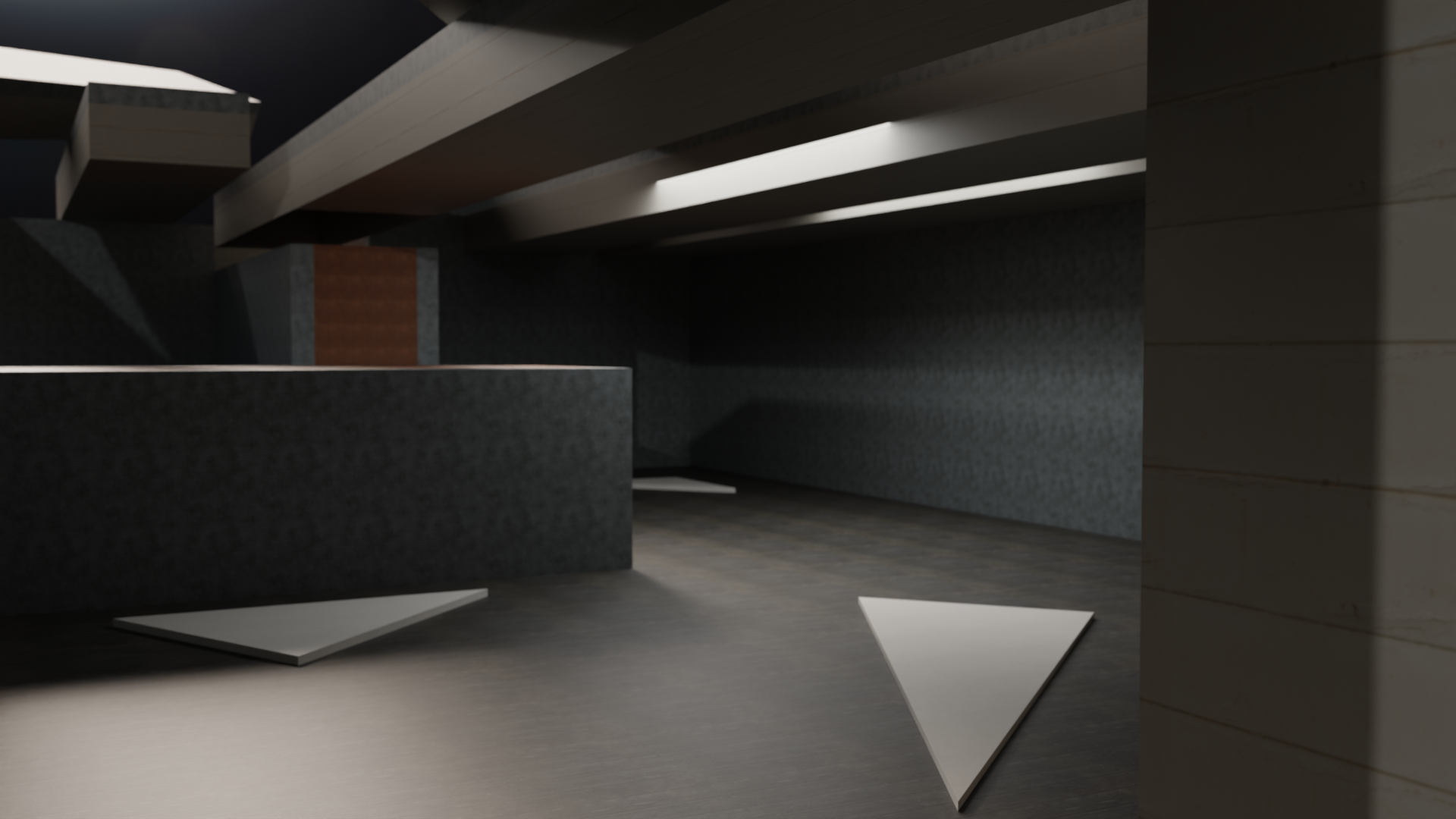
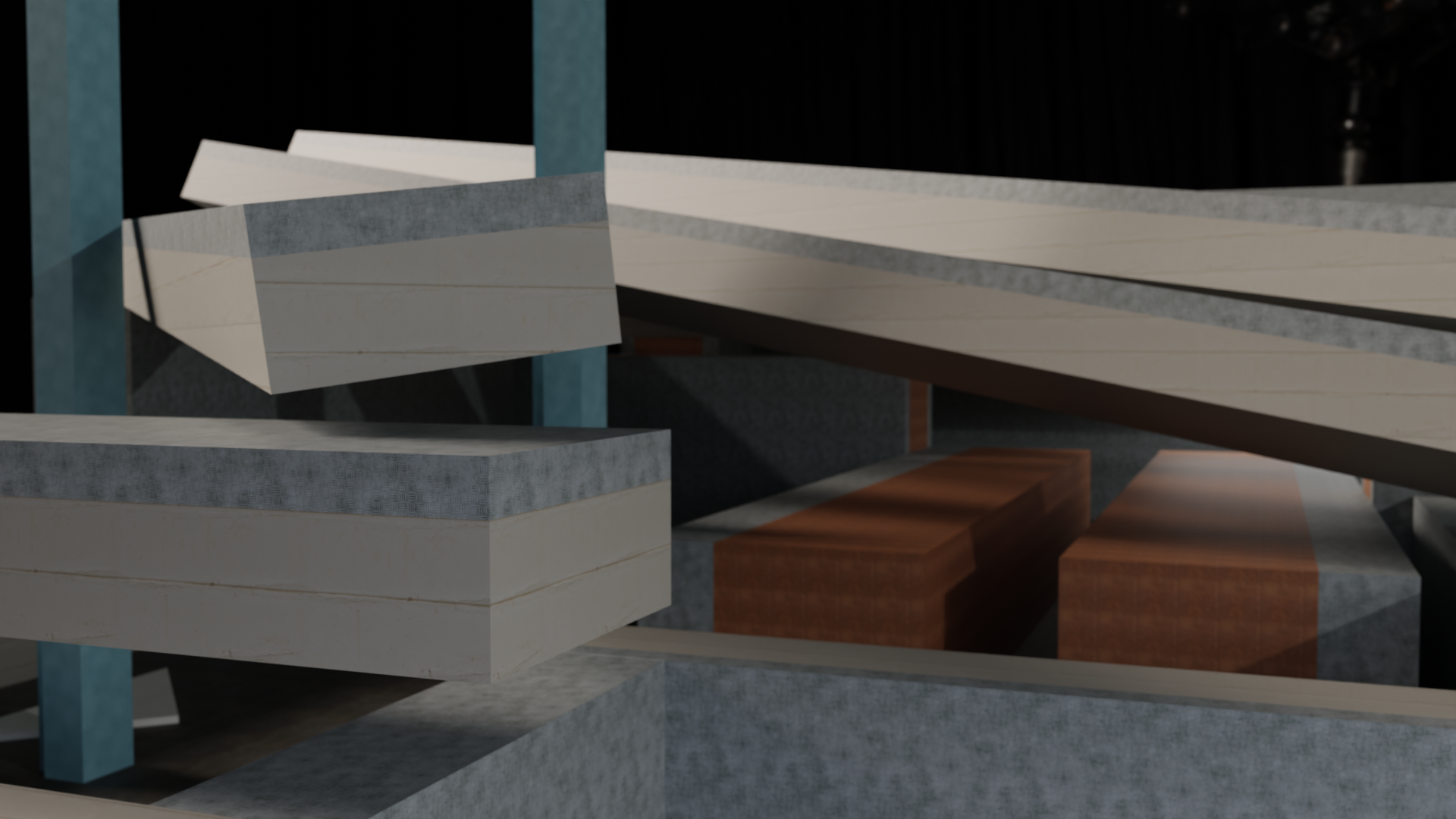
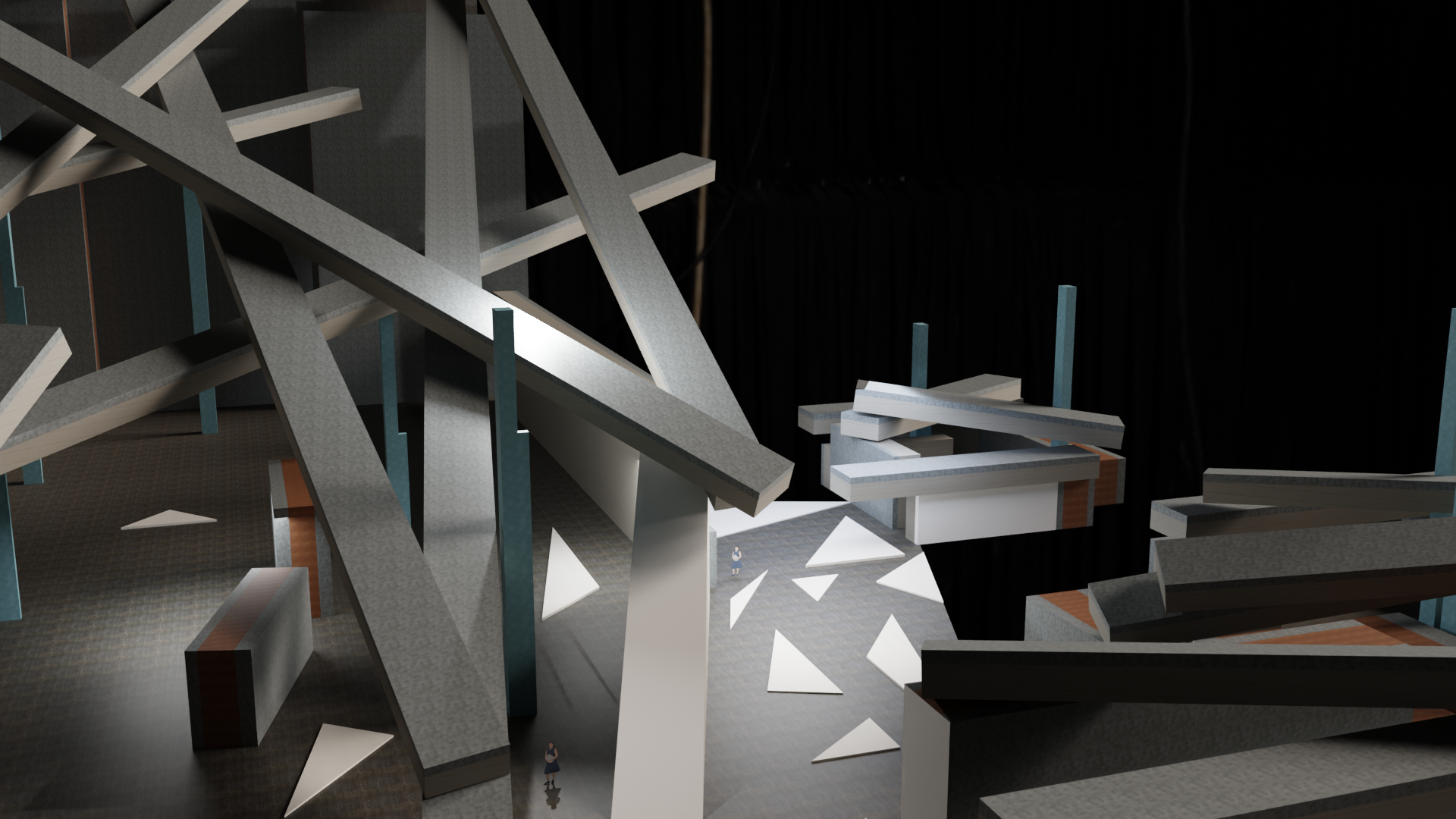
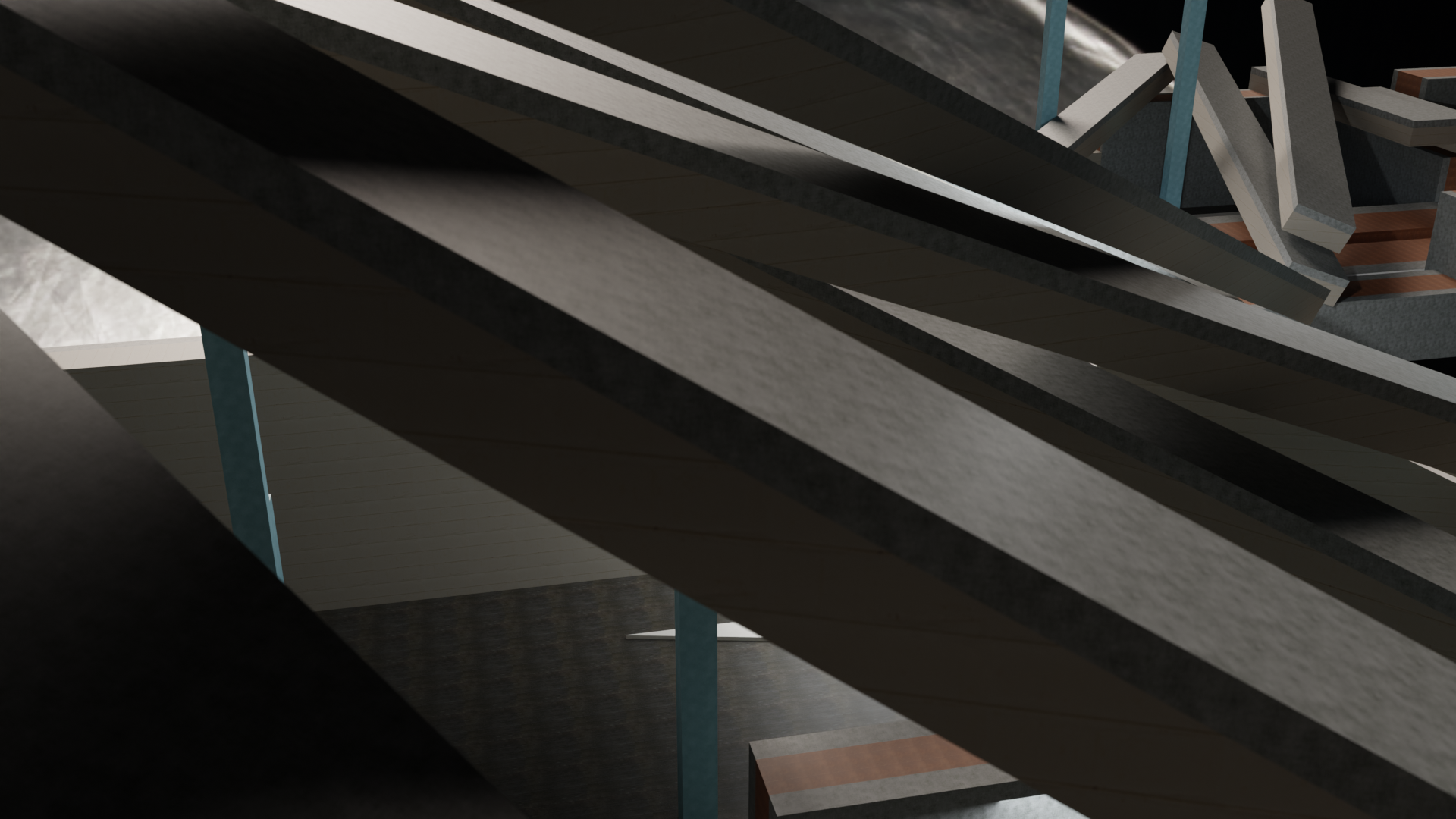
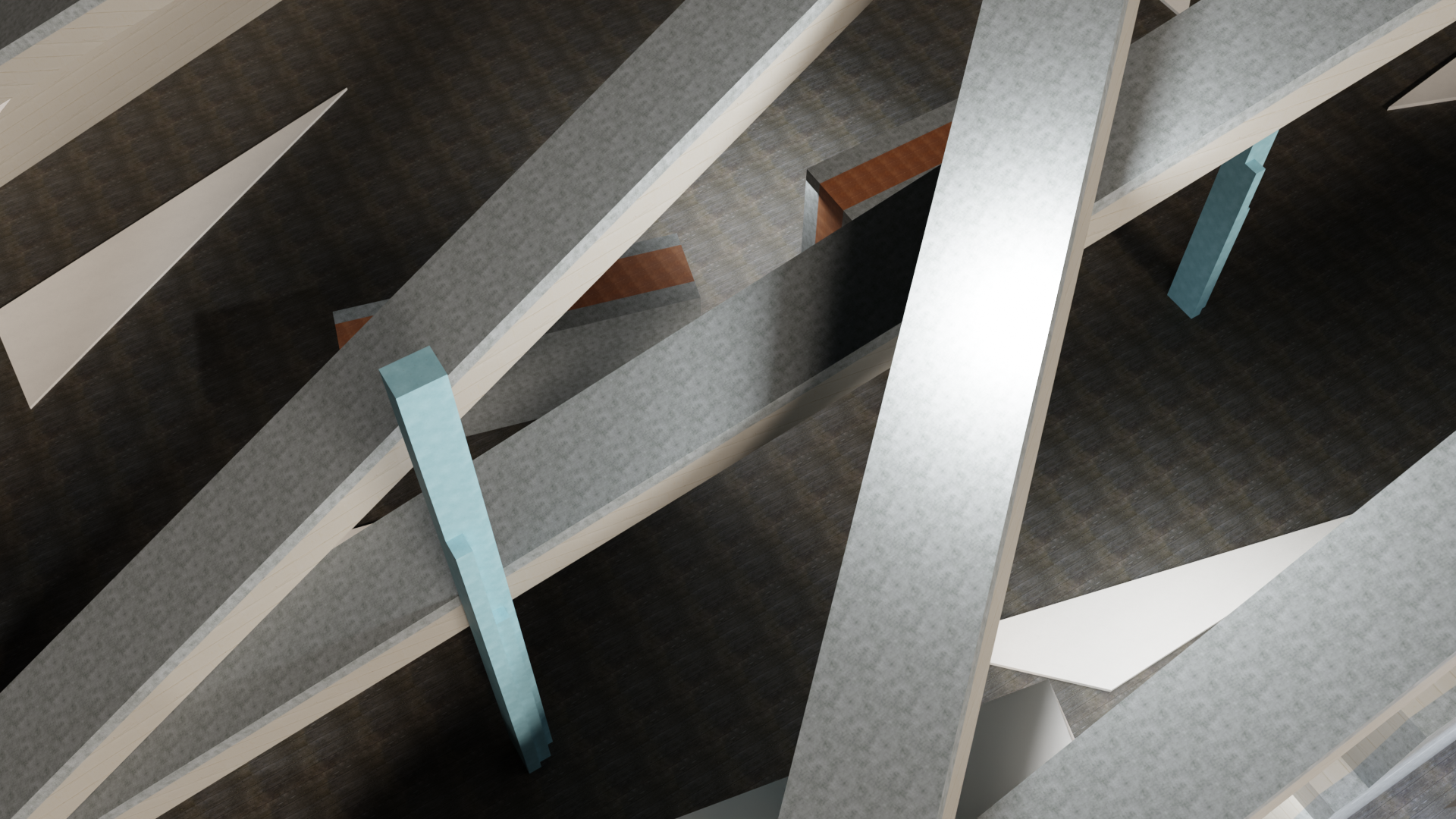
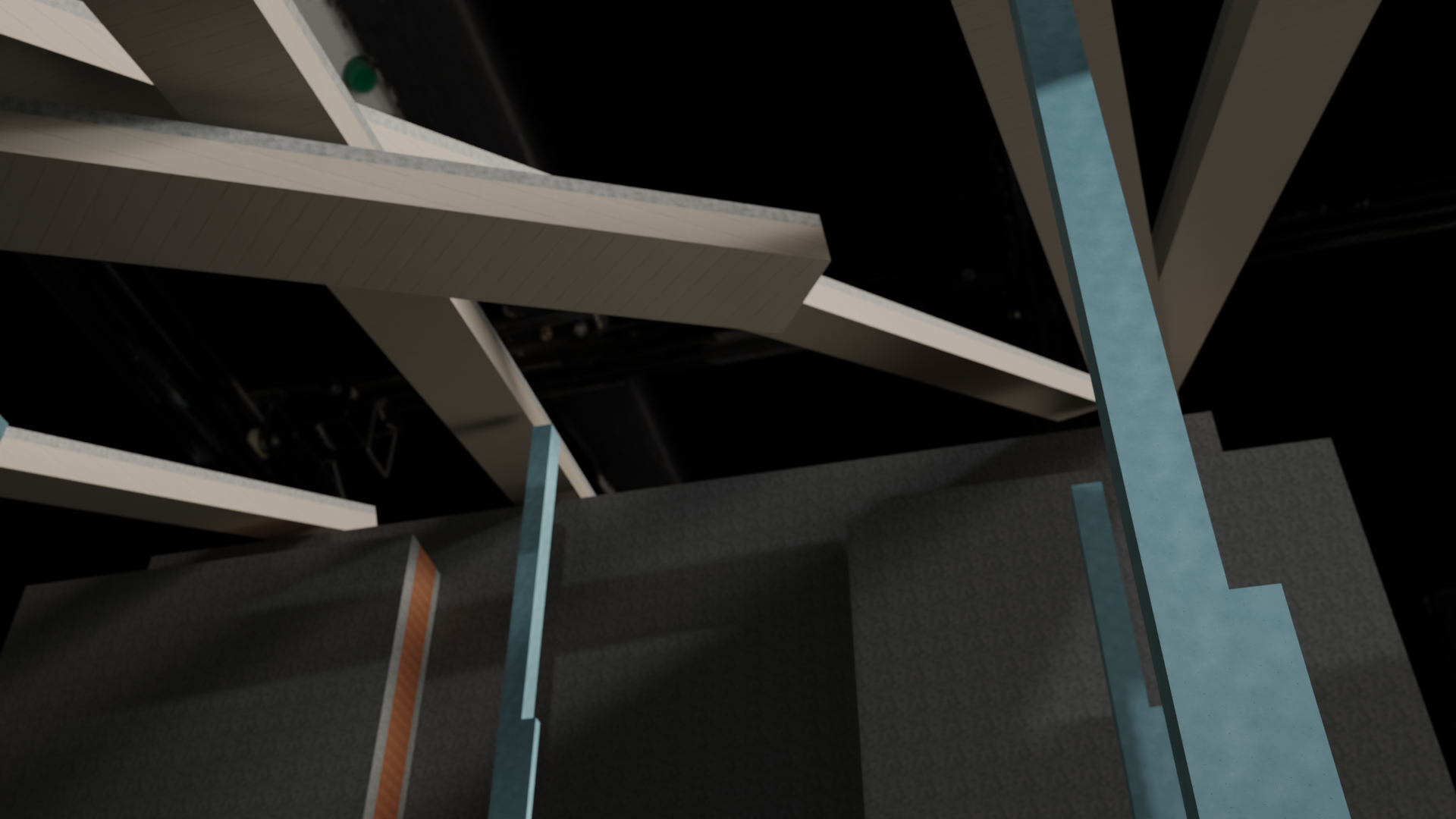
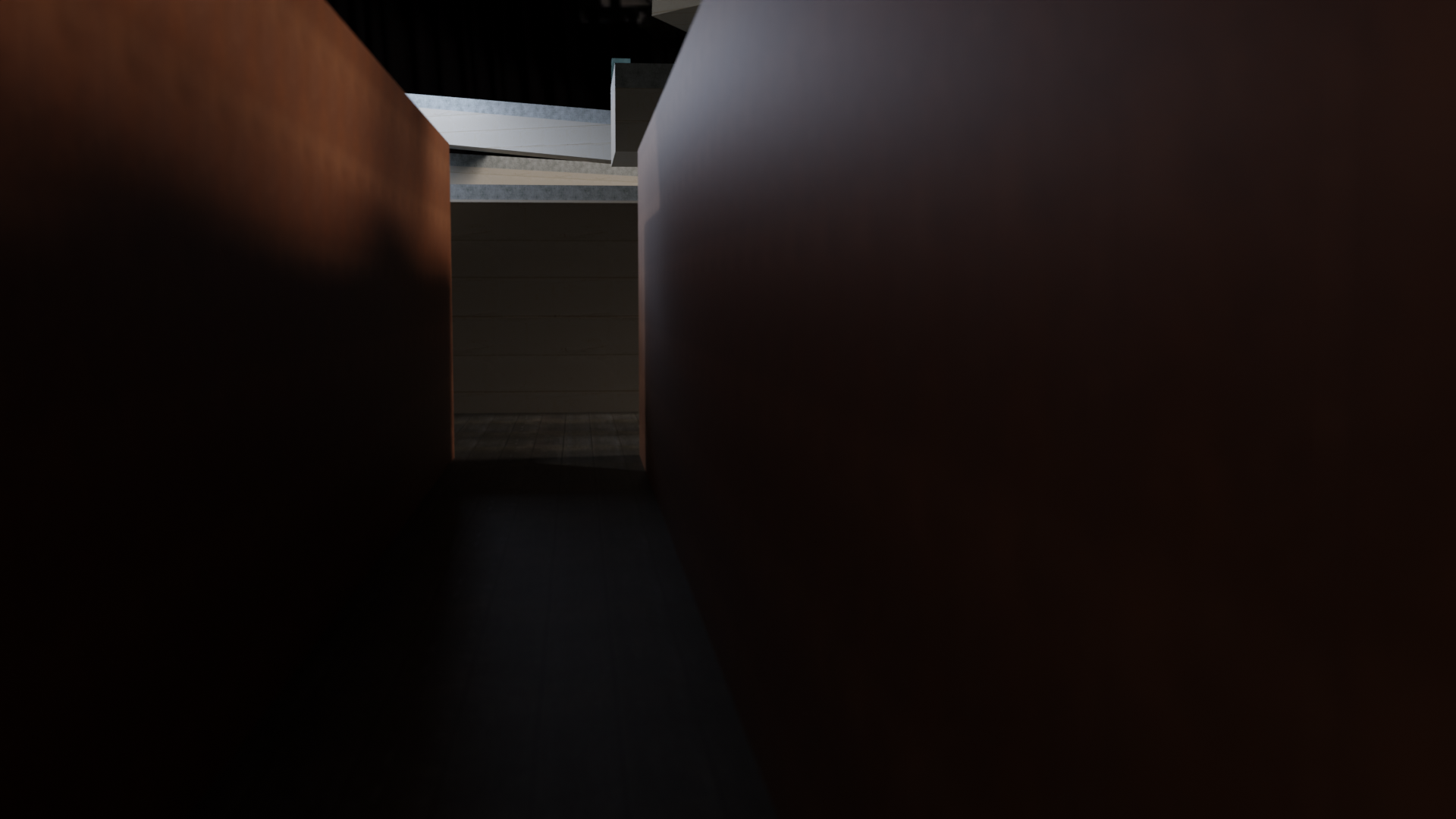
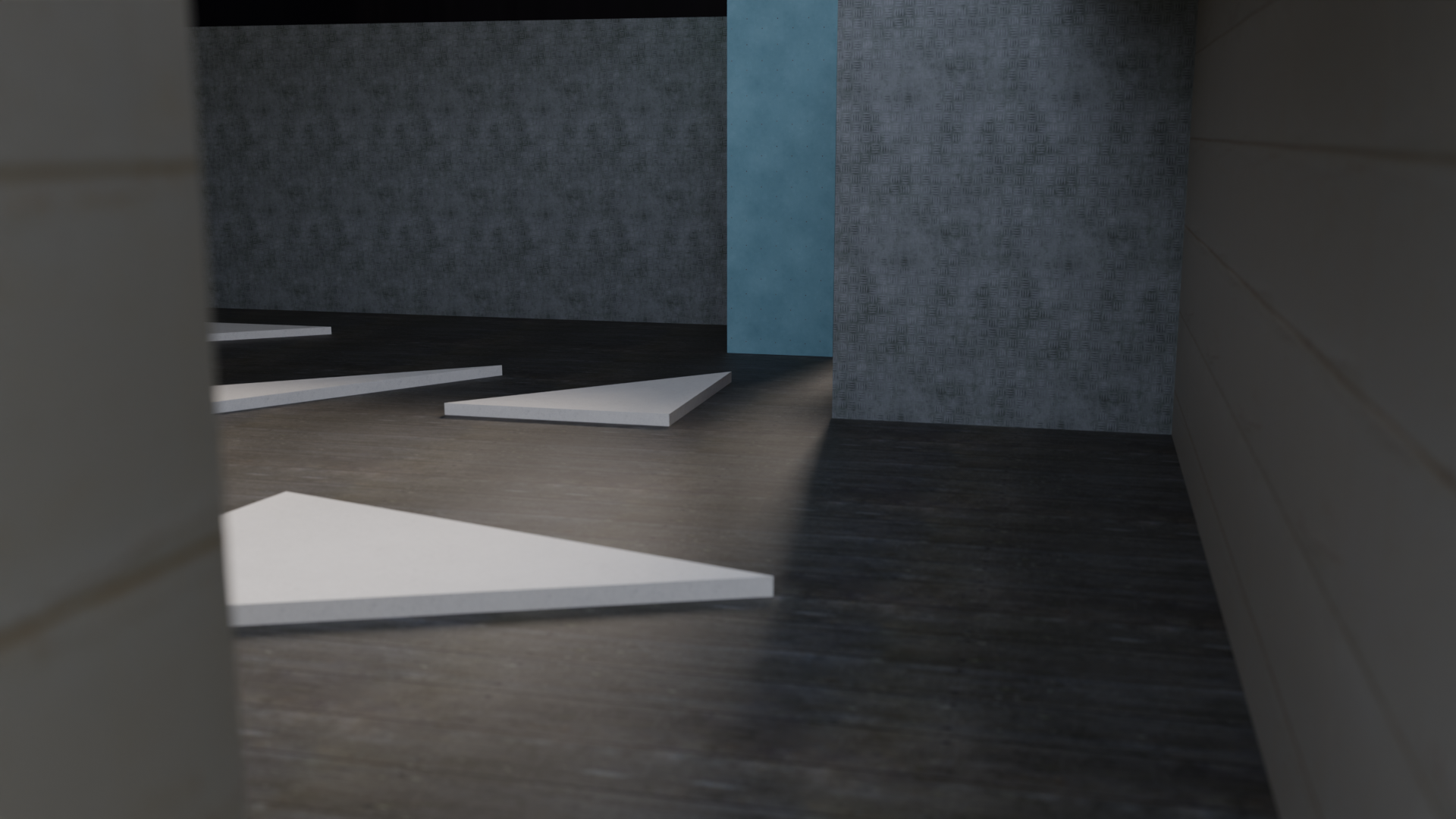
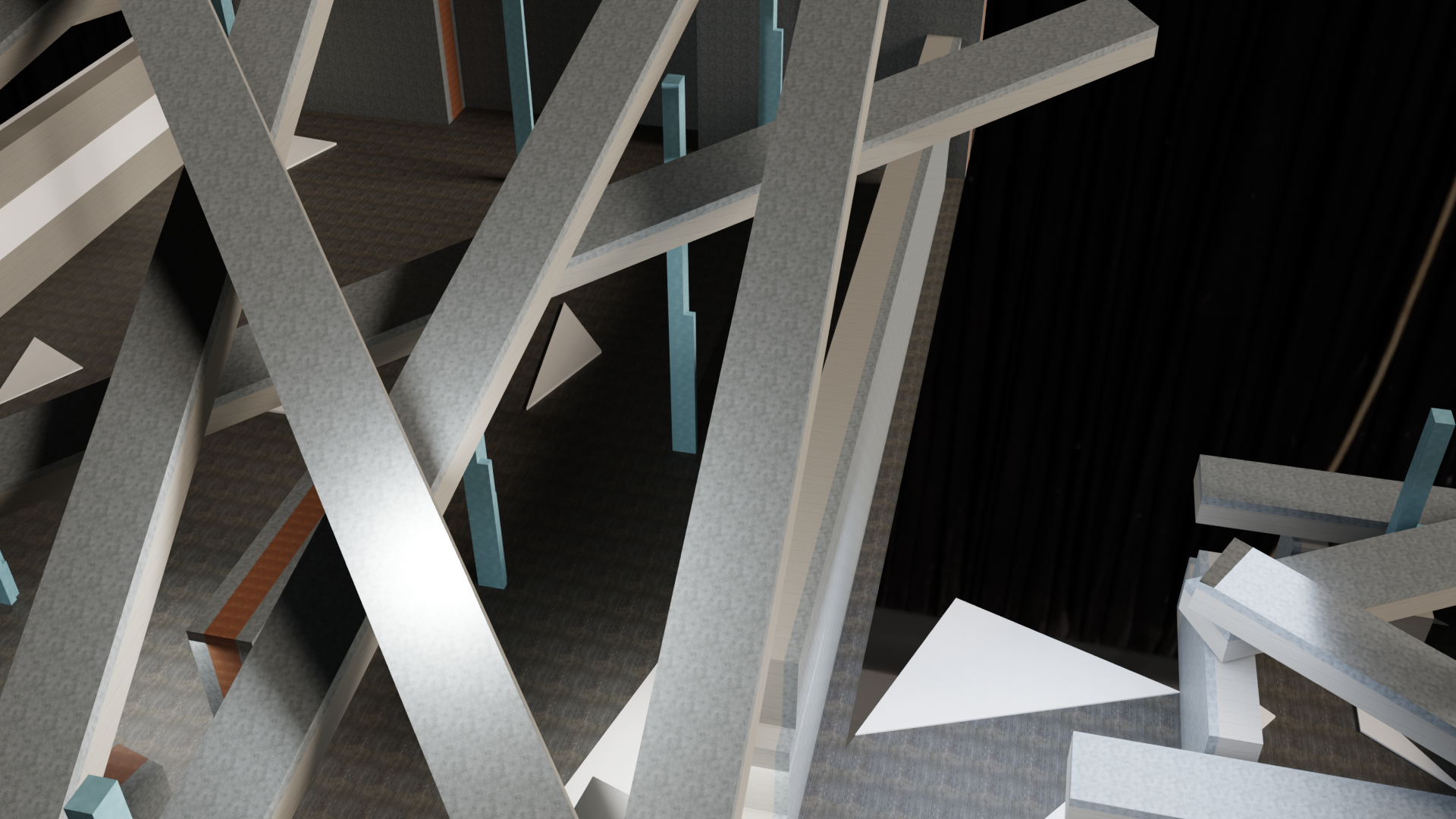
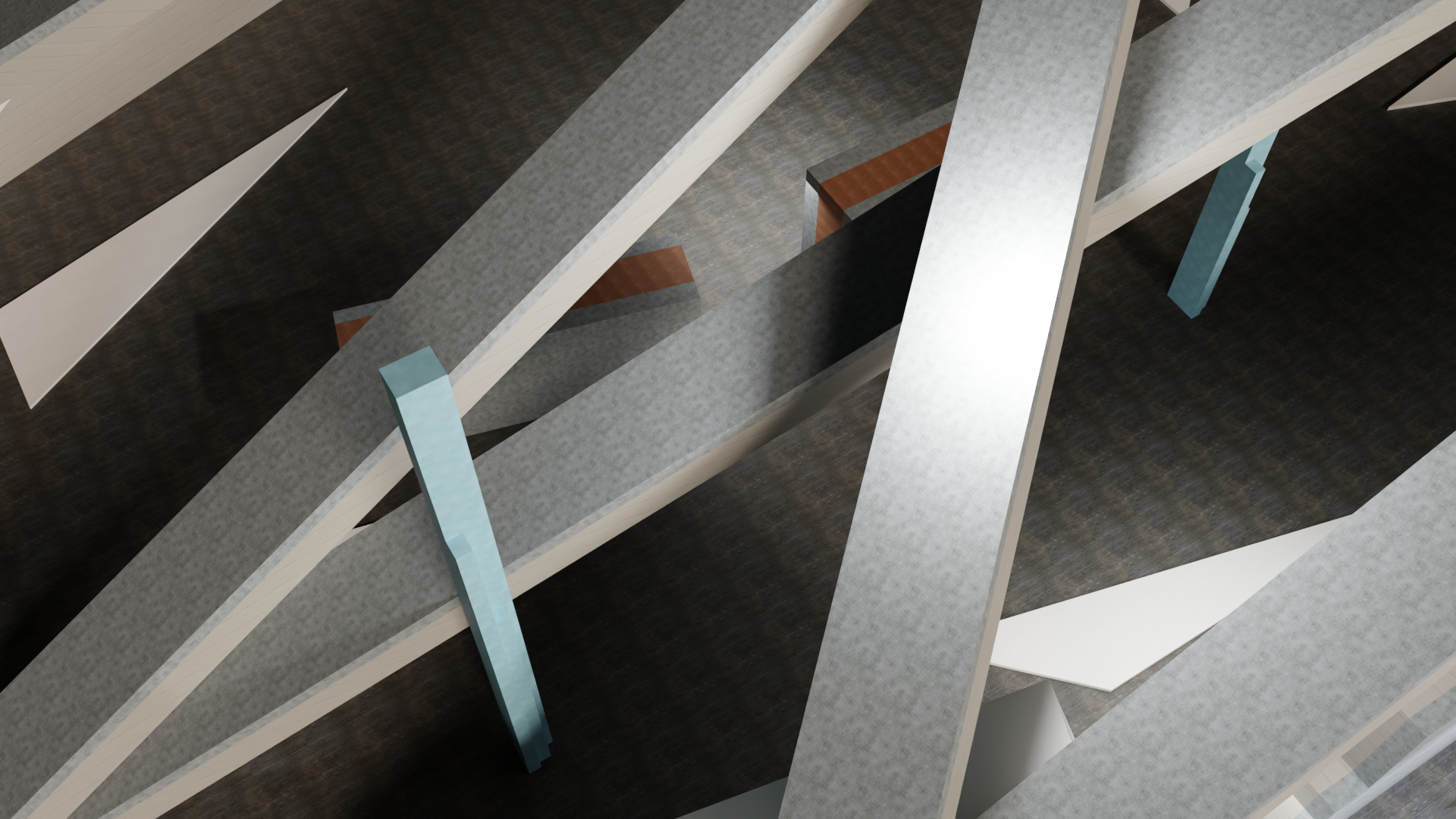
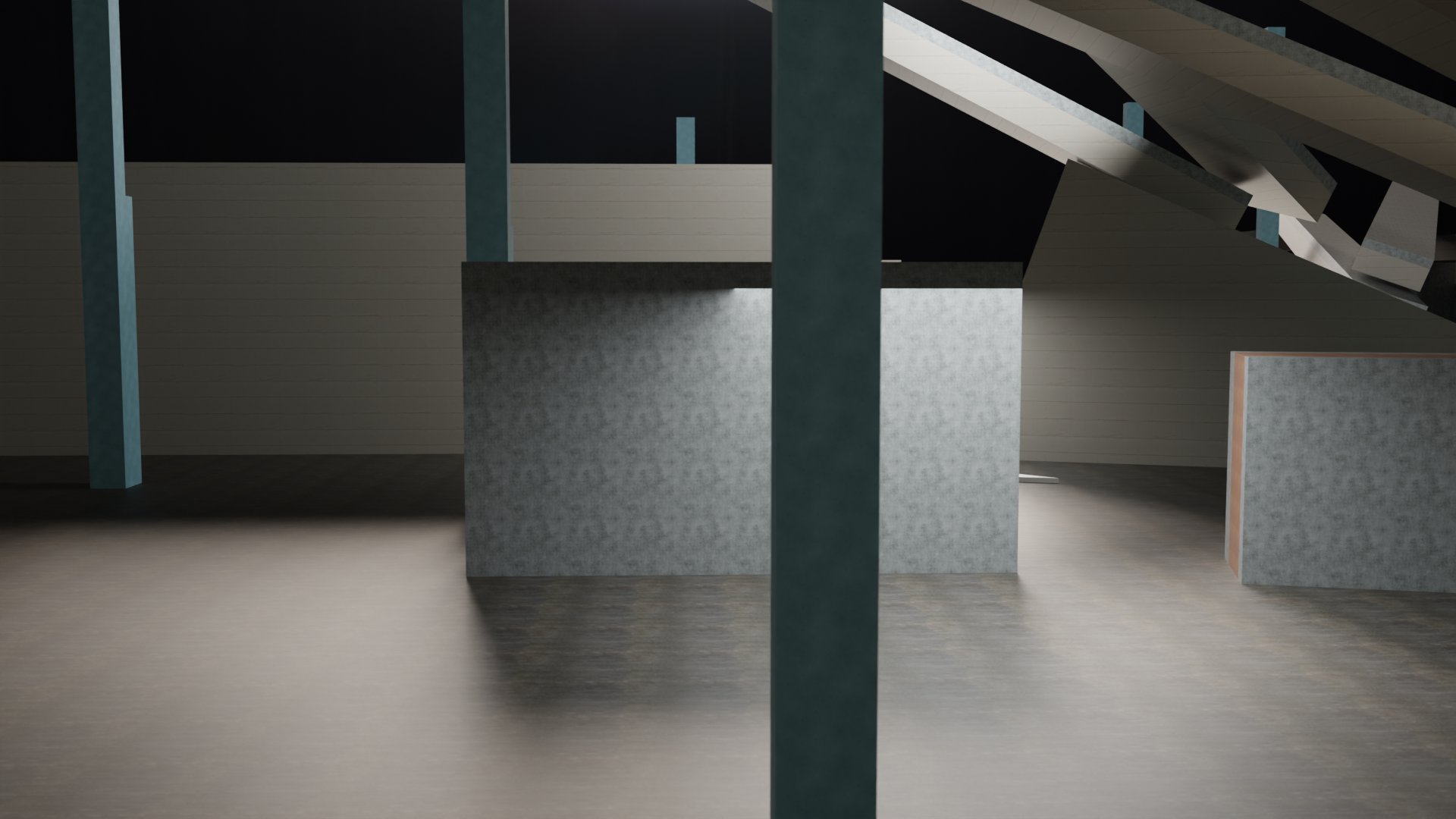
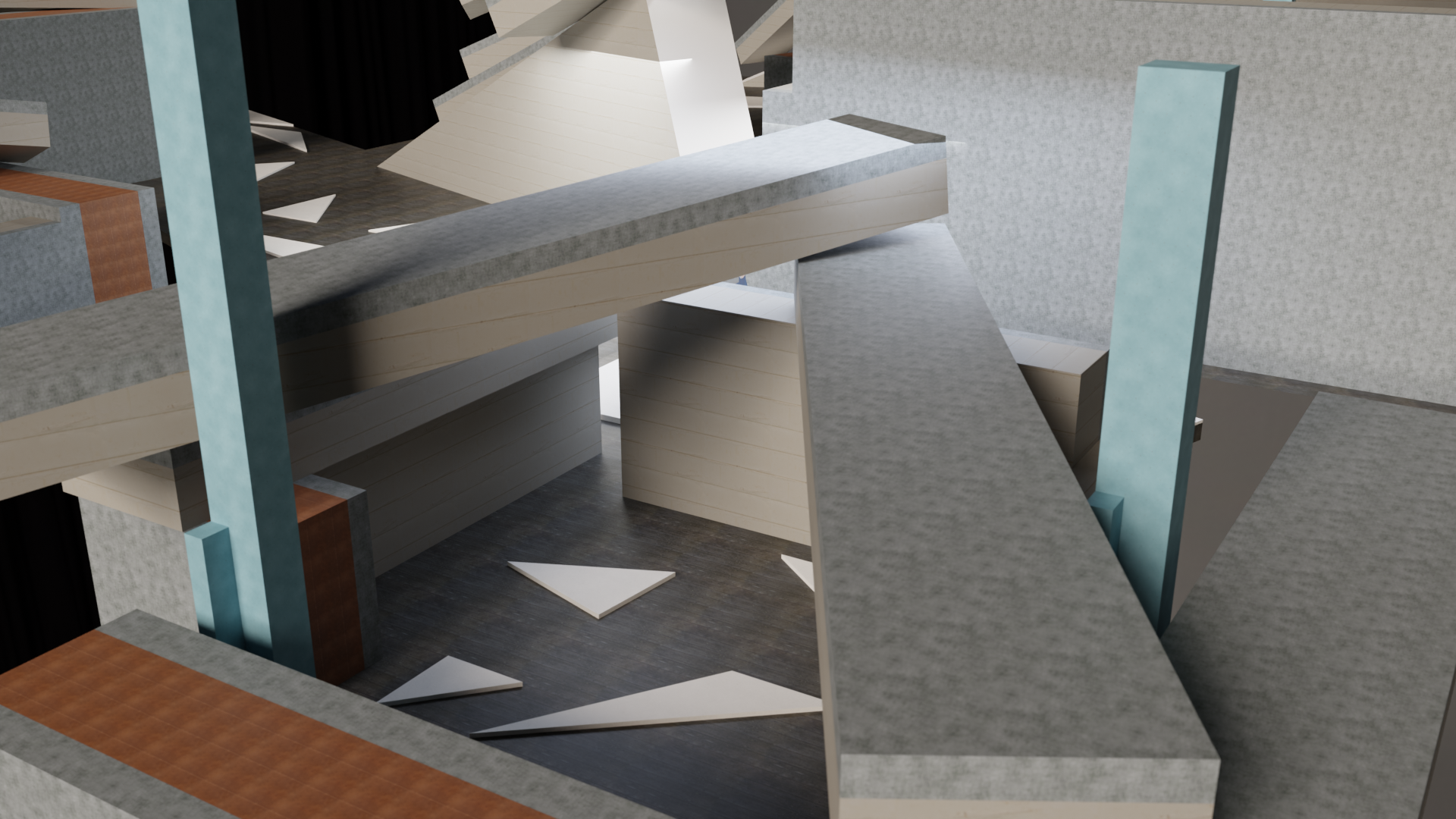
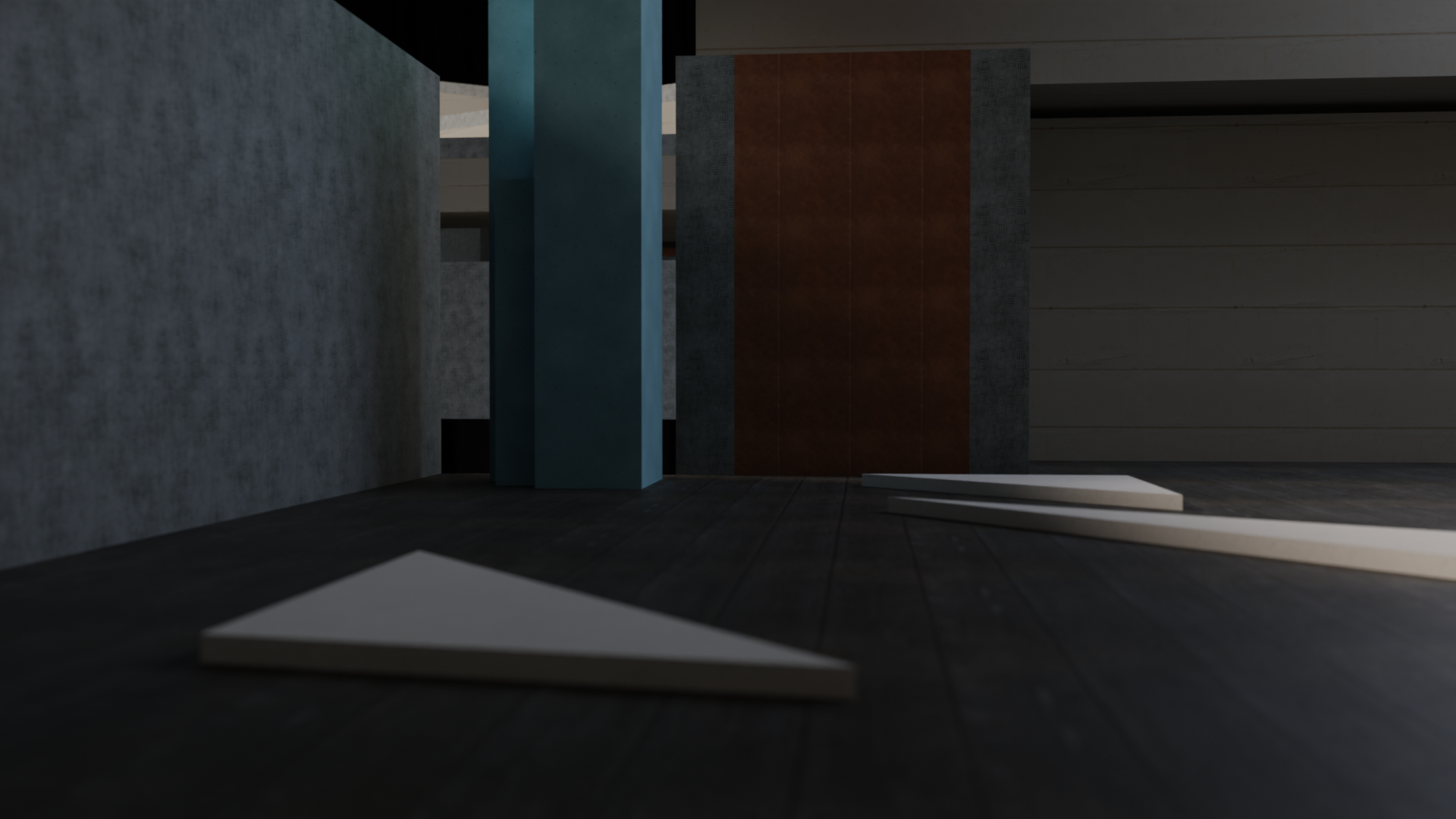
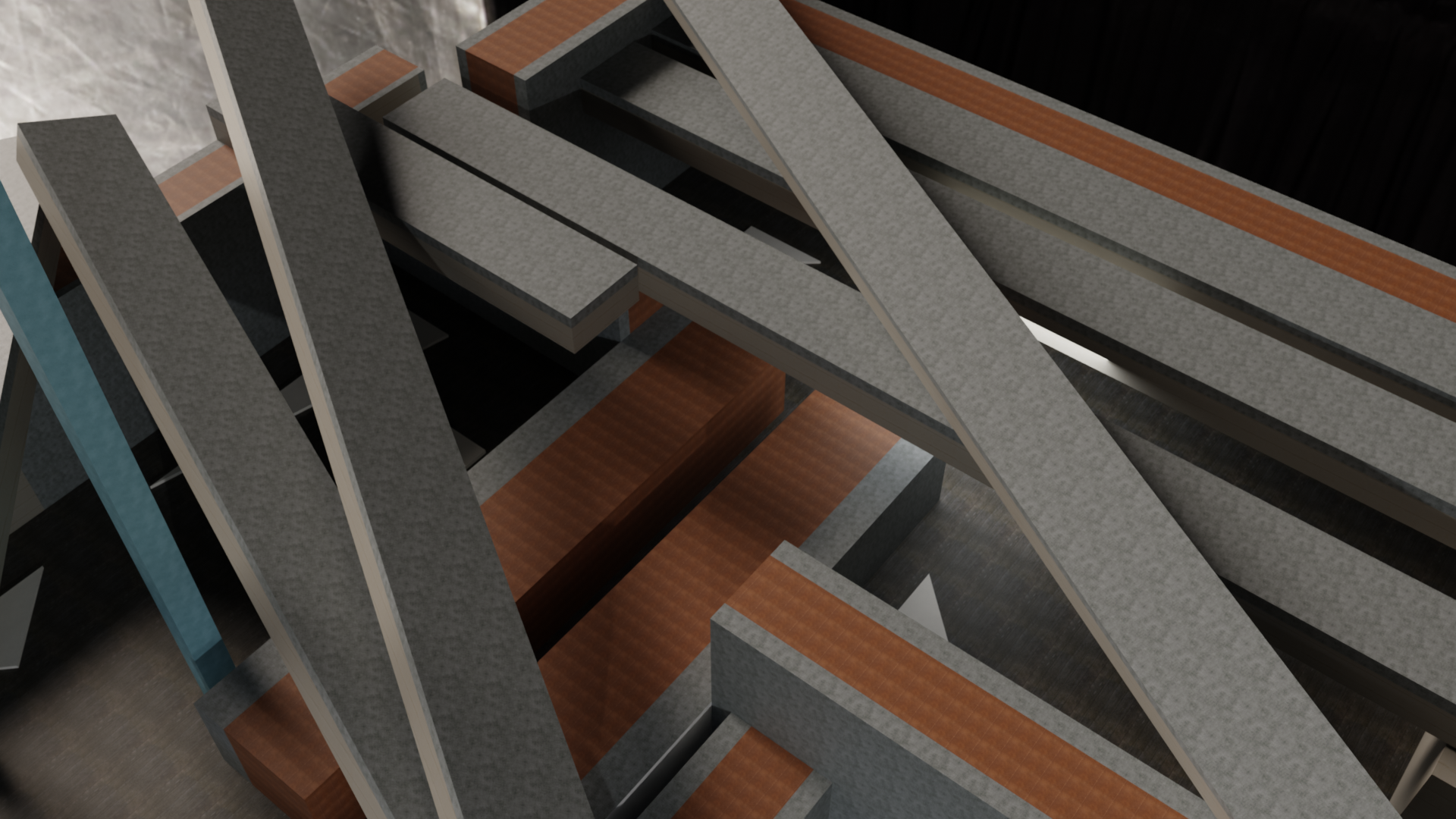
This work primarily represents the gap between people, both physically and mentally. This is embodied in a practical interior design framework, allowing the viewer to experience themselves as part of the piece. People sometimes find themselves alone in a space, while others maintain a distance from others. The ceiling is structured with frequencies, the heights of buildings vary even within the same building, and materials like soundproofing, sponge, and rubber are used to create a structure that allows for a variety of sounds. As this is an interior design framework, the floor structure is taken from a space I actually experimented with.
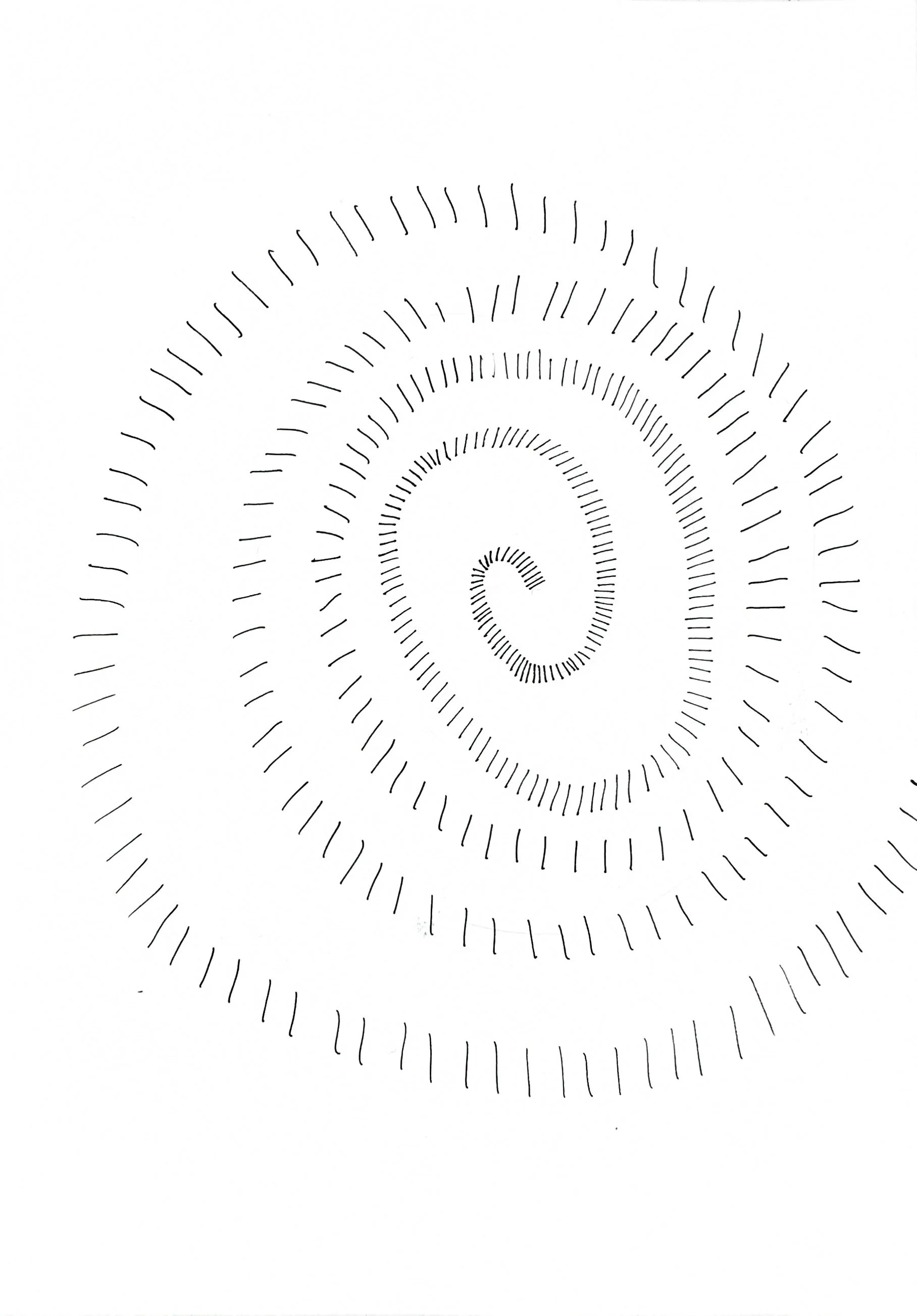
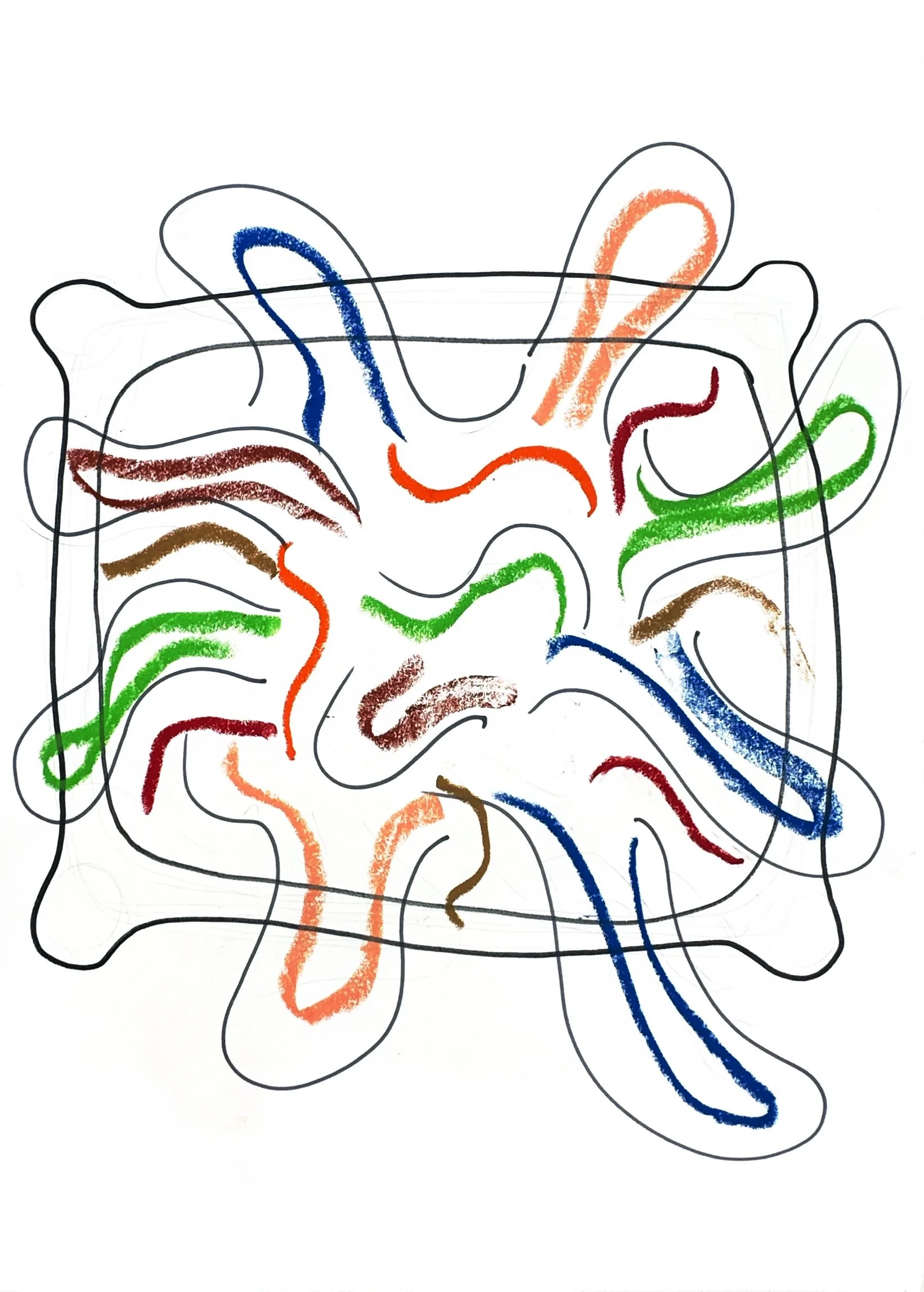
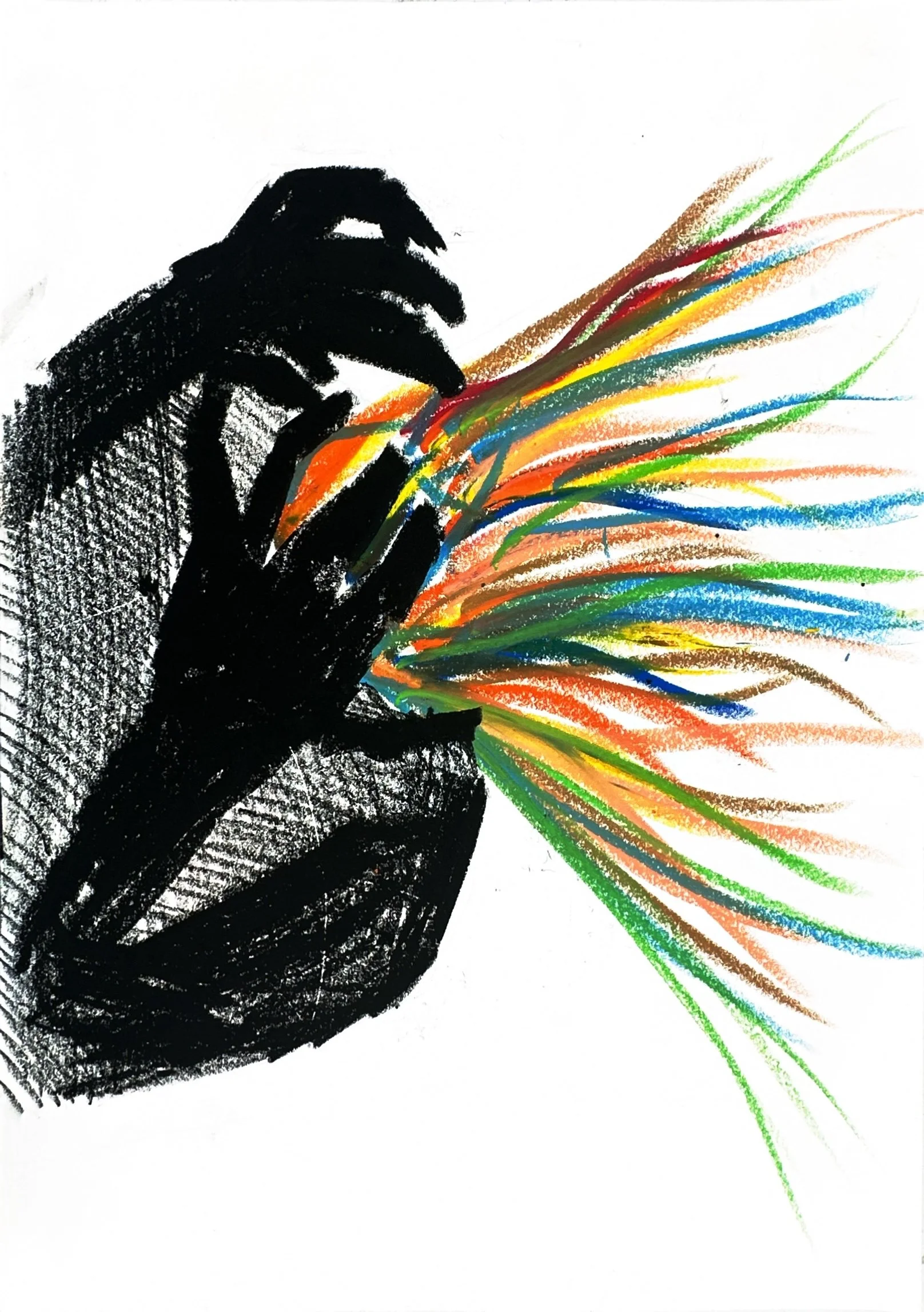
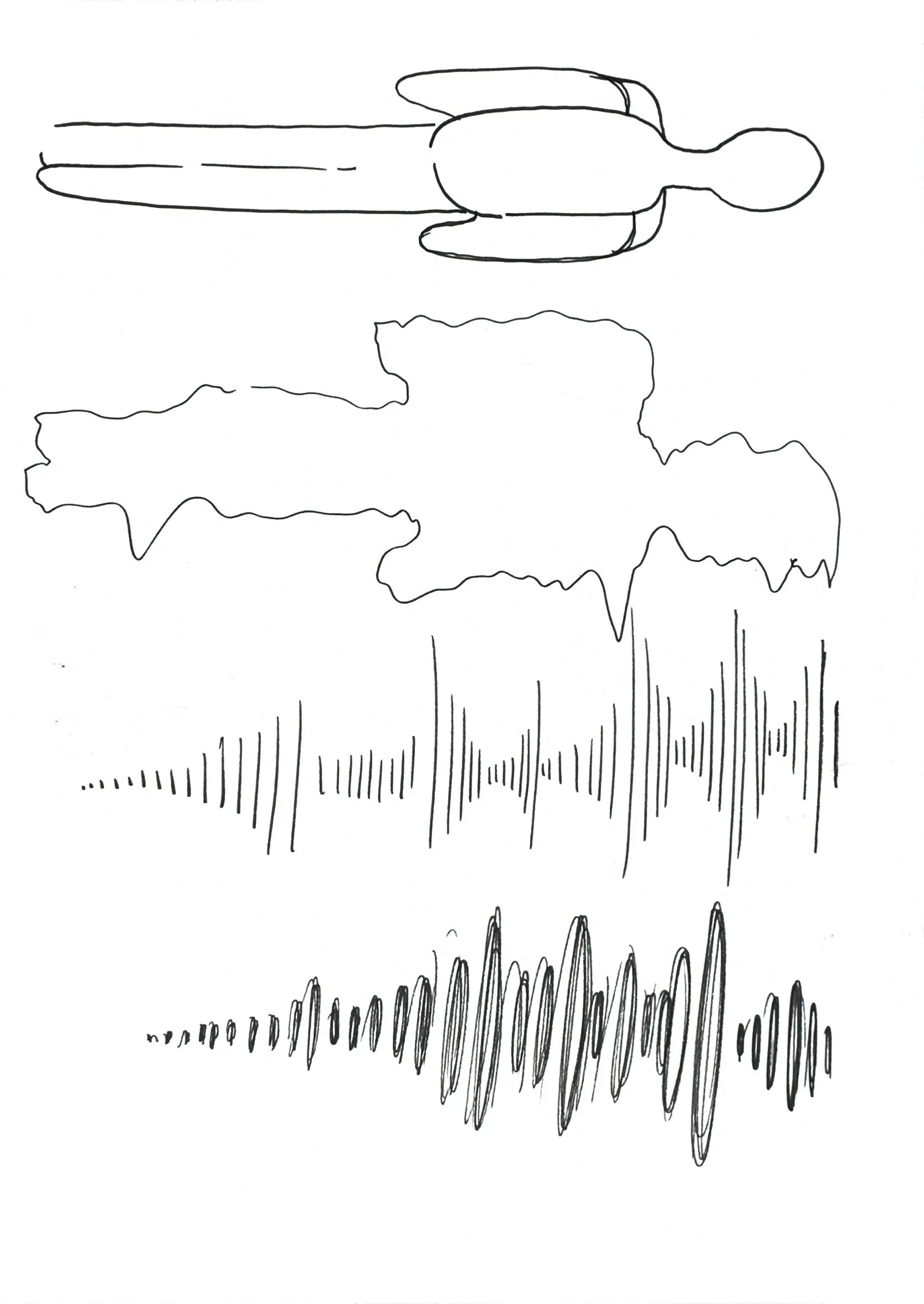
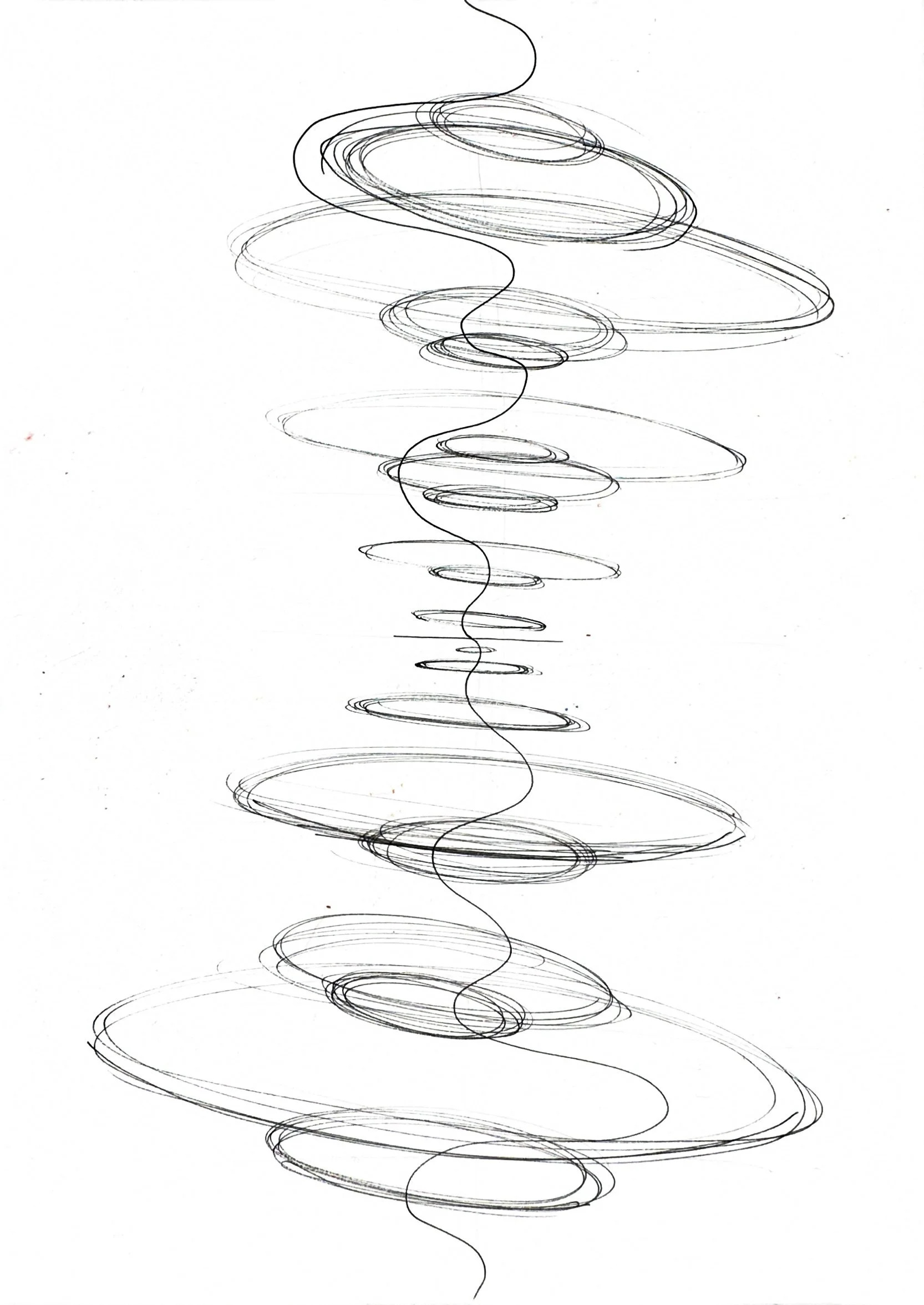
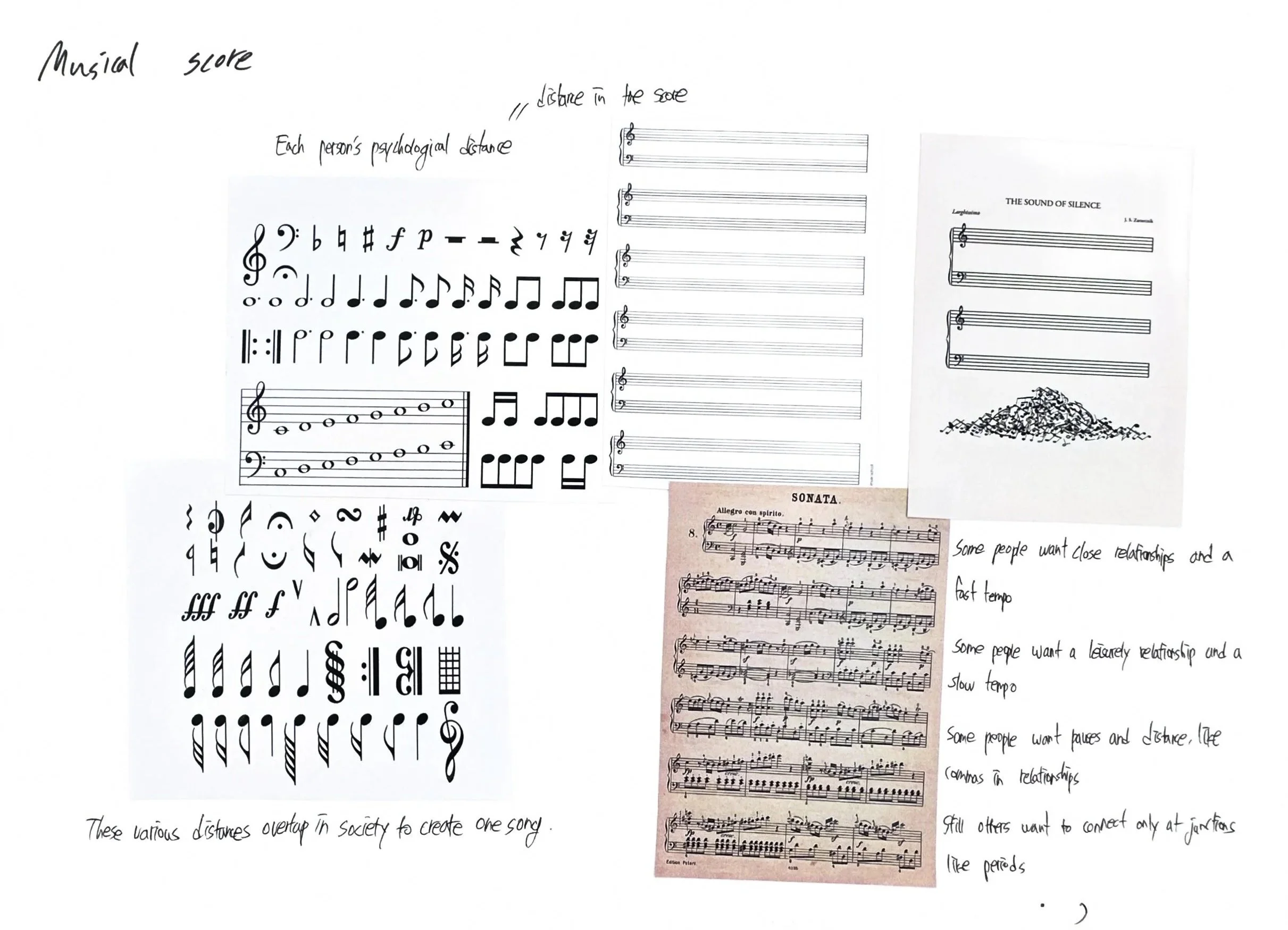
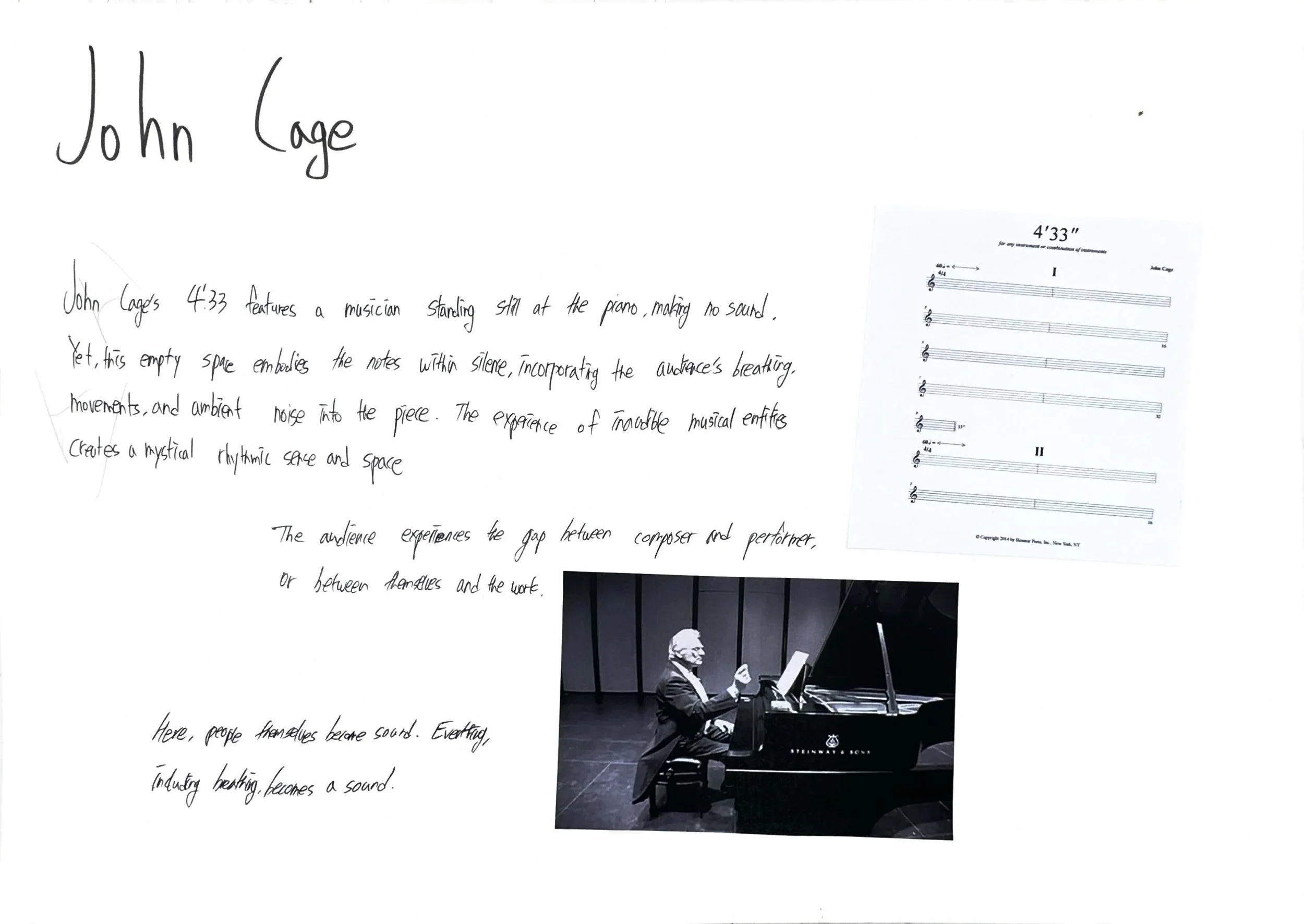
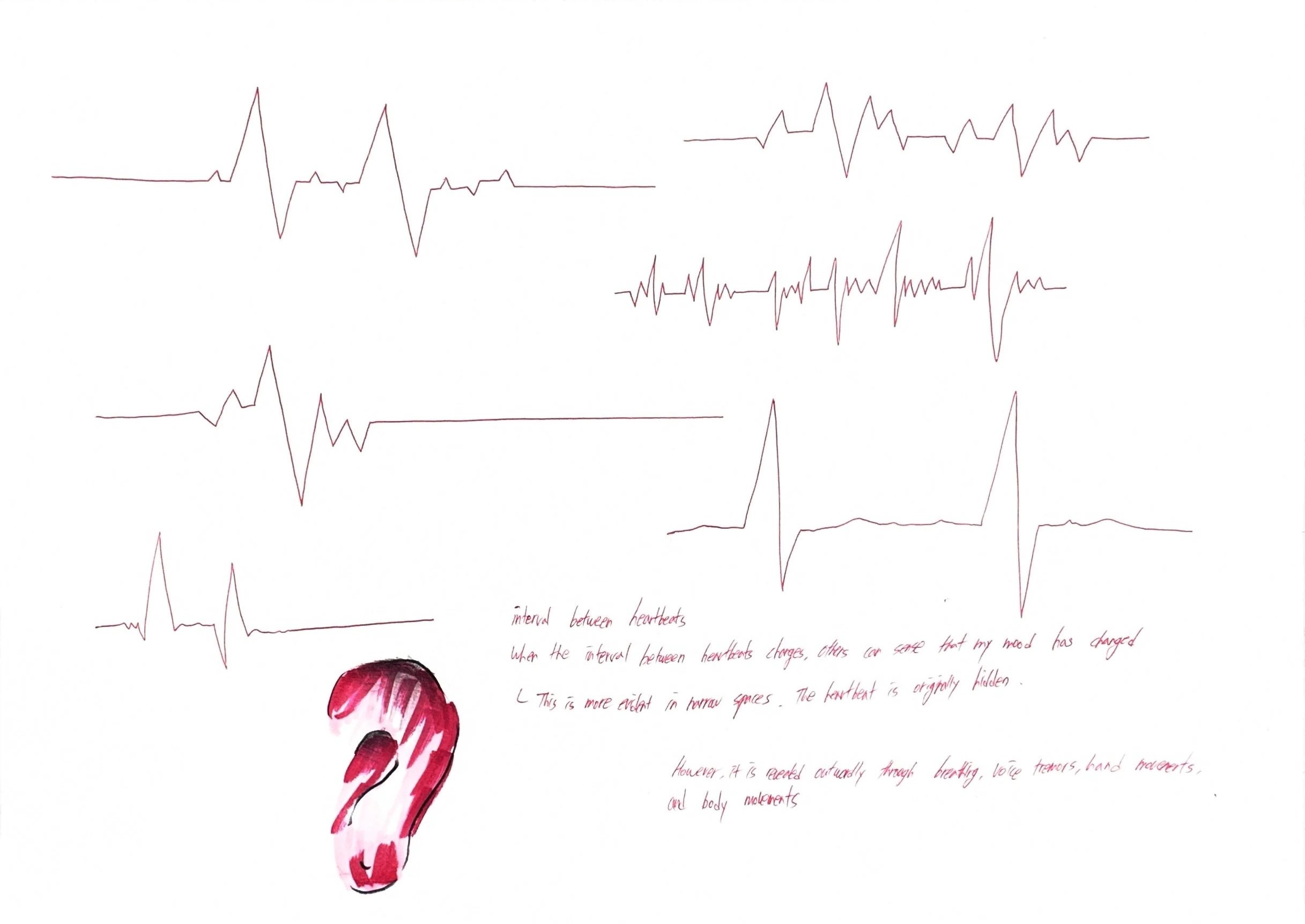
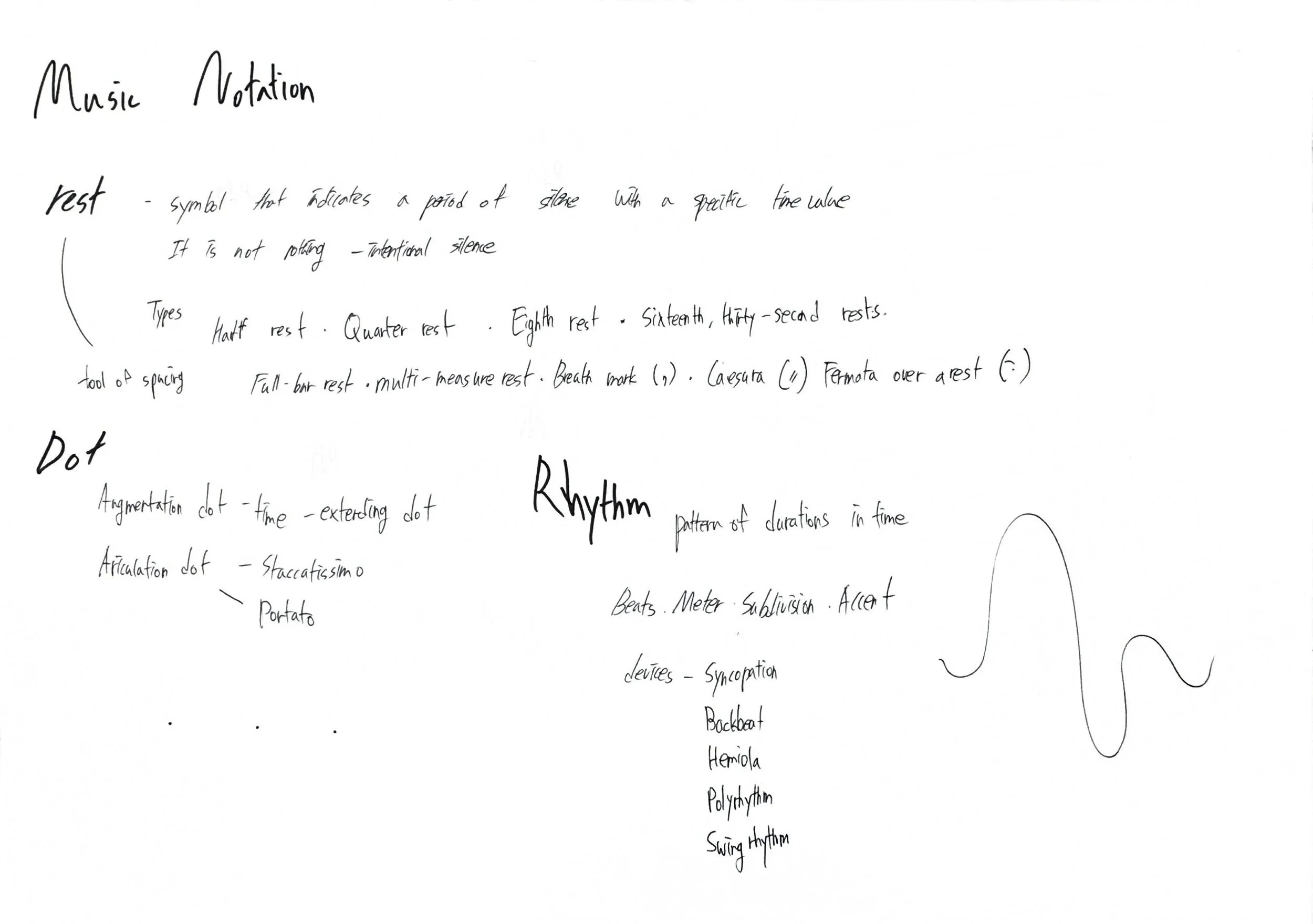
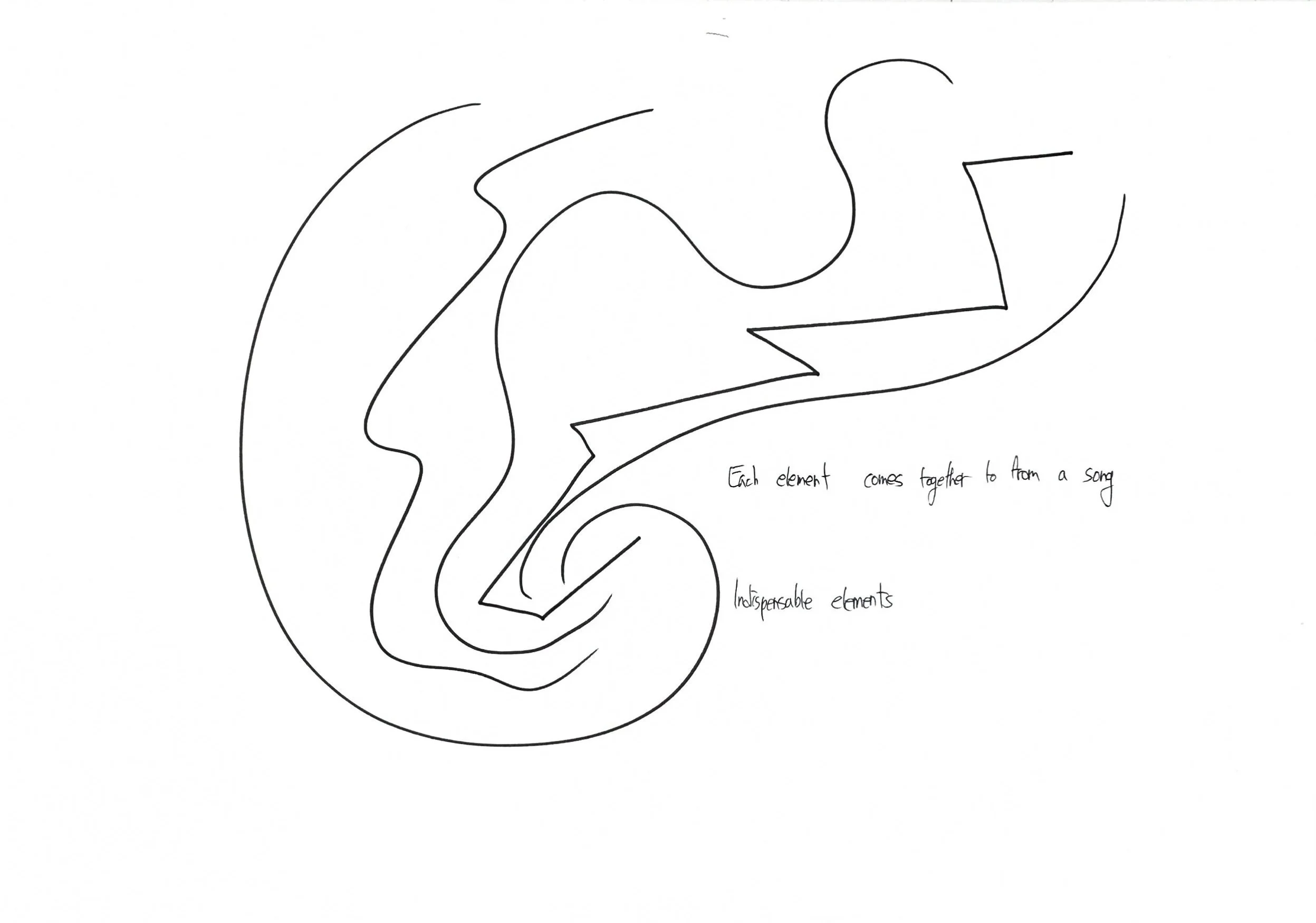
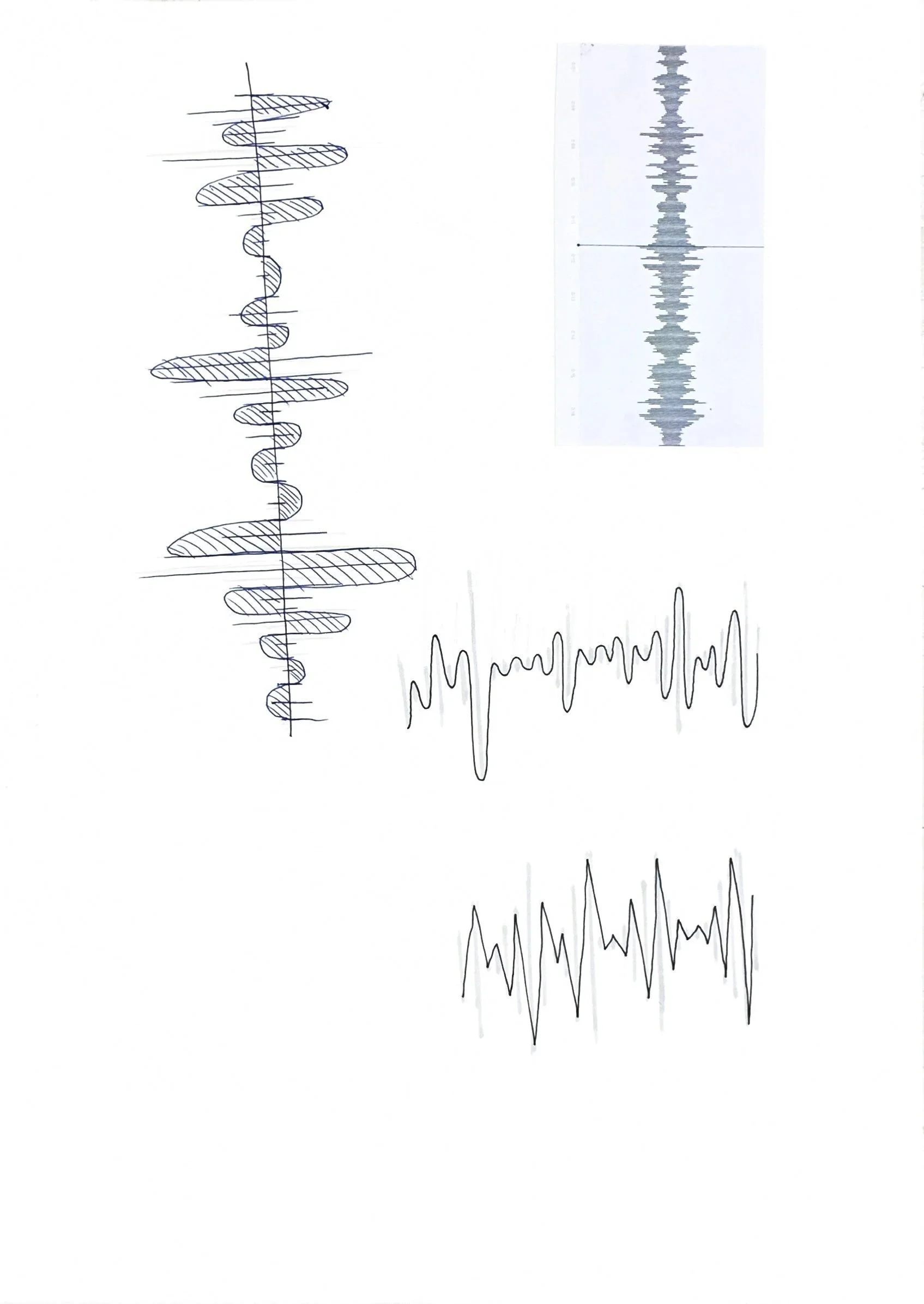
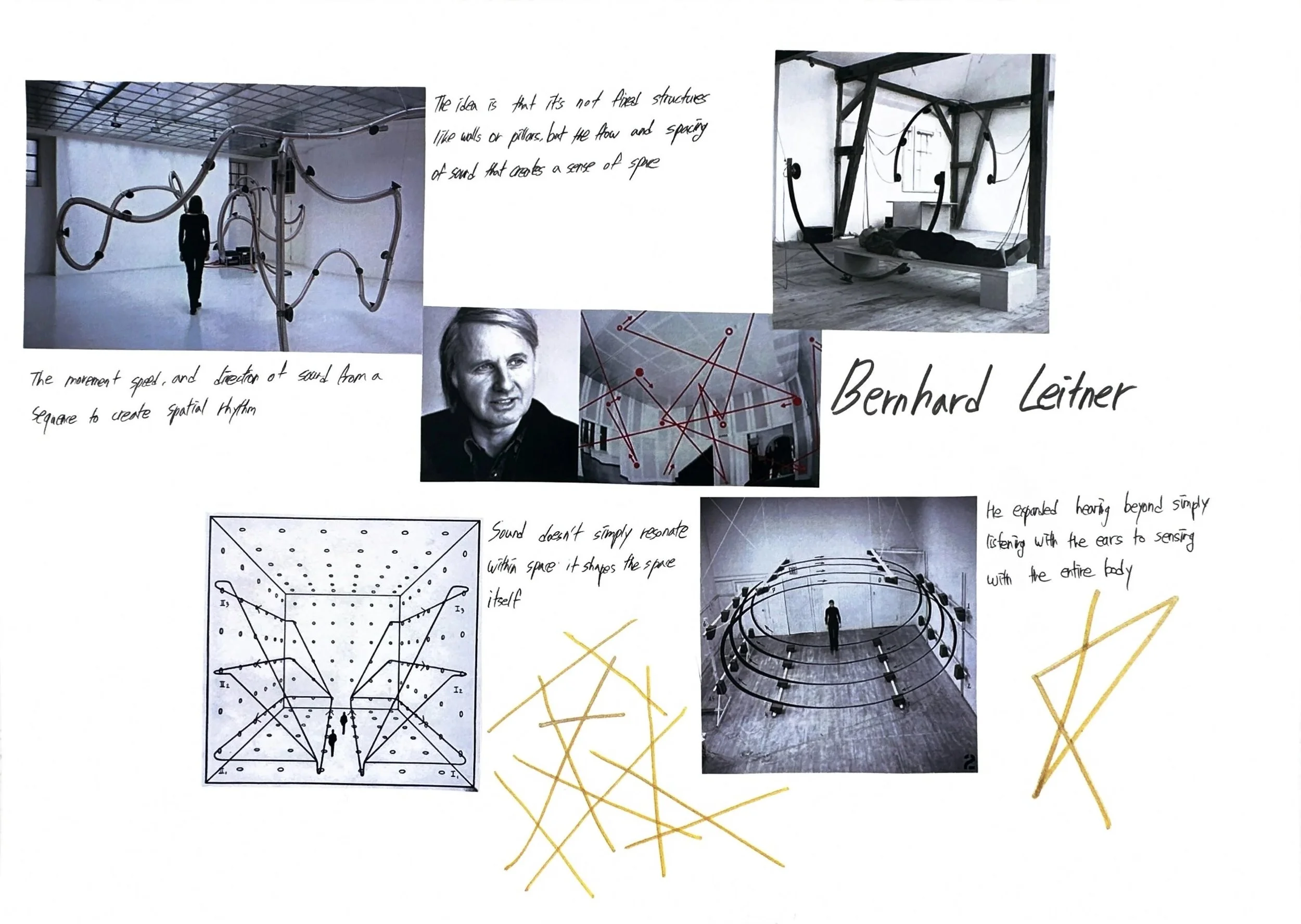
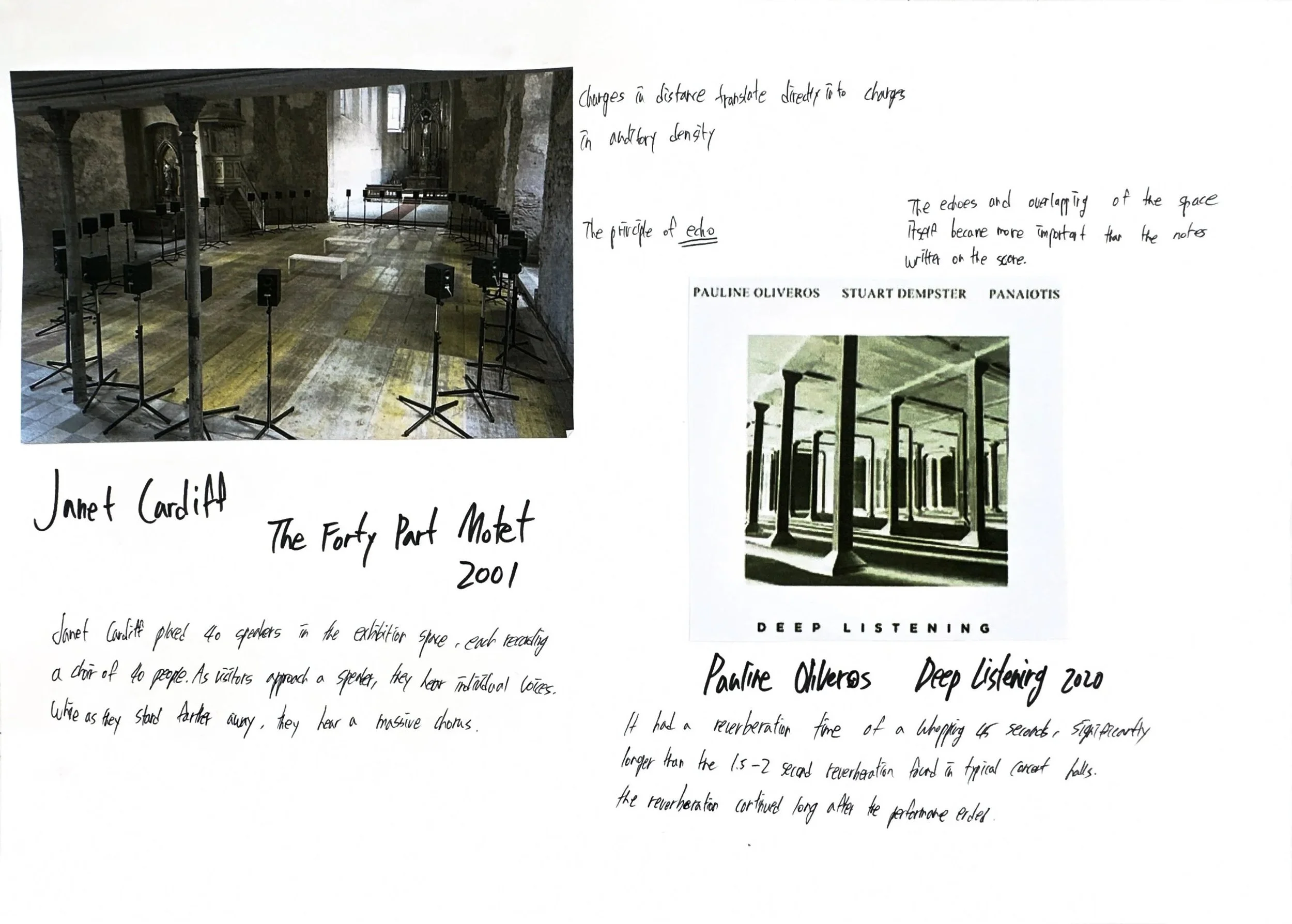
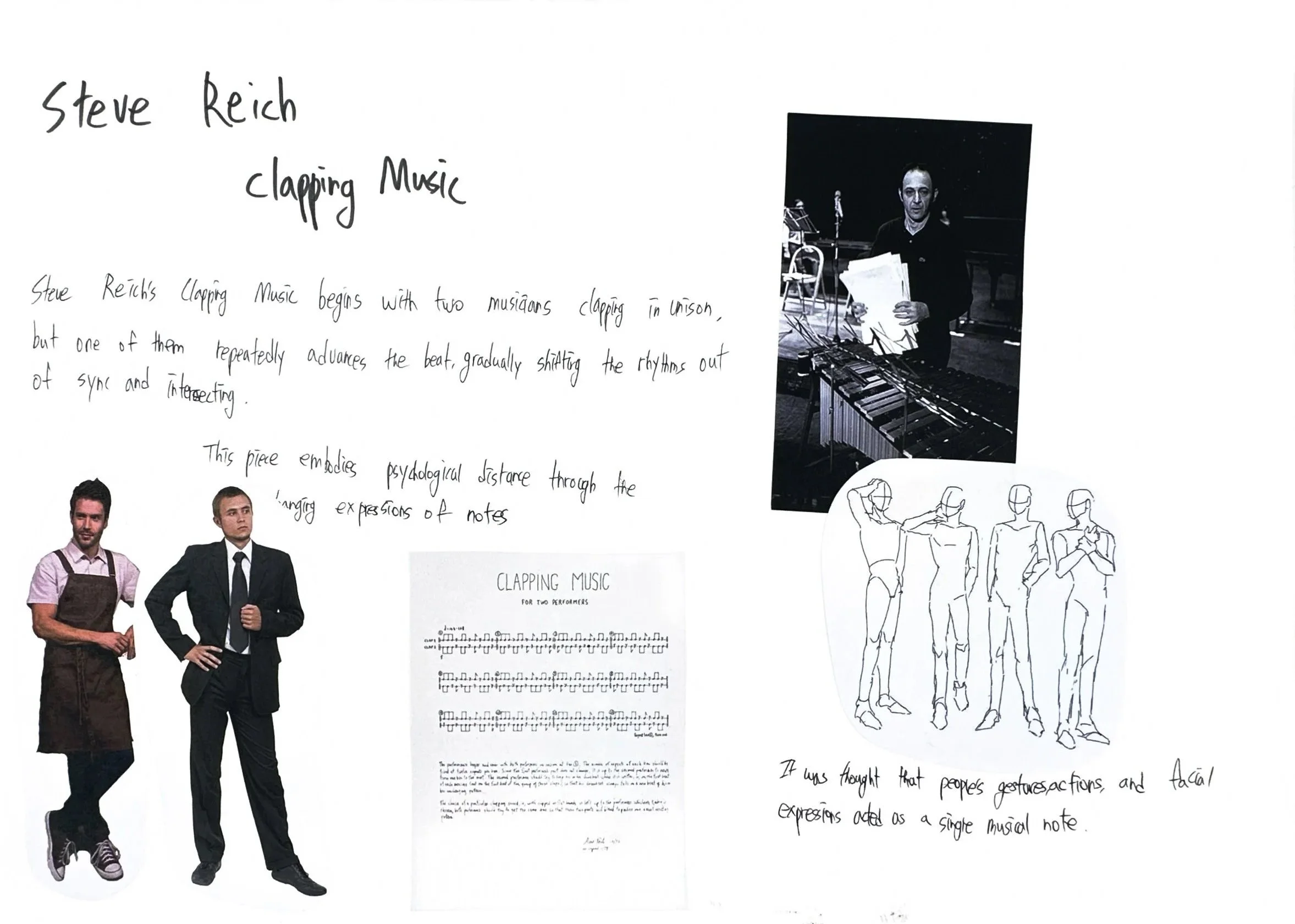
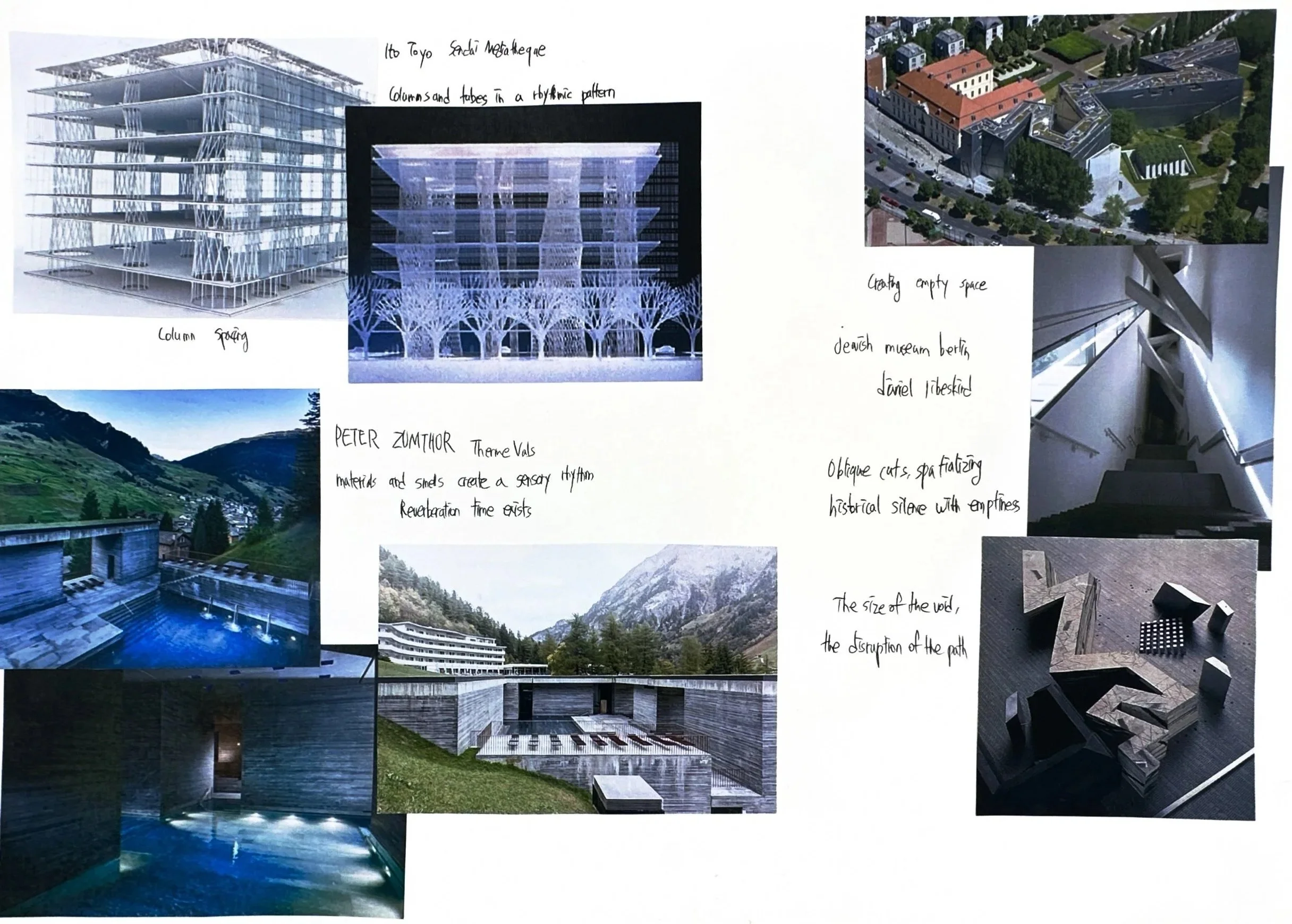
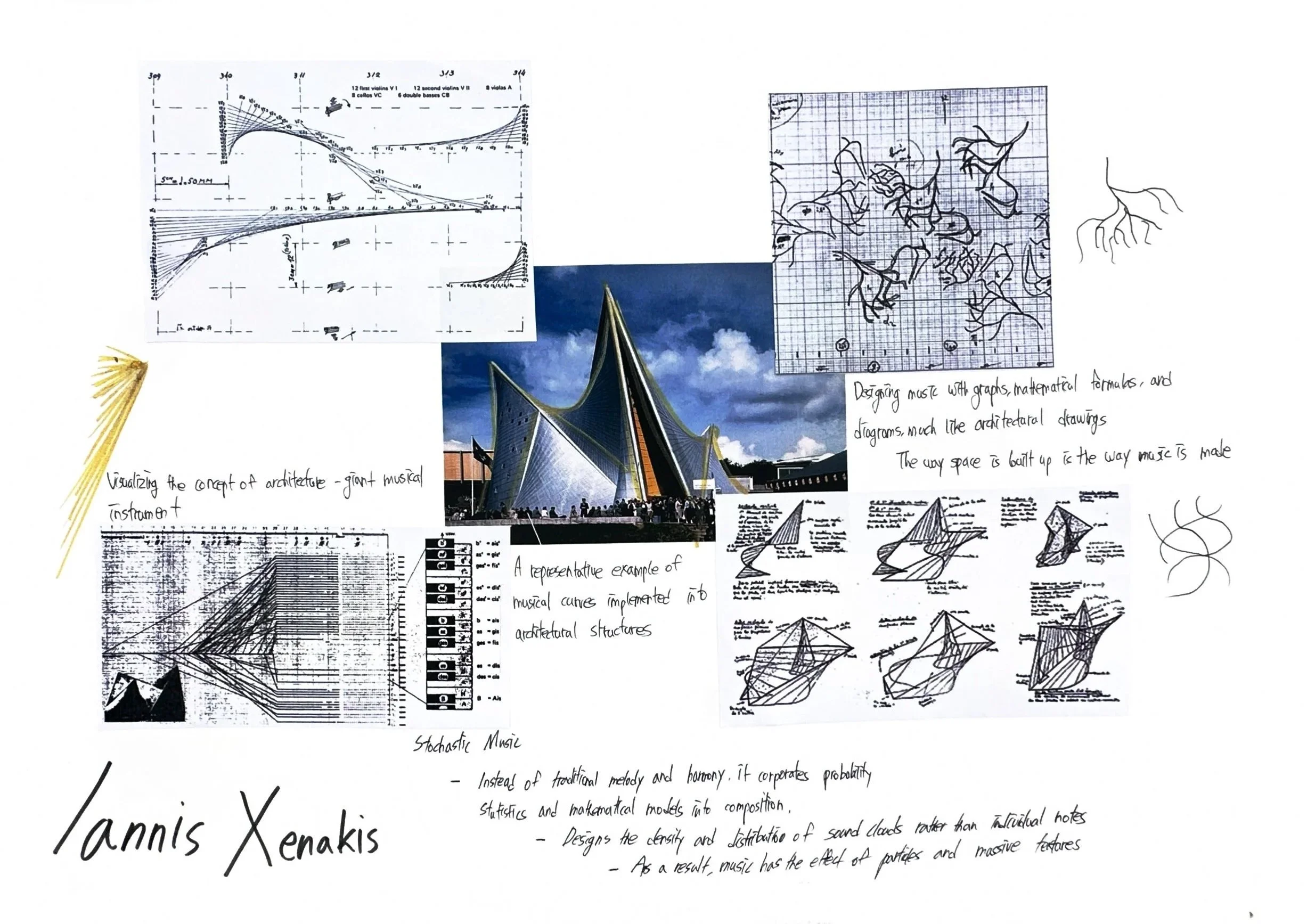
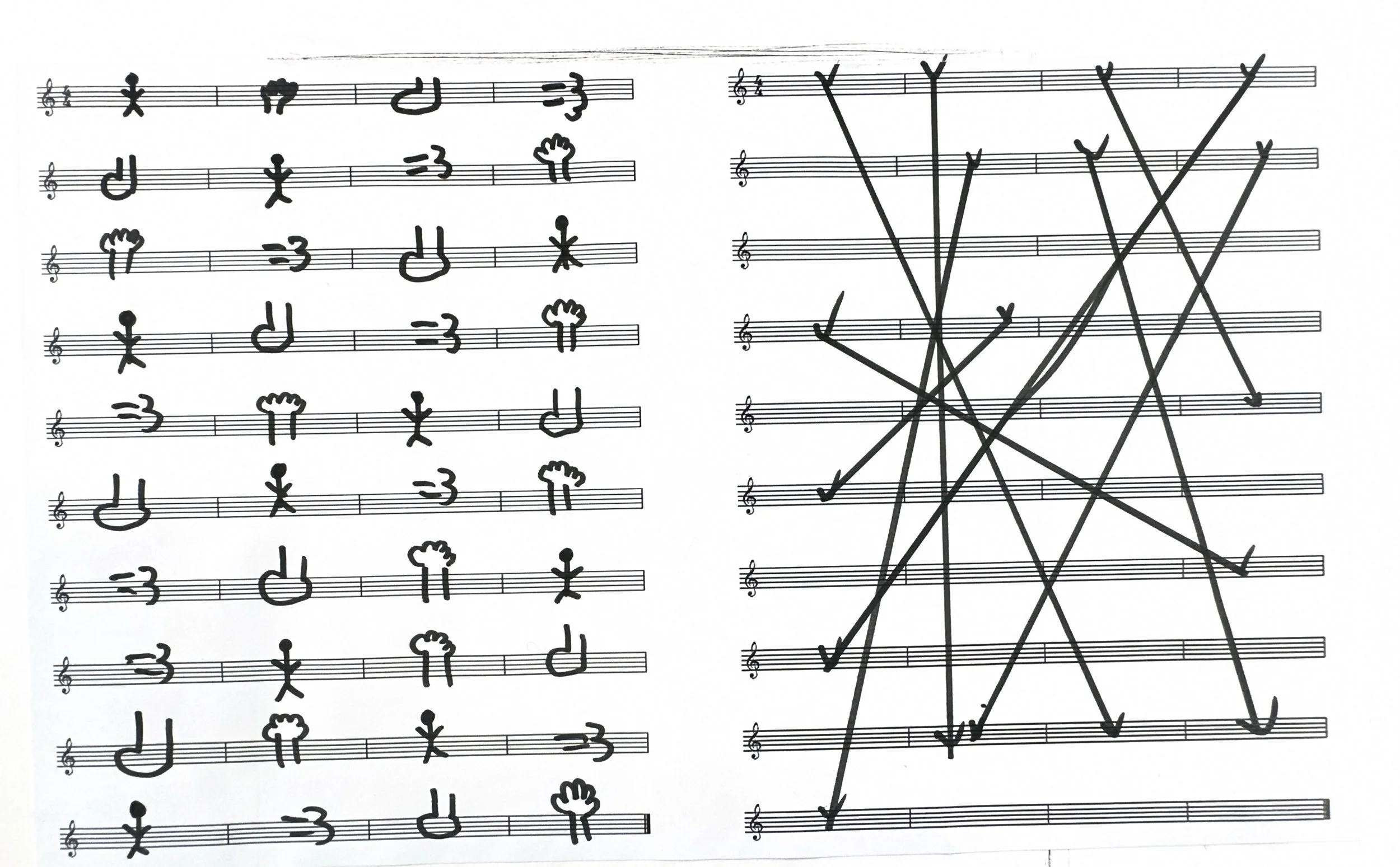
This work imagines space as an instrument, with everything that happens within it becoming notes, rests, and periods within a musical score. People engage in unexpected behaviors, widening the gap, making sounds, and interacting with others. These individual notes become harmonies. I was influenced by John Cage's "4'33" because it has no written score, but rather the sounds of the people in the space that compose the score. Here, I immerse people in the space I create.
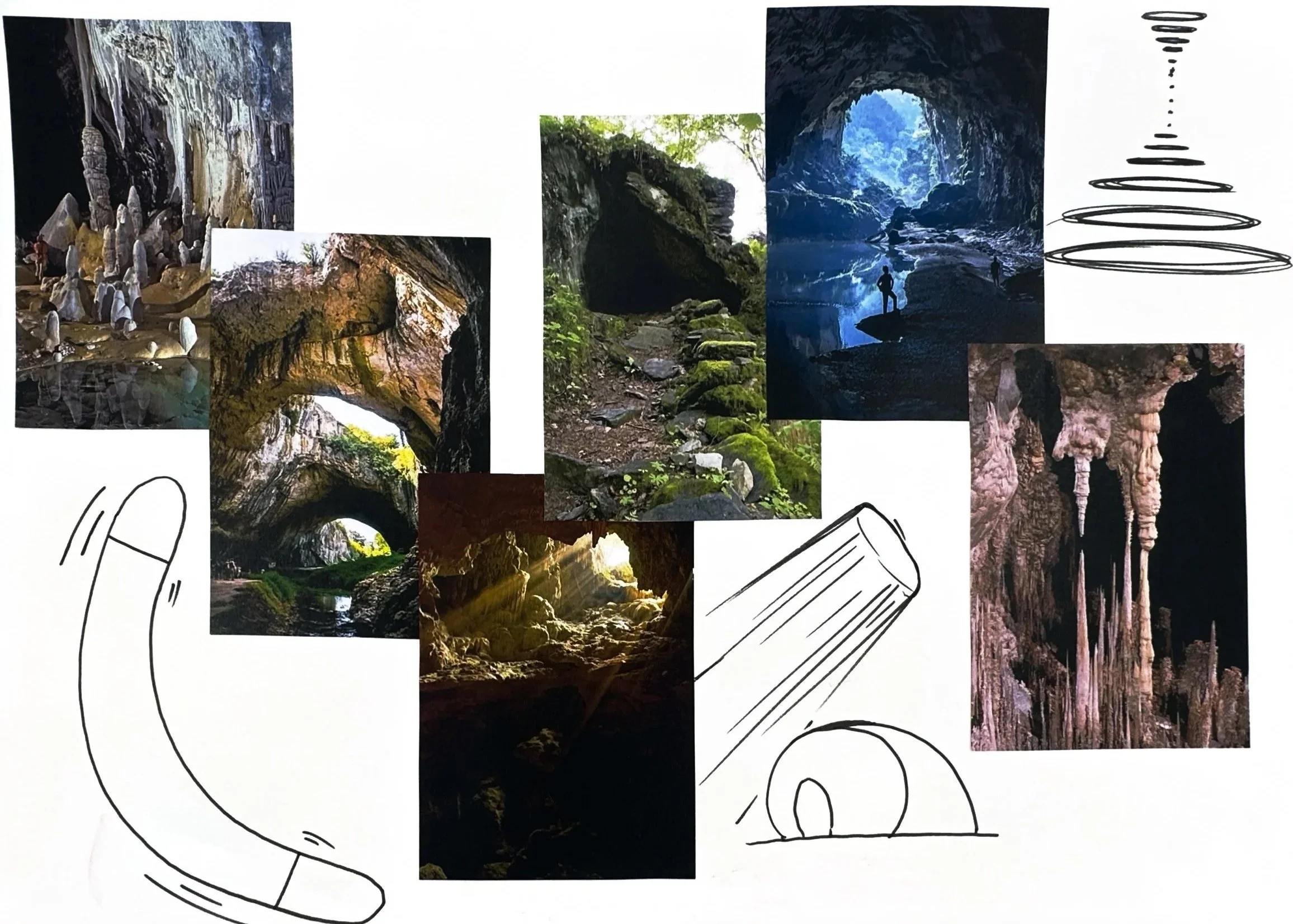
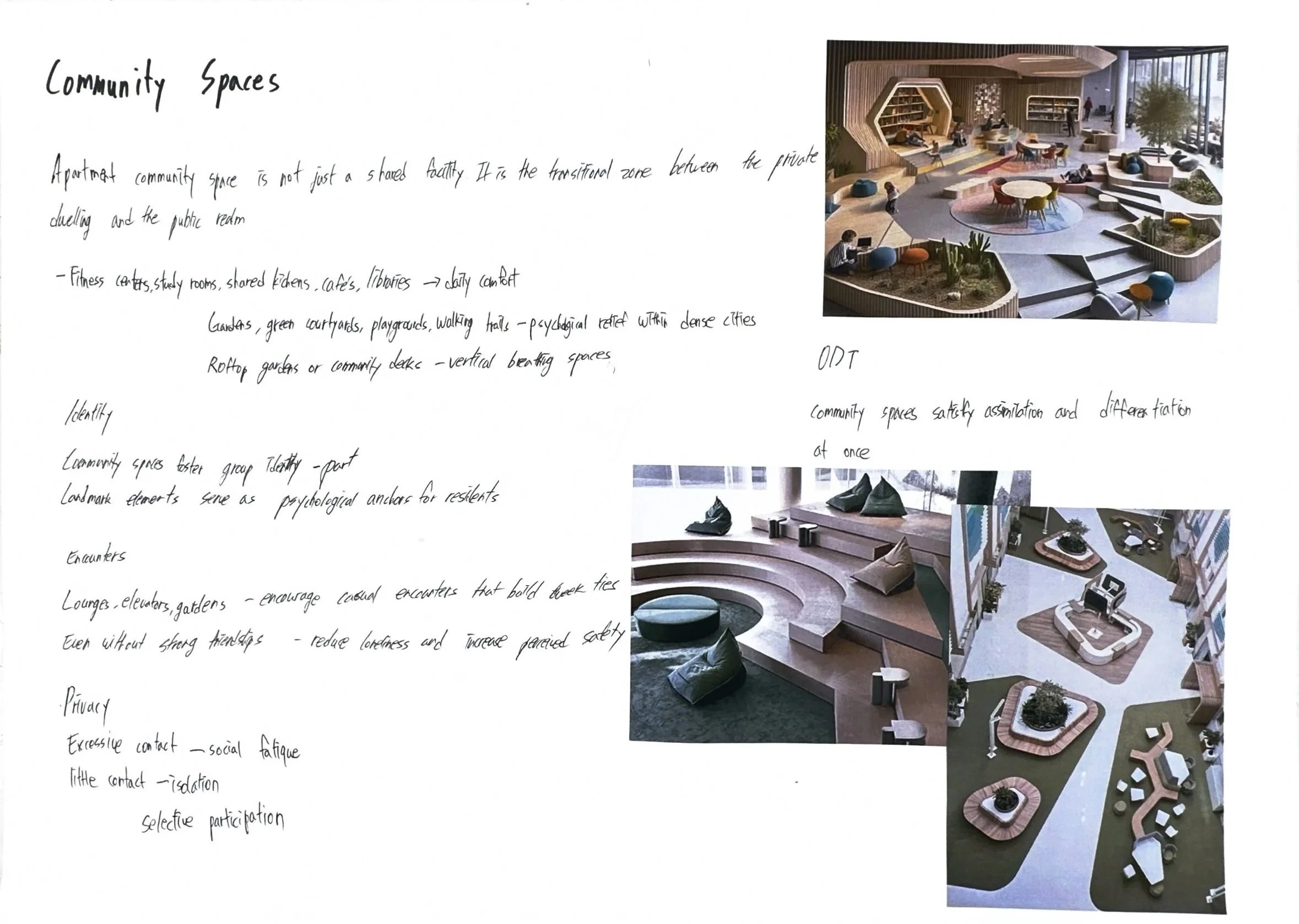
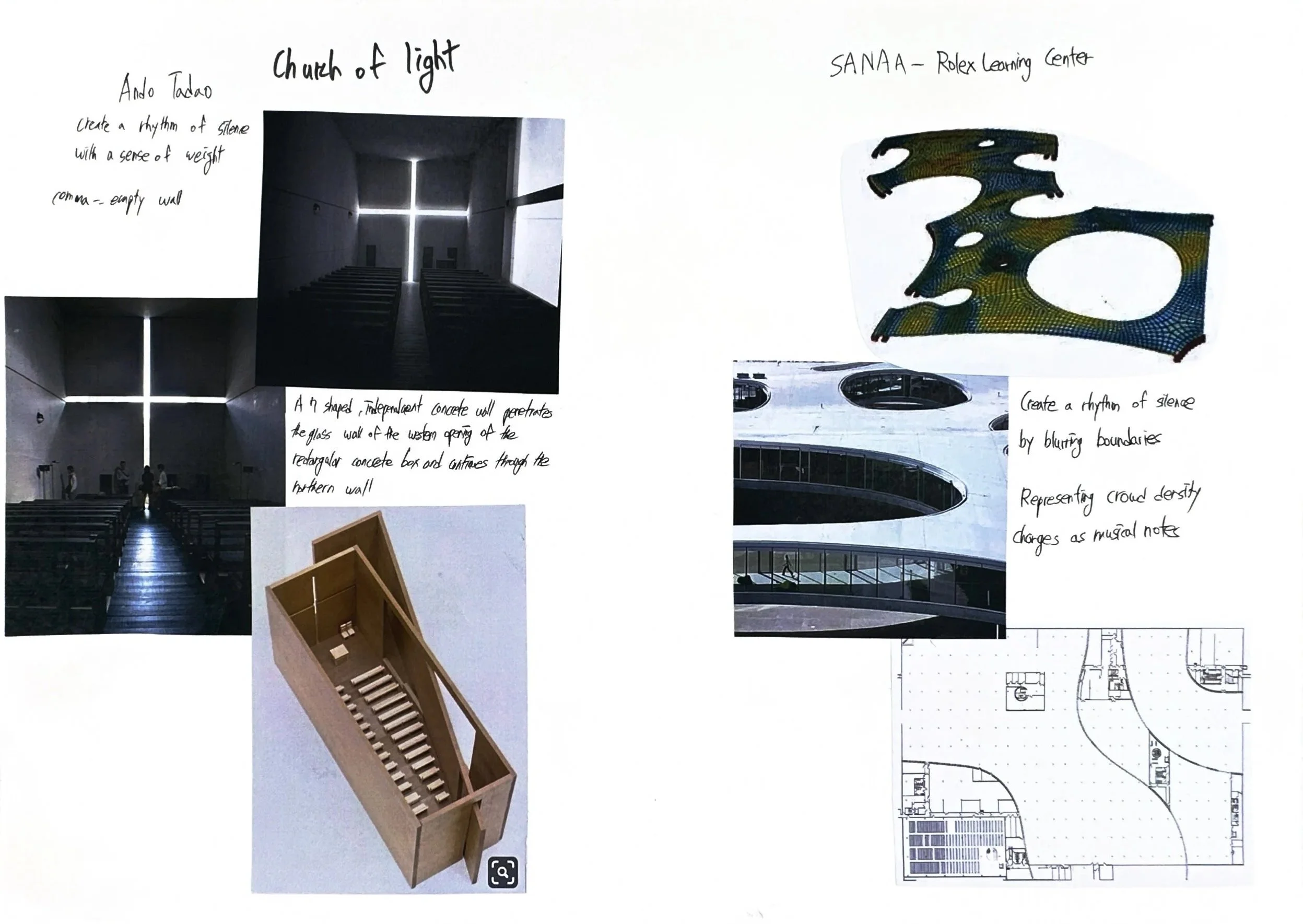
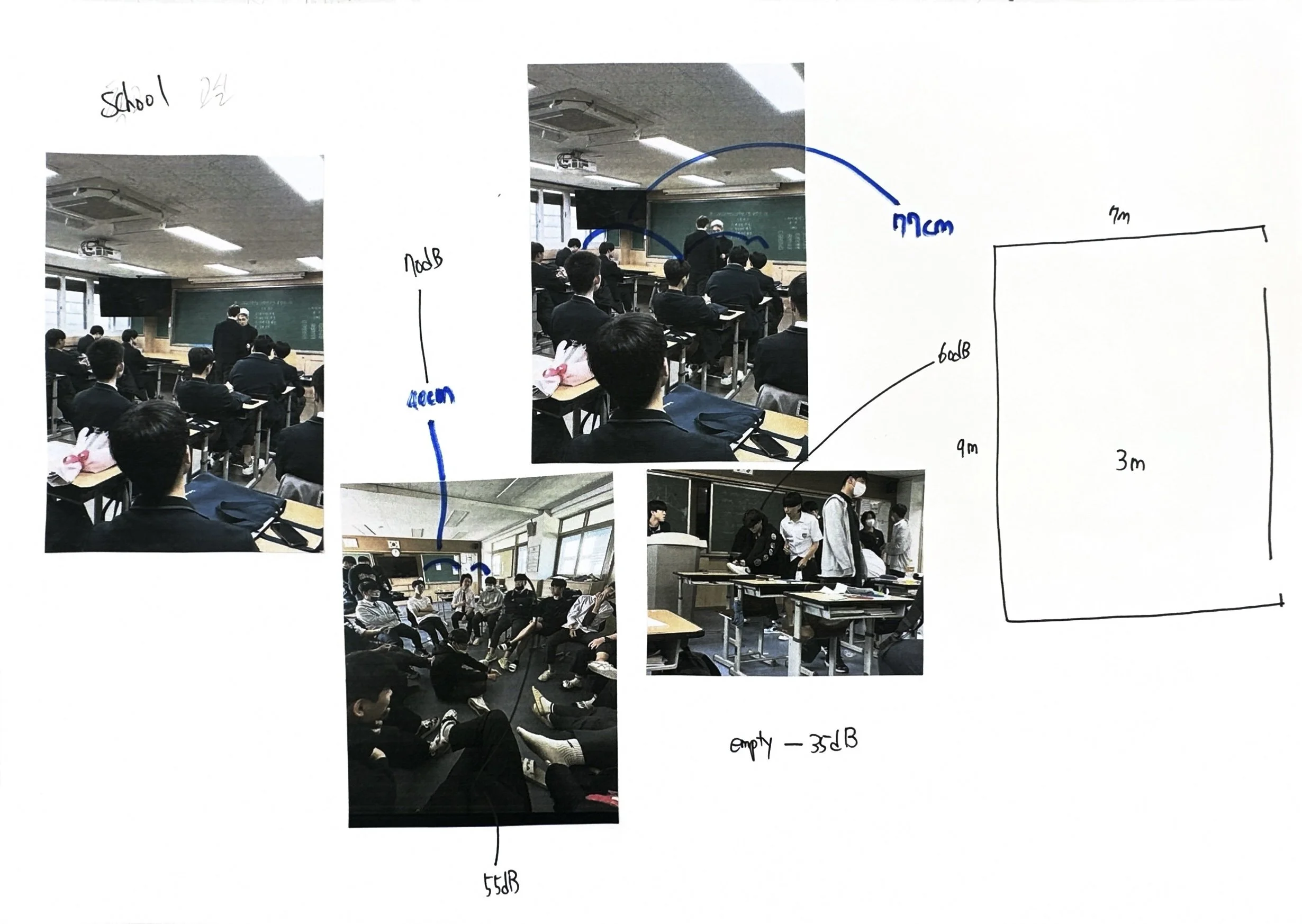
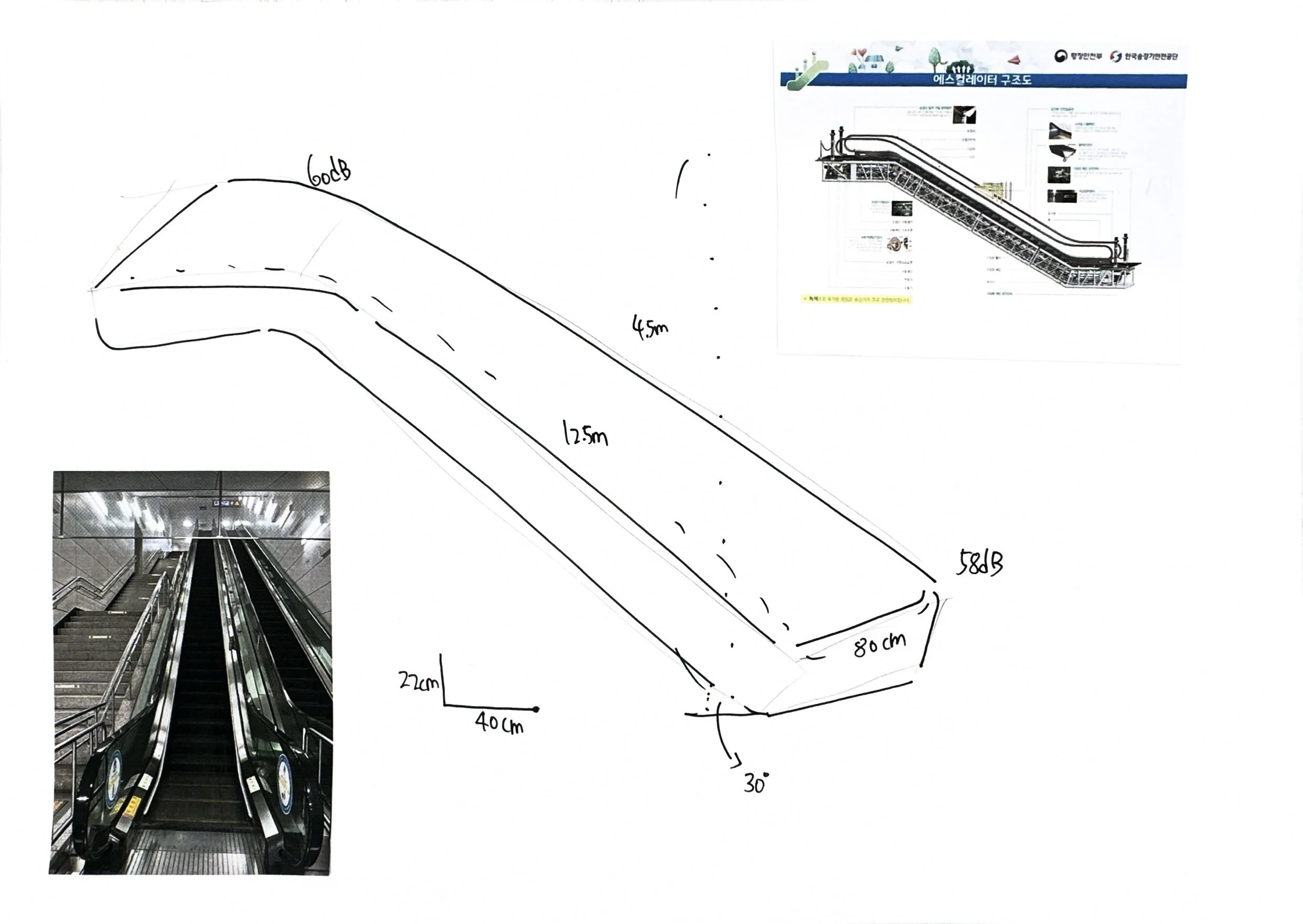
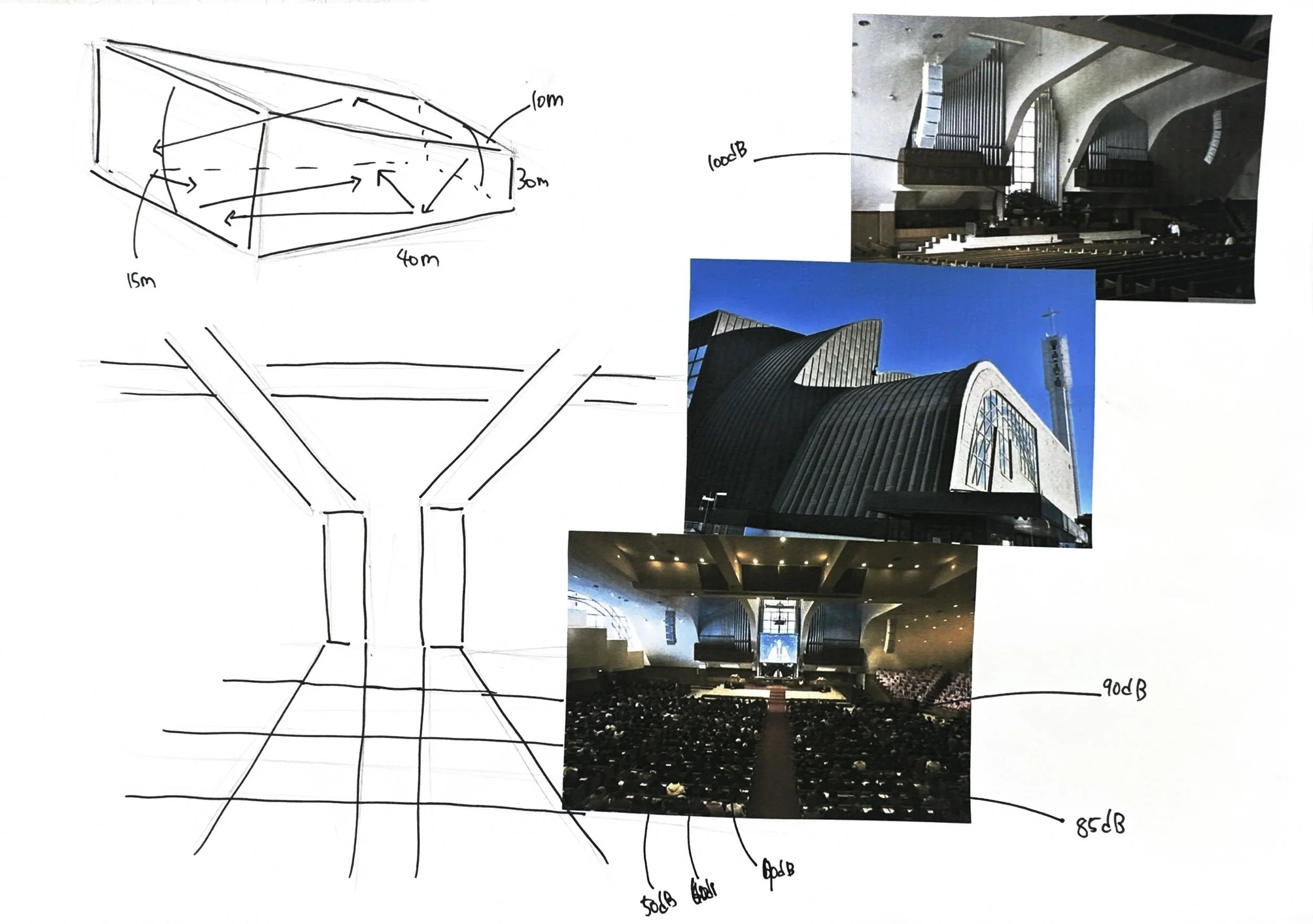
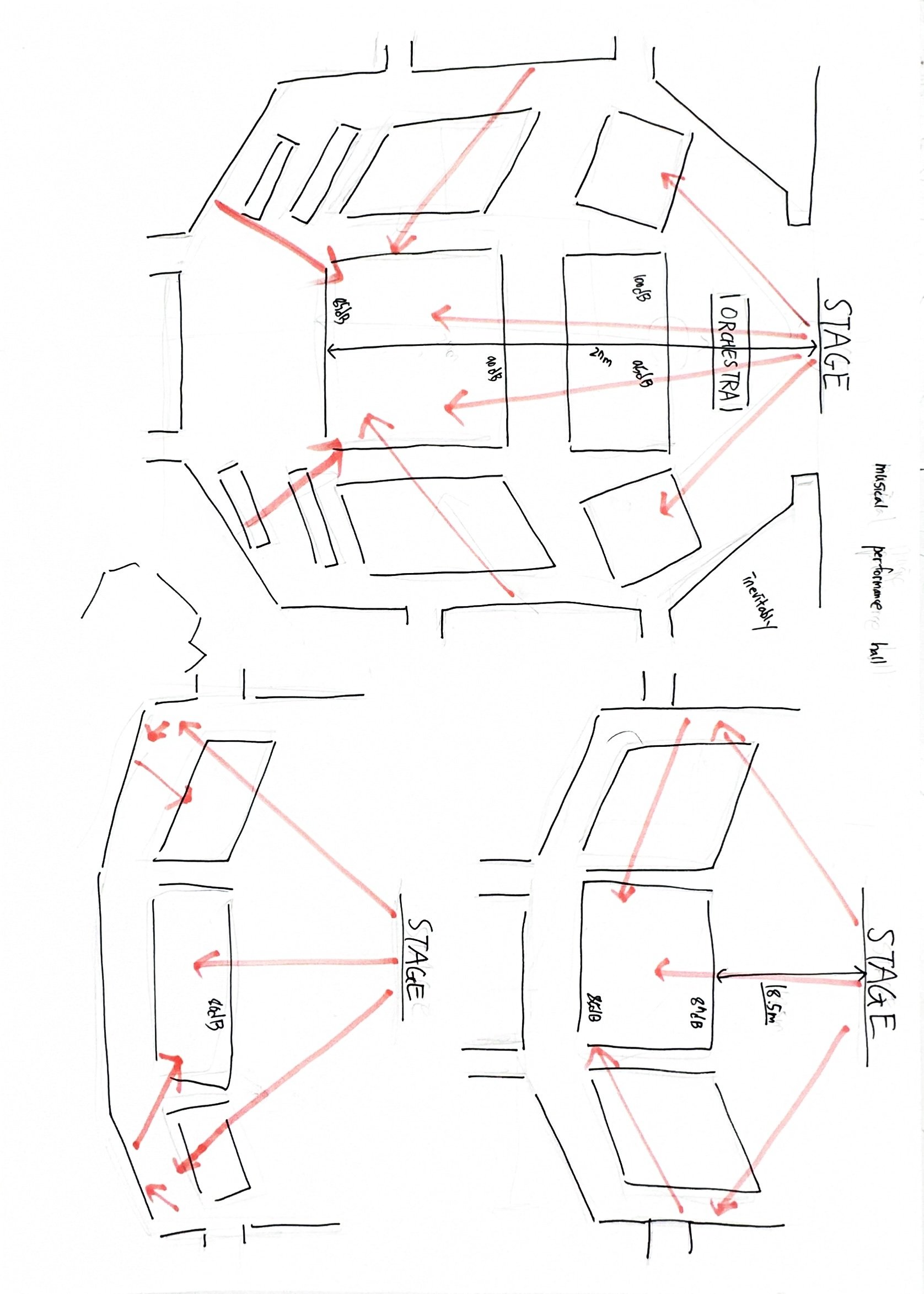
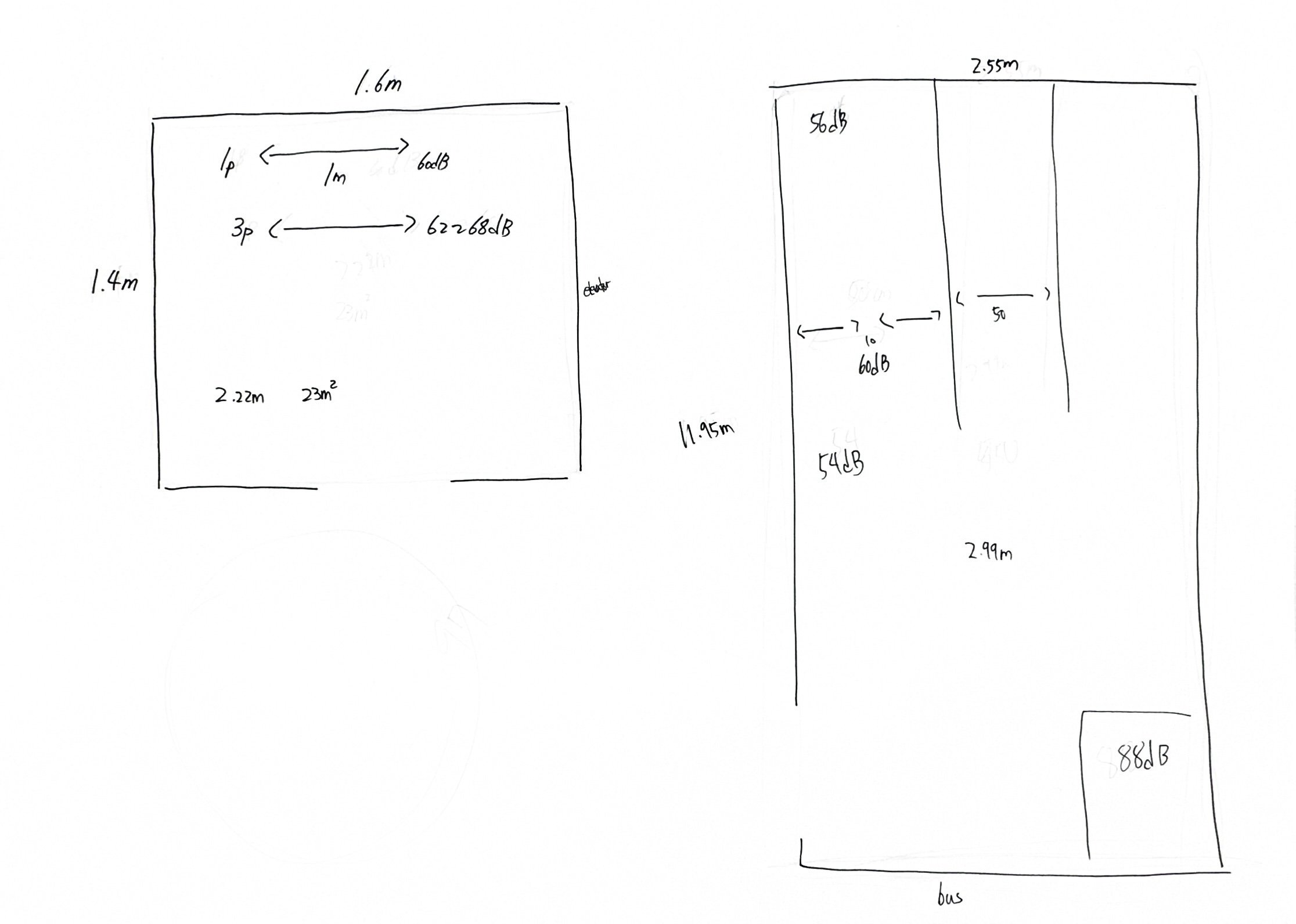
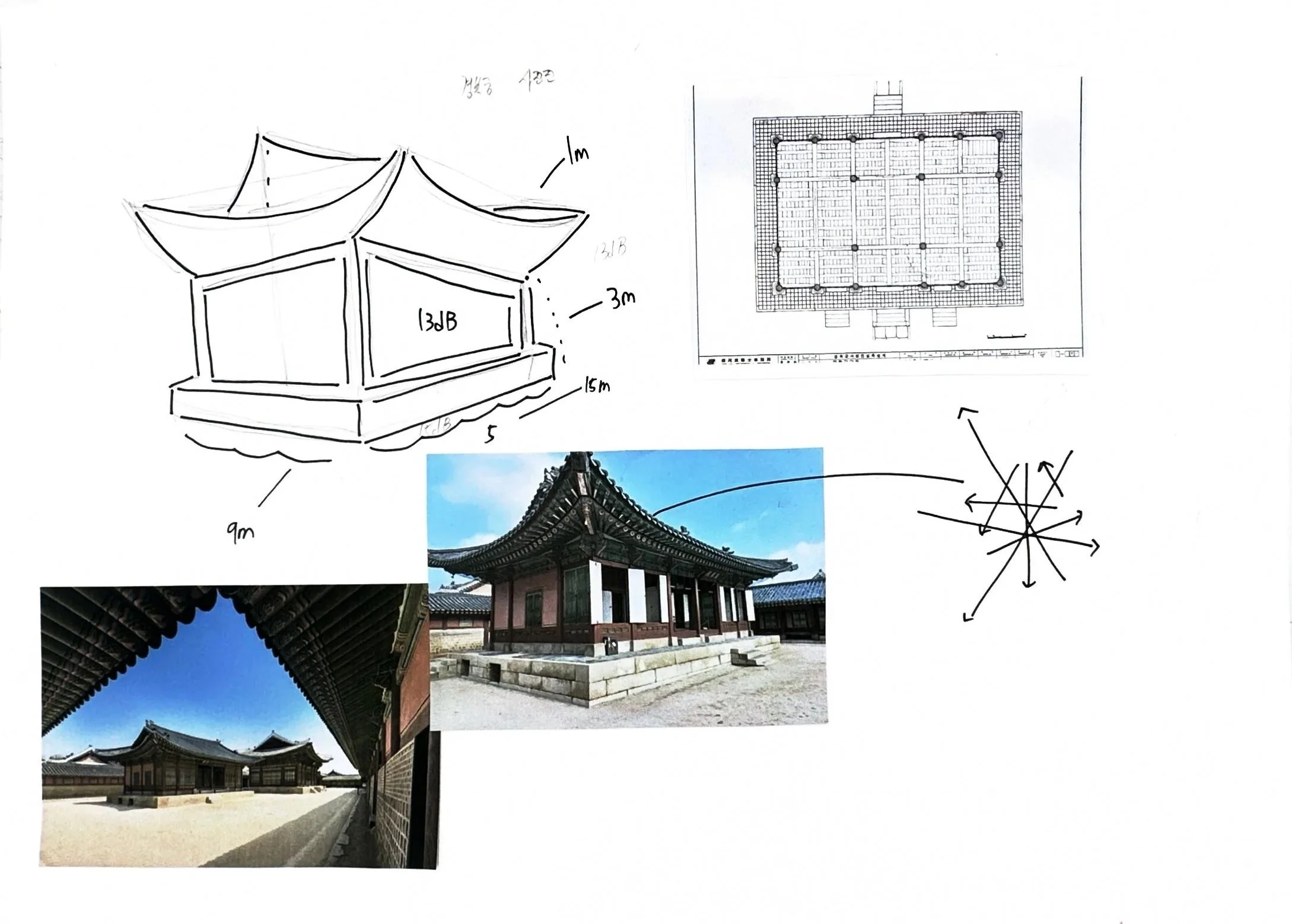
The work can be placed anywhere. Its components are linked to the context of real-world locations, such as elevators, concert halls, and schools. These spaces adjust the density of the gaps between people by absorbing and emitting sound. The interior is more important than the work's environment. Entering a designated space creates a space between people, creating a space for interaction, or creating sound to communicate with the work. The audience isn't simply experiencing the architectural space; they sense it as an instrument revealing emotional characteristics.
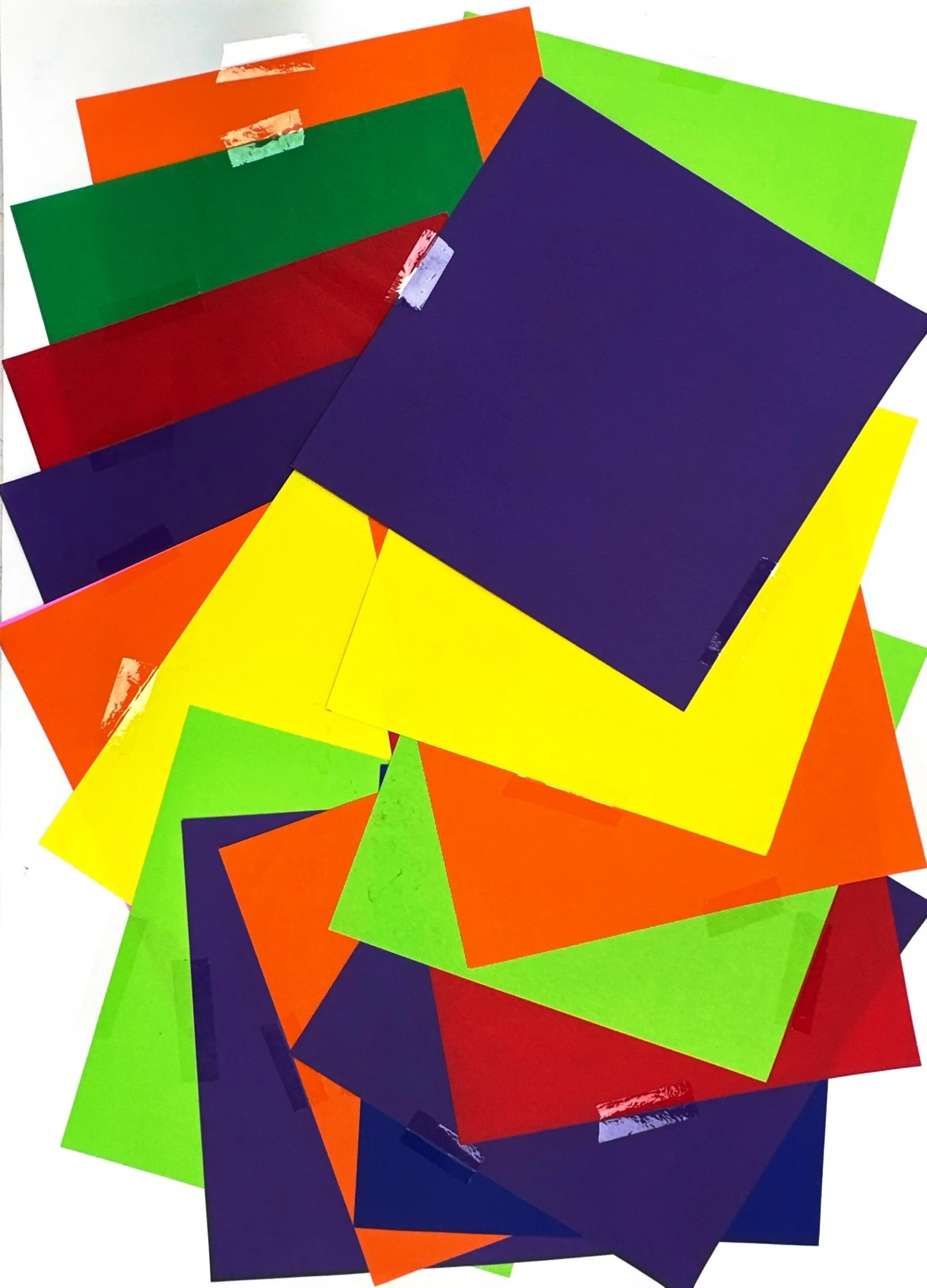
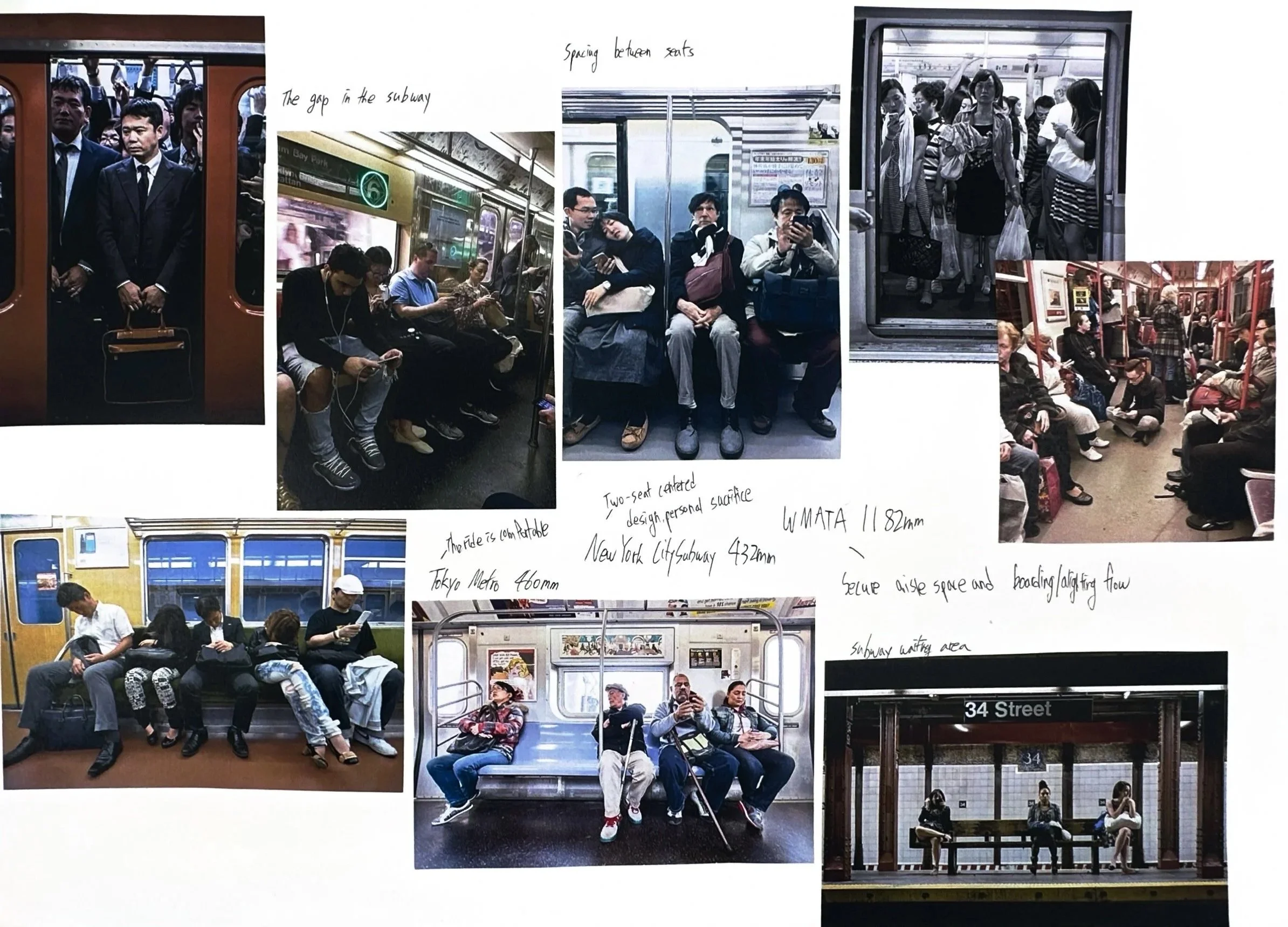
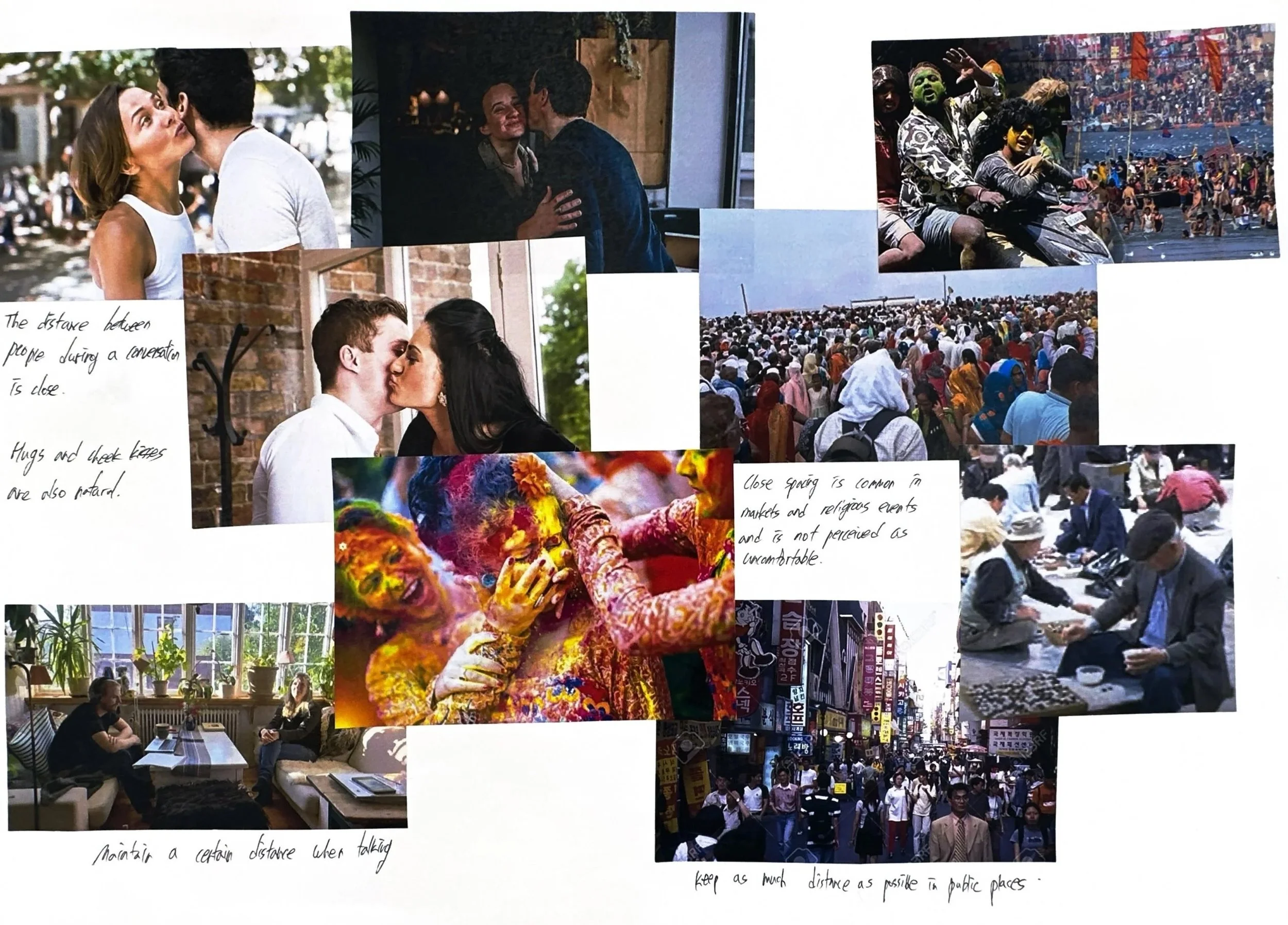
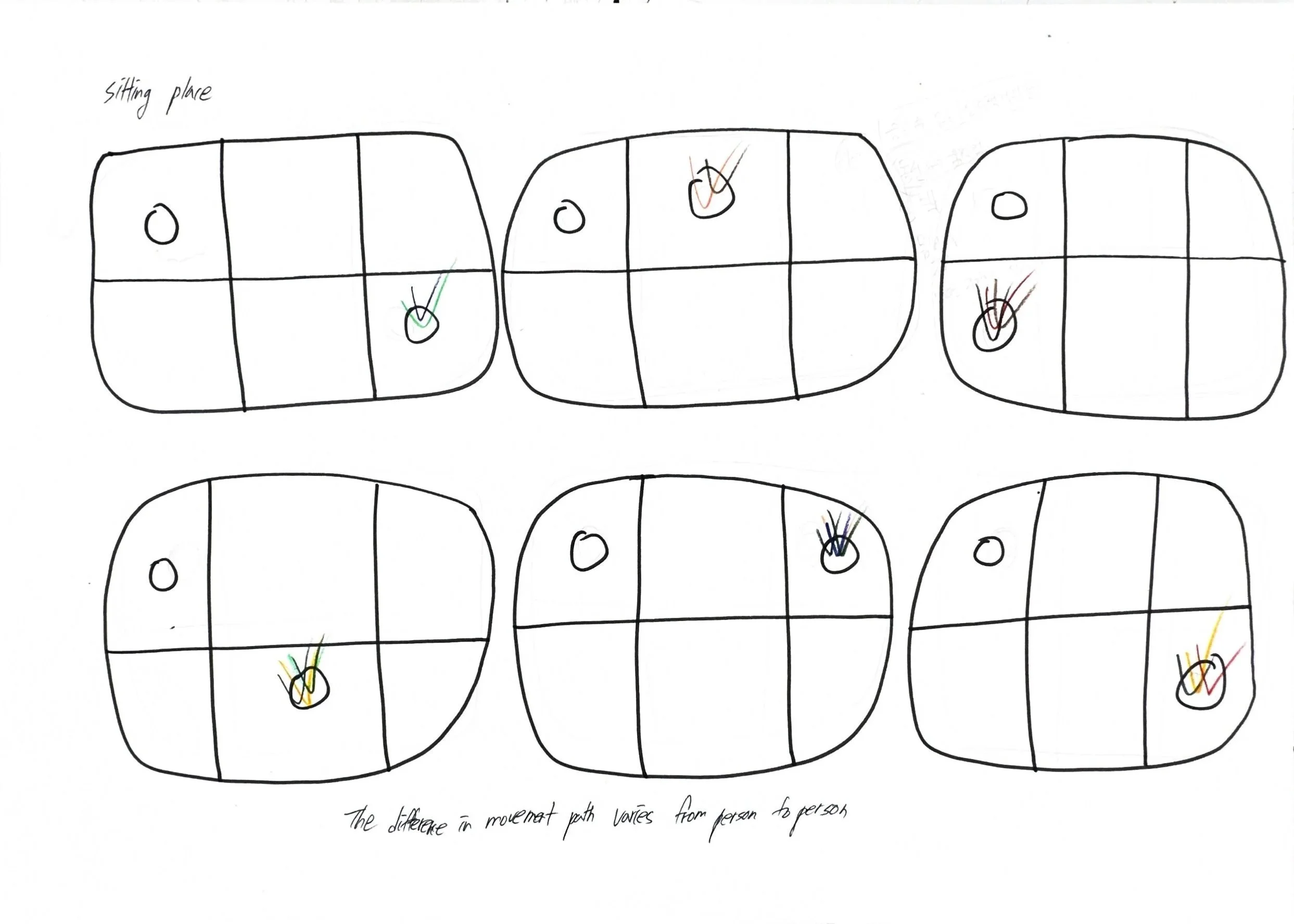
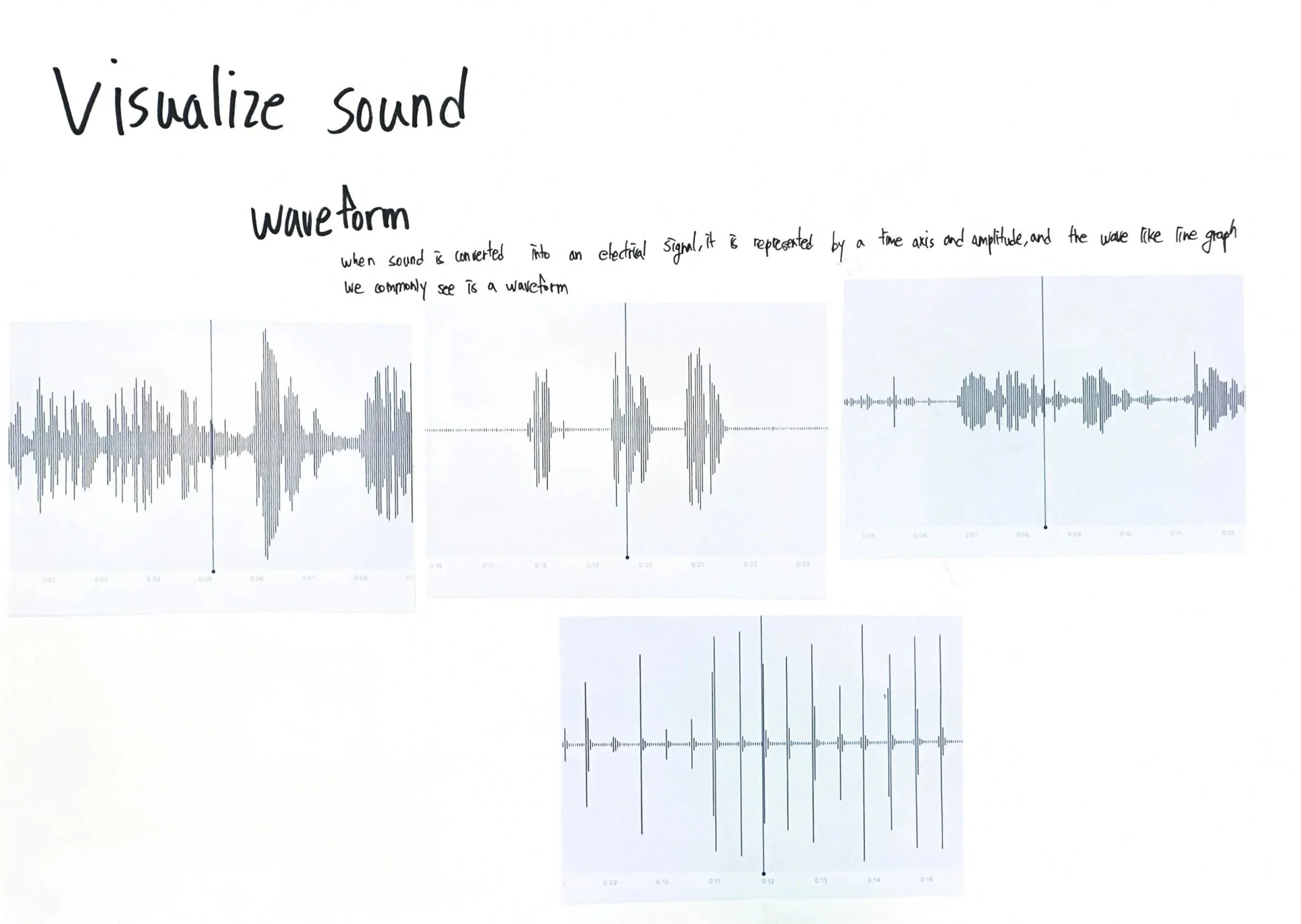
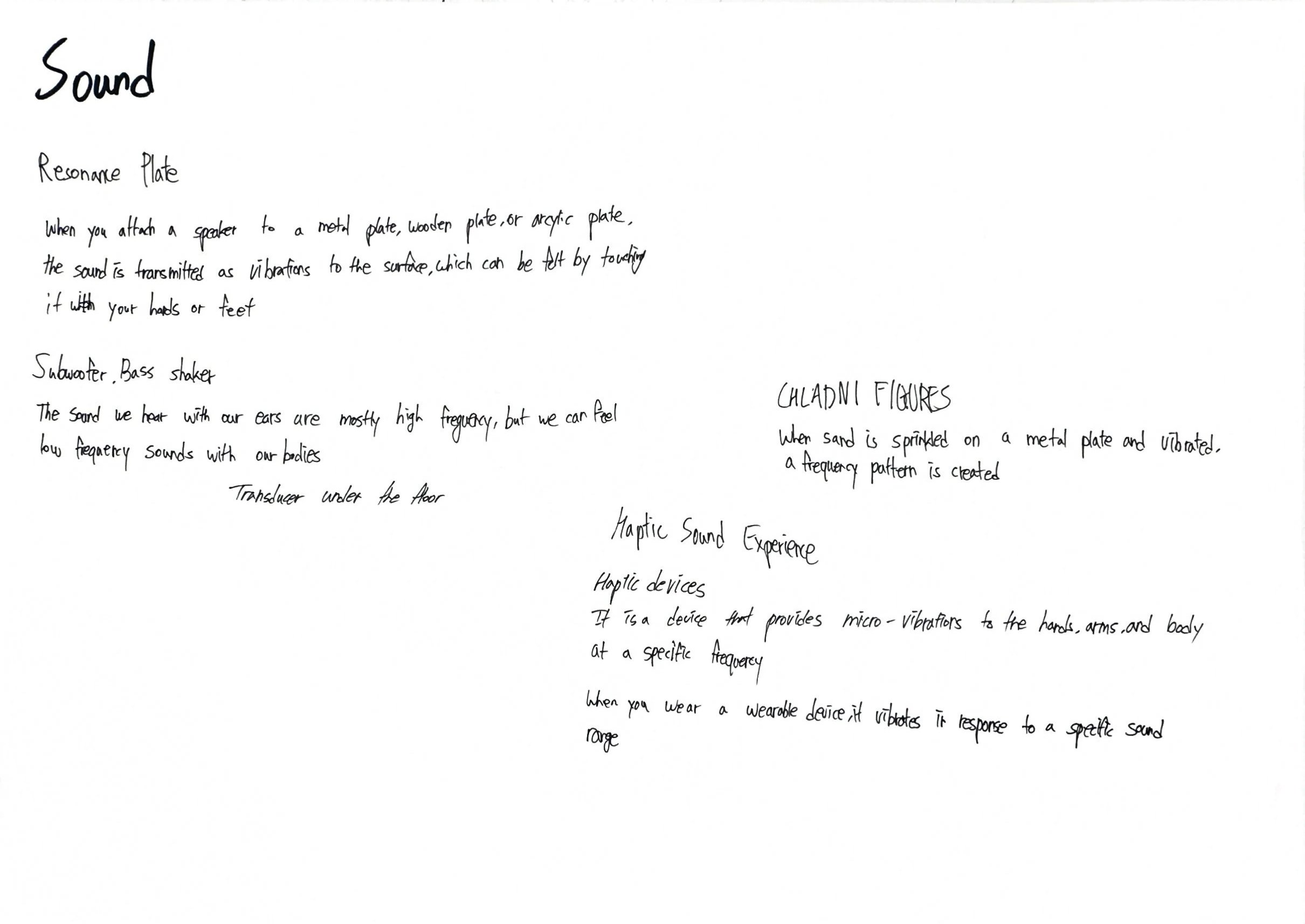
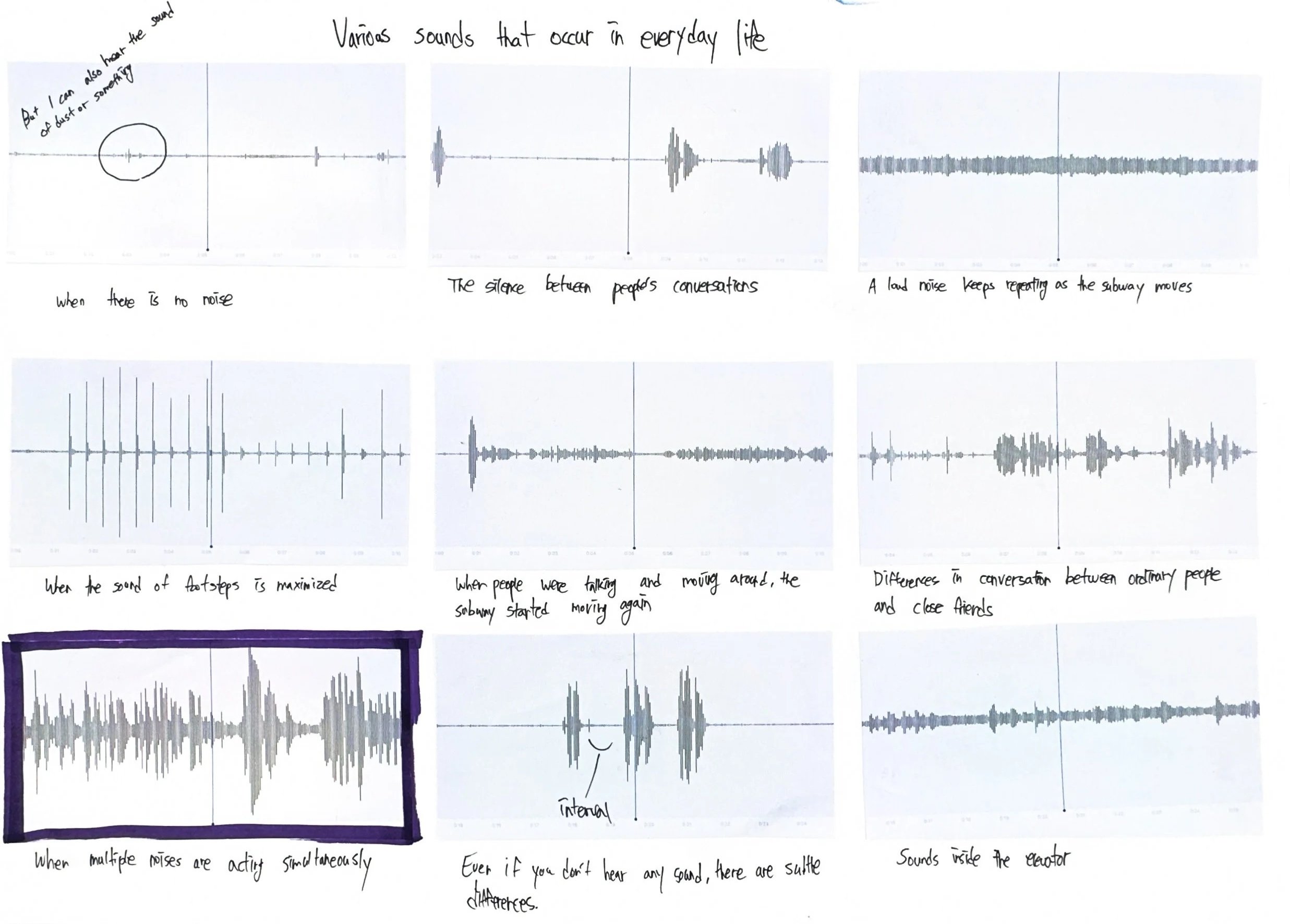
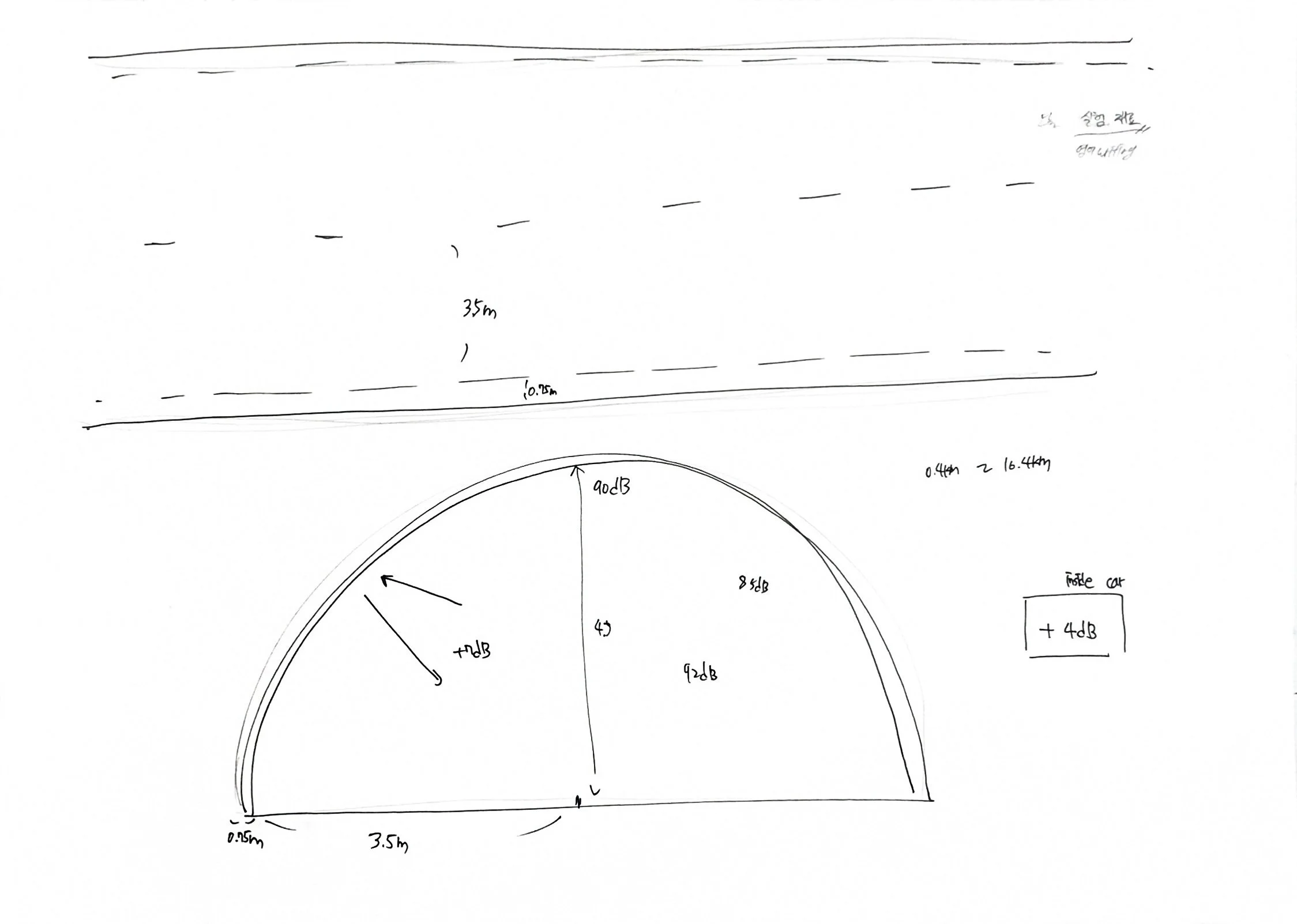
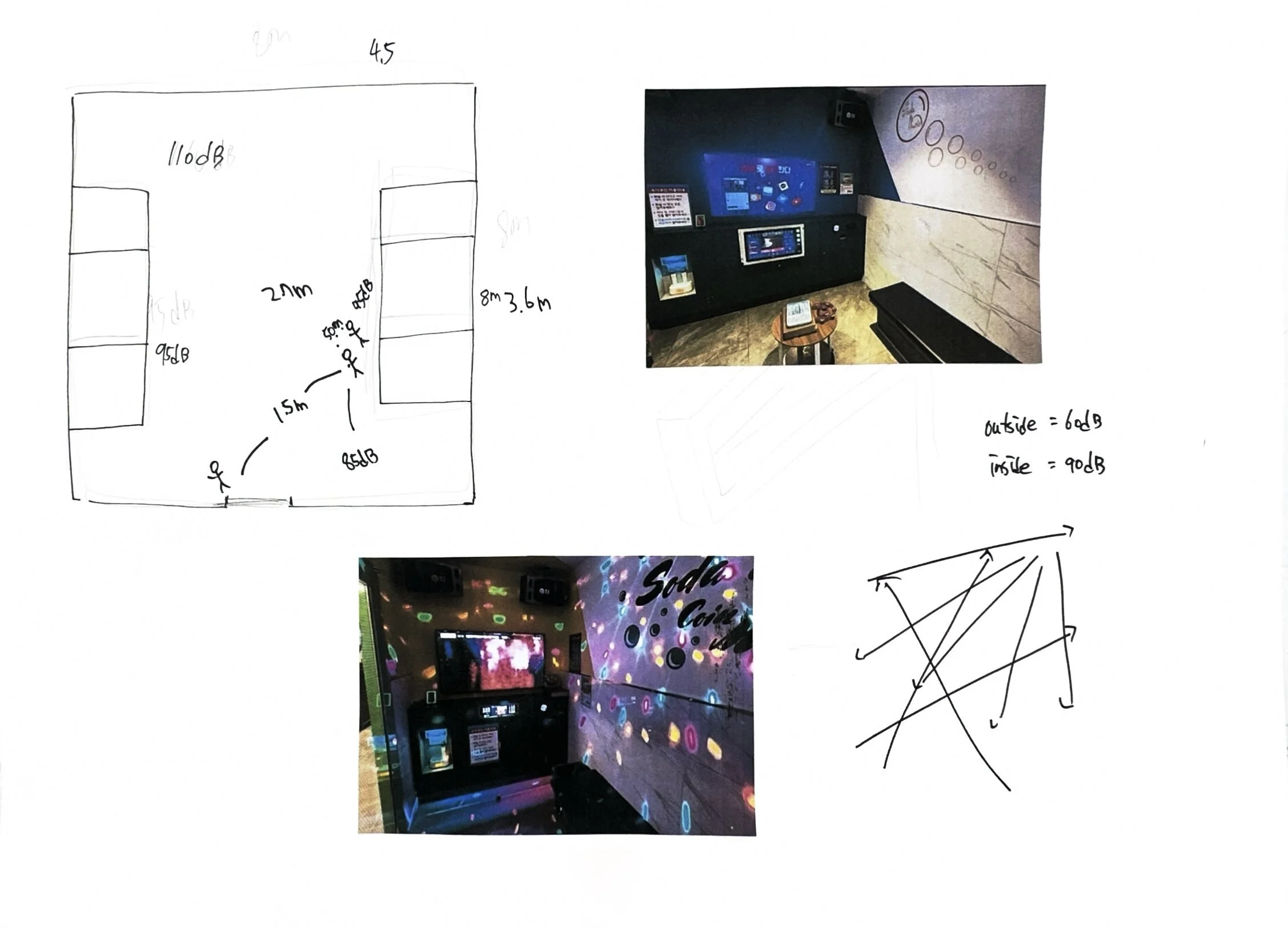
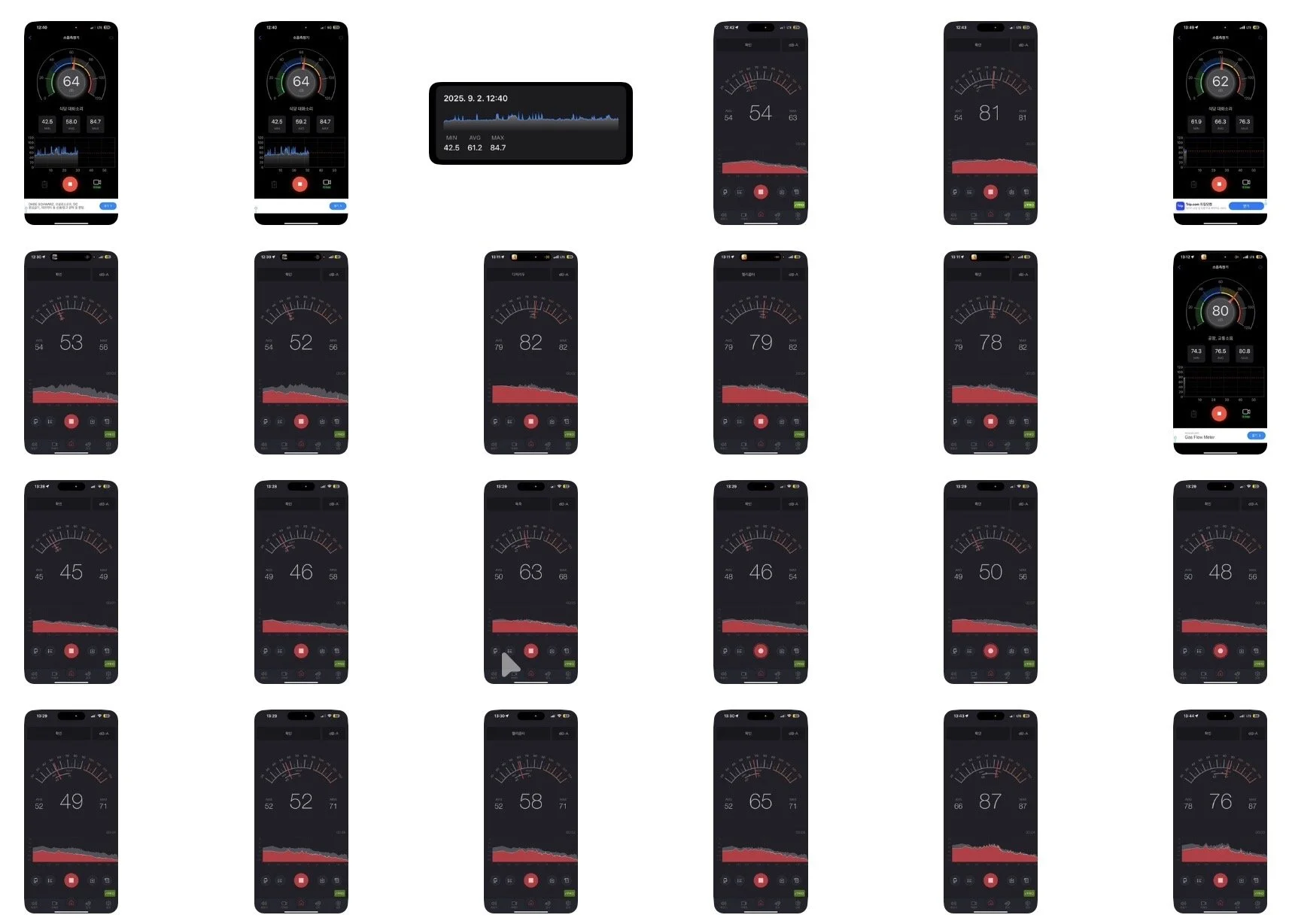
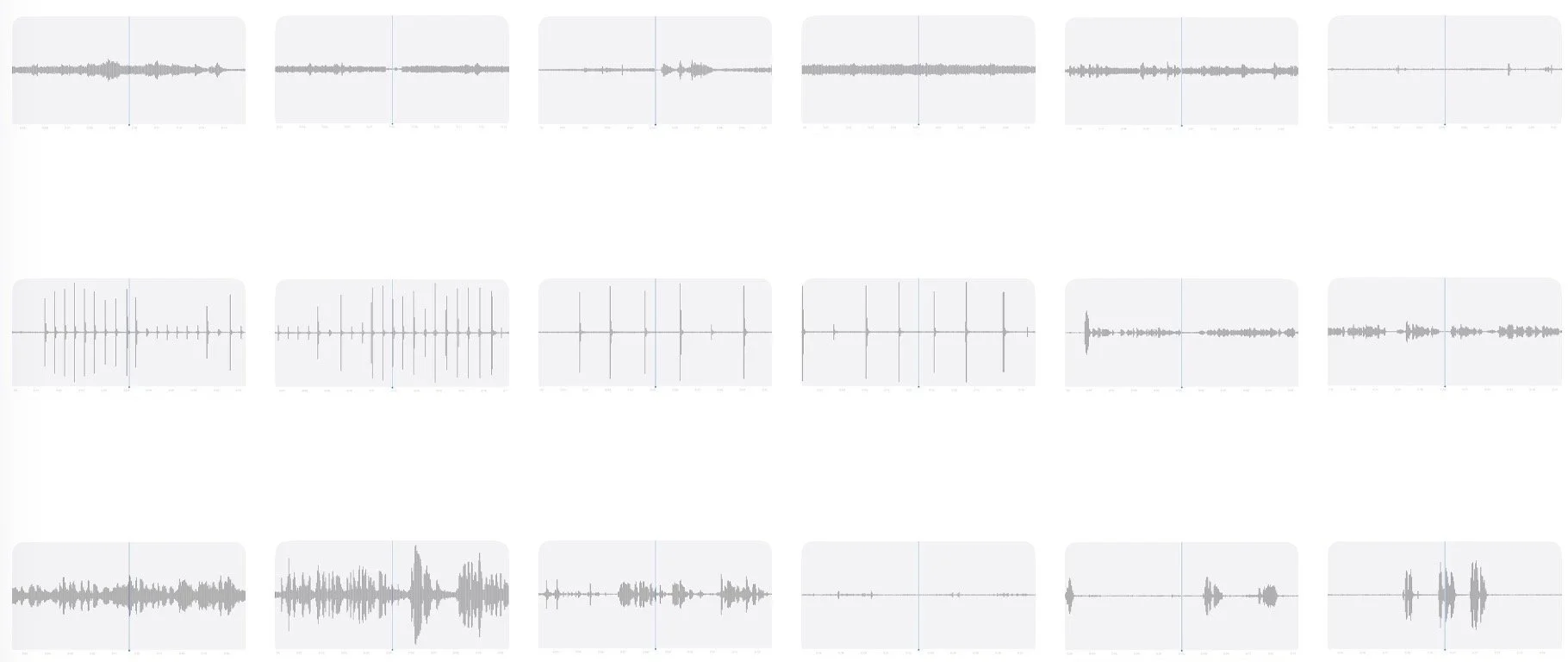
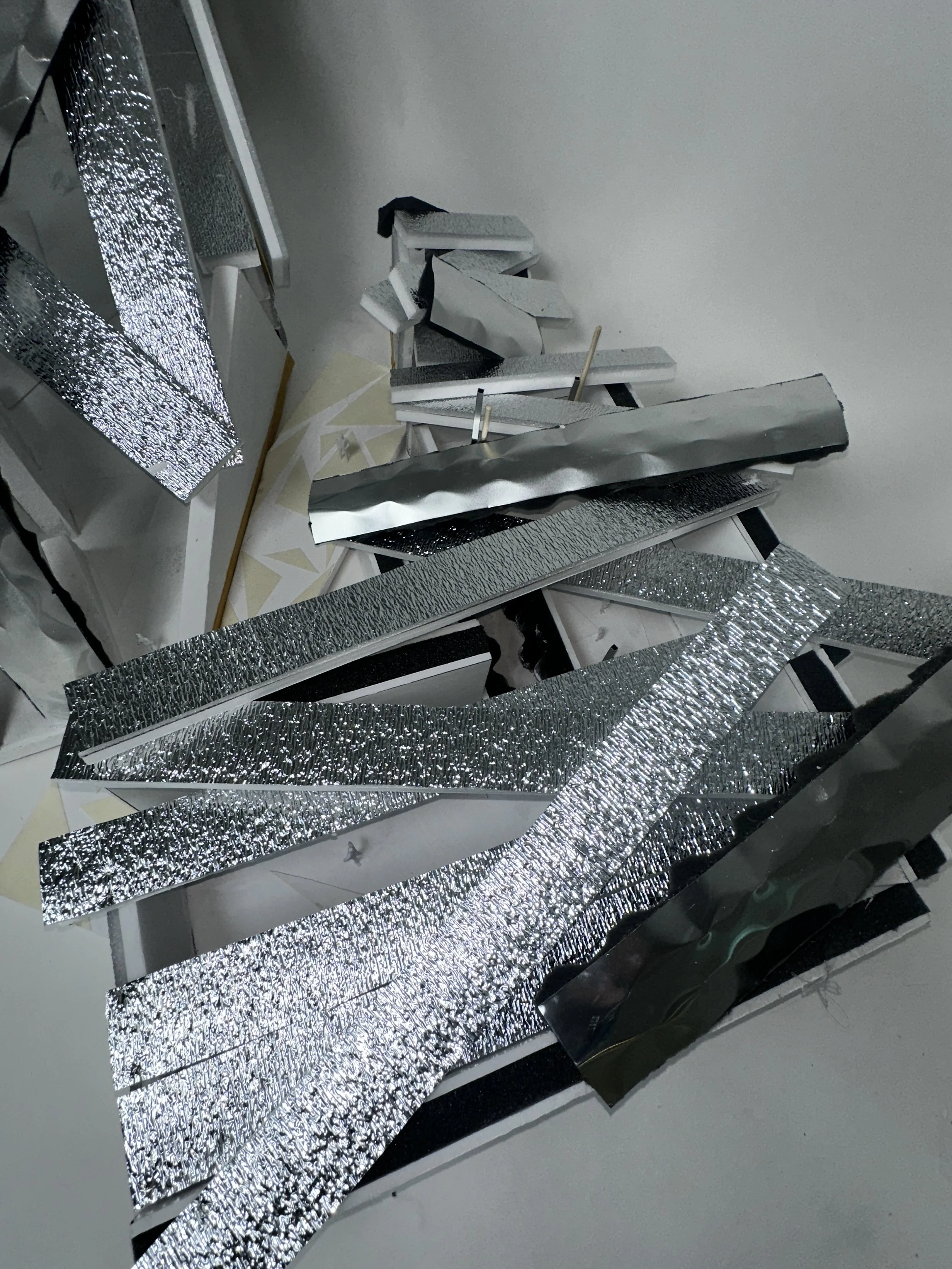
I surveyed places where people inevitably gather and disperse, measuring decibels. We tested all spaces with and without sound. I tested all possible scenarios, including the number of people in a space. I purchased all kinds of sound-related materials, including soundproofing walls, sponges, and metal plates, and conducted experiments under identical conditions. These materials provide opportunities for diverse sounds to blend together. This process is crucial to the structure of the work, so I worked carefully.
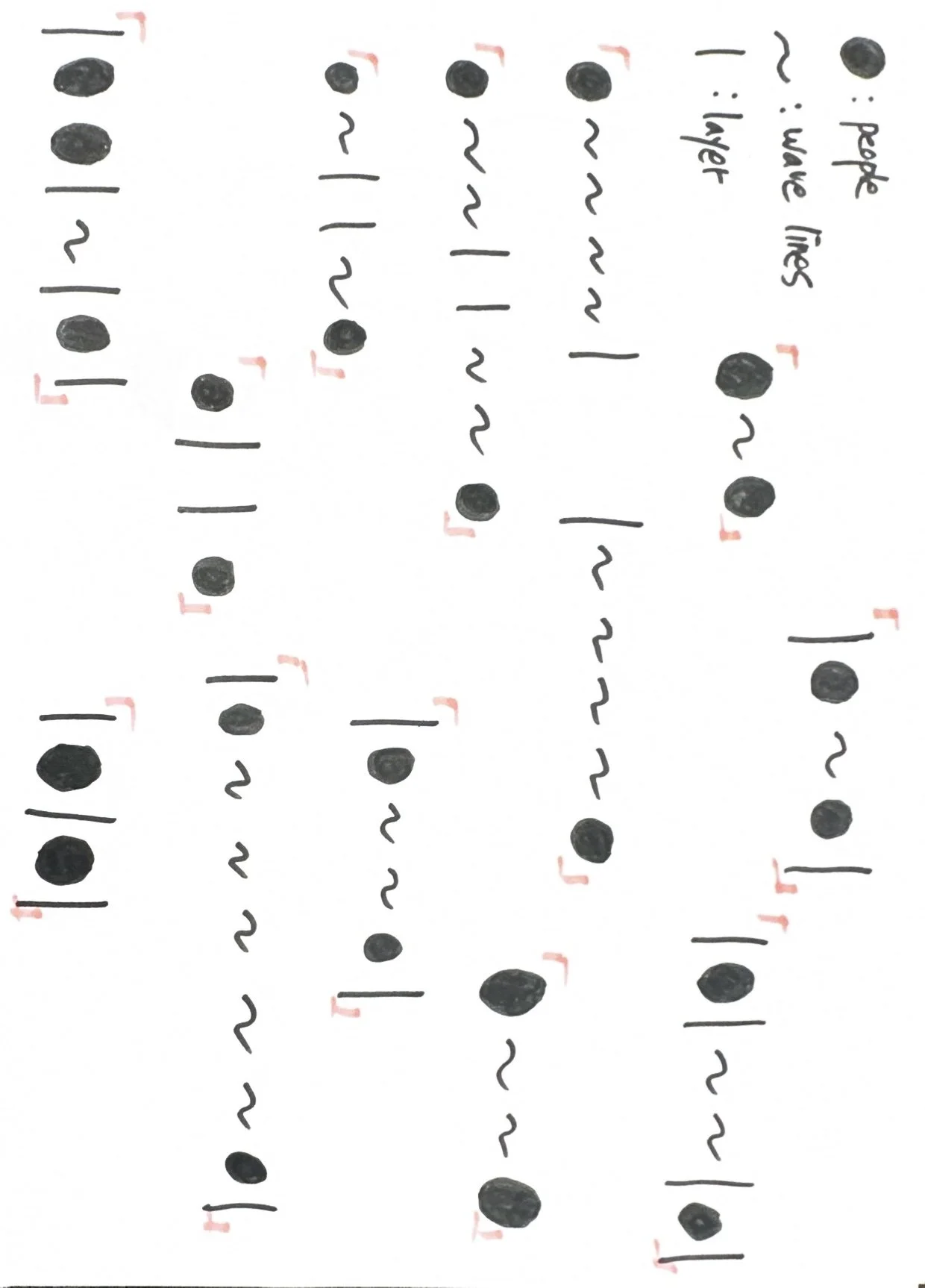
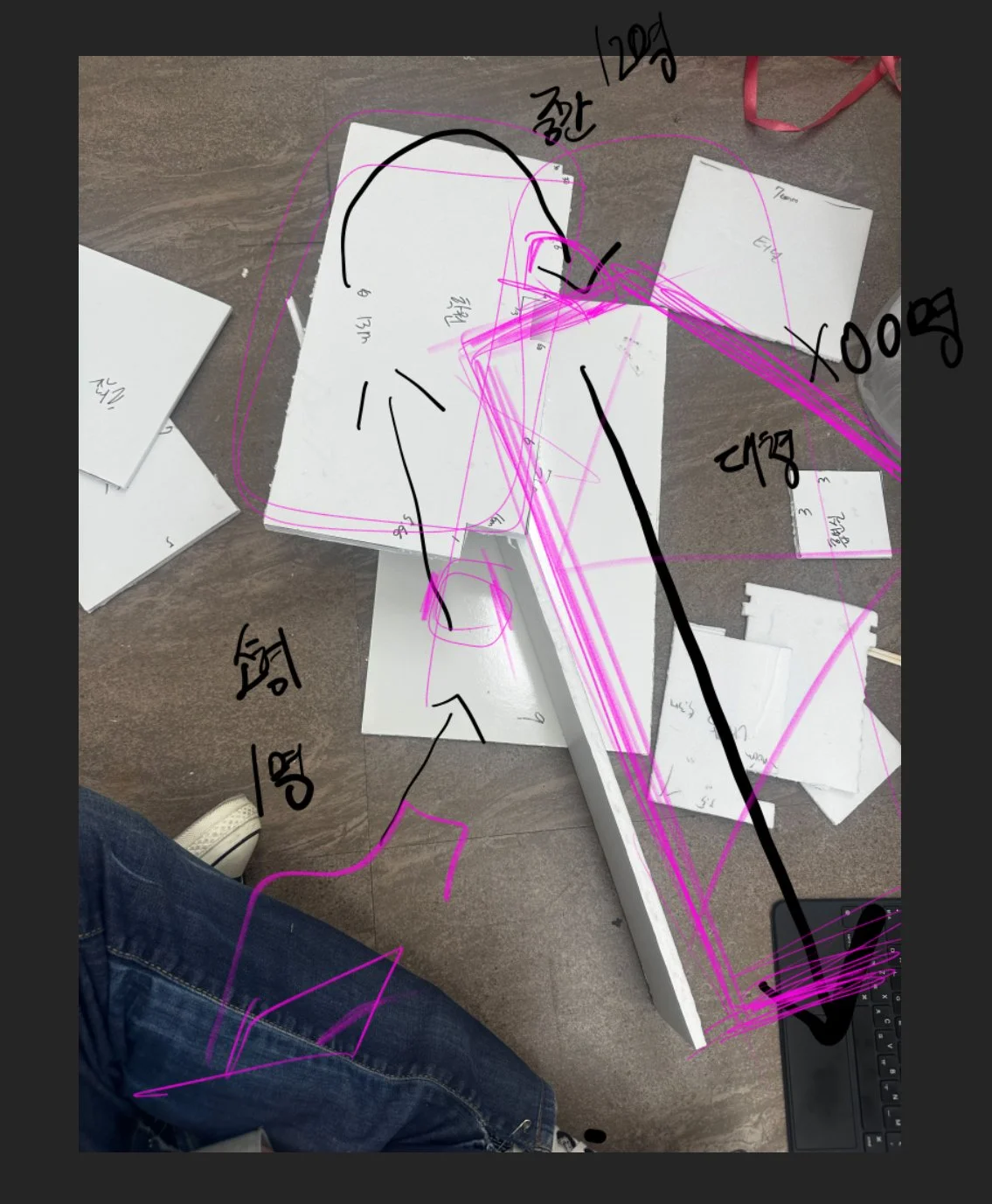
The composition was divided into three zones based on the number of people allowed, and the spaces with and without sound were appropriately arranged to allow people to experience a variety of sounds. All the structures were designed with the assumption that 1 meter = 3 cm. People can sense the distance between themselves and others through sound and experience scenes where those distances converge to form a single harmony. Texture utilizes both sound and non-sound materials to create an appropriate experience. The elements are appropriately combined with the theme to reinforce its message. This is an improvisational fantasy that is played spontaneously and anew based on the movements of the people within the space.
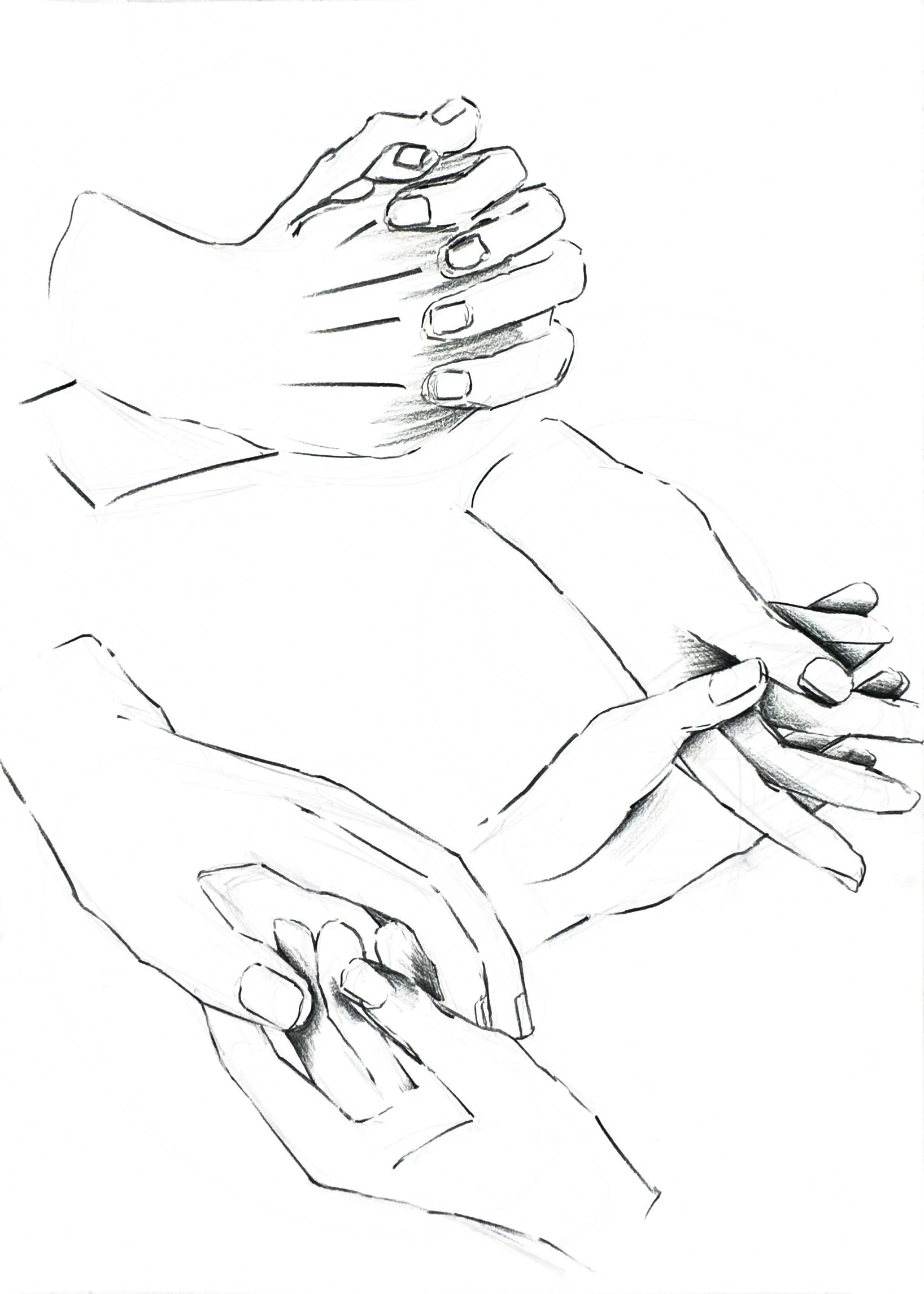
Through feedback, I learned how to approach this work with depth. This work was effective in directly expressing the psychological and practical distances between people through sound, achieving spatialization of sound and was highly effective in conveying the intended message. This work reflects on the psychological impact of distance. I felt it provided a chance to rethink the distances I had been concerned about in my relationships with others. It was also meaningful because it created a space where I could achieve universal human experiences rather than simply consume space.