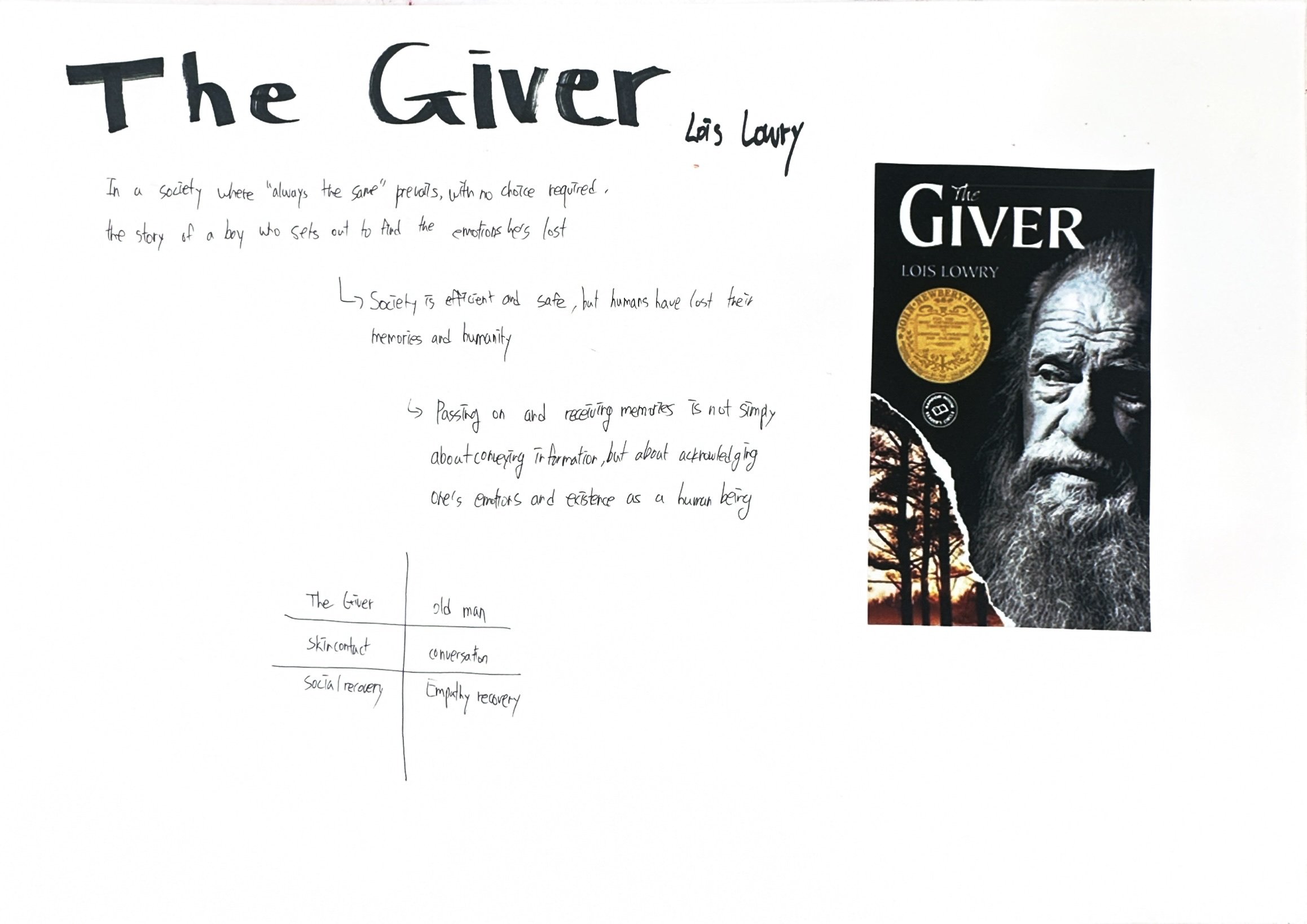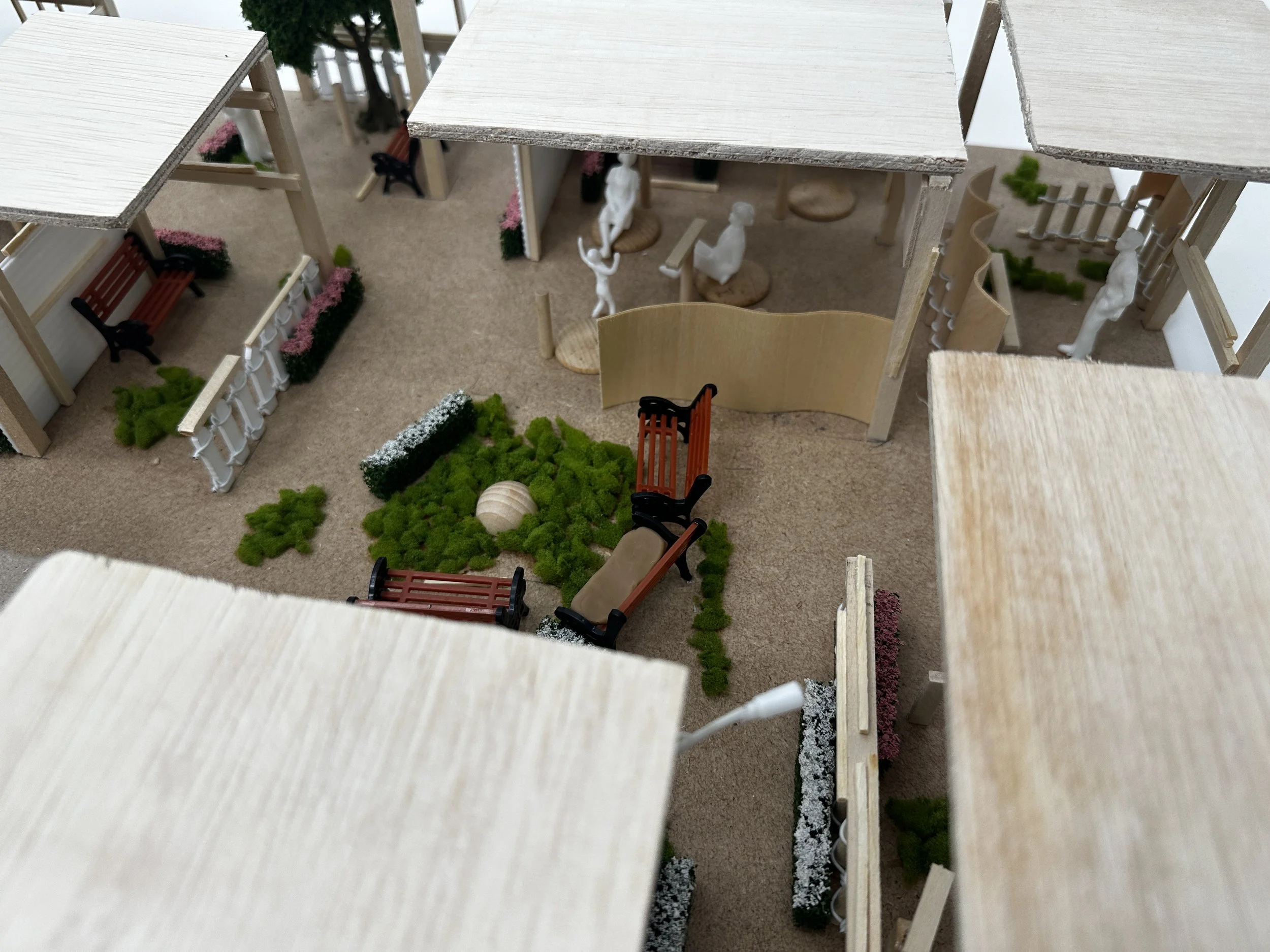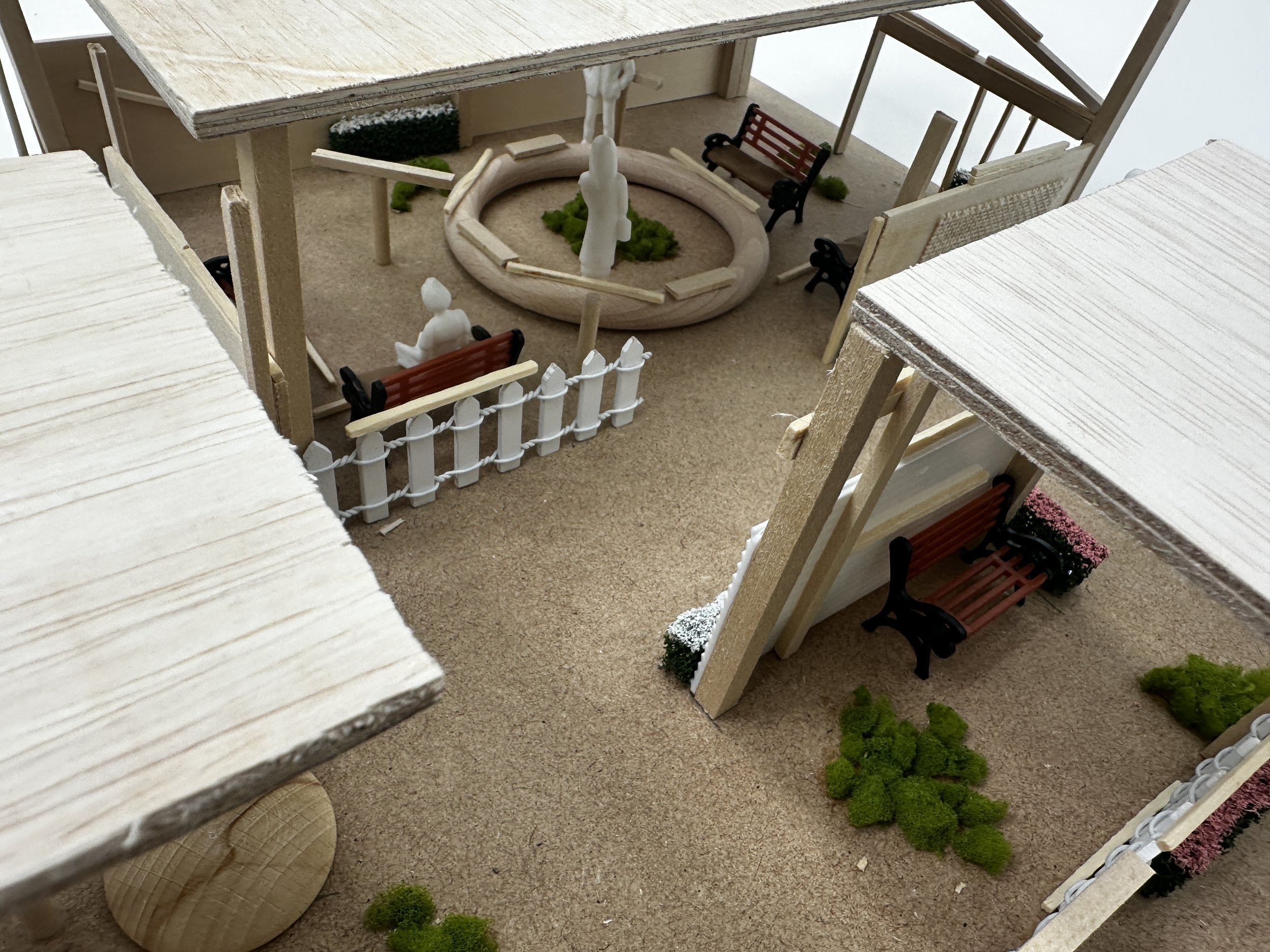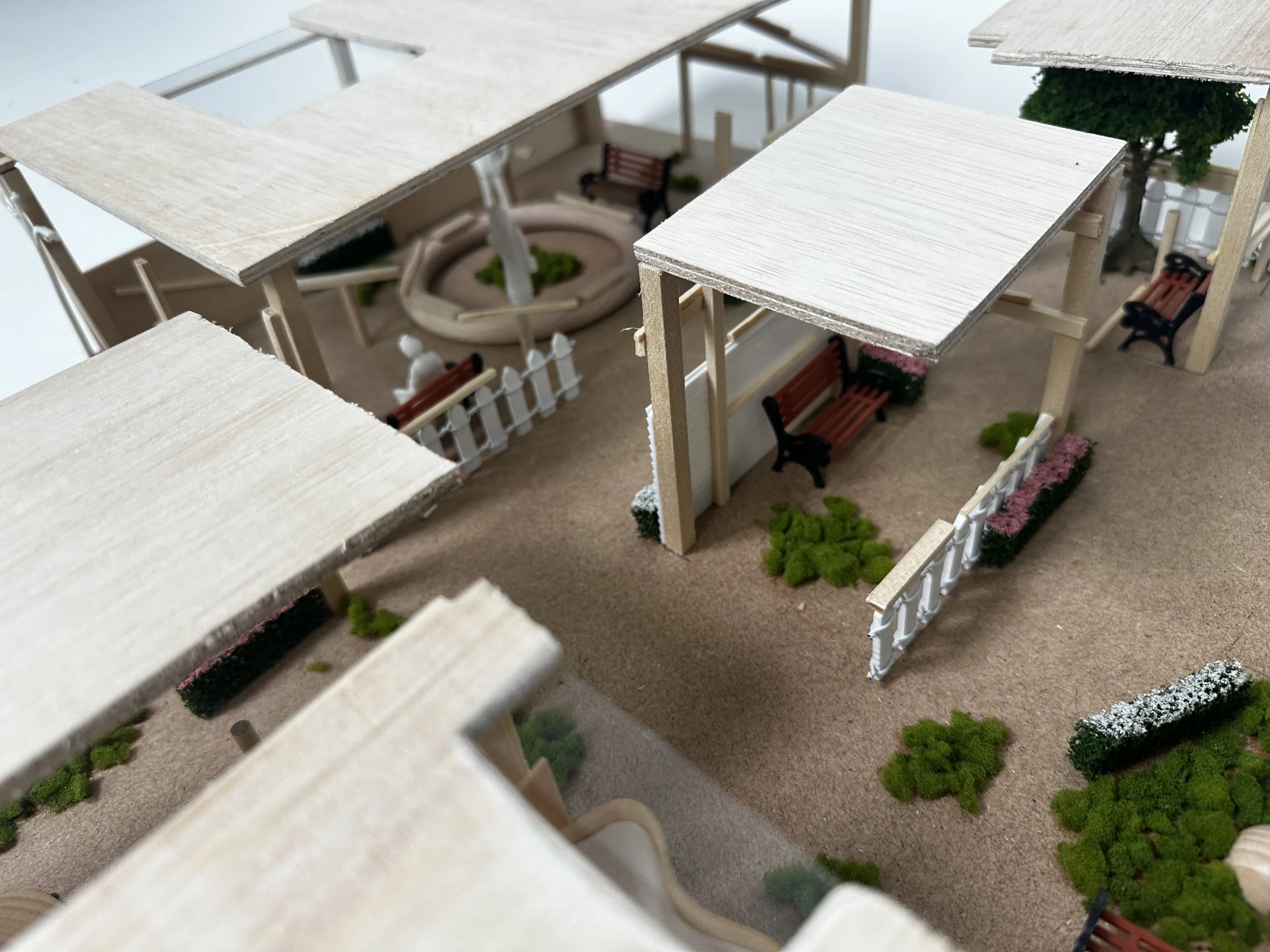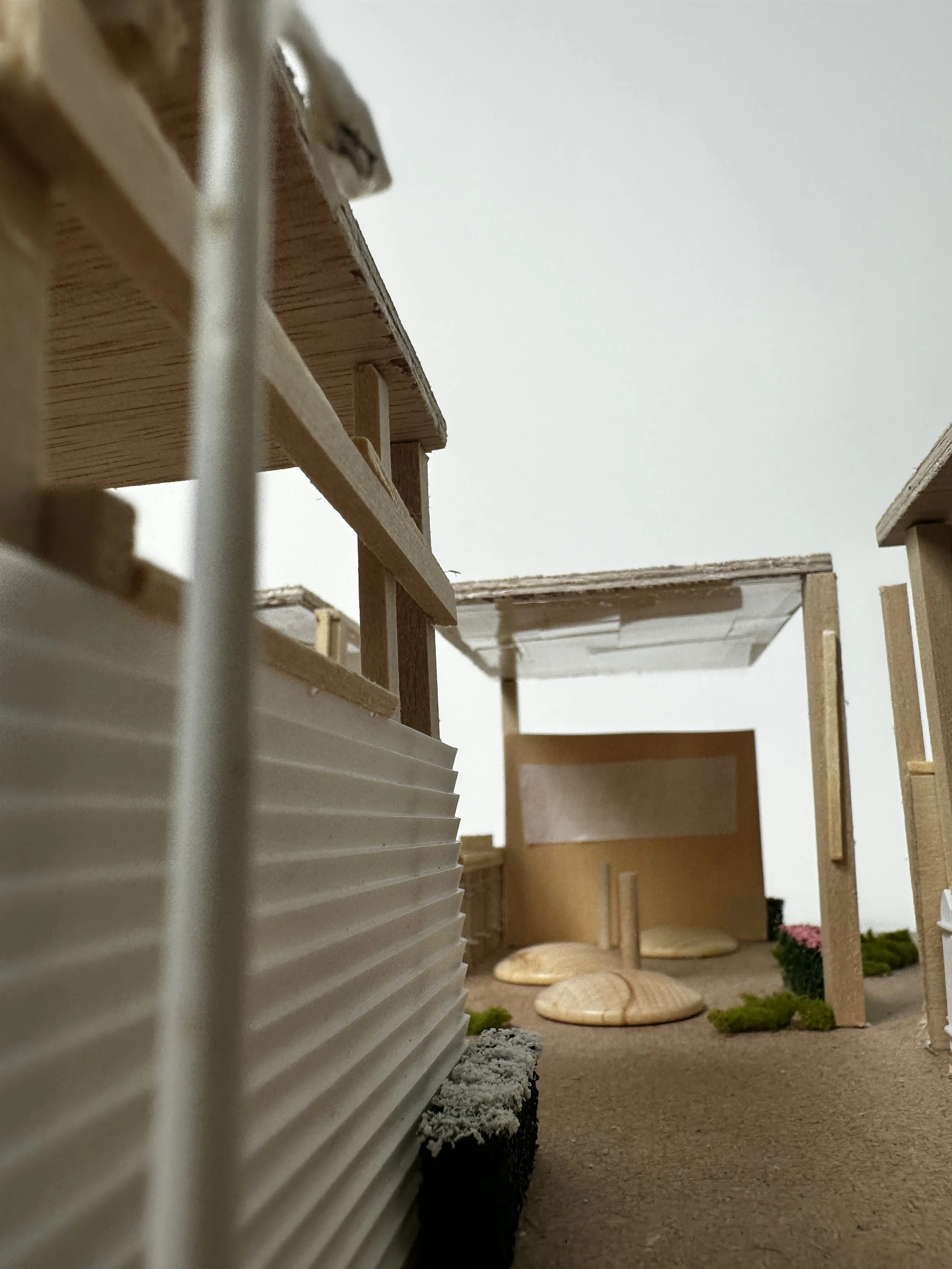
The Giver
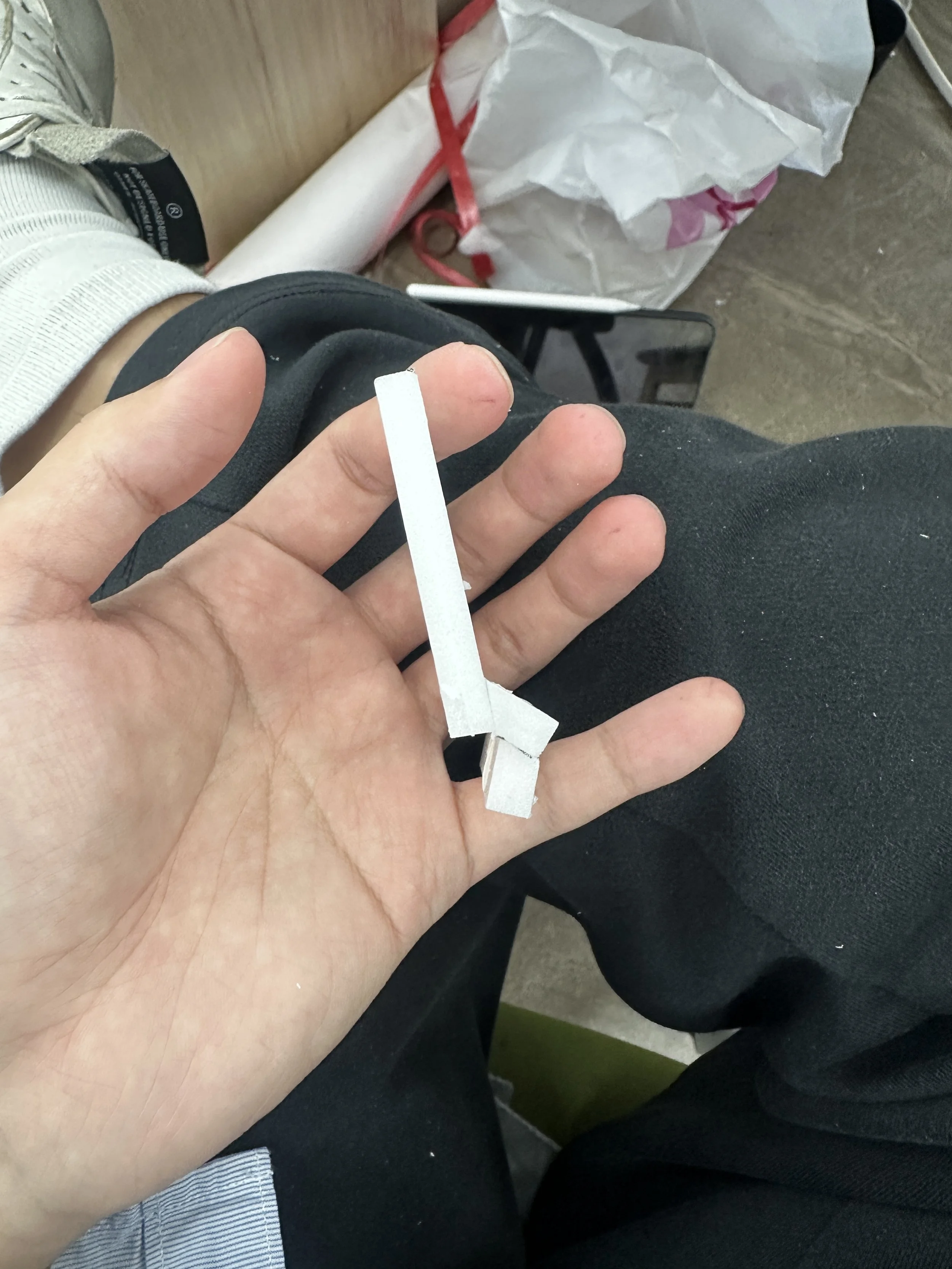
blender
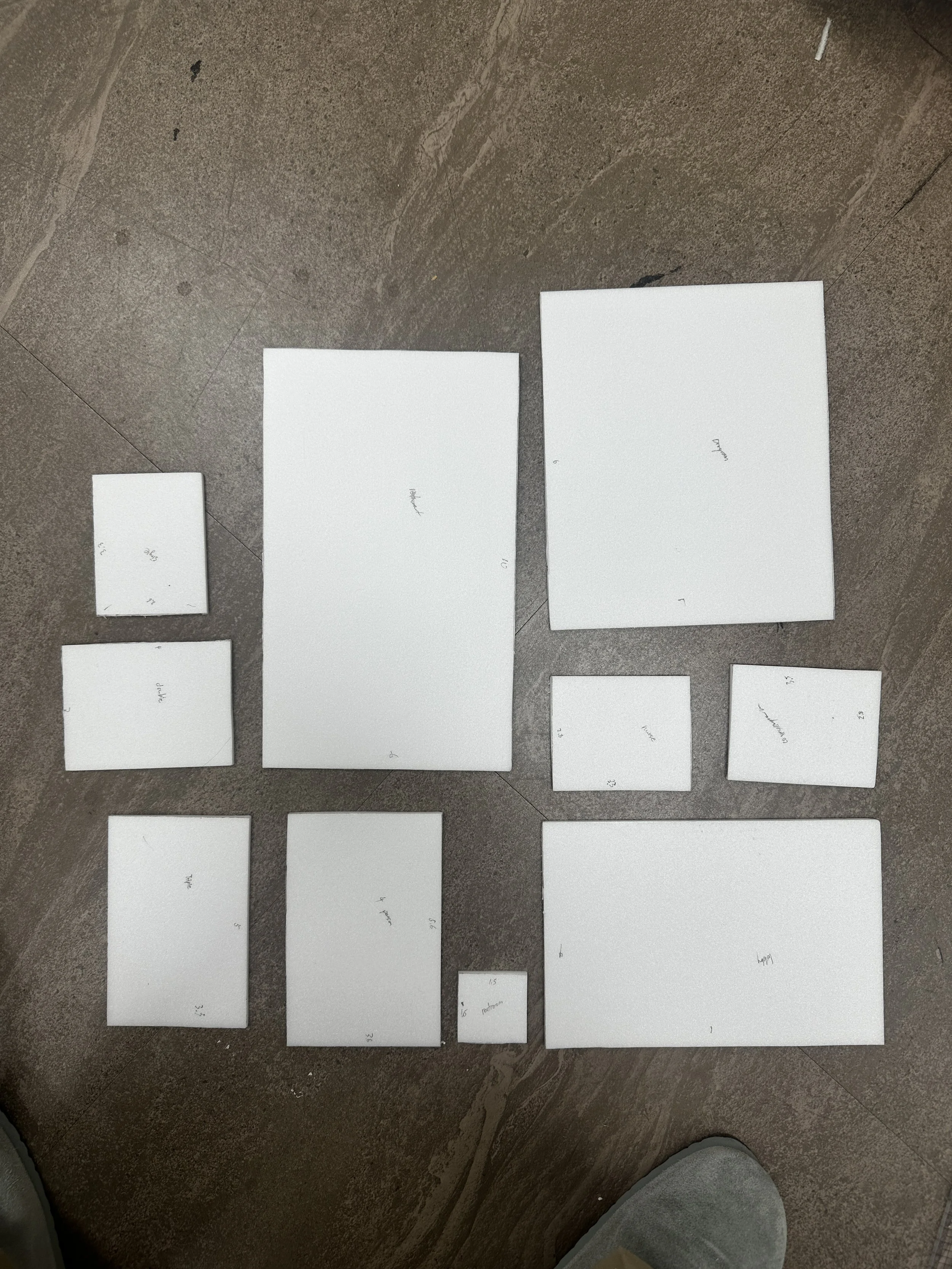
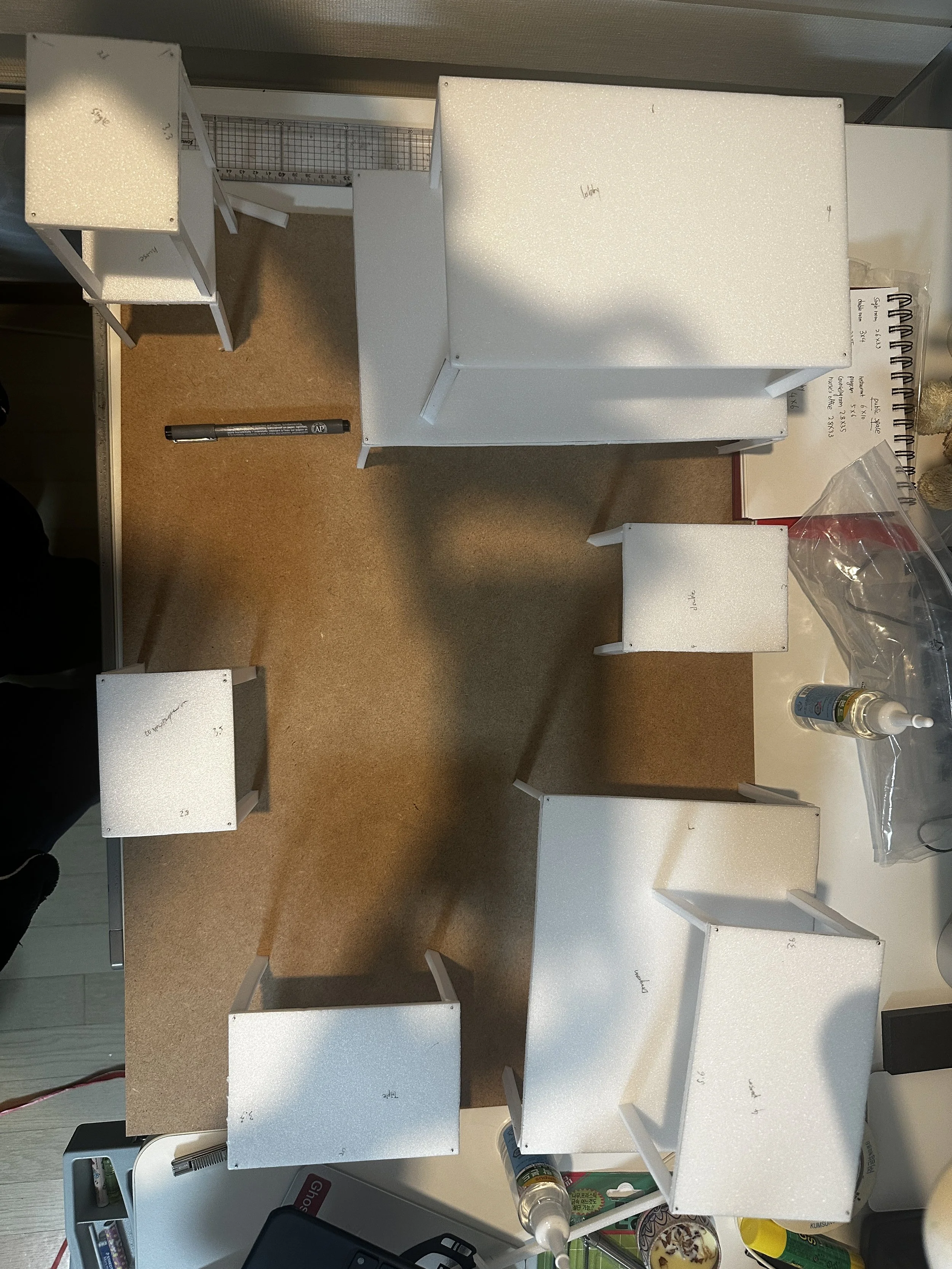
30x10x3.3cm
50:1
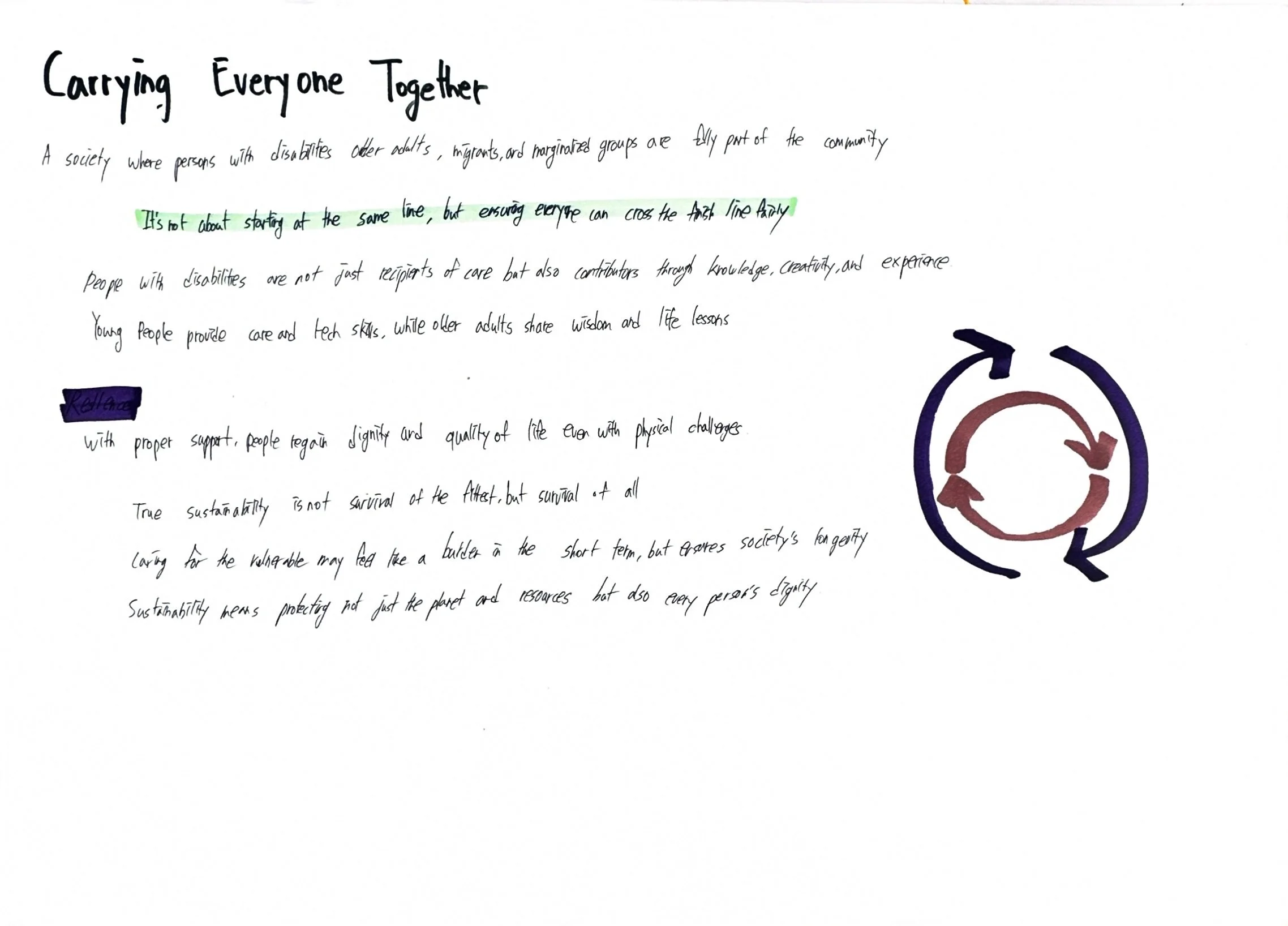
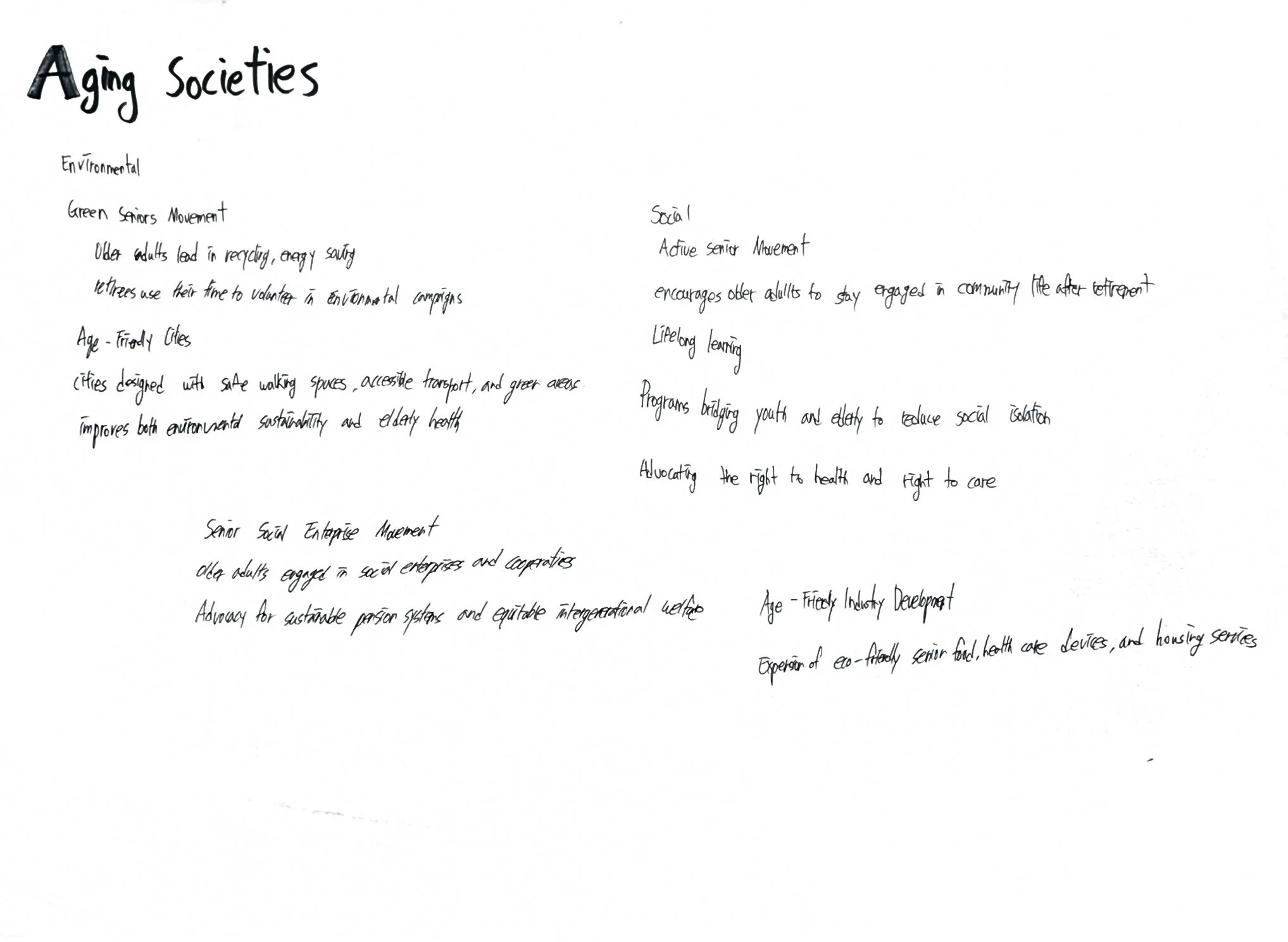
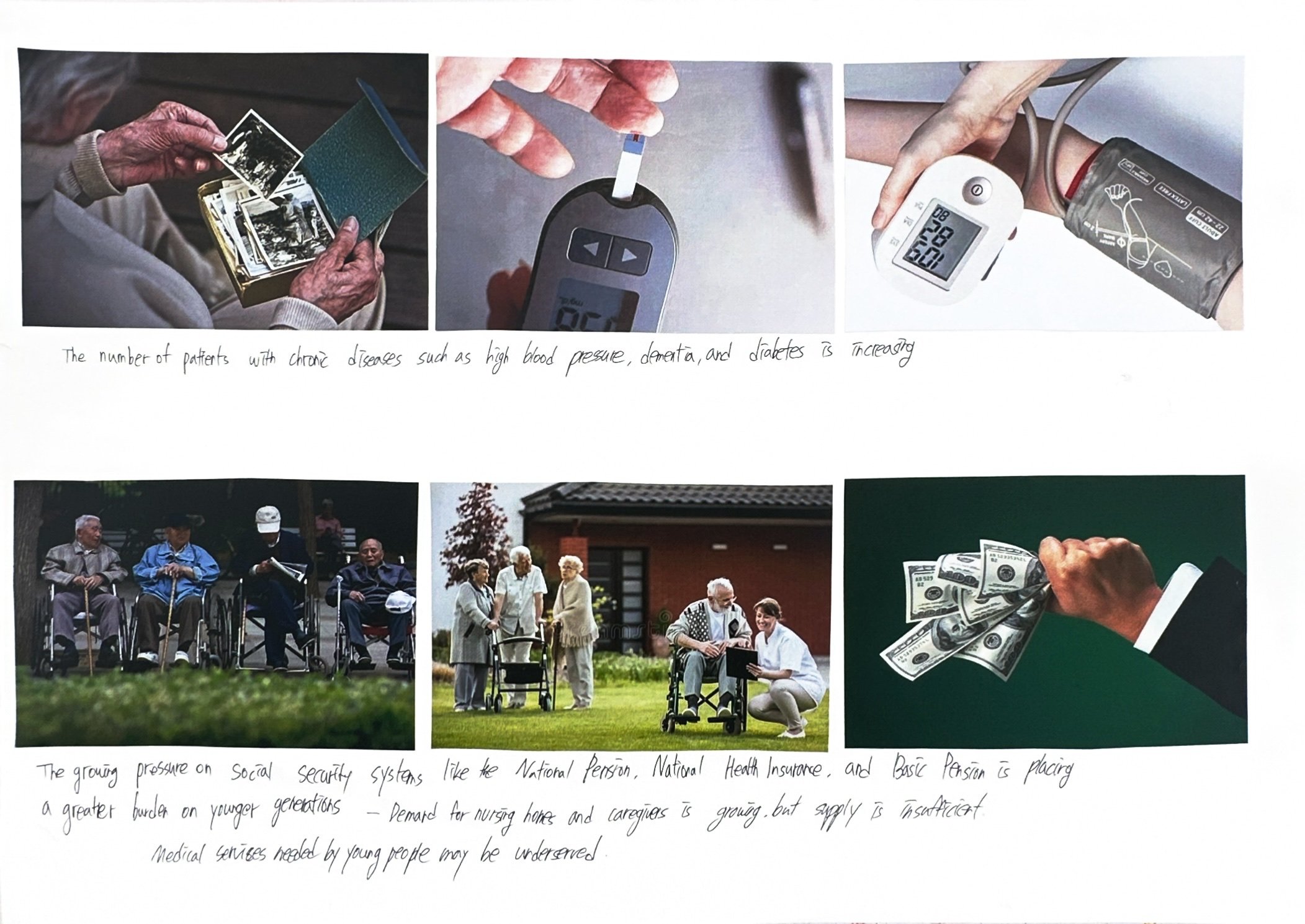
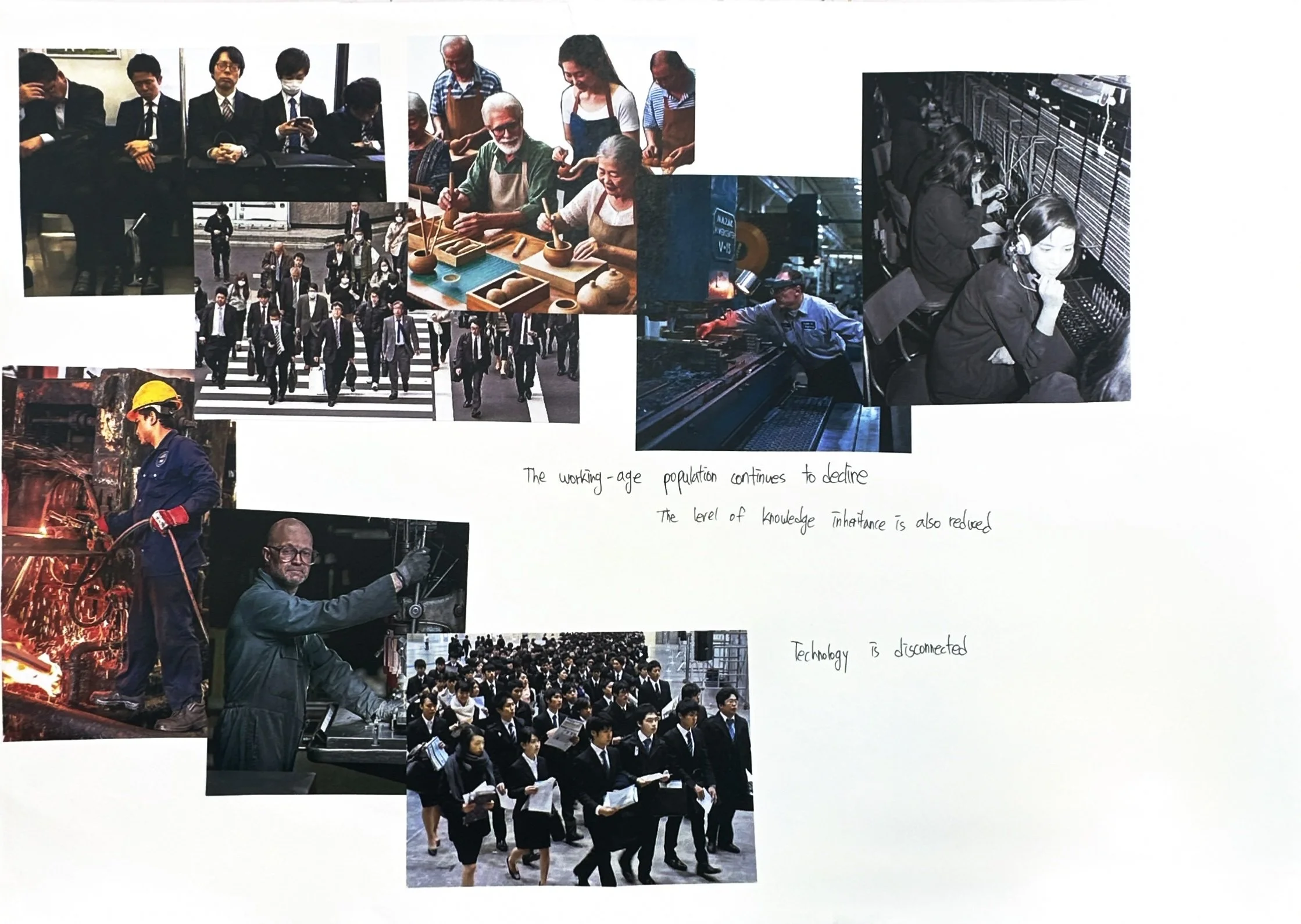
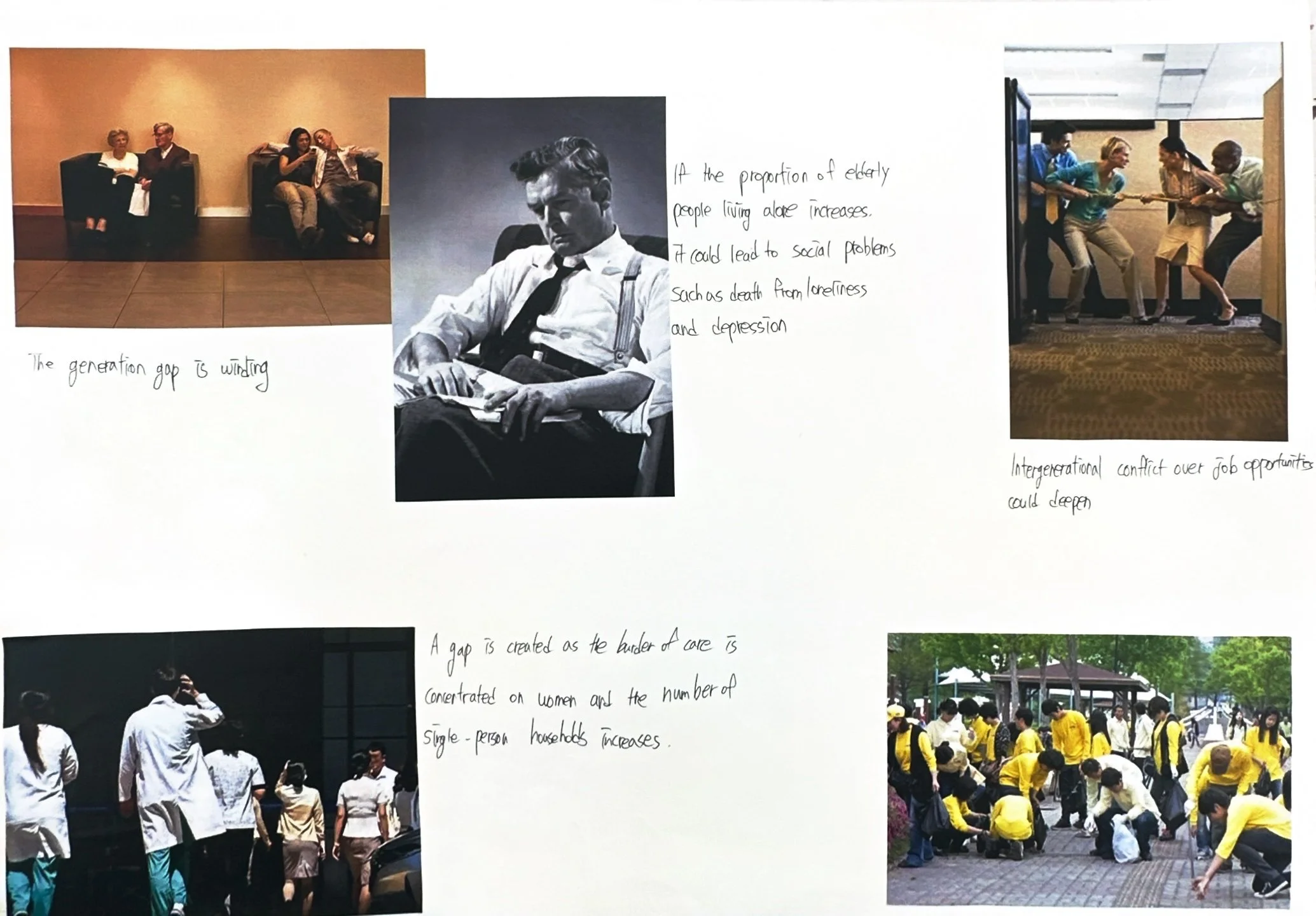
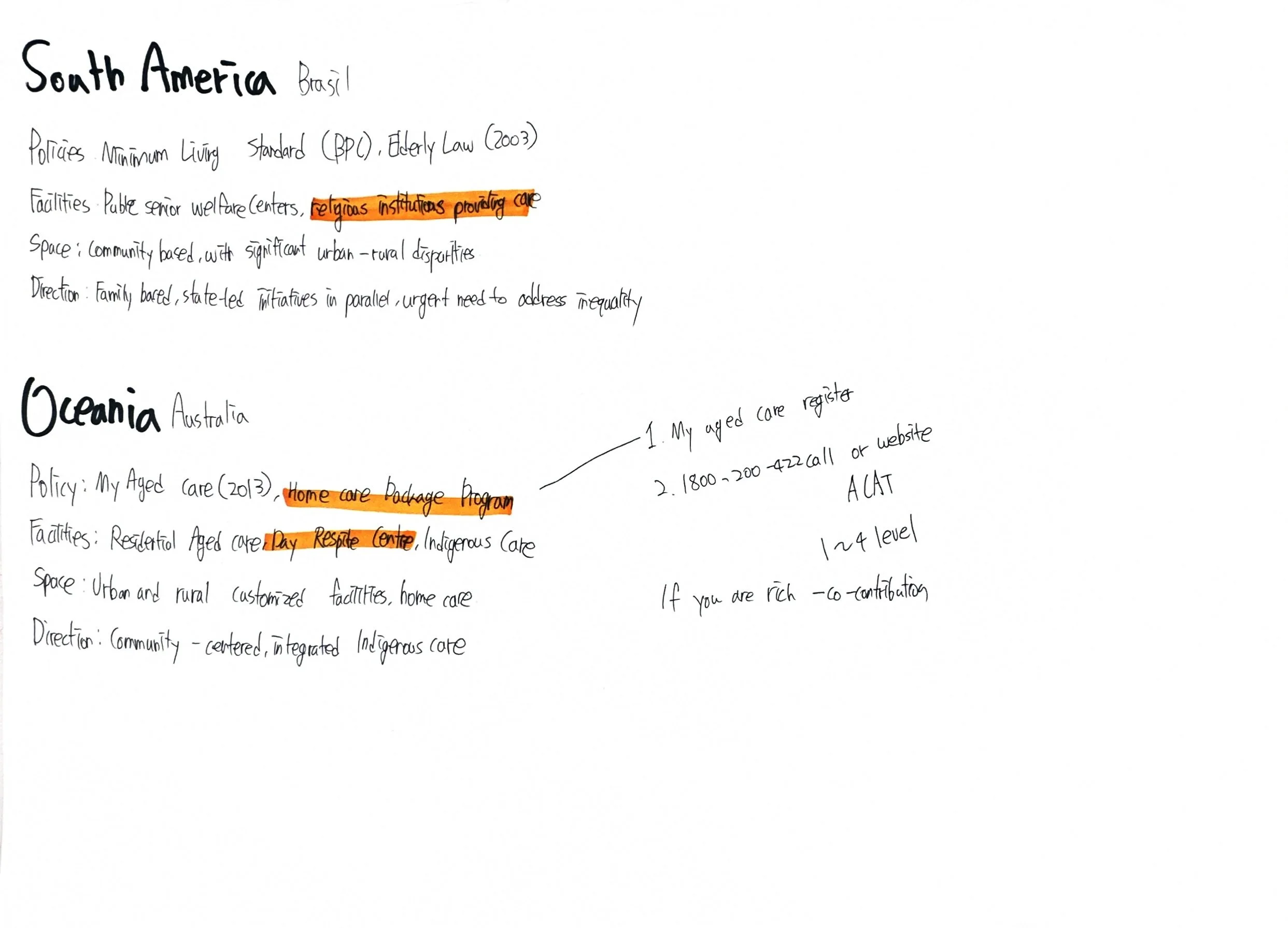
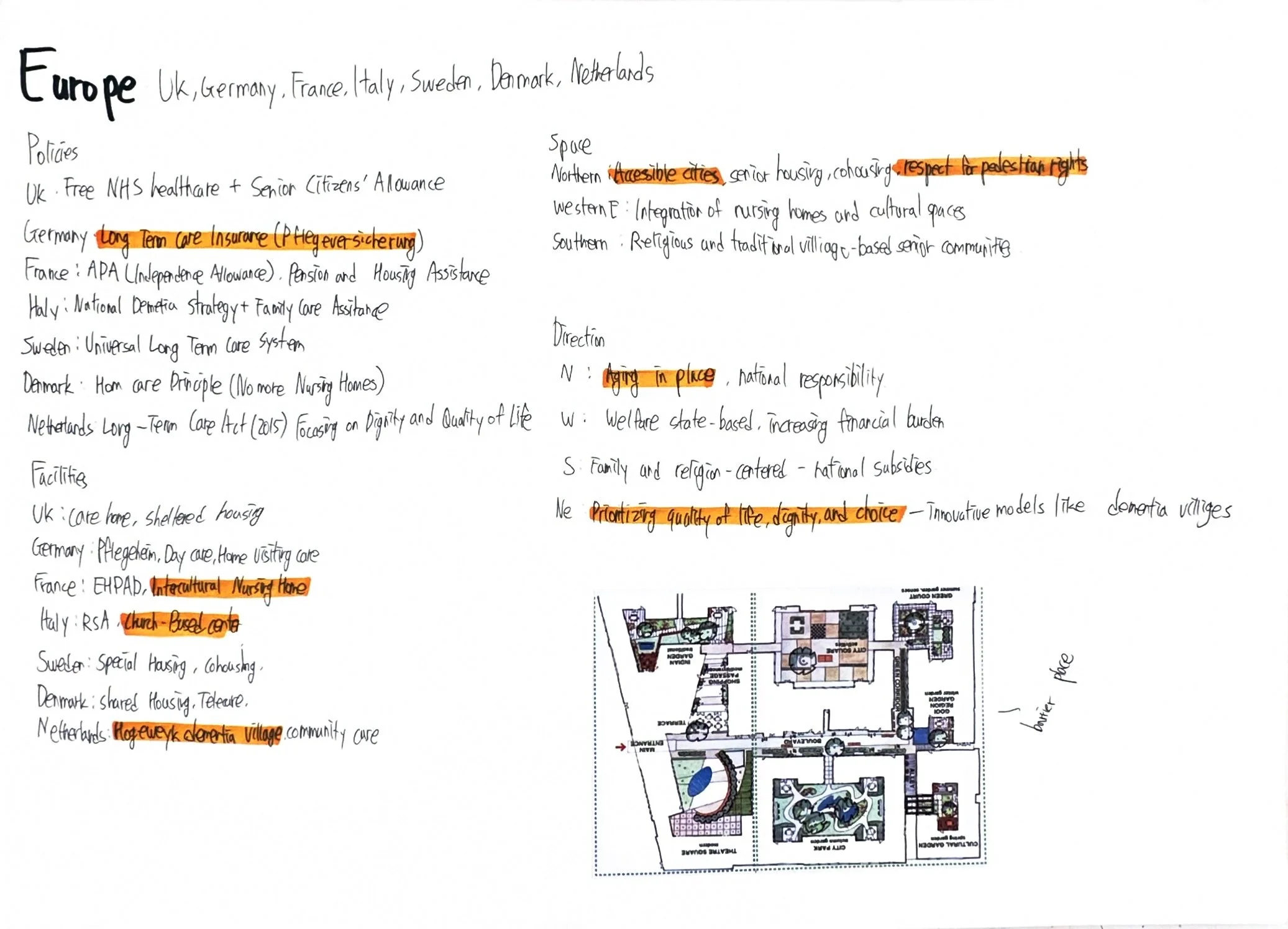
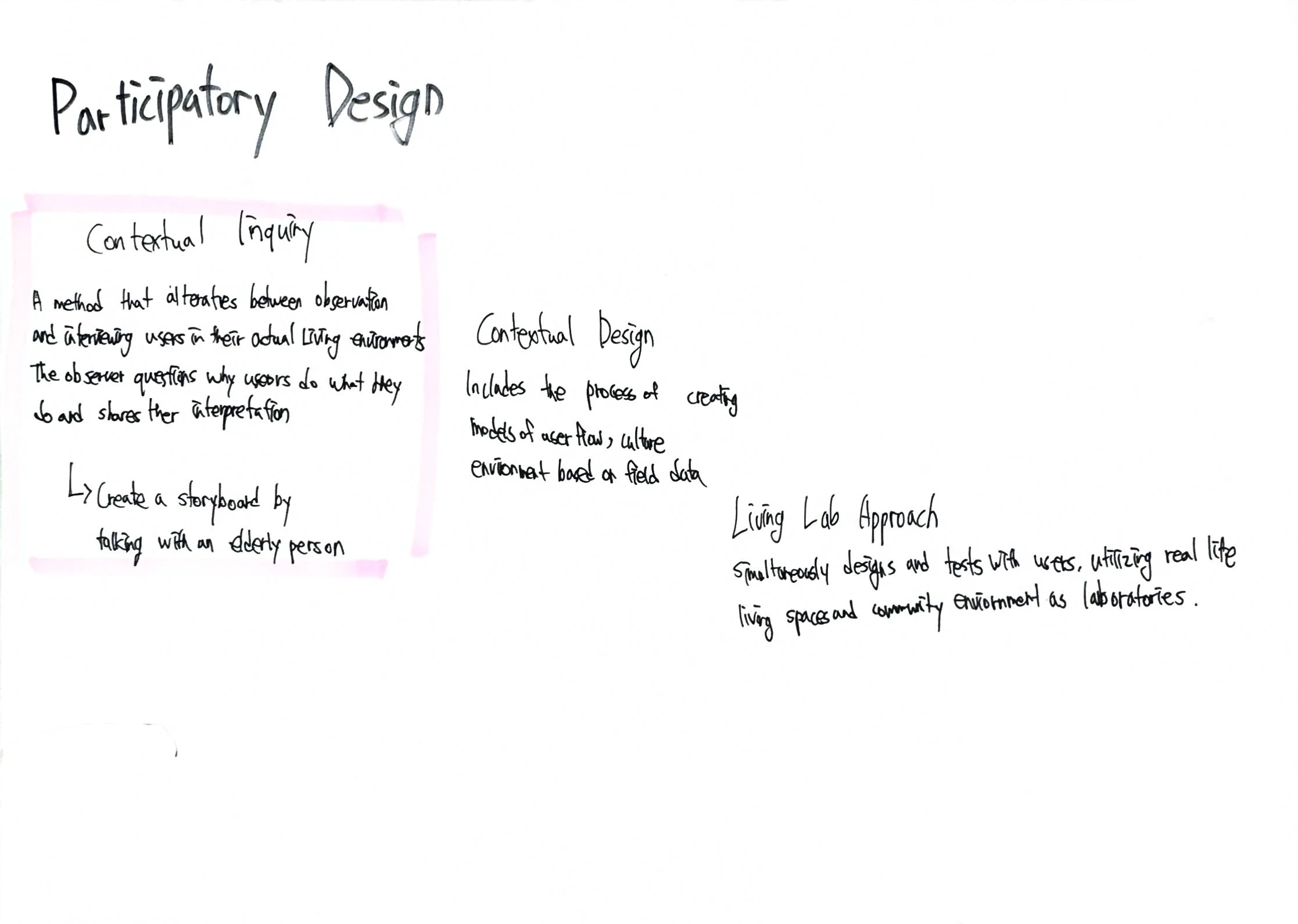
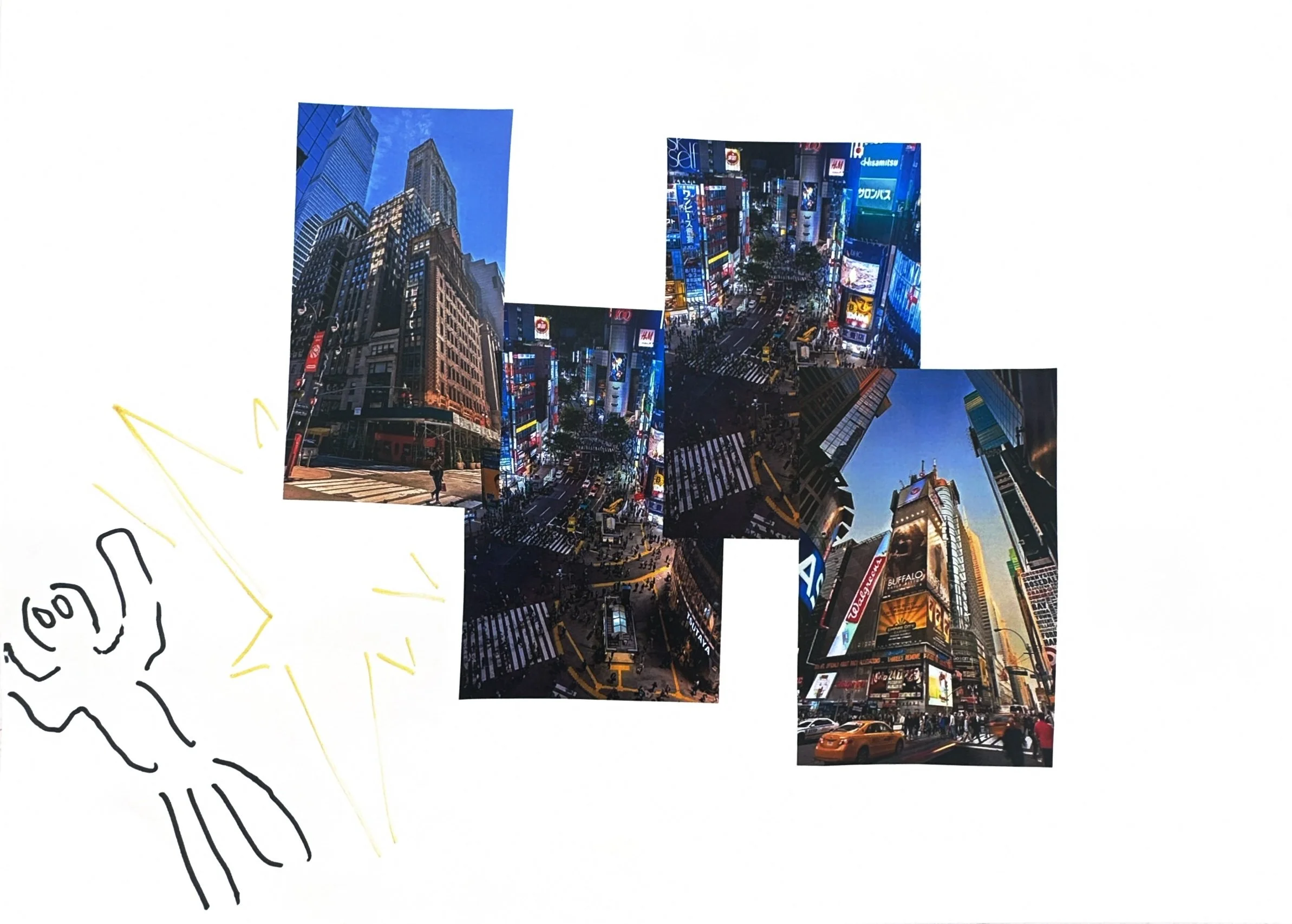
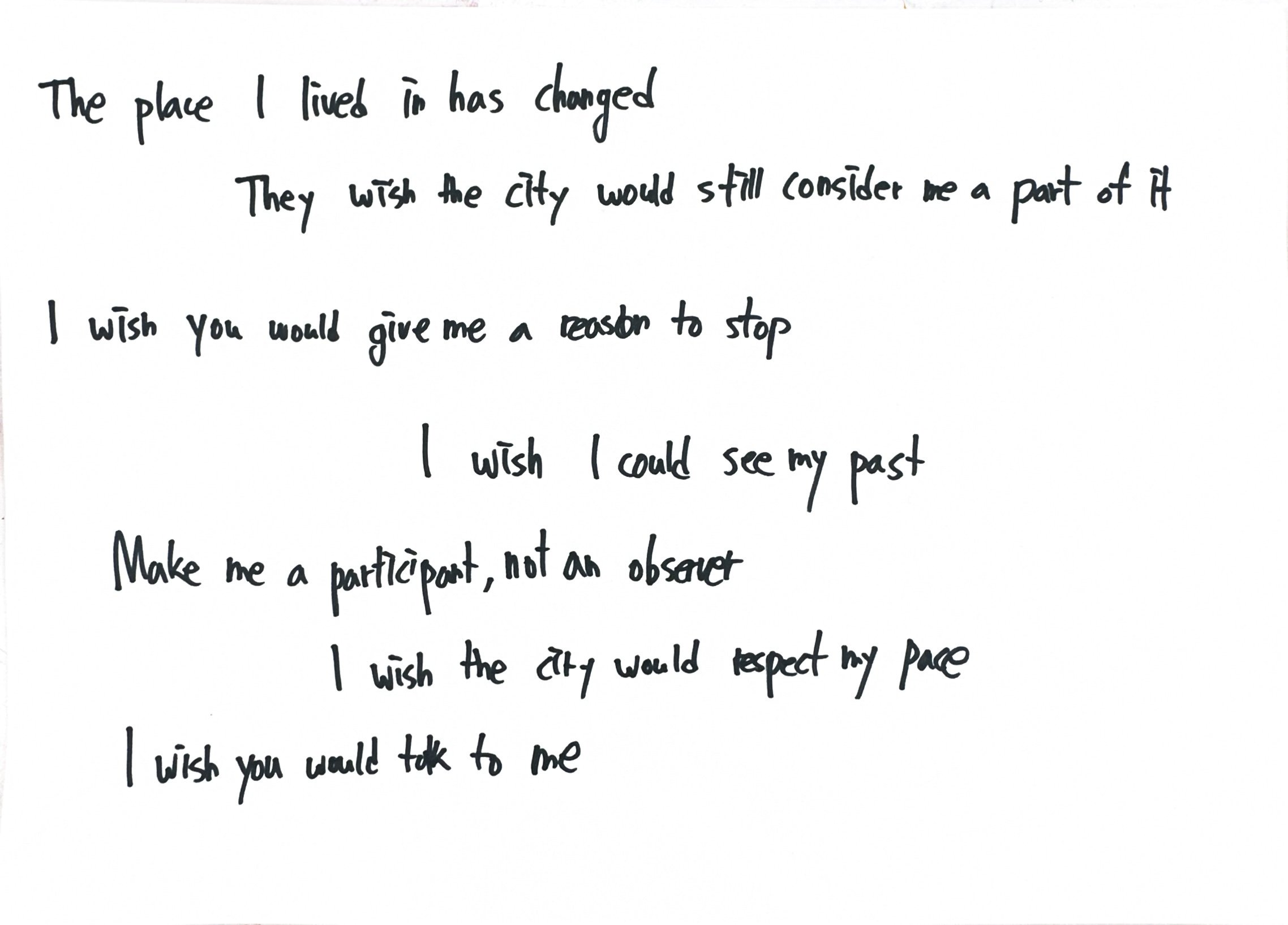
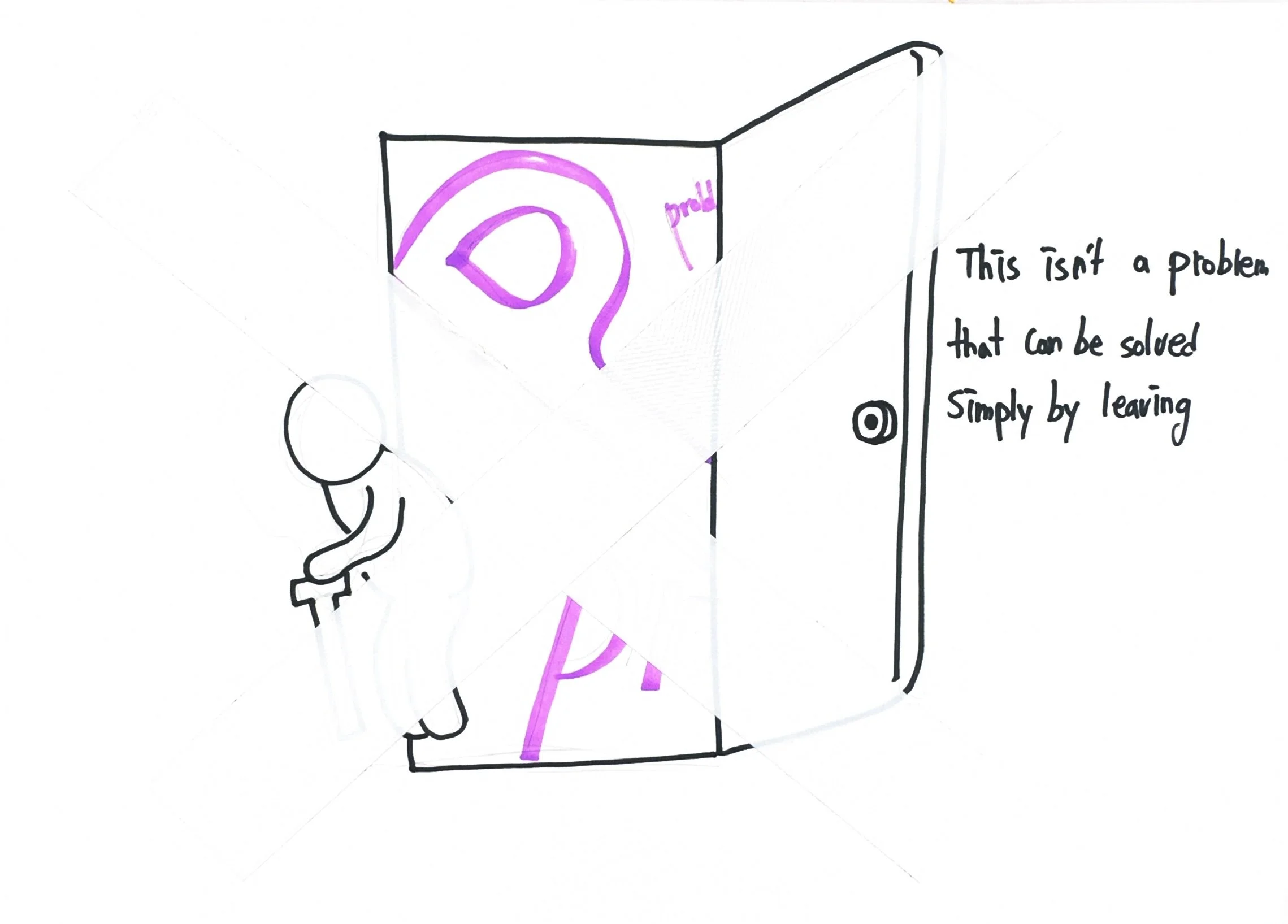
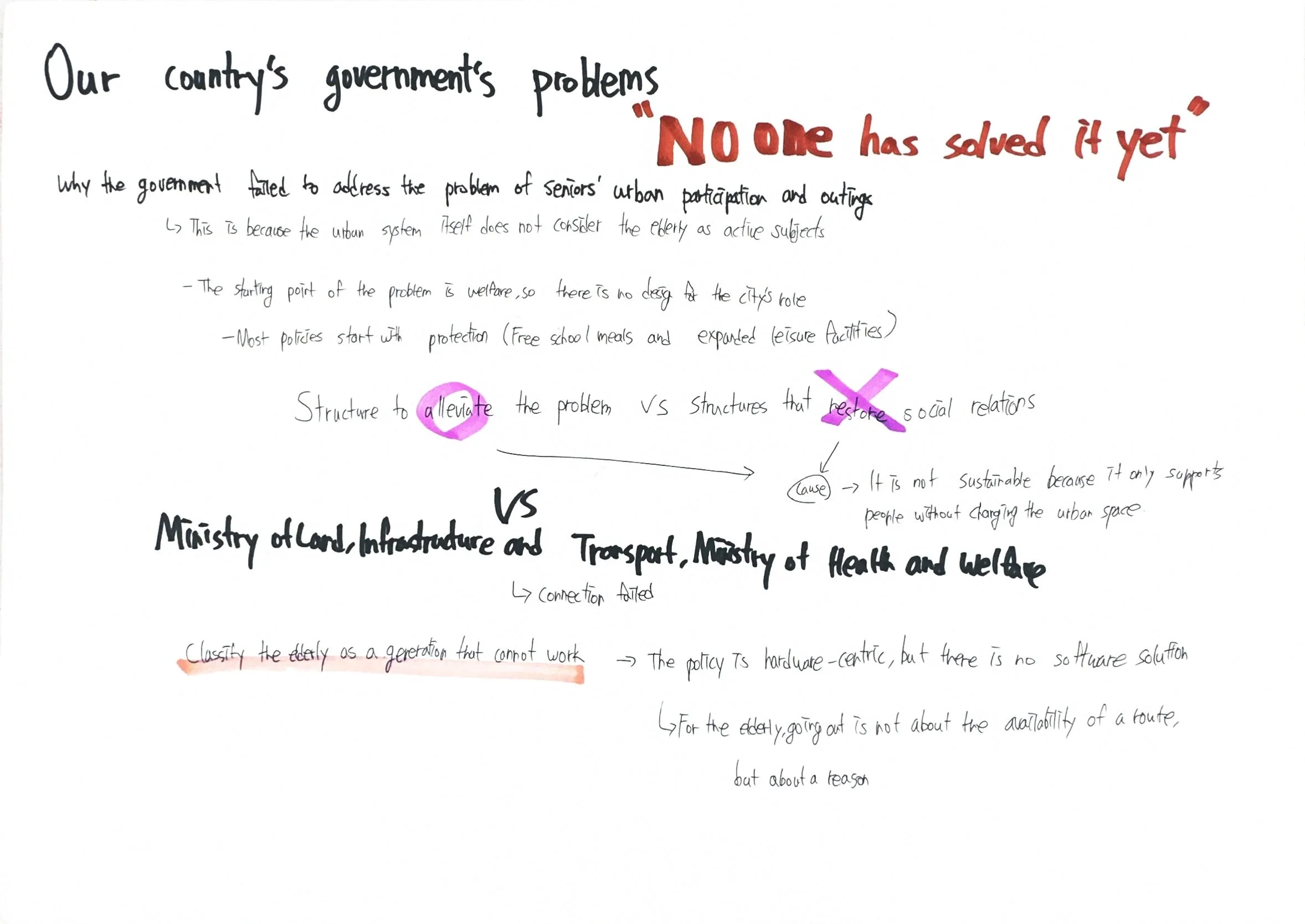
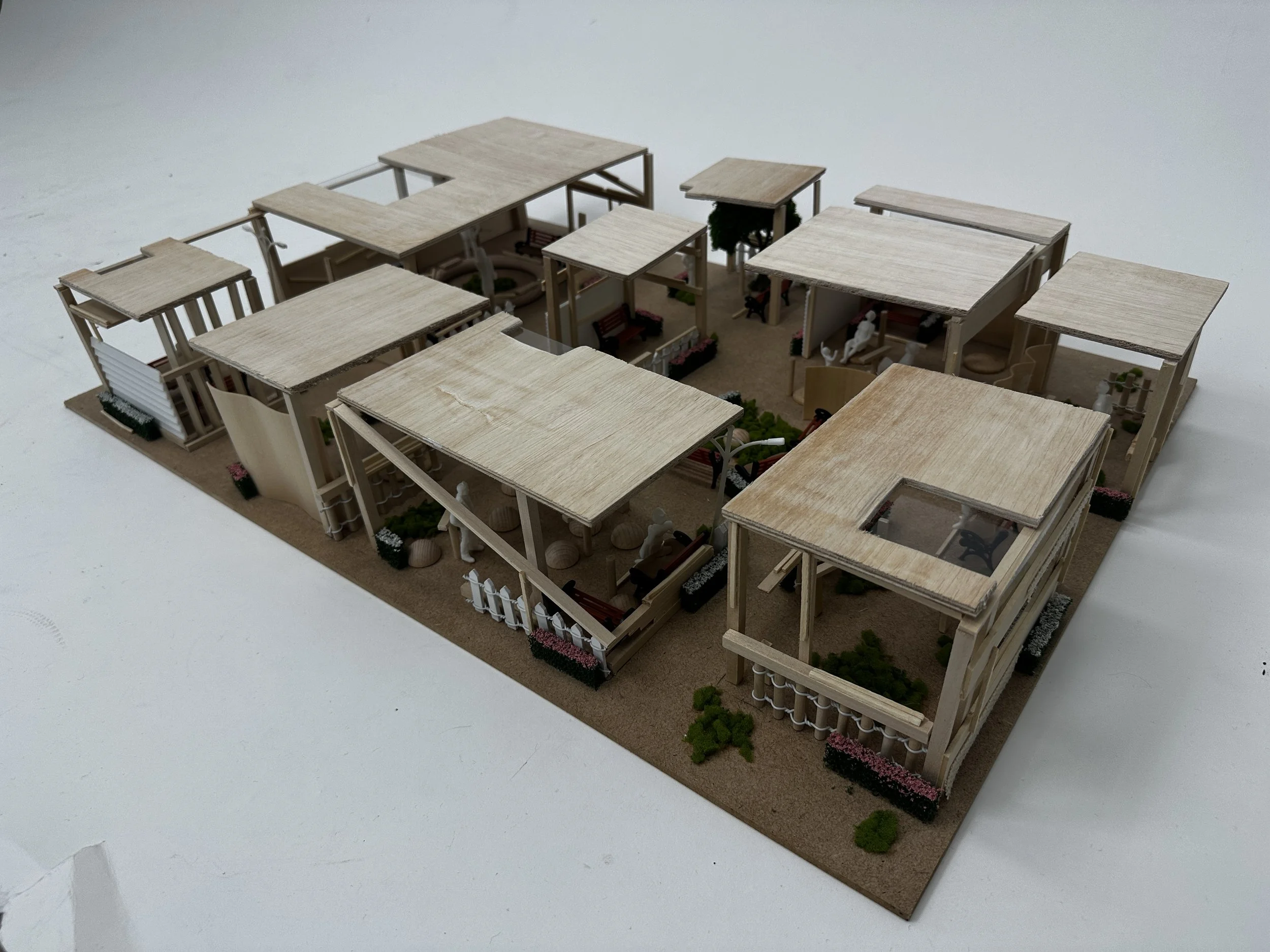
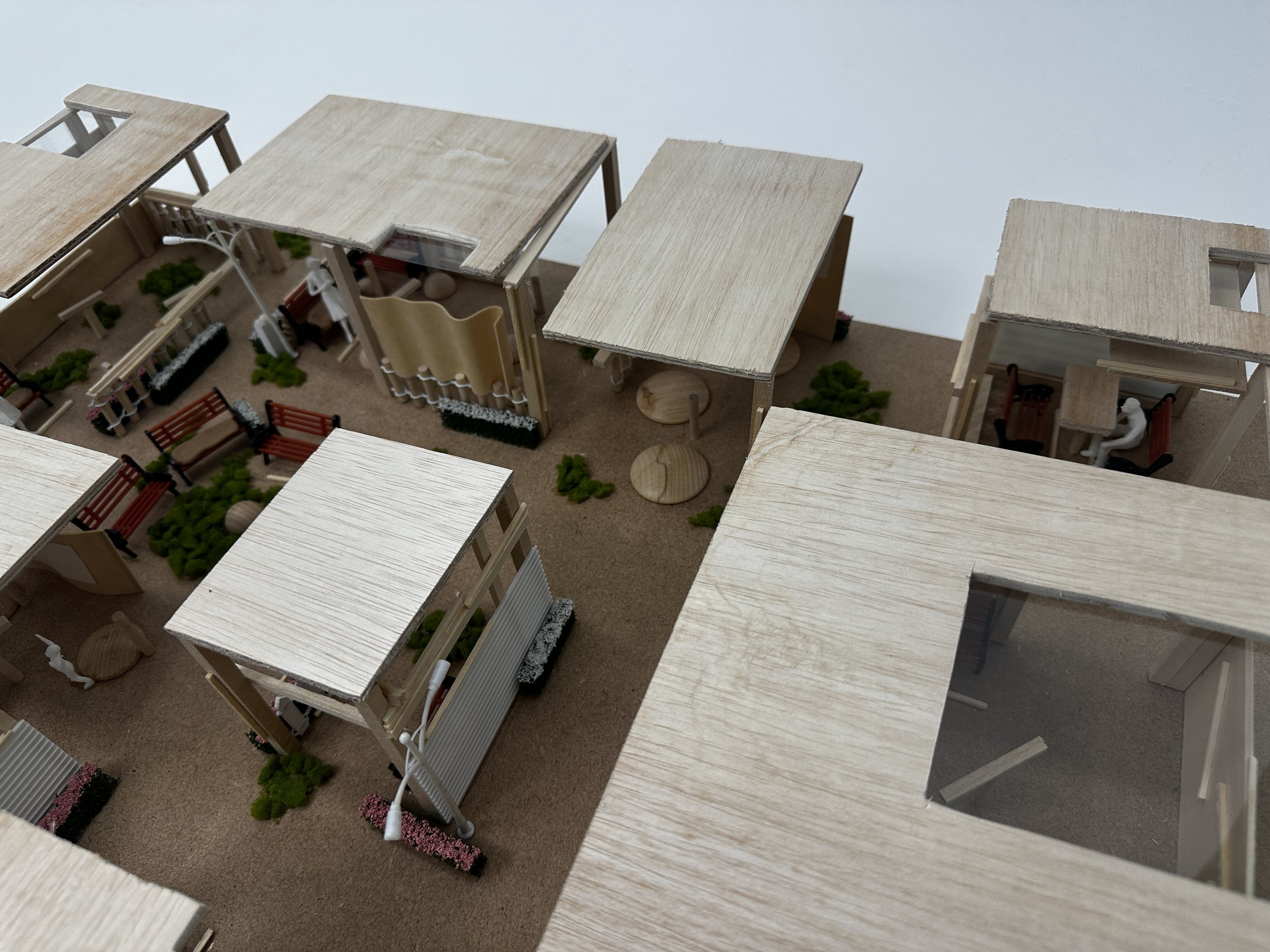
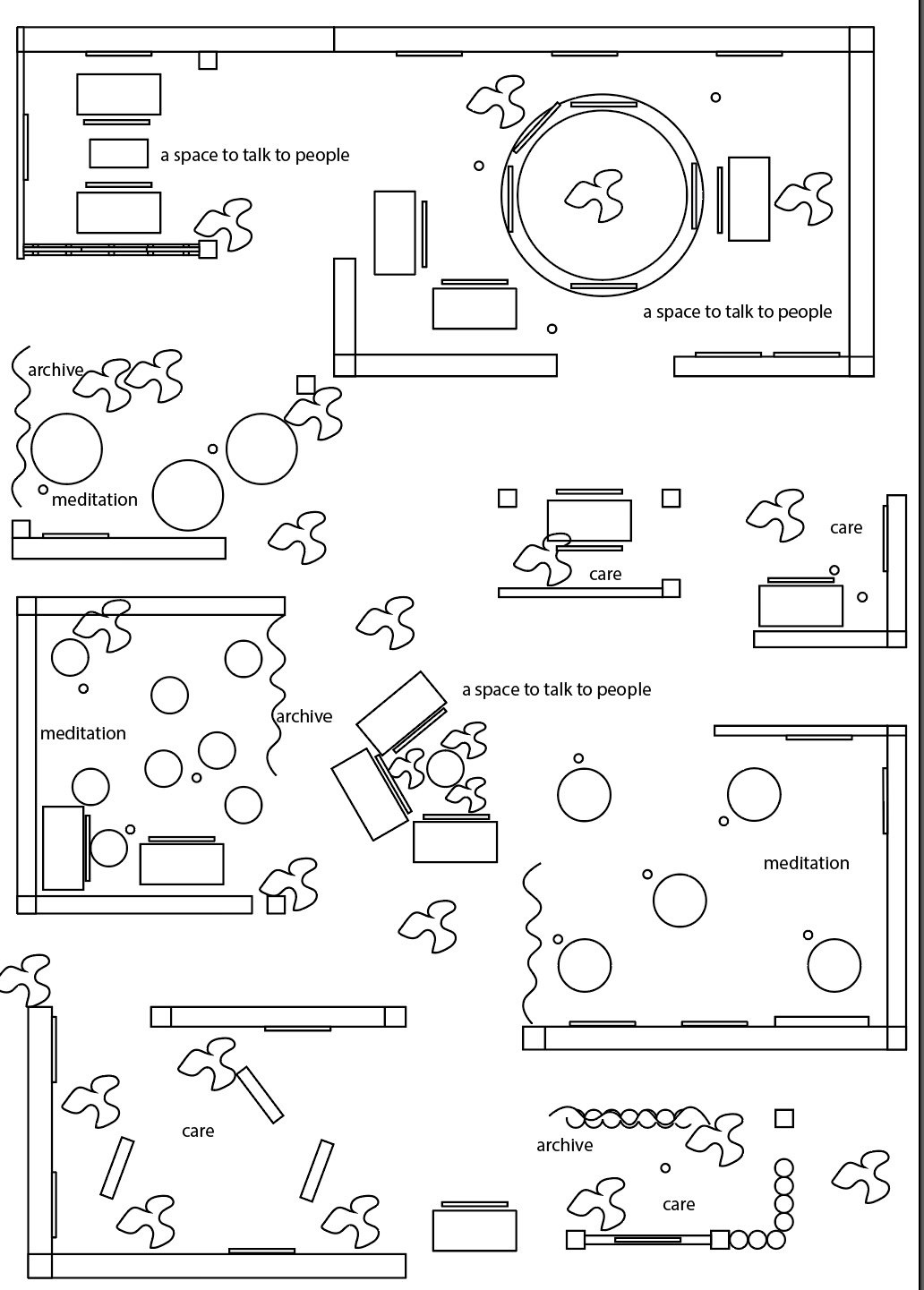
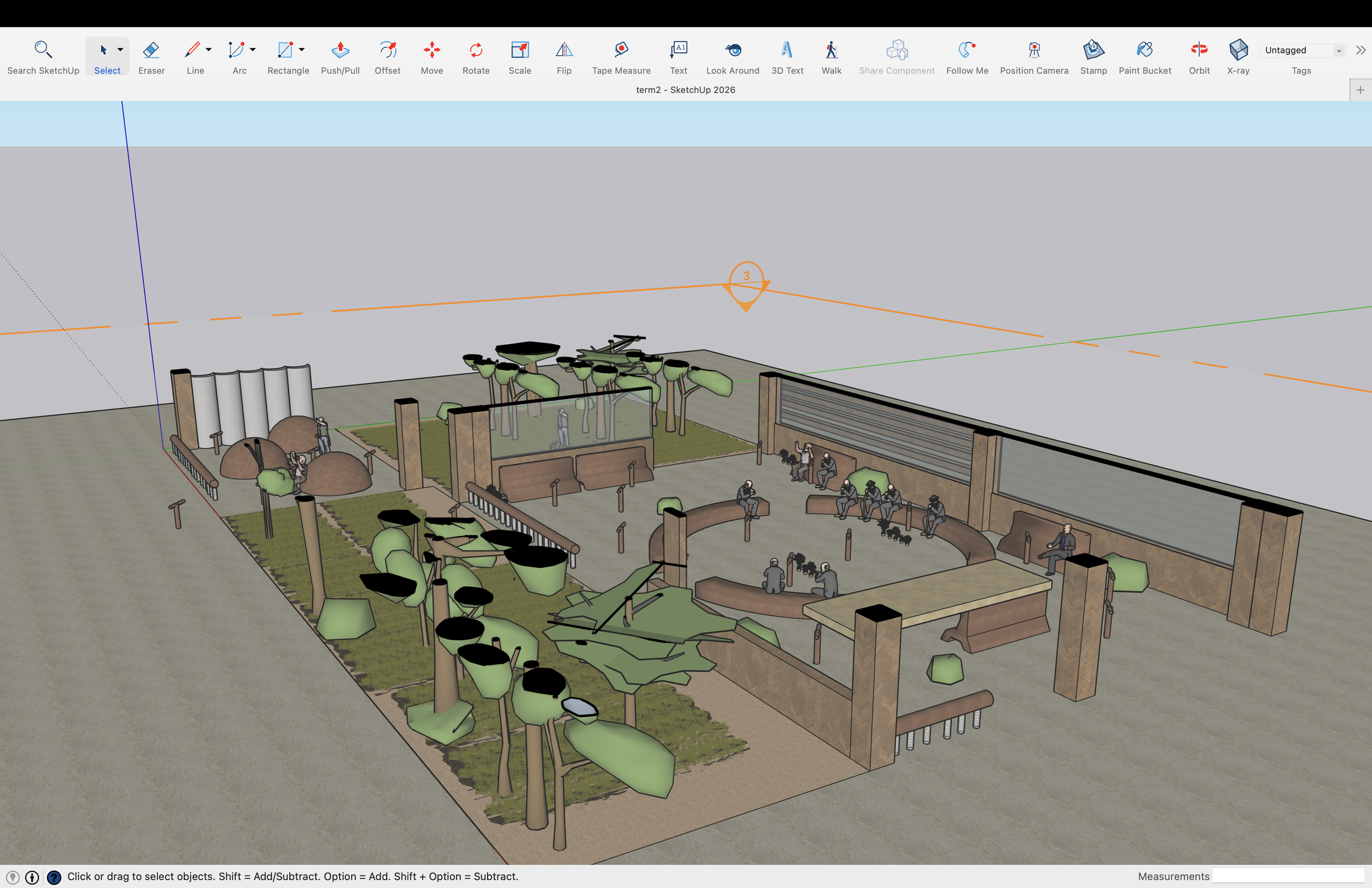
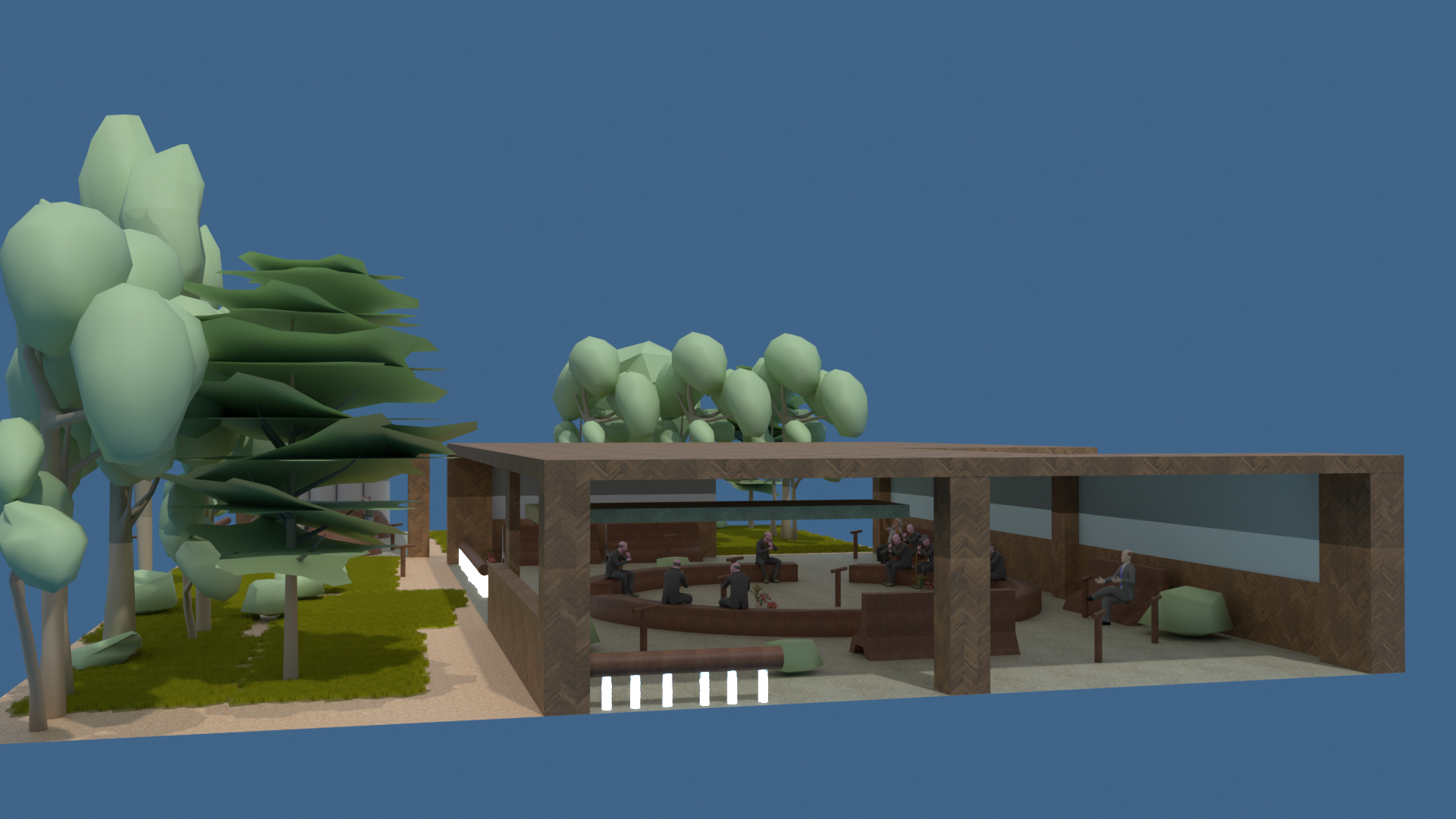
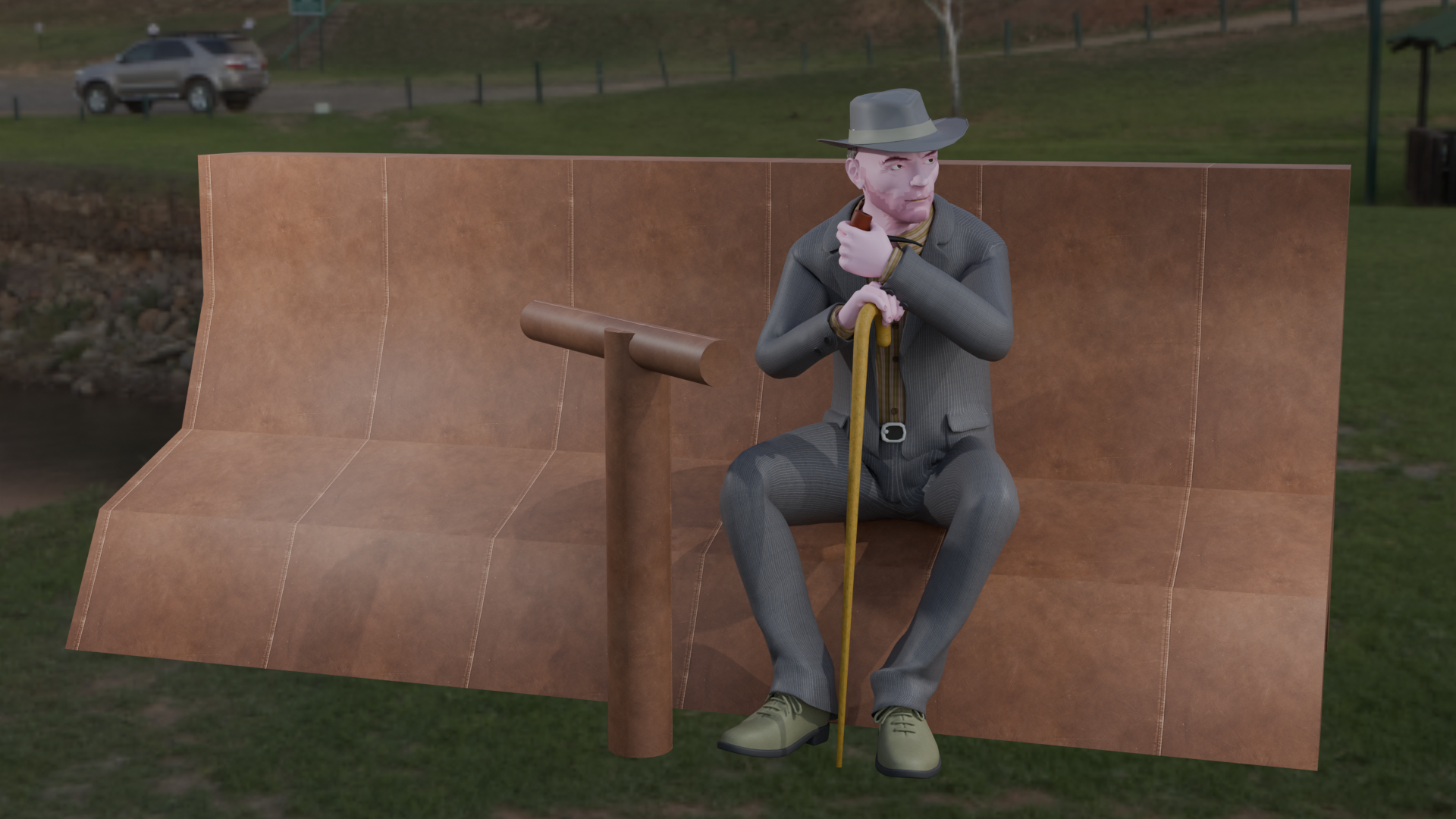
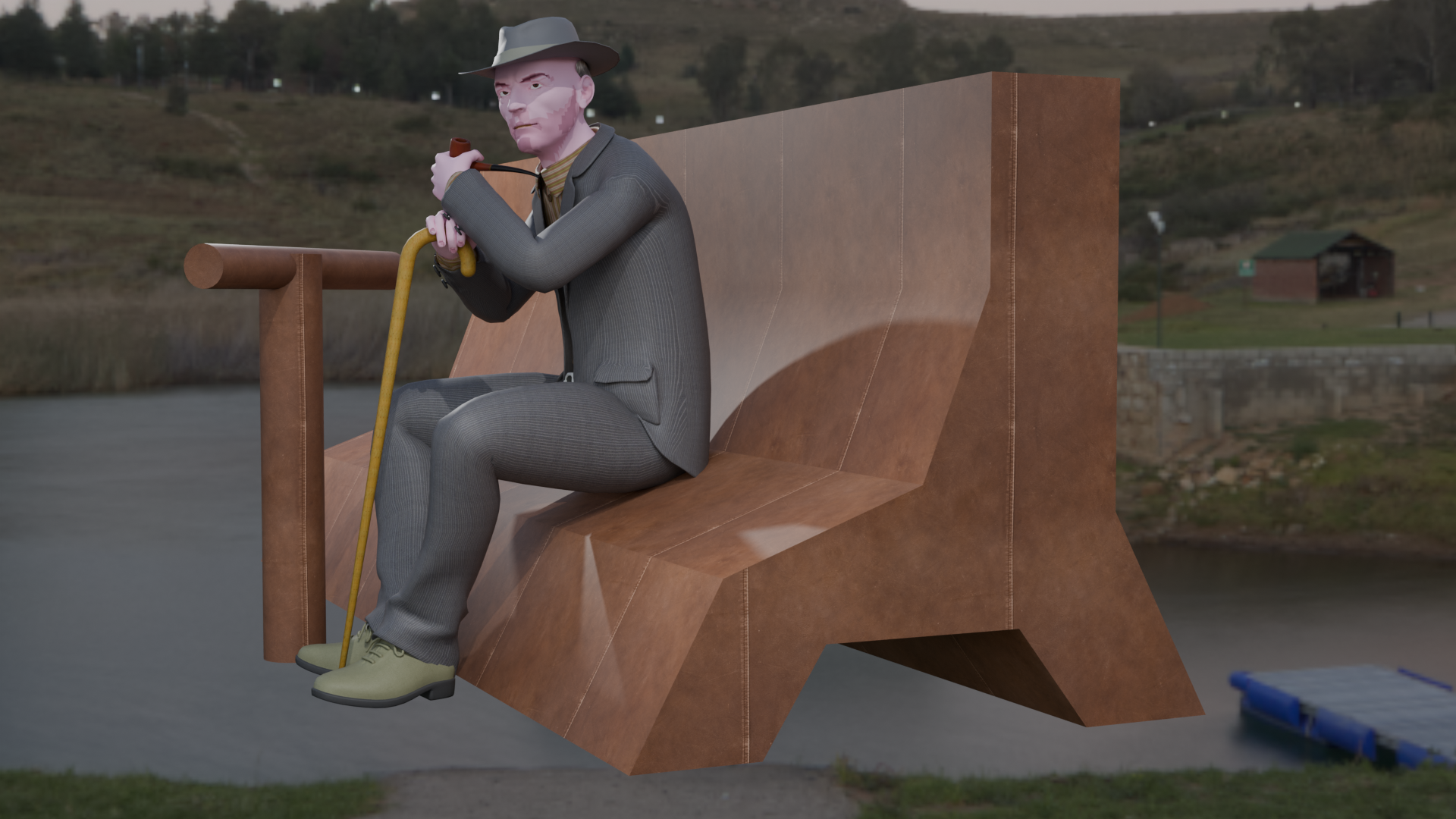
This project is about designing spaces that help older people reconnect with city daily life. The main goal achievement is to transform traditional welfare-focused senior centers into open clear places where people of all ages can meet, talk, exercise and share activities. Instead of helping seniors as people who only receive care, this space encourages them to take part as active members of the social community.
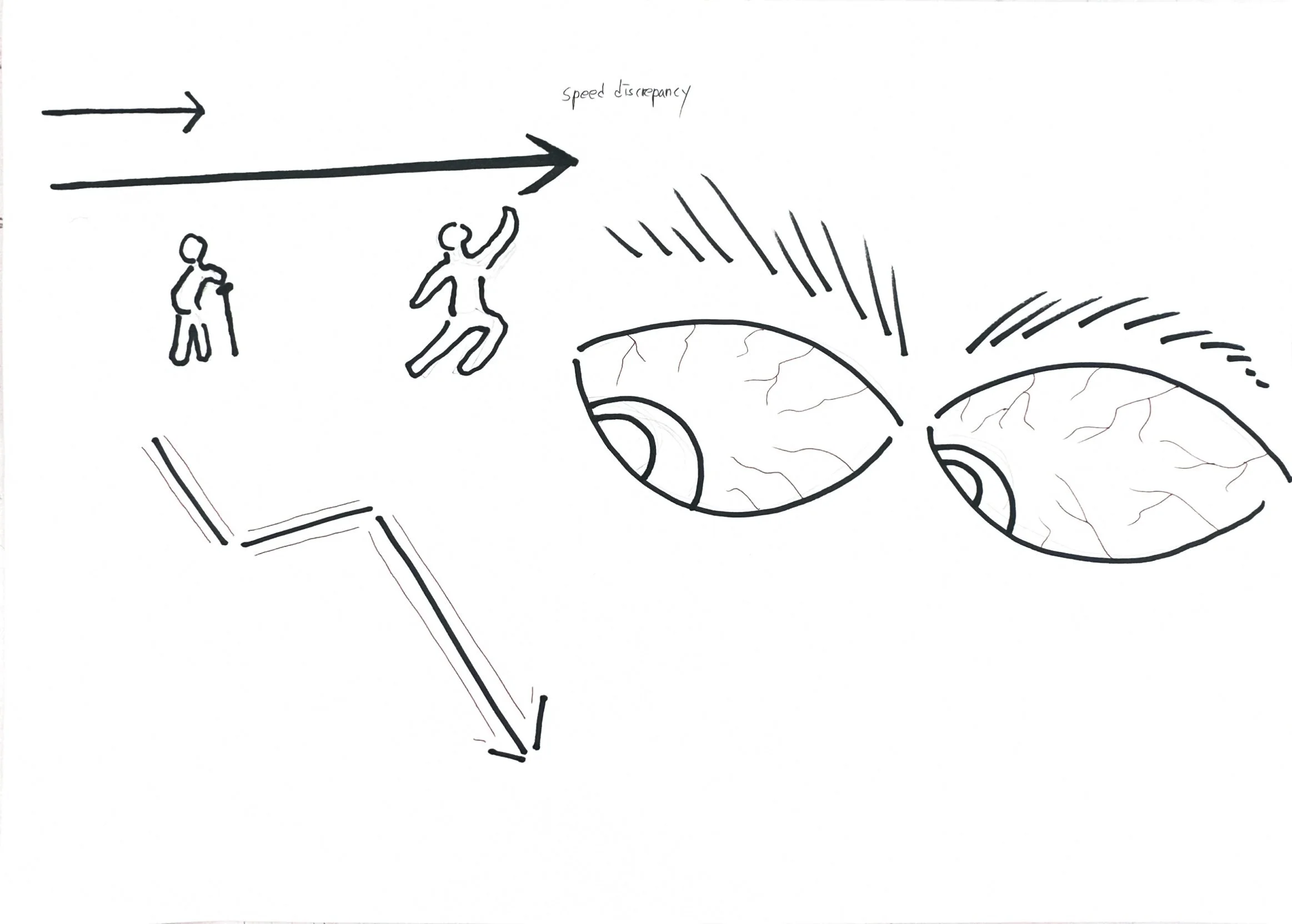
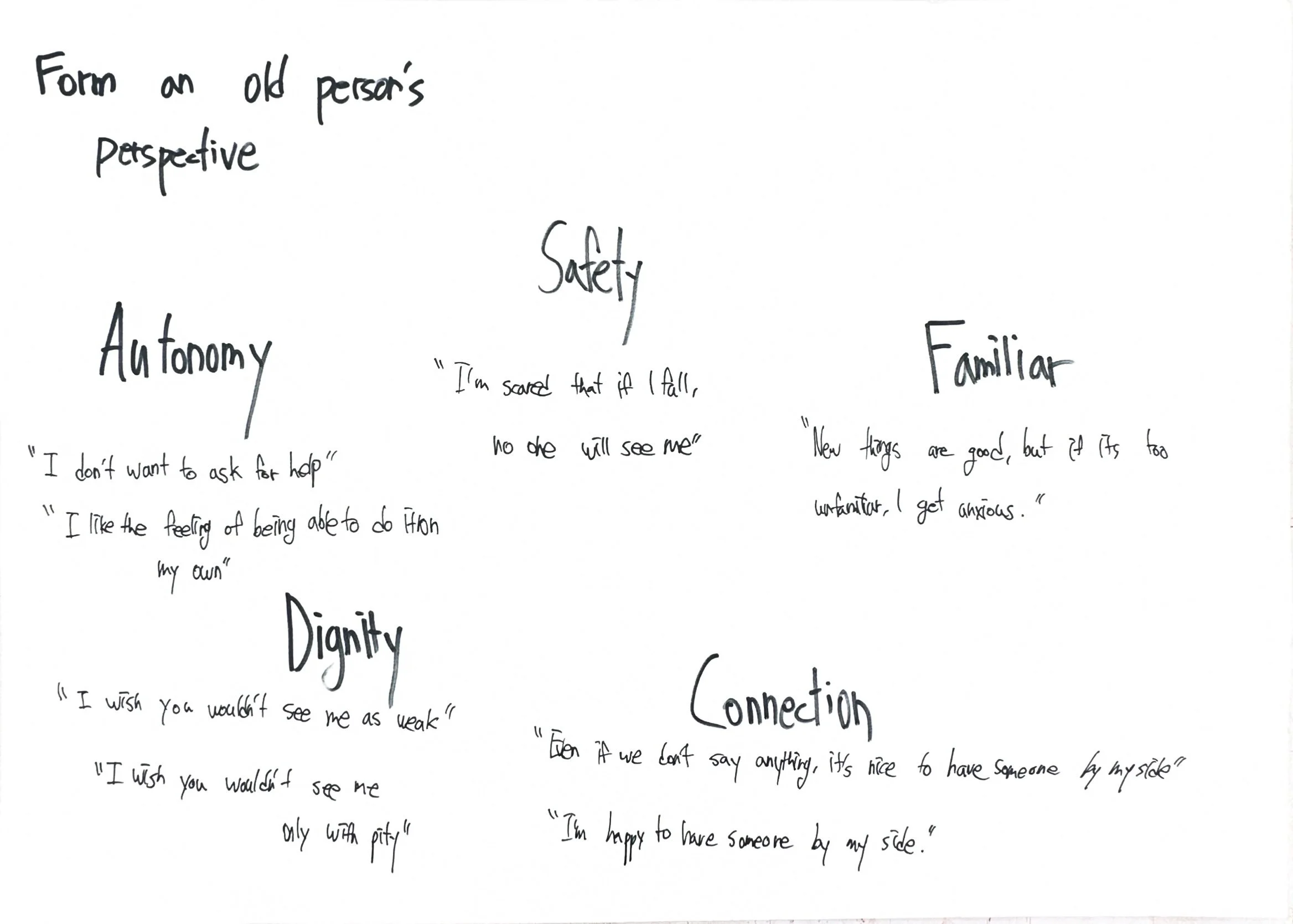
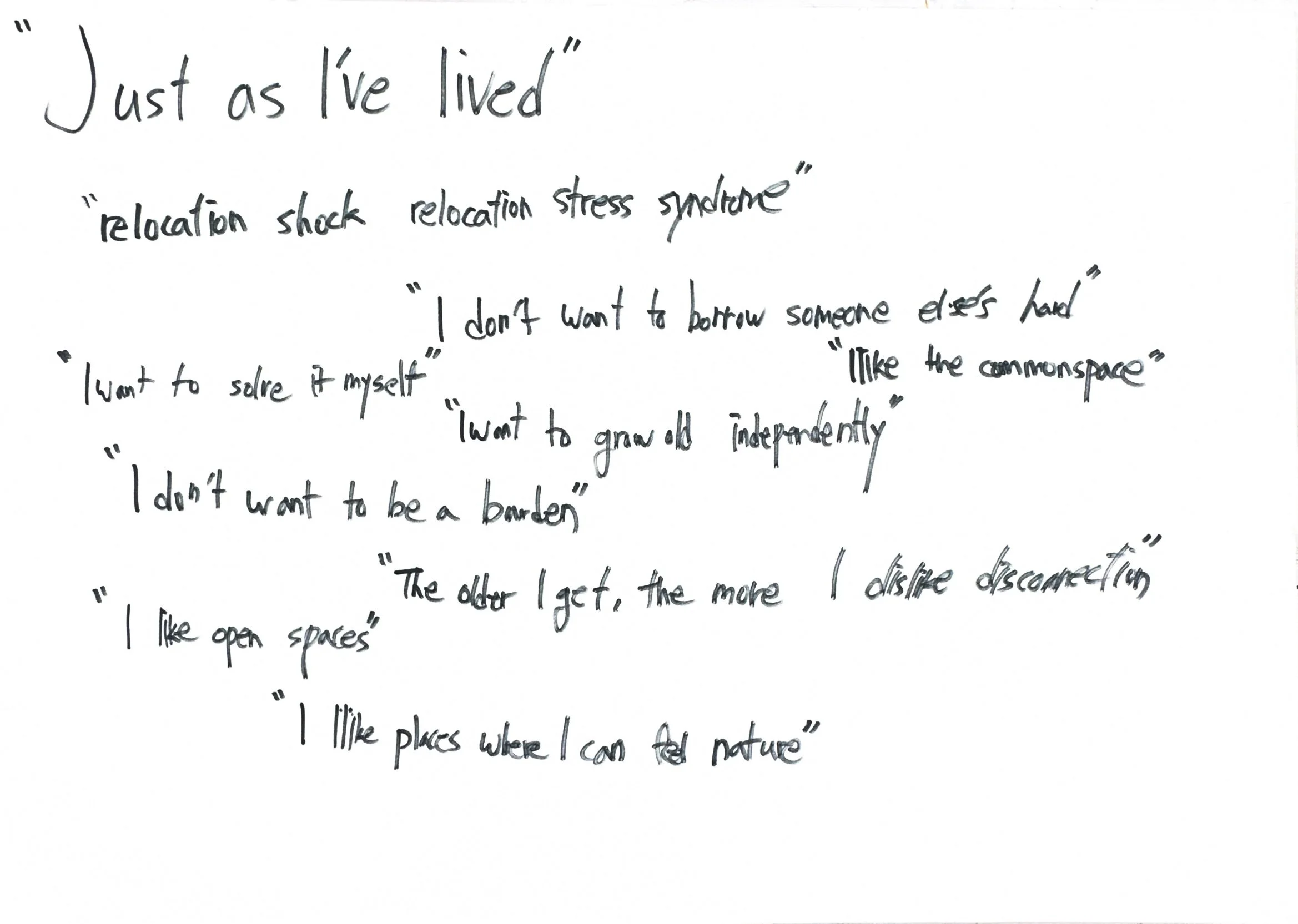
The design thinks the kinds of places older adults naturally want to visit. It focuses on two main problems that personal loneliness and social isolation. And looks for ways to solve them through space. And also a body problem.
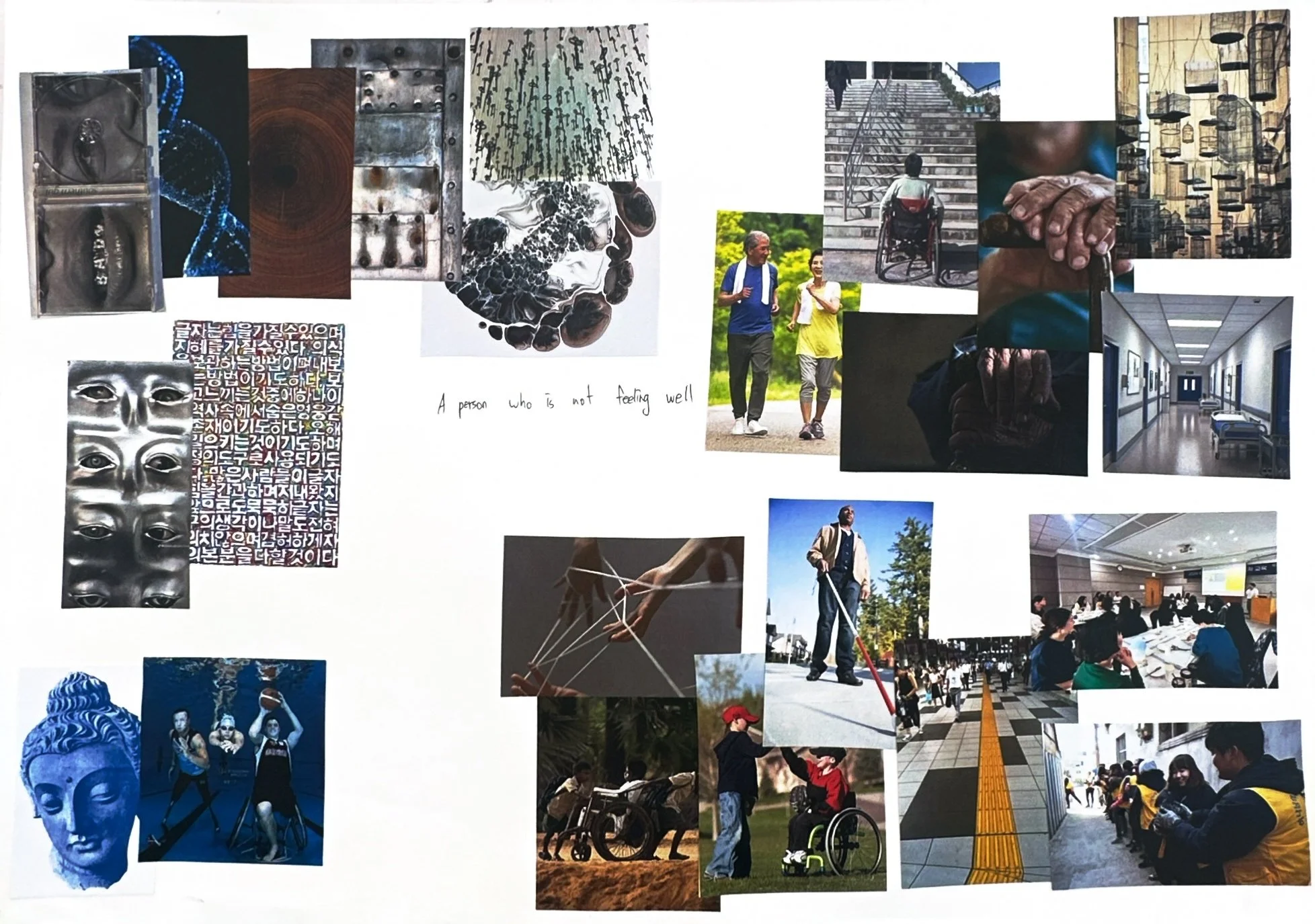
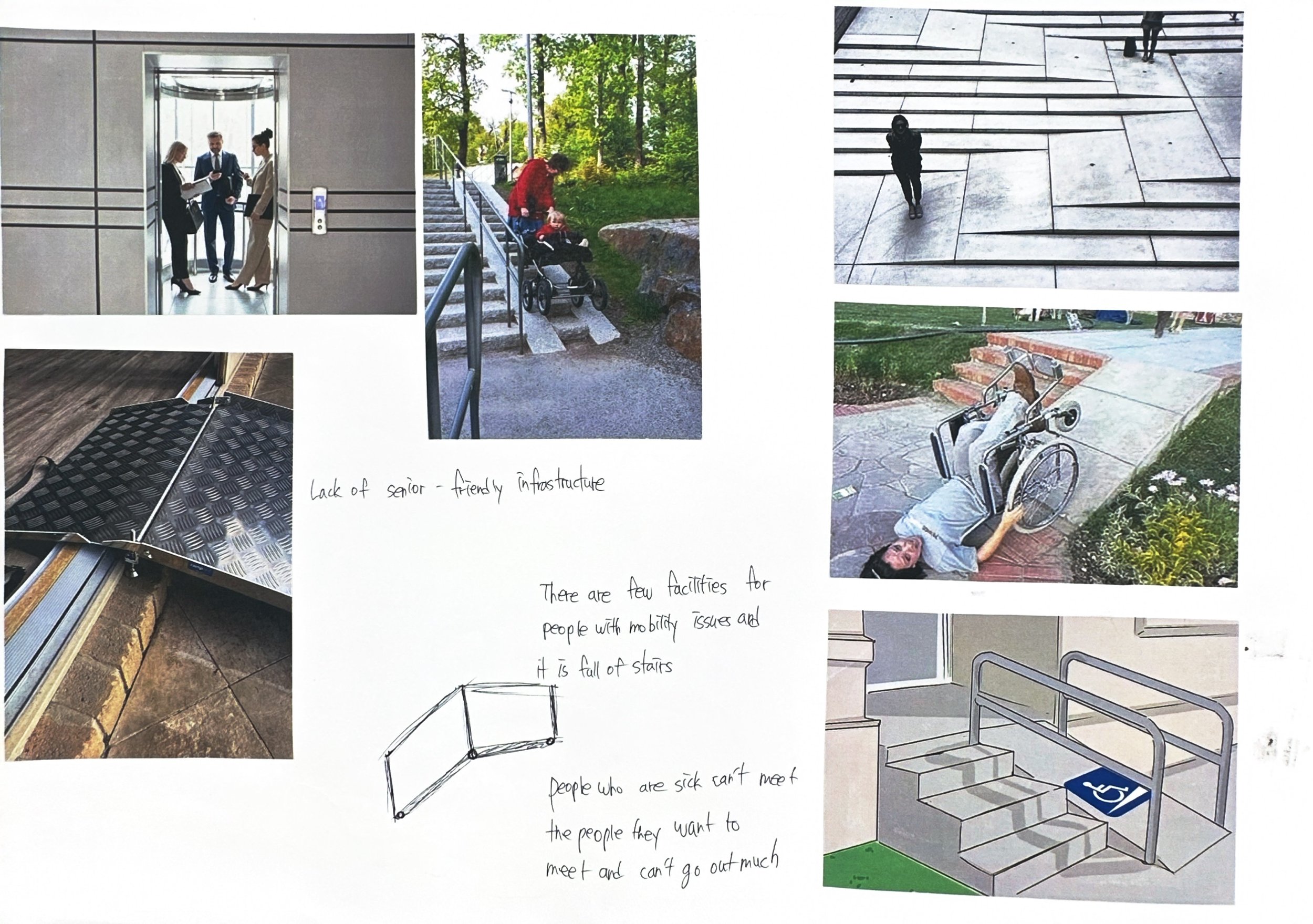
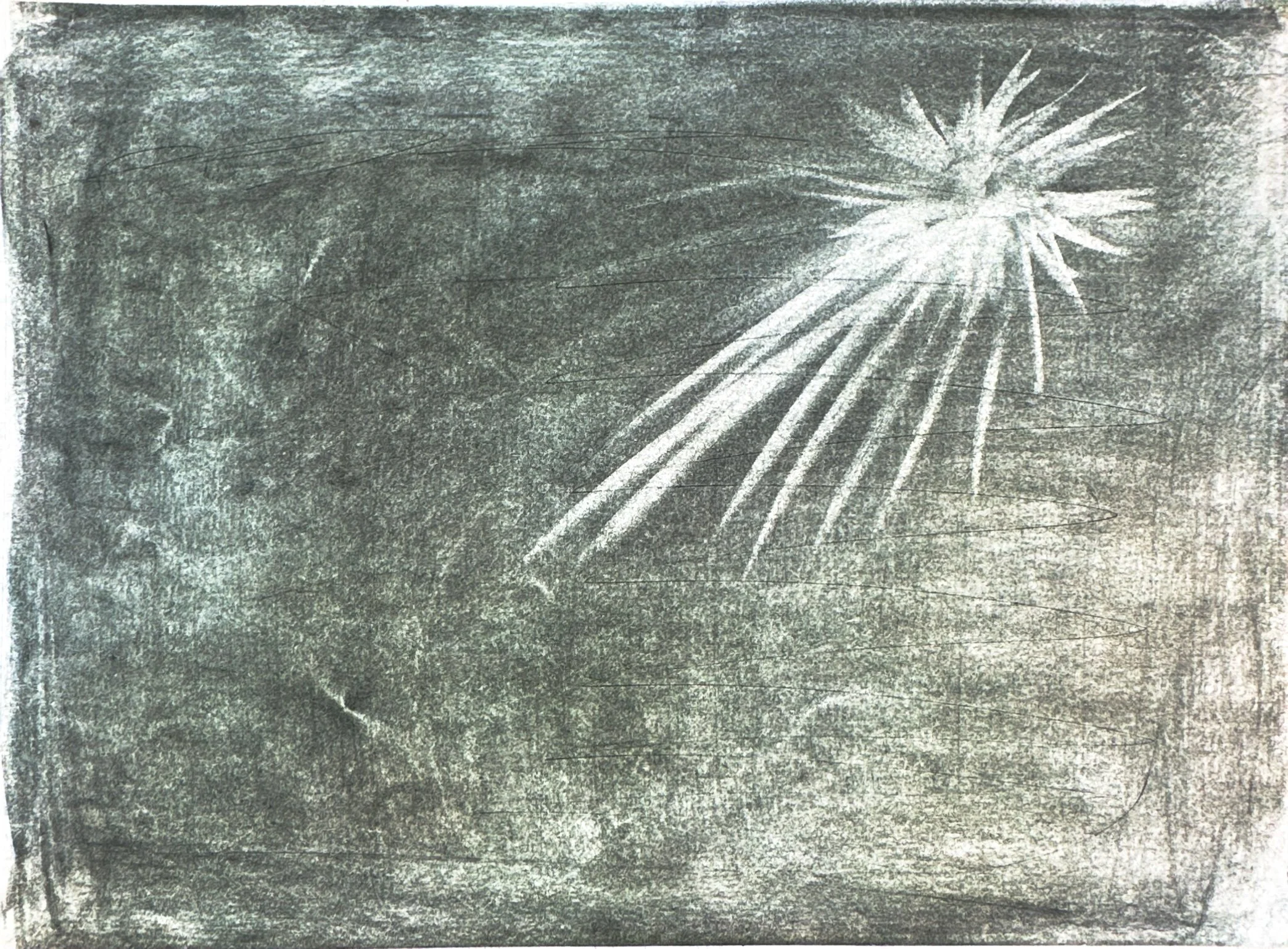
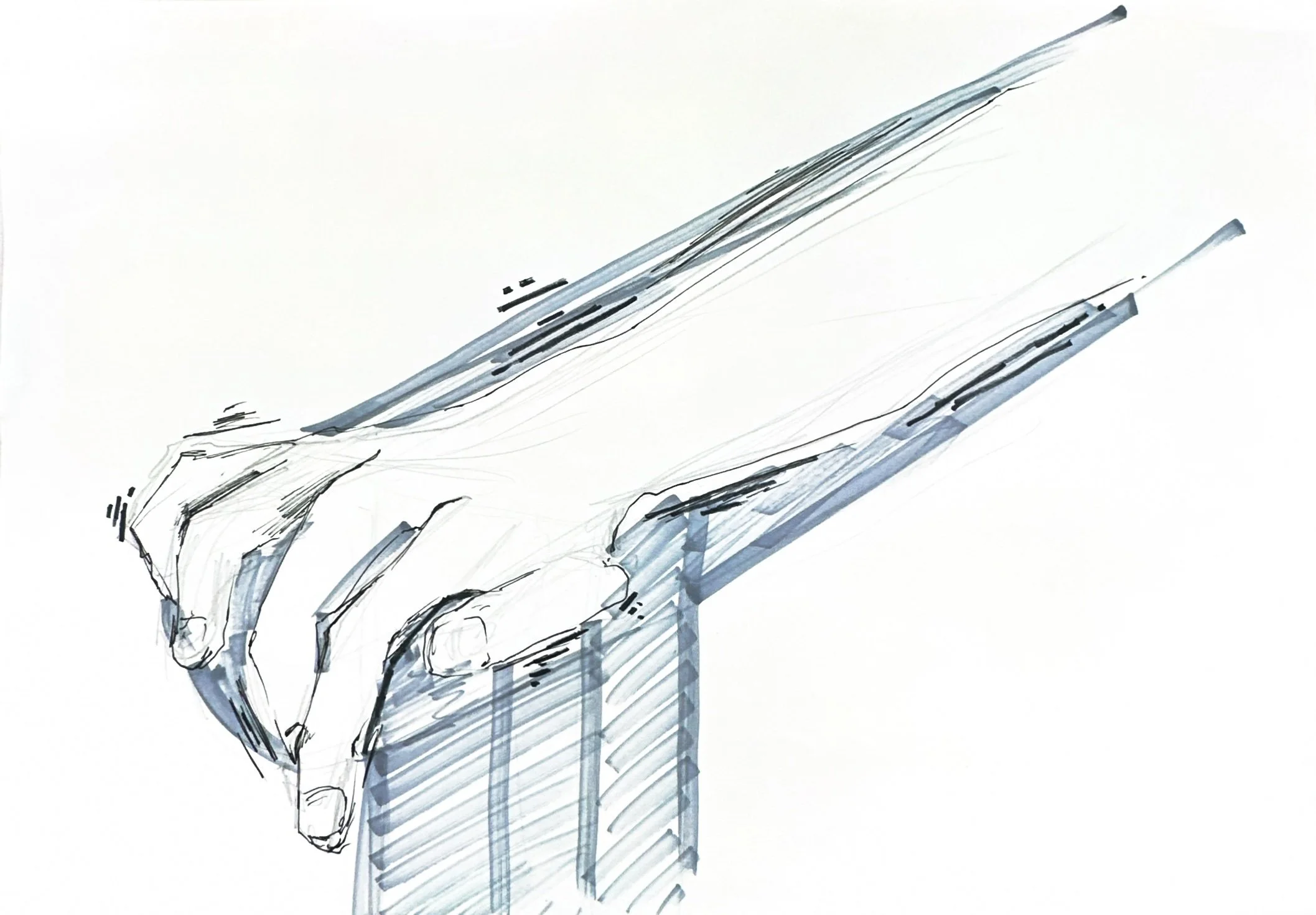
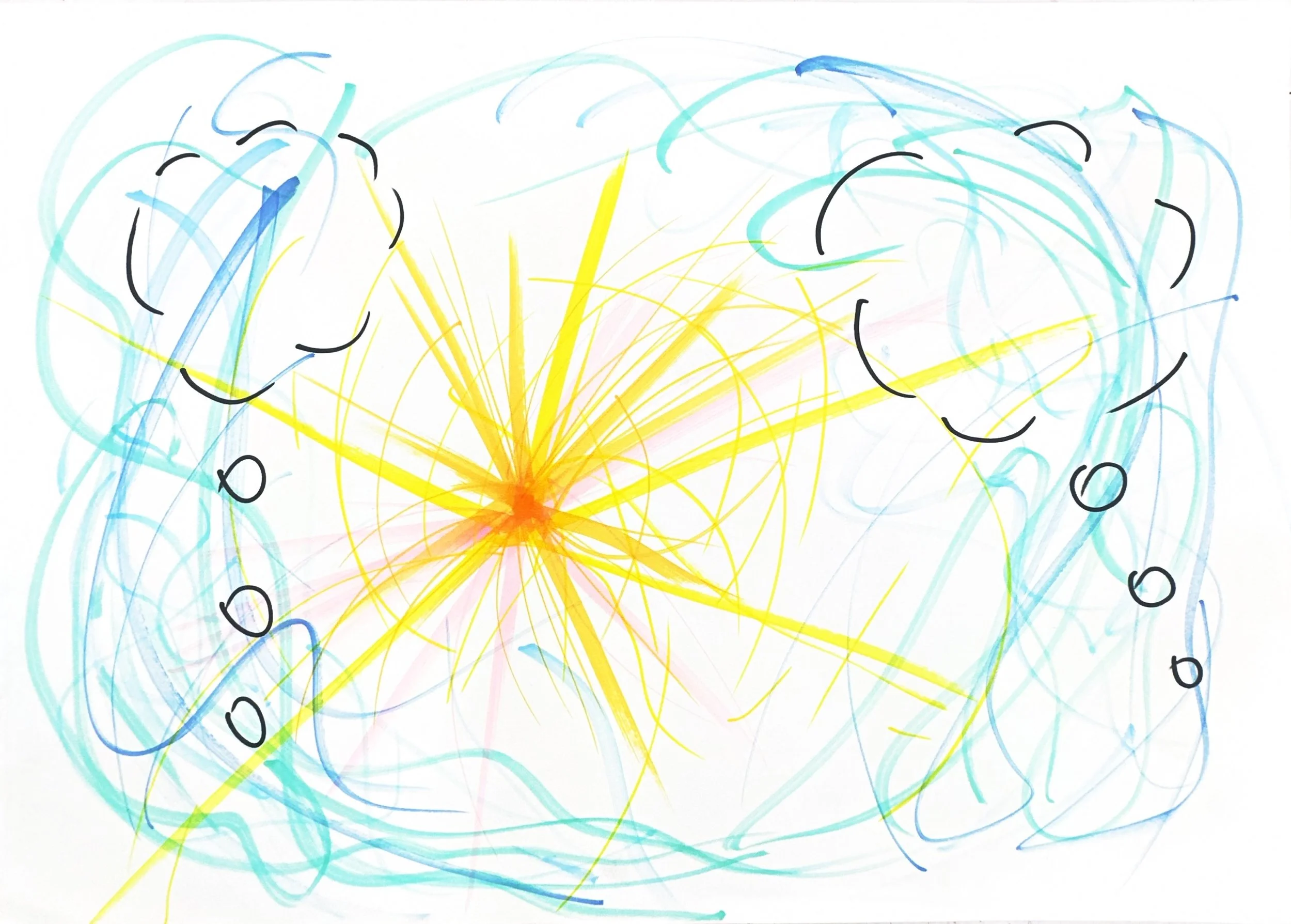
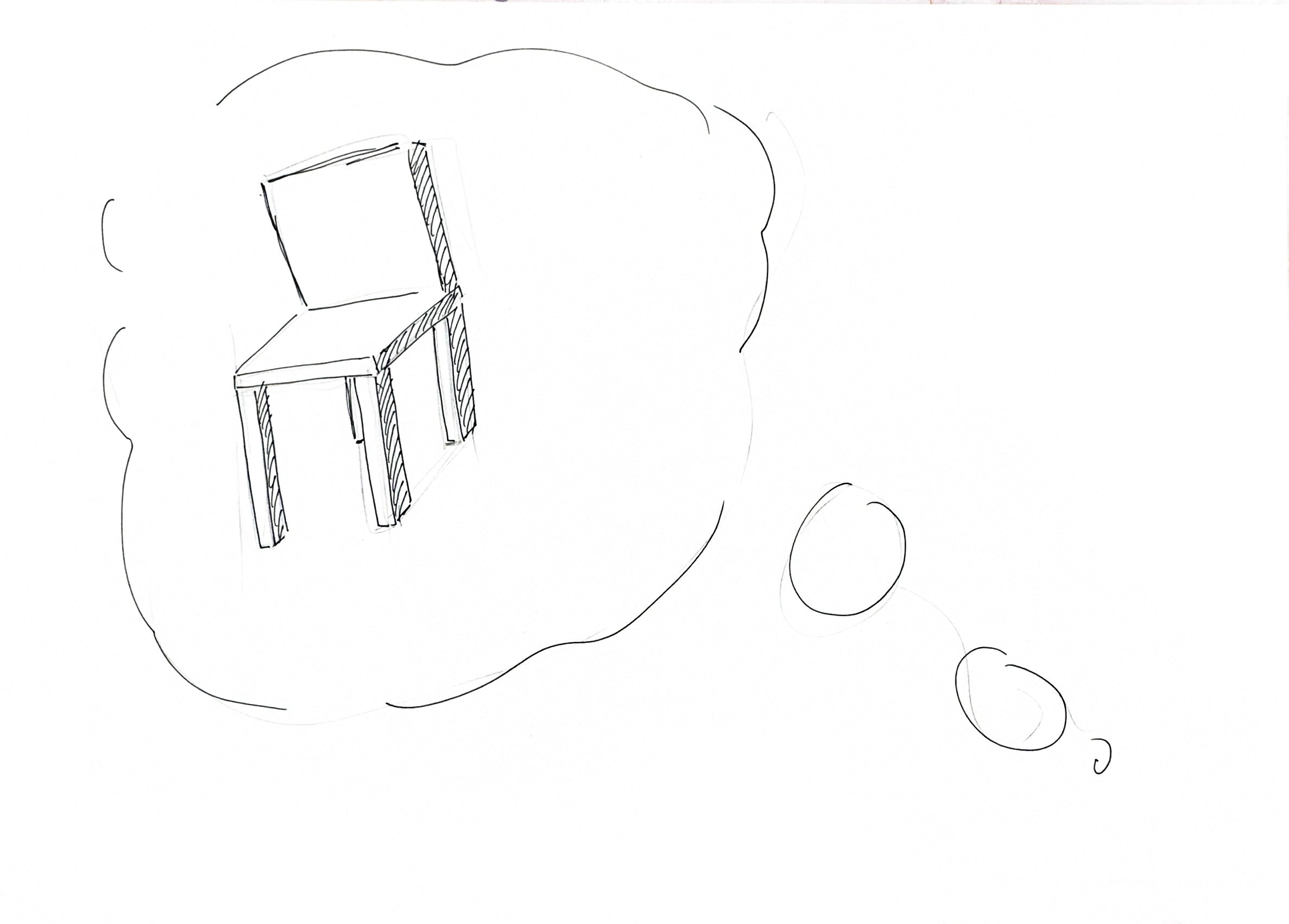
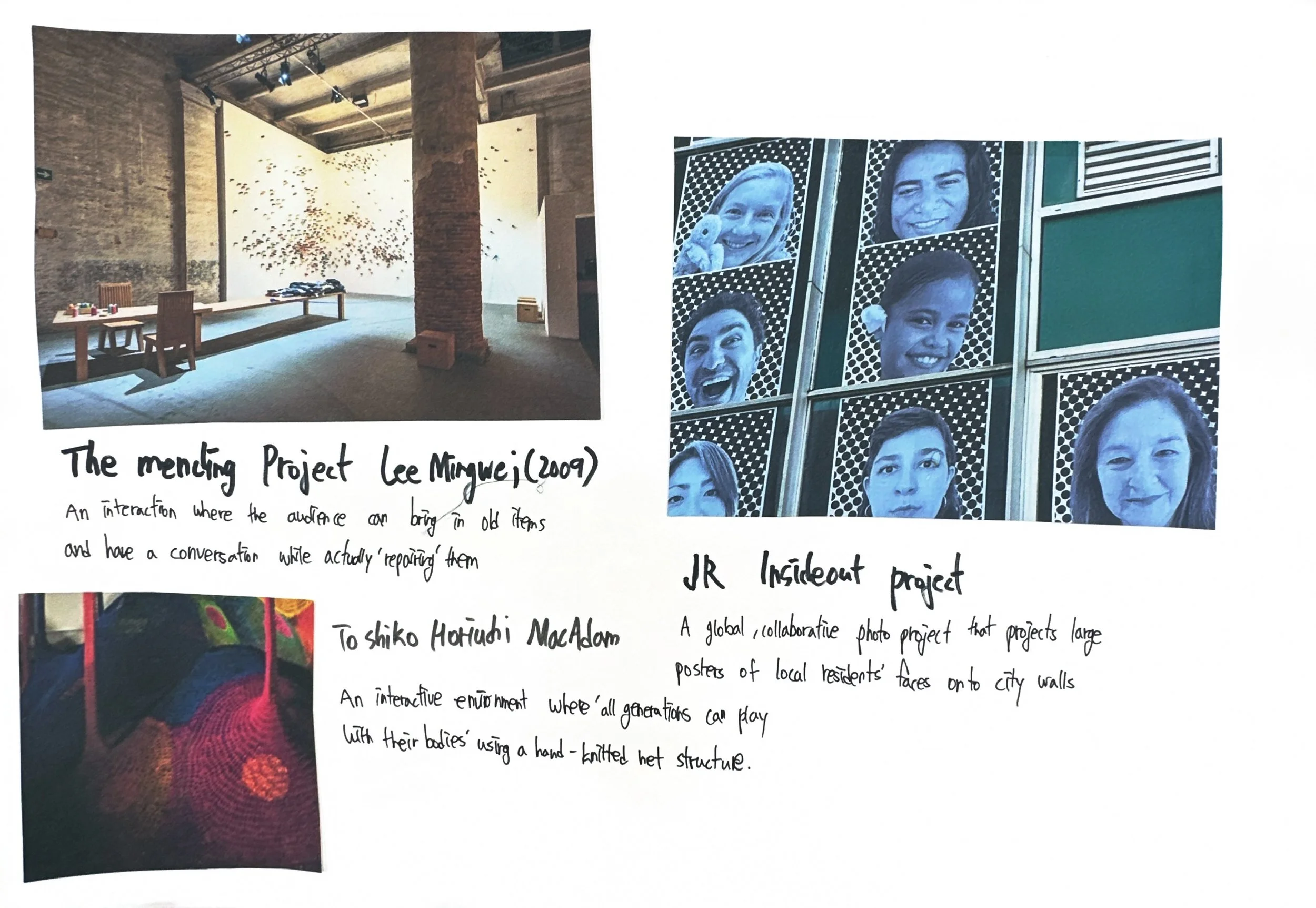
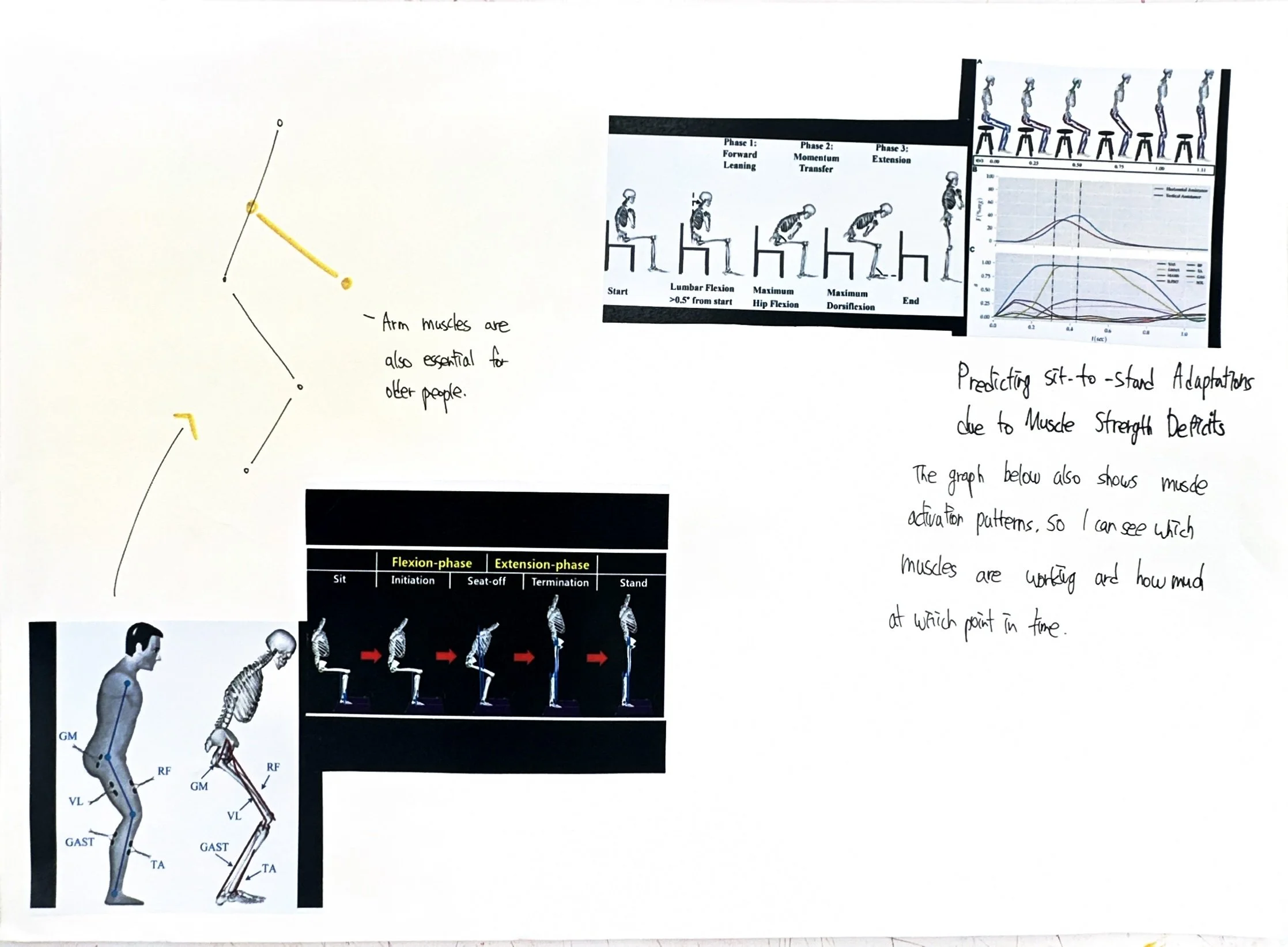
The idea is based on inclusive design and universal design , but this is not just about solving physical problems. The goal is to make a place where everyone can join in, feel valued, and connect with others and a prrson who can feel like a member of society. The biggest part was that my grandfather had a disability in his legs and couldn’t go outside much. The main key concept is the “giver and receiver” relationship, which means care goes both roles that people support each other, both physically and emotionally. The main theory is influenced by Nicolas Bourriaud’s Relational Aesthetics and Edward Hall’s Proxemics, focus on relationships and distance between with people. Also the role of the memory transmitter was taken from the book The Giver.
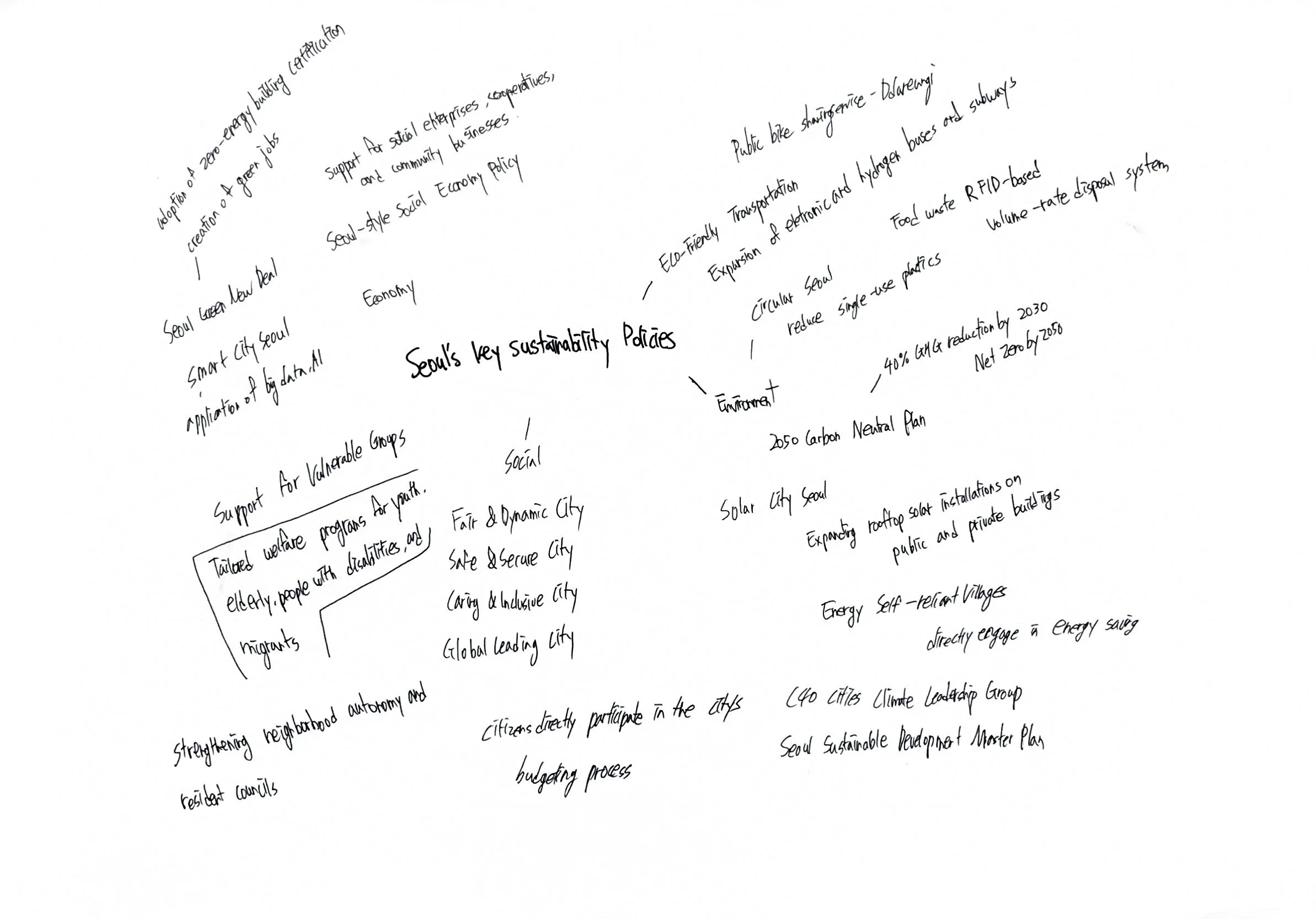
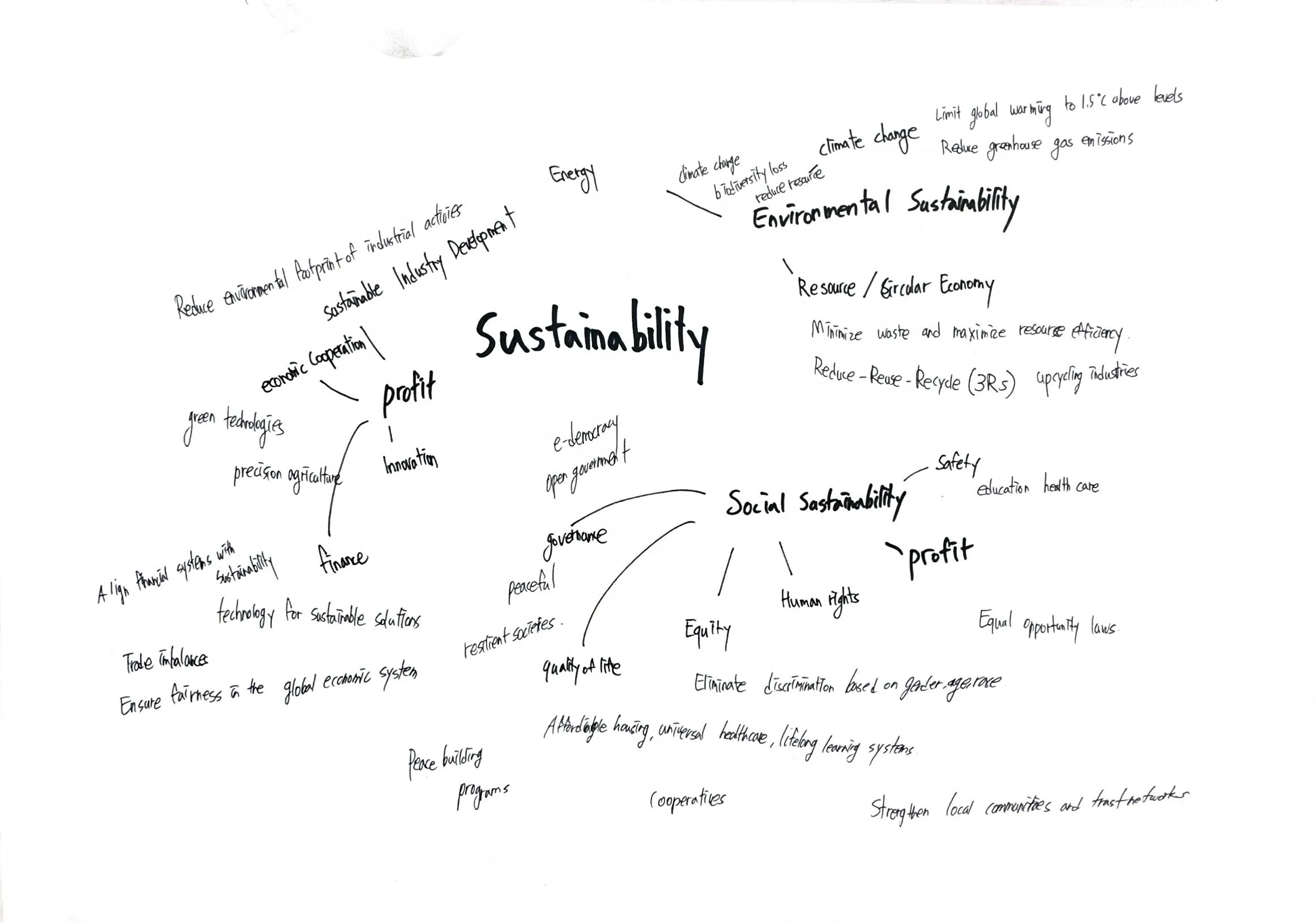
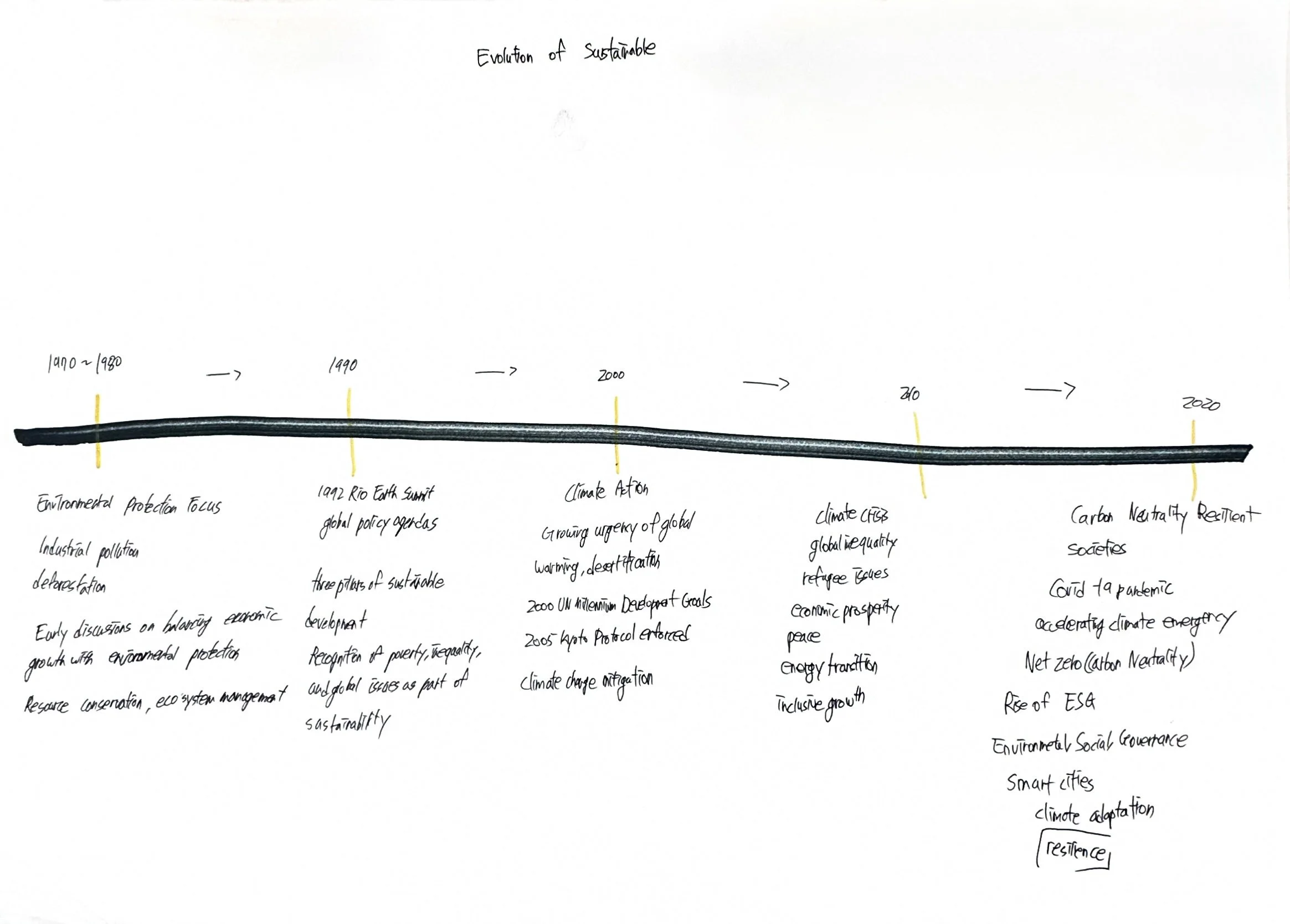
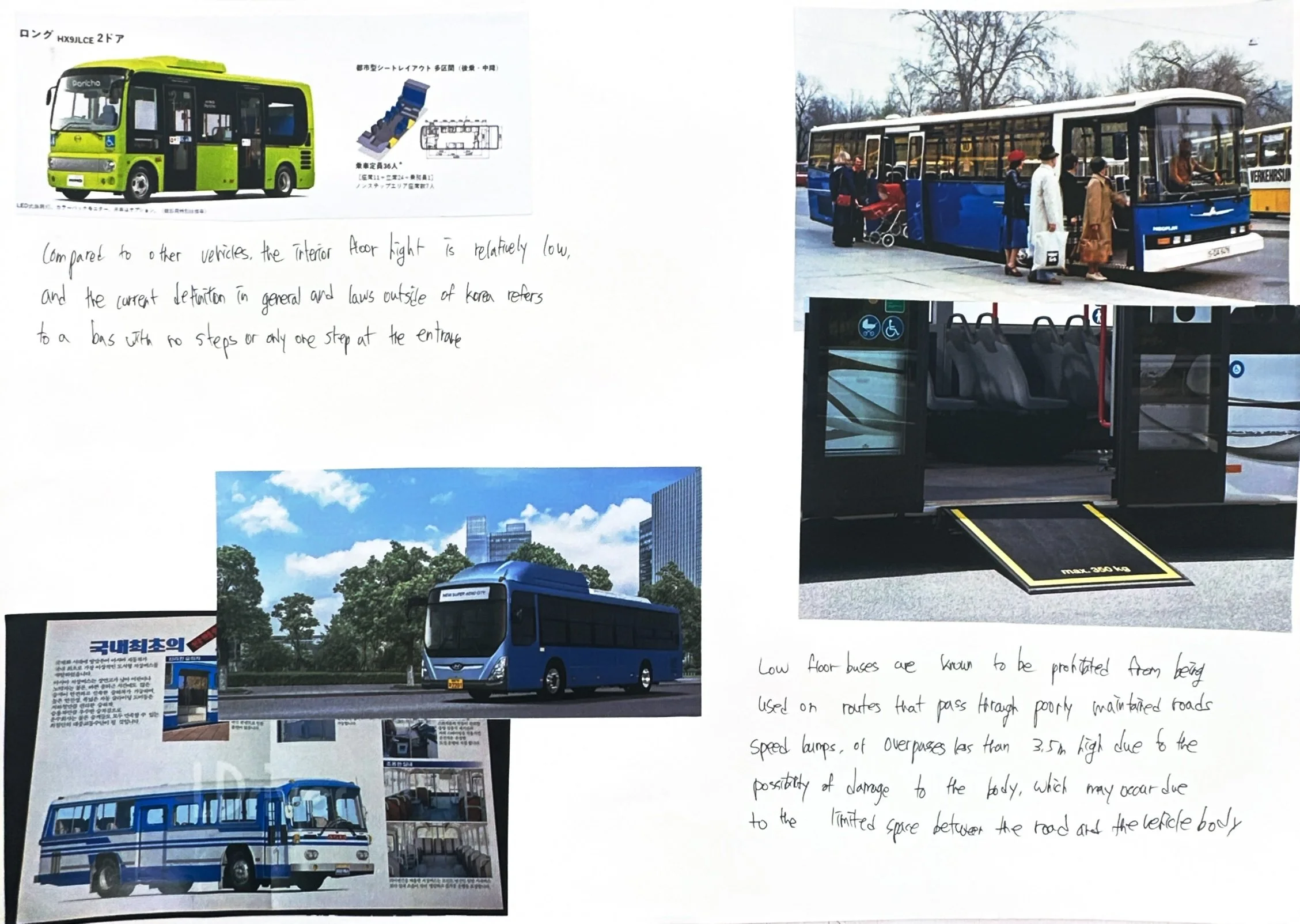
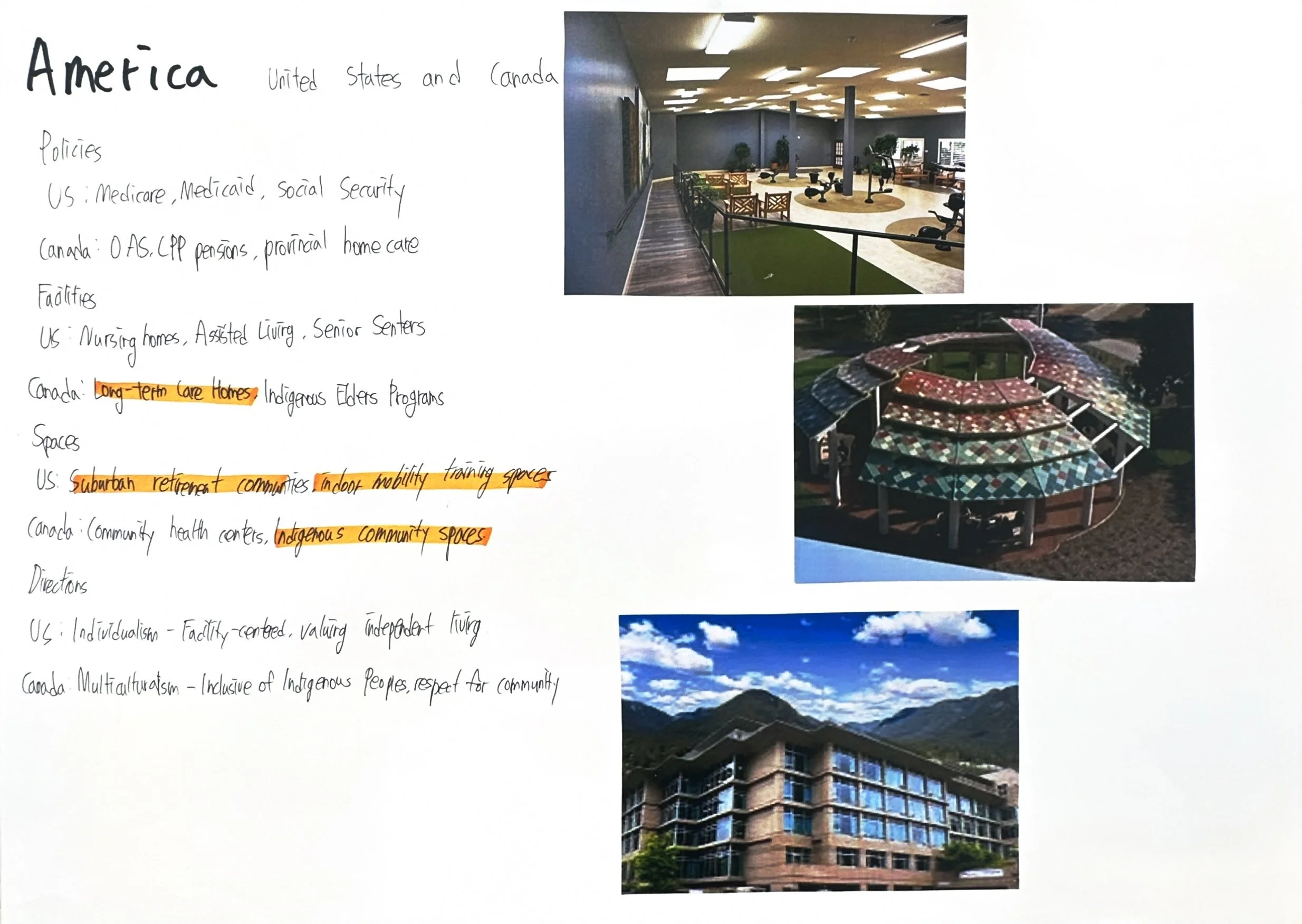
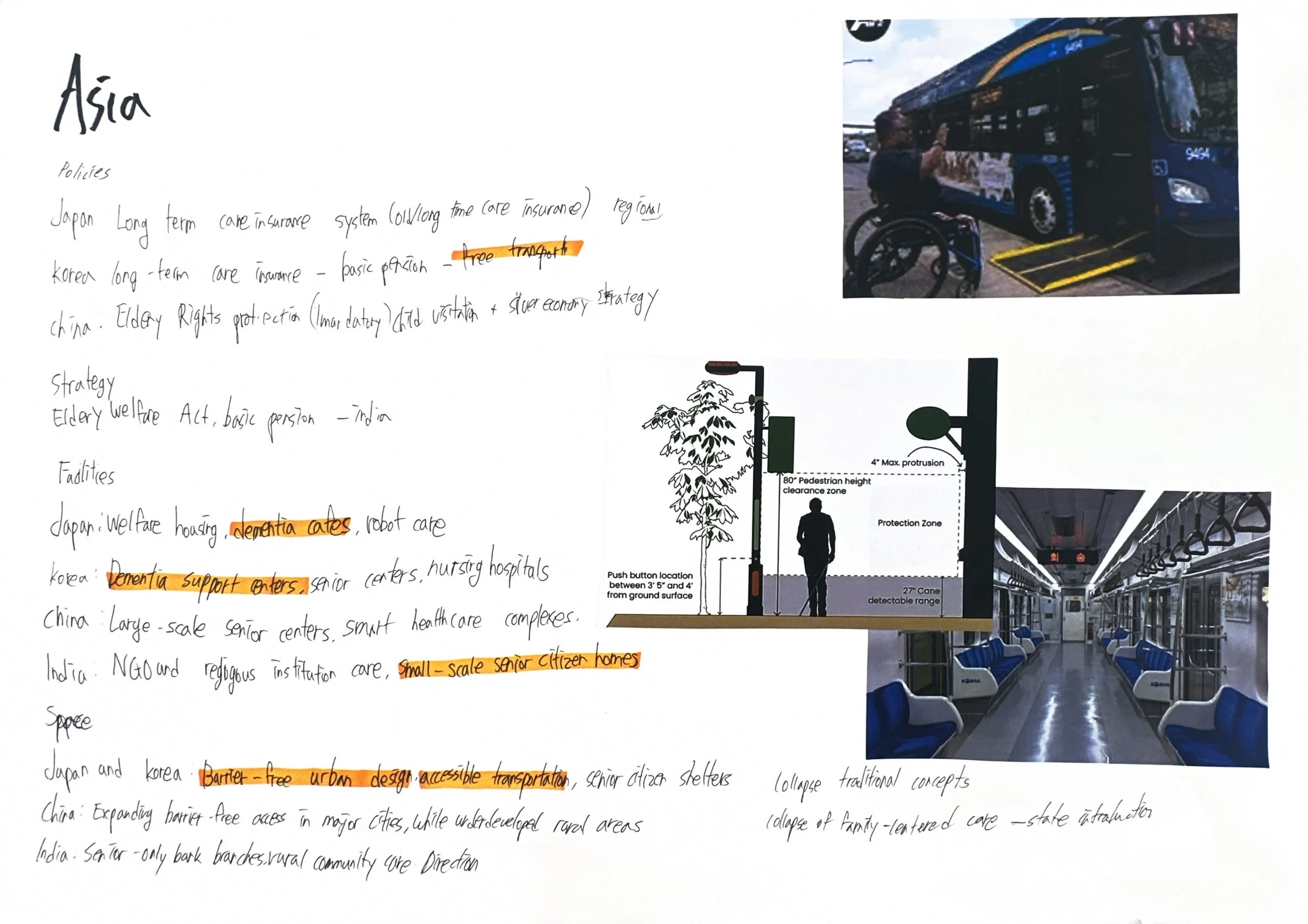
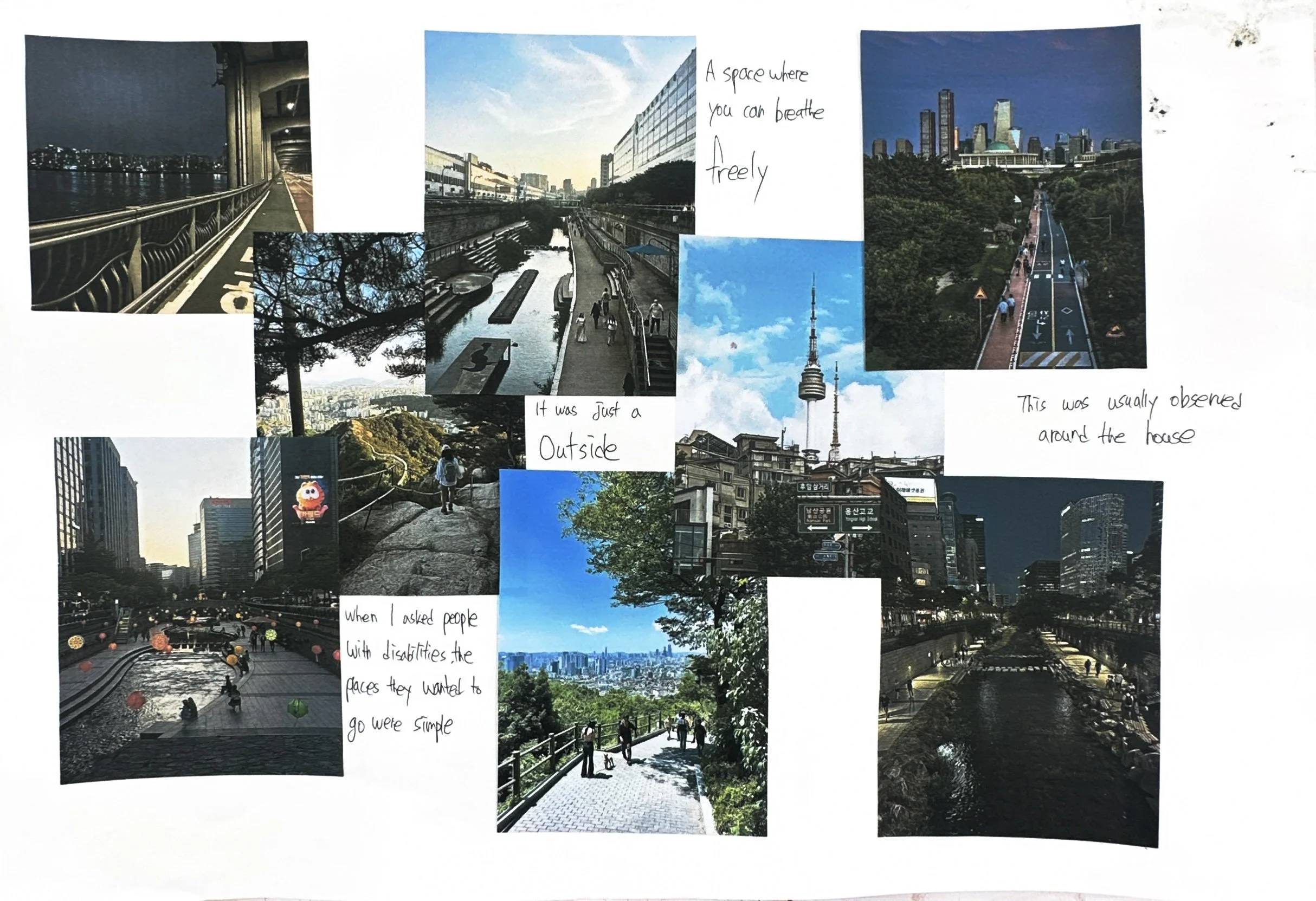
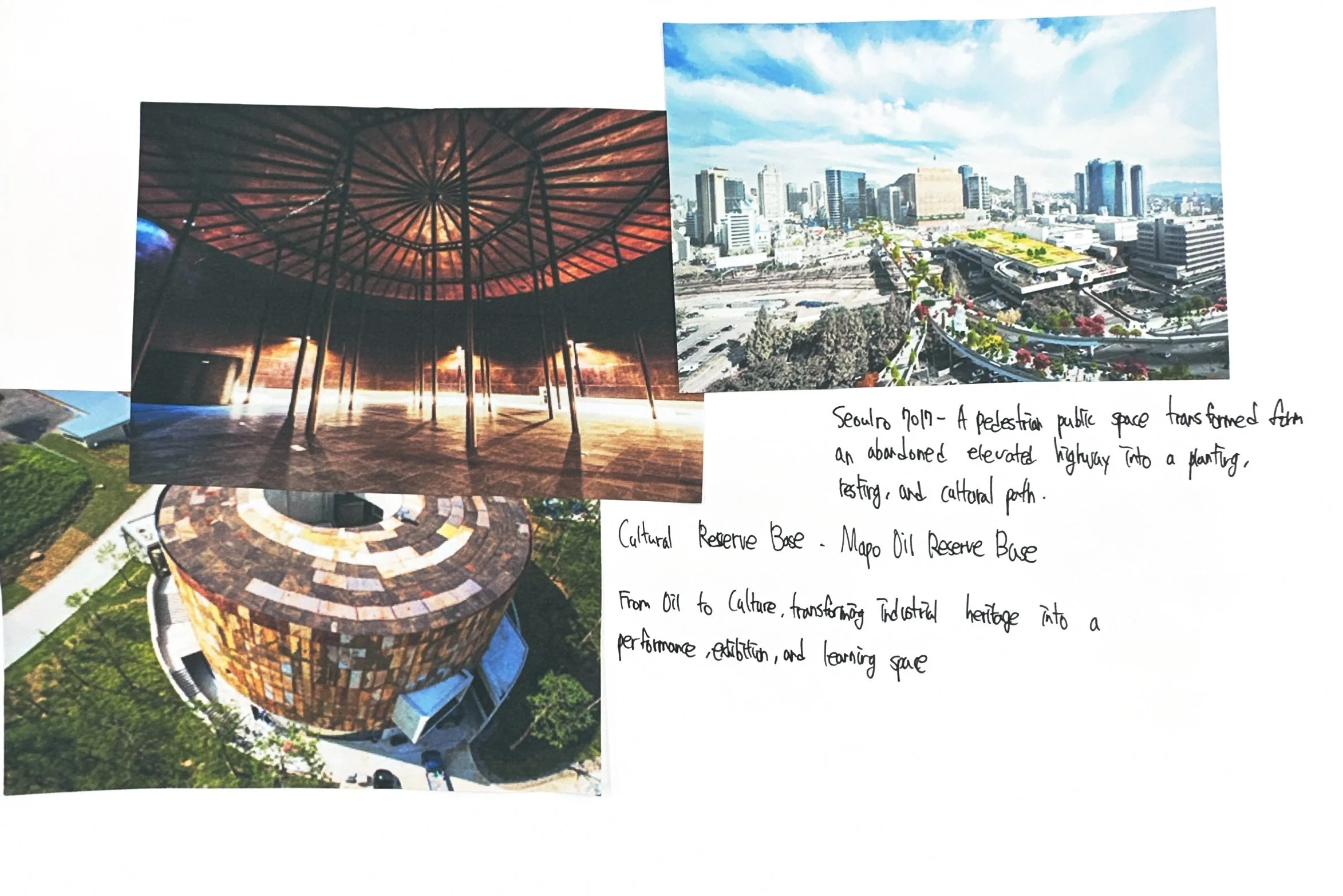
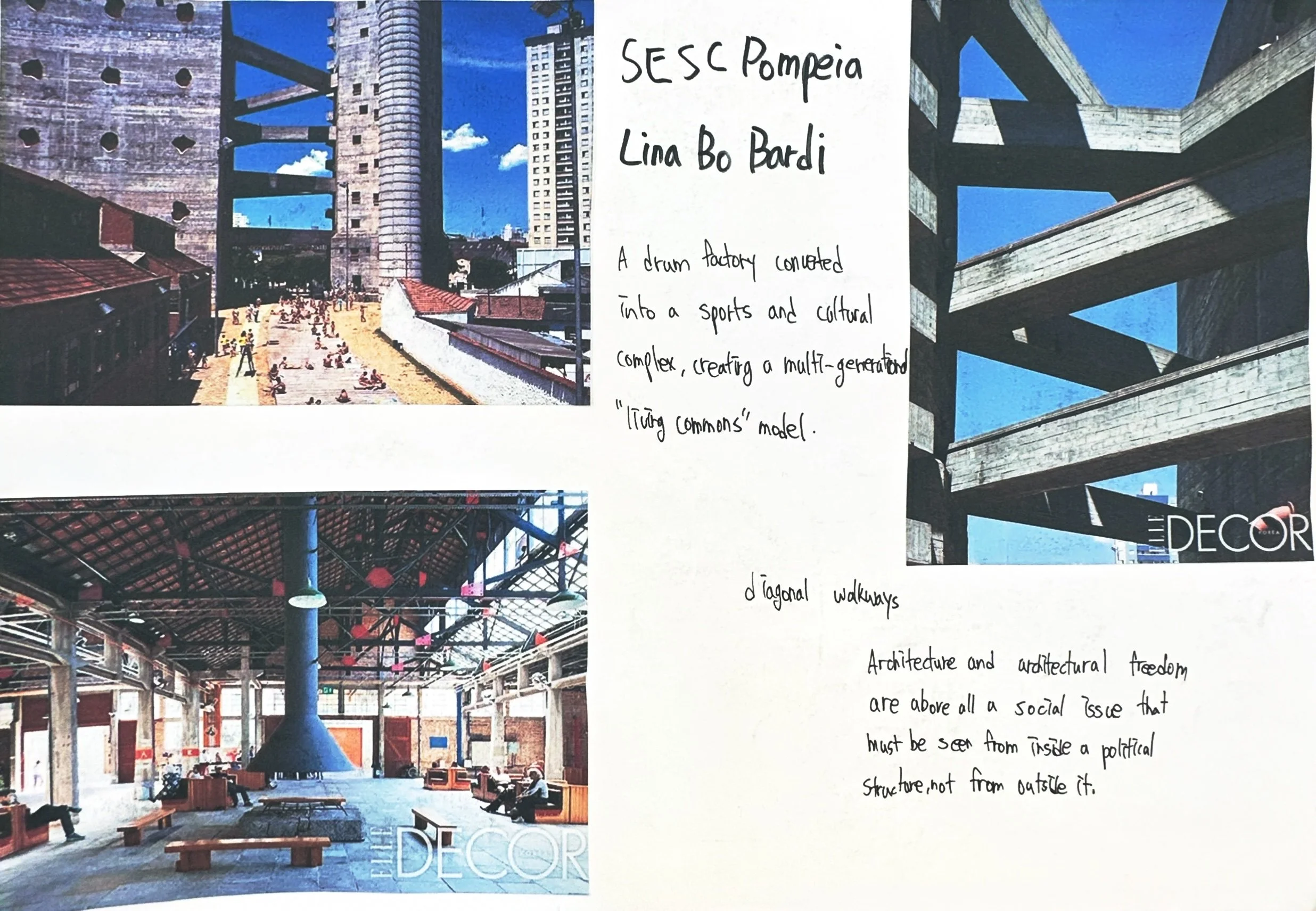
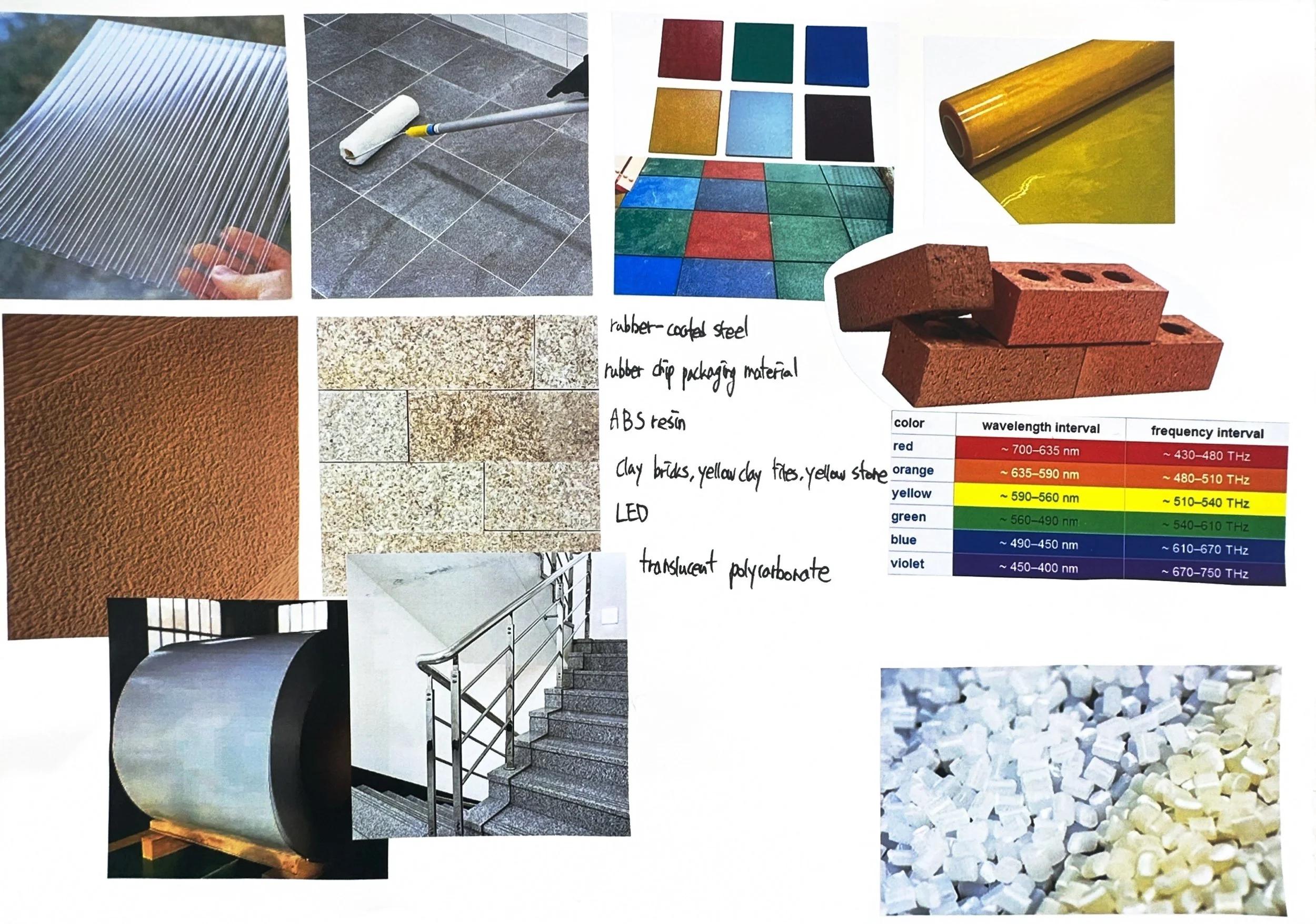
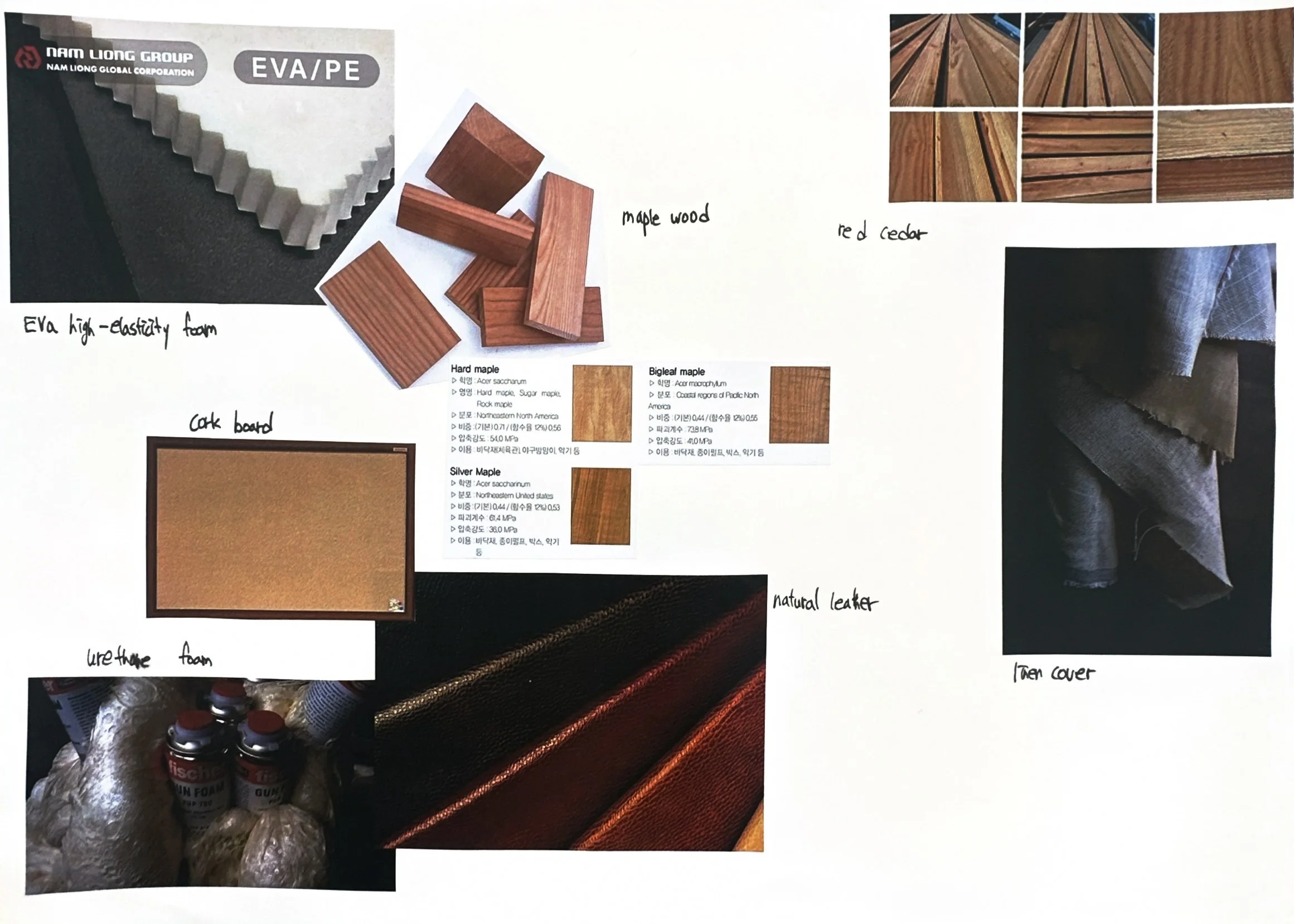
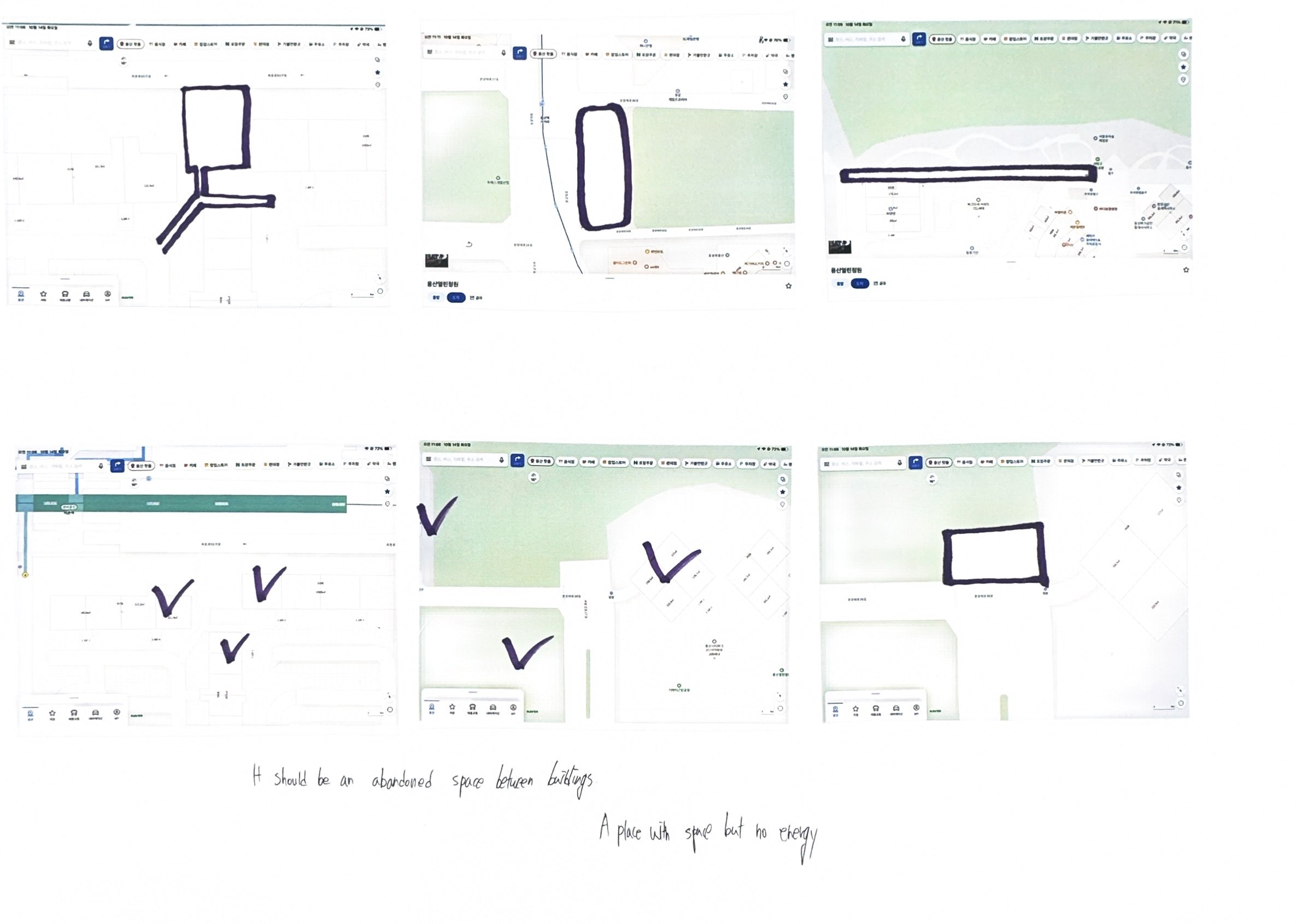
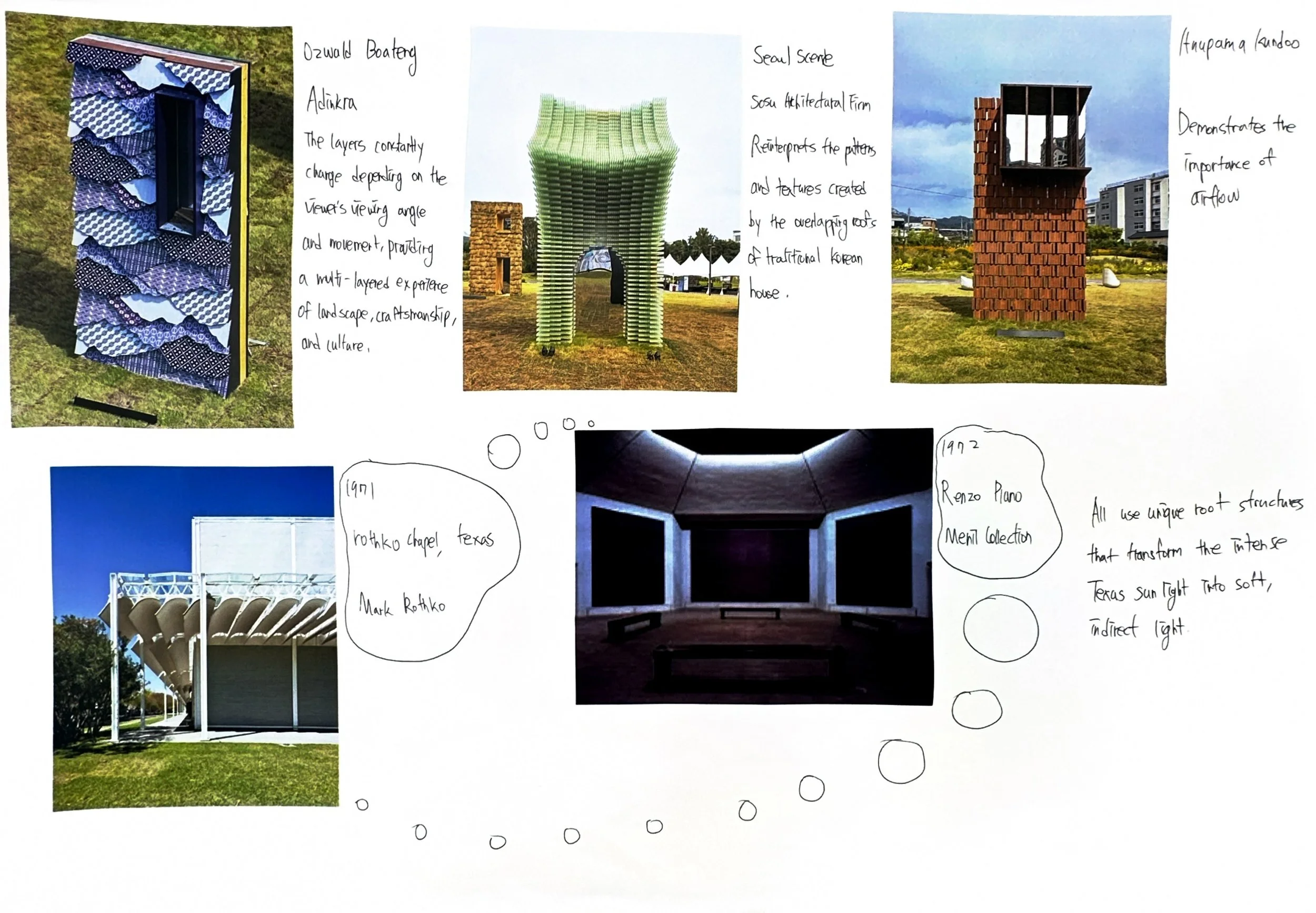
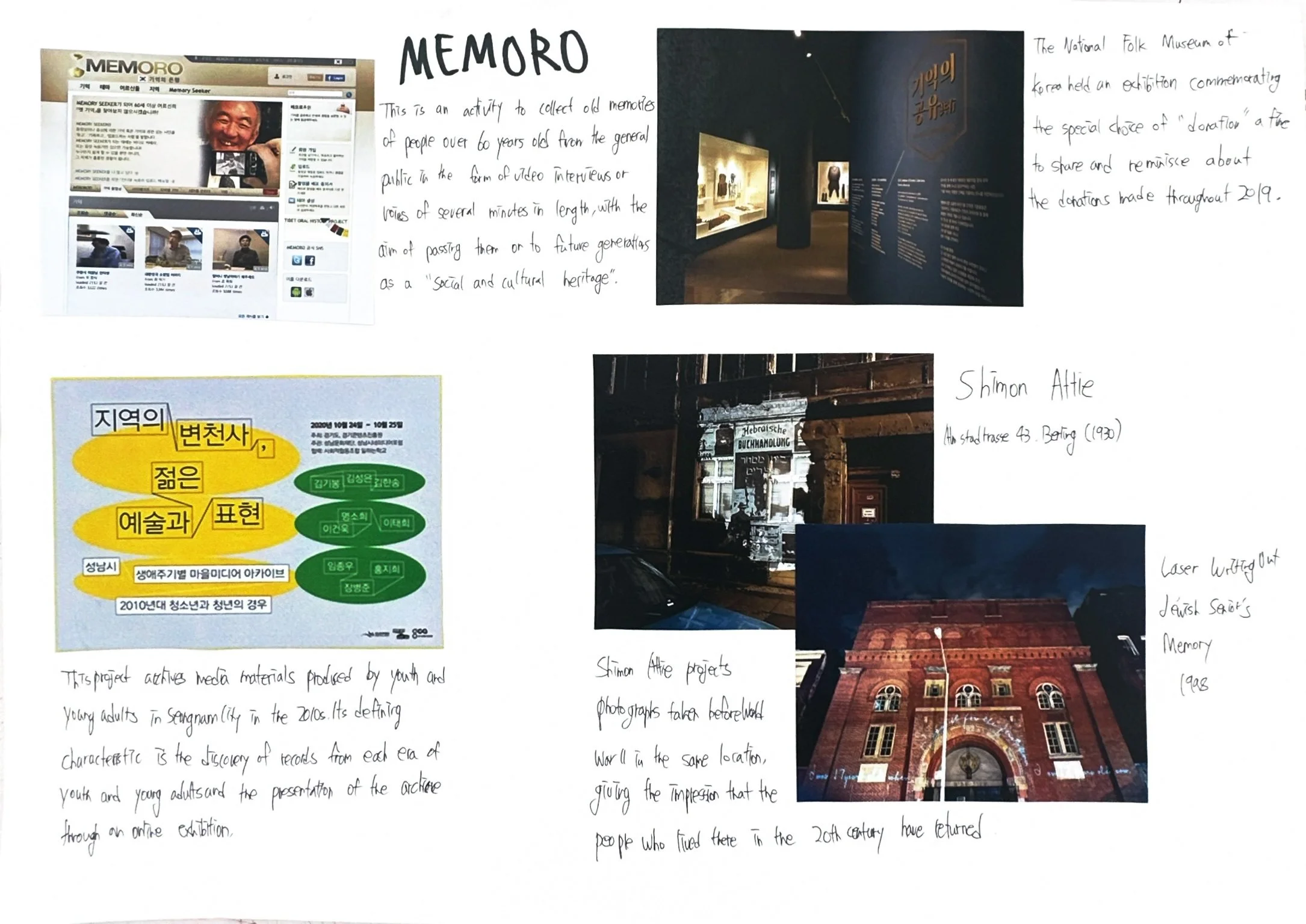
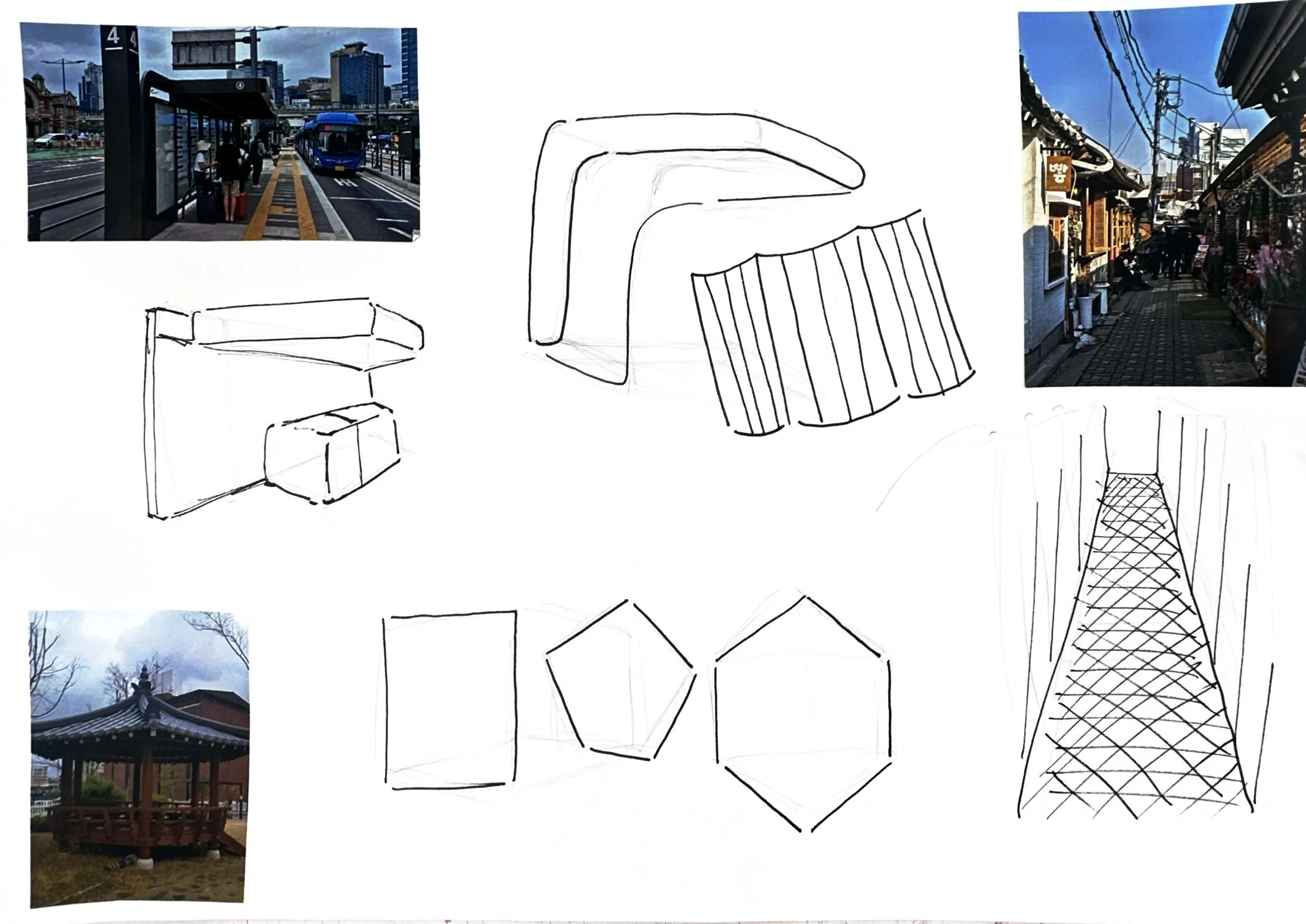
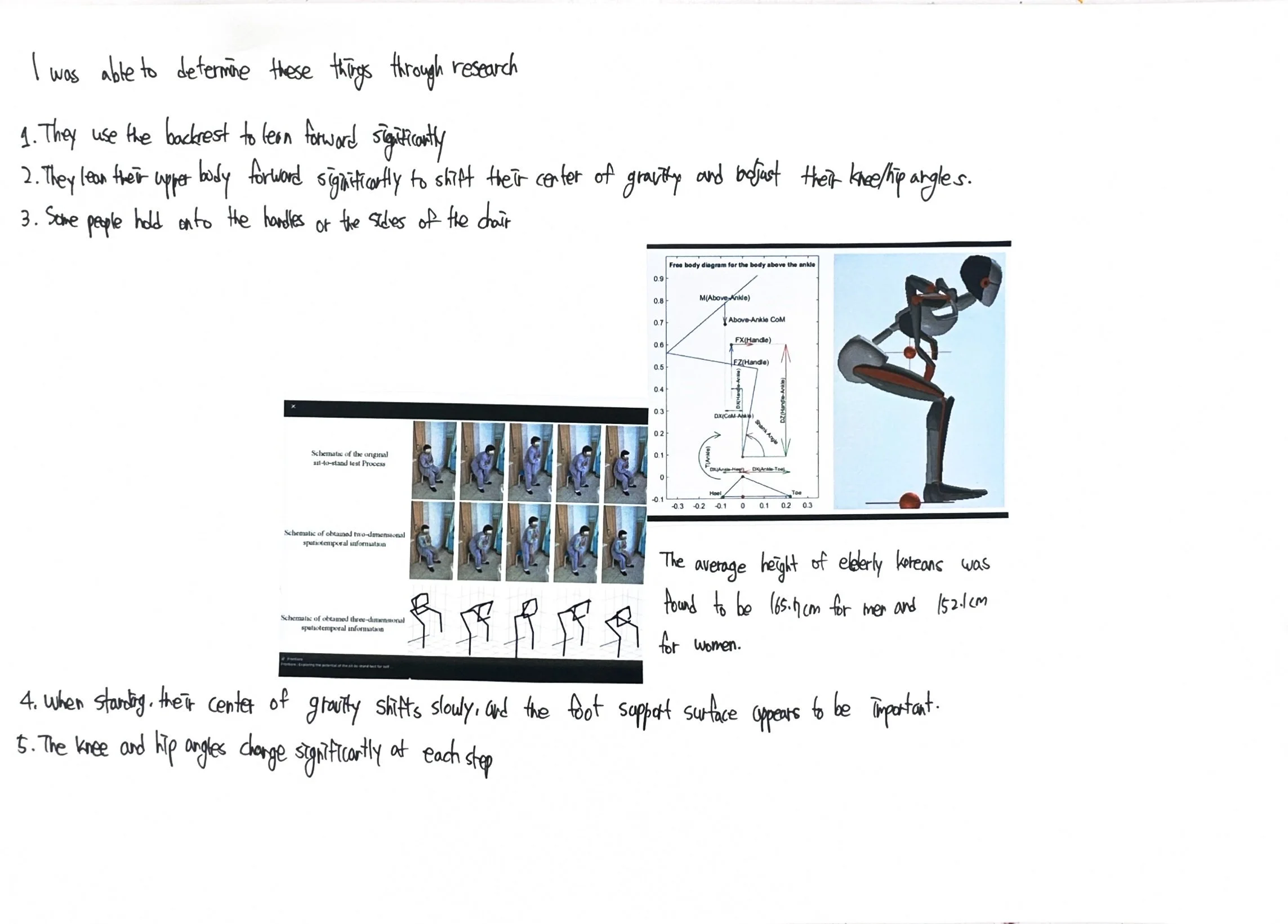
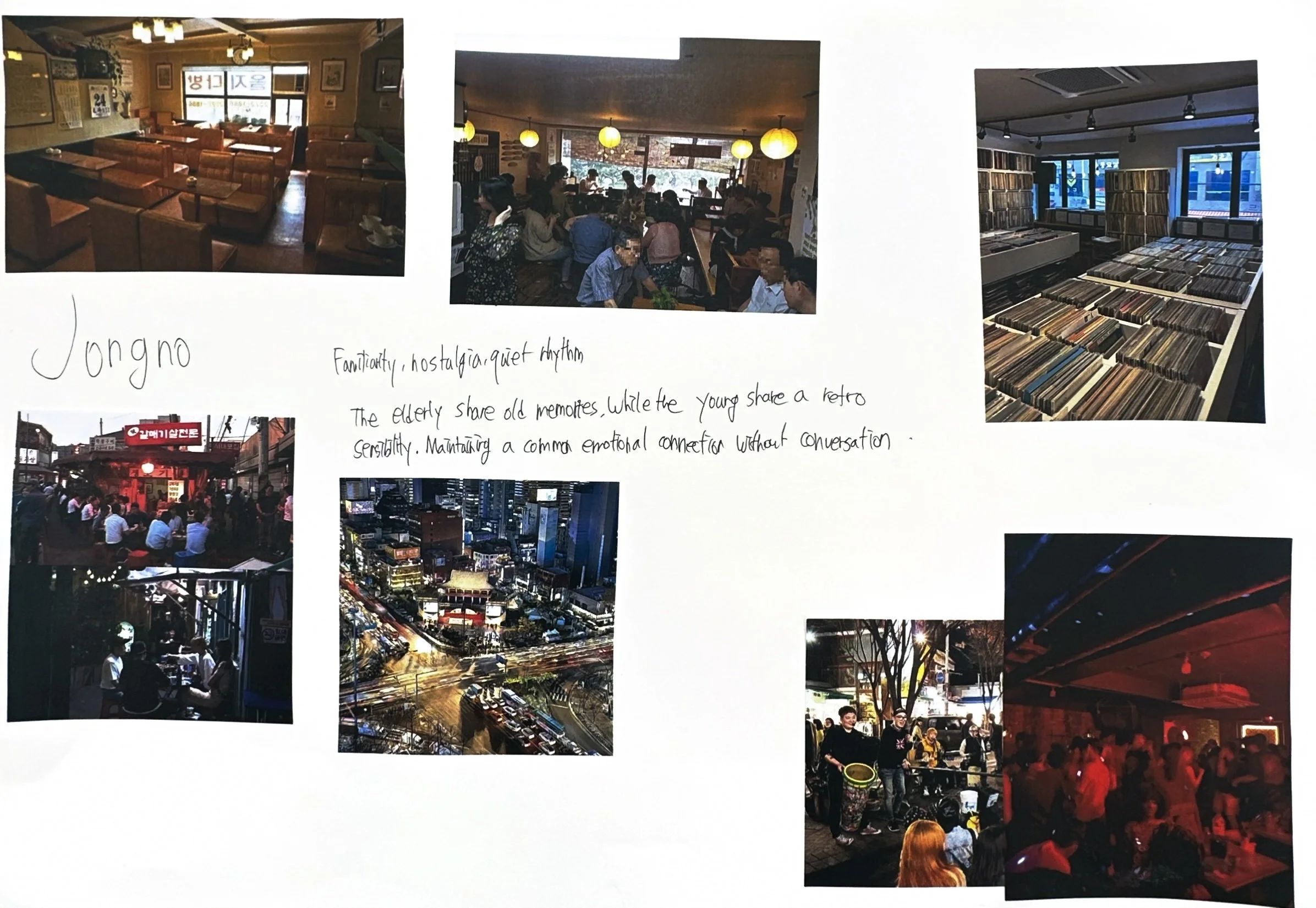
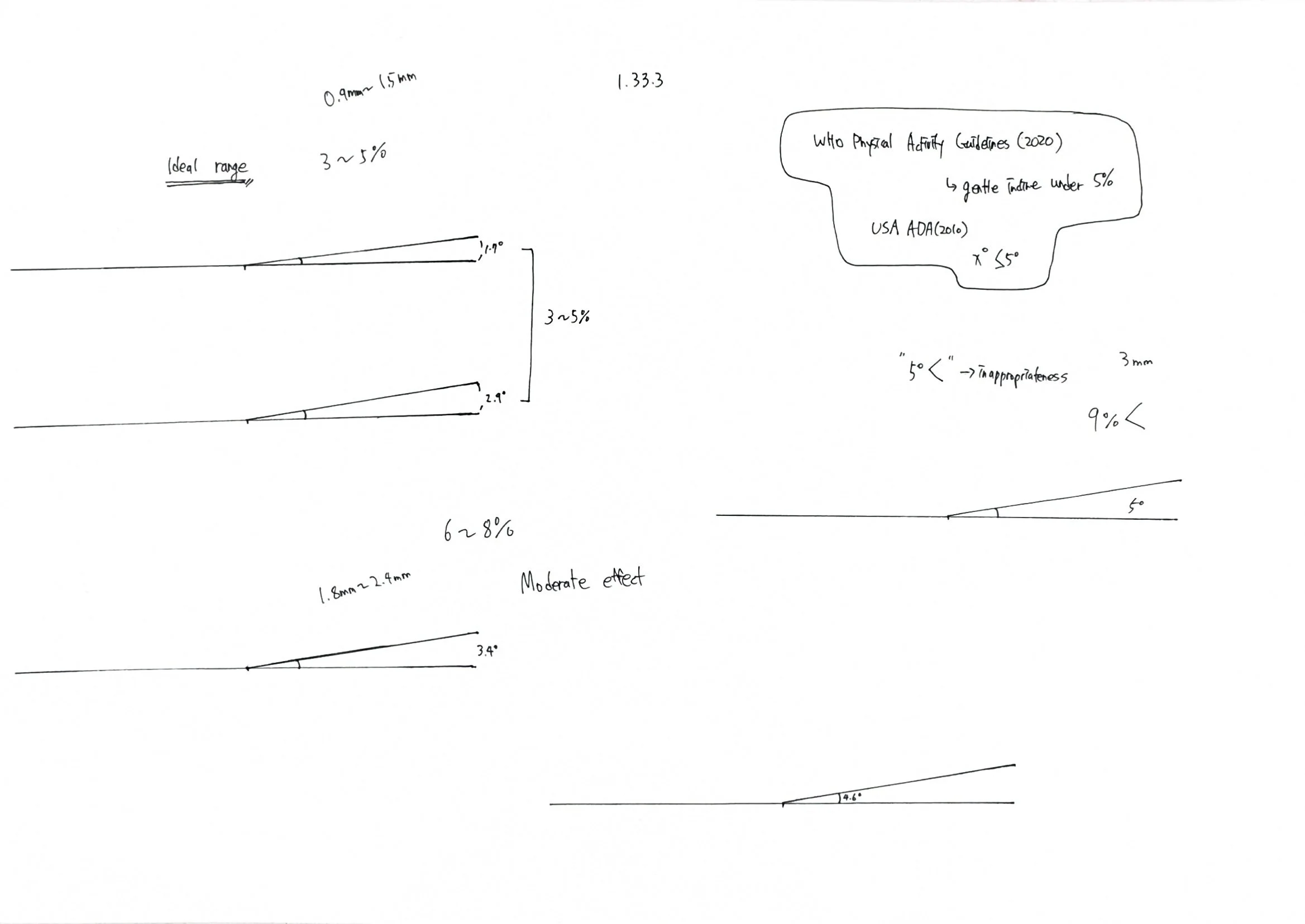
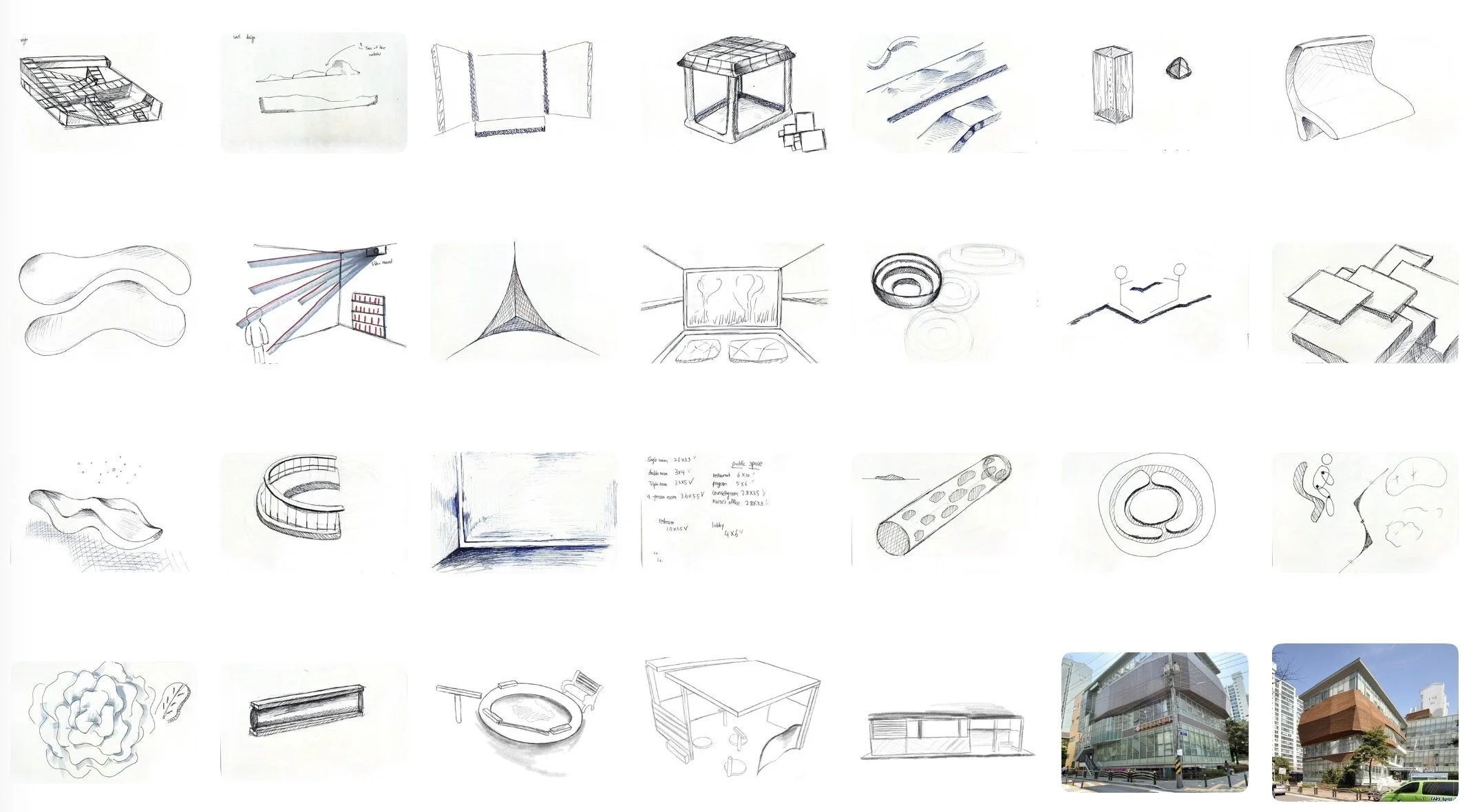
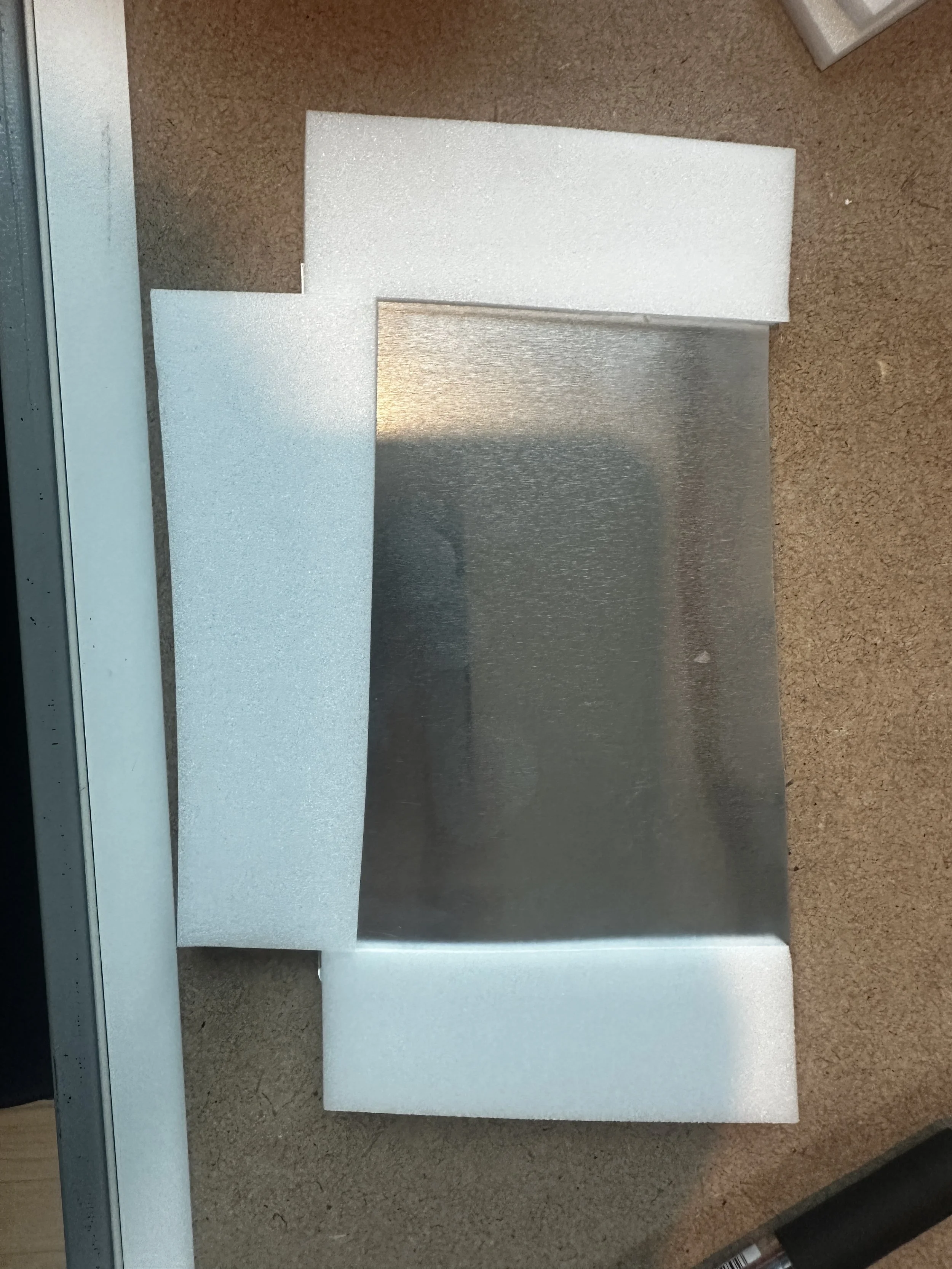
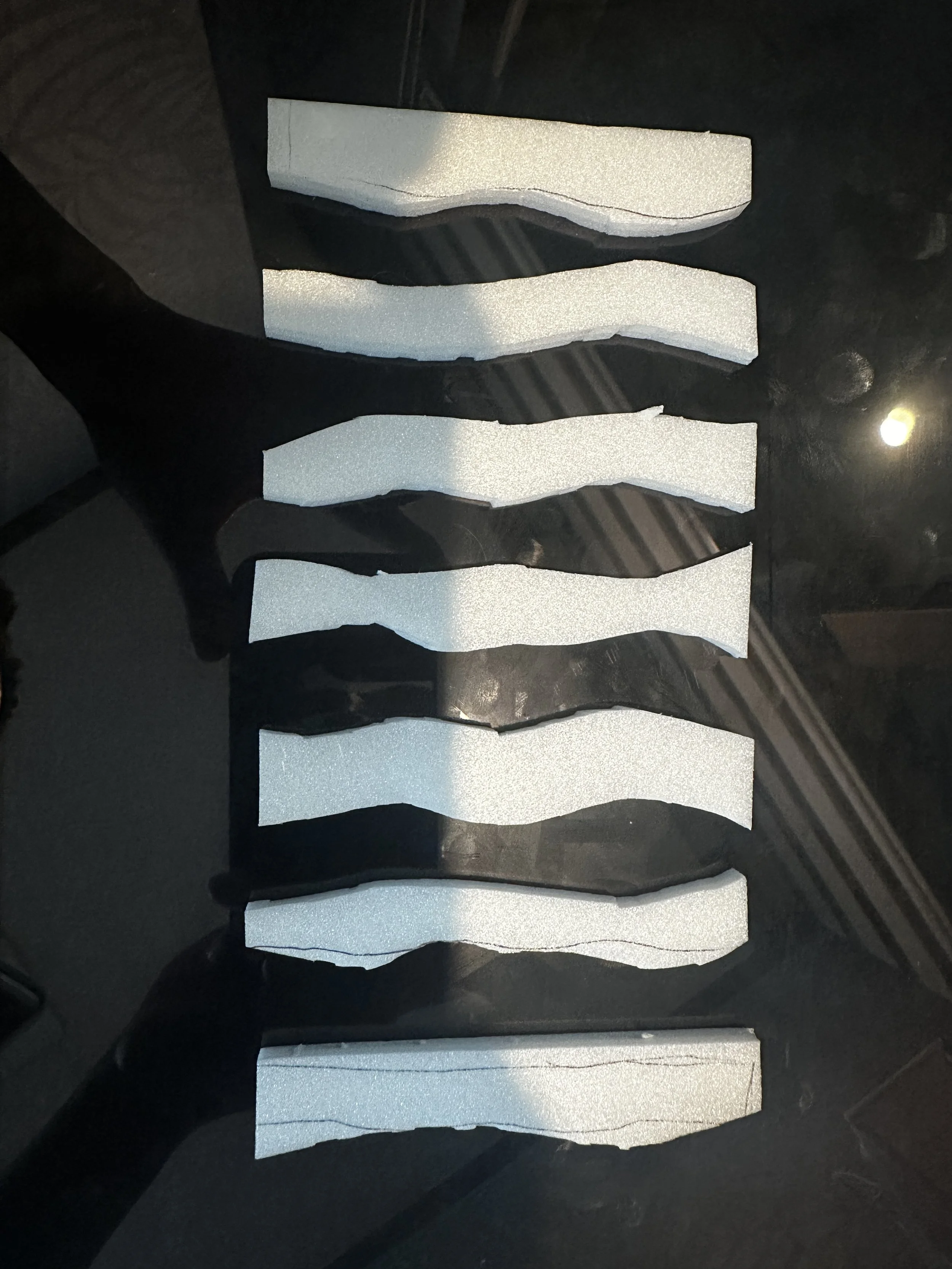
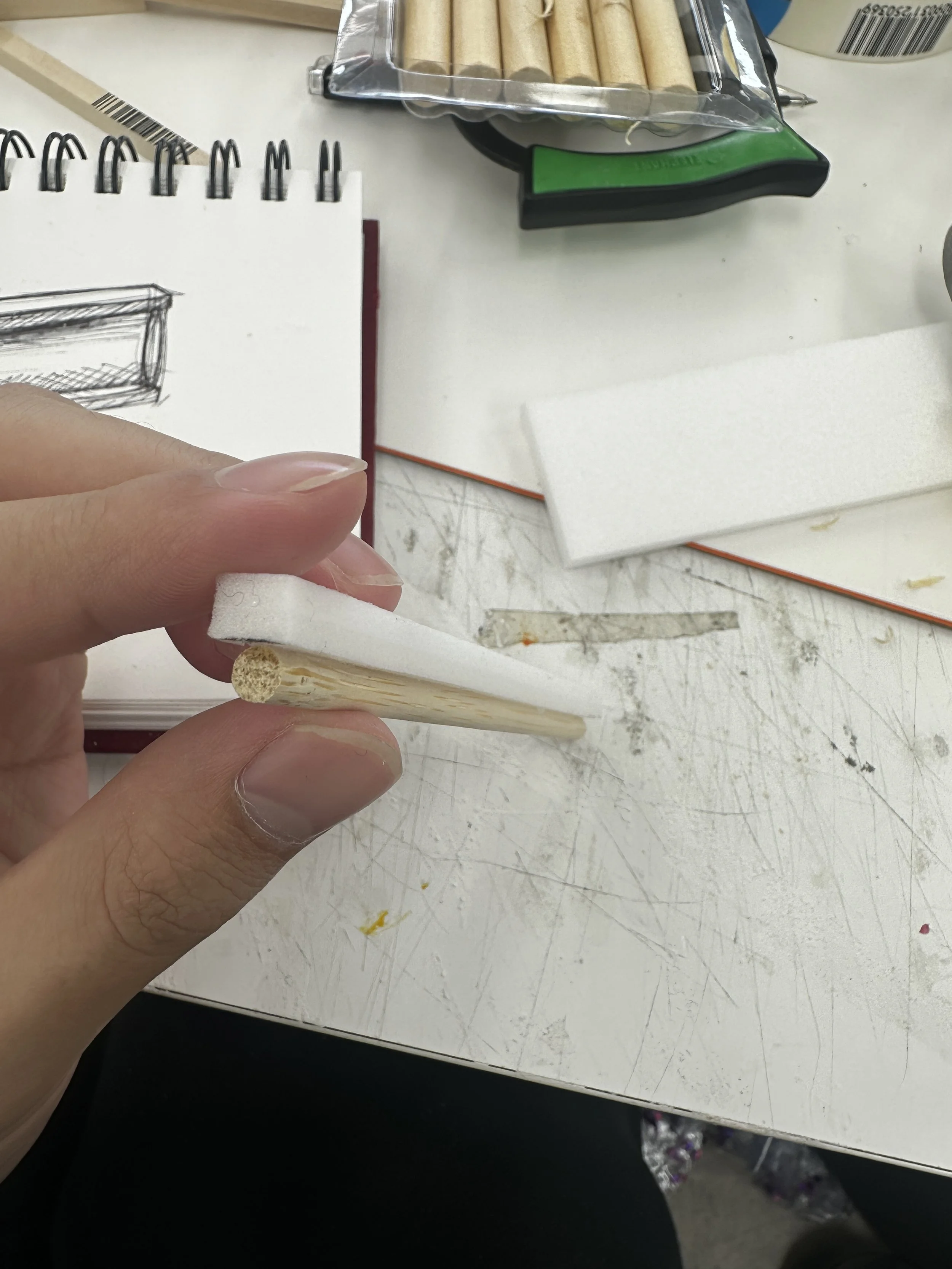
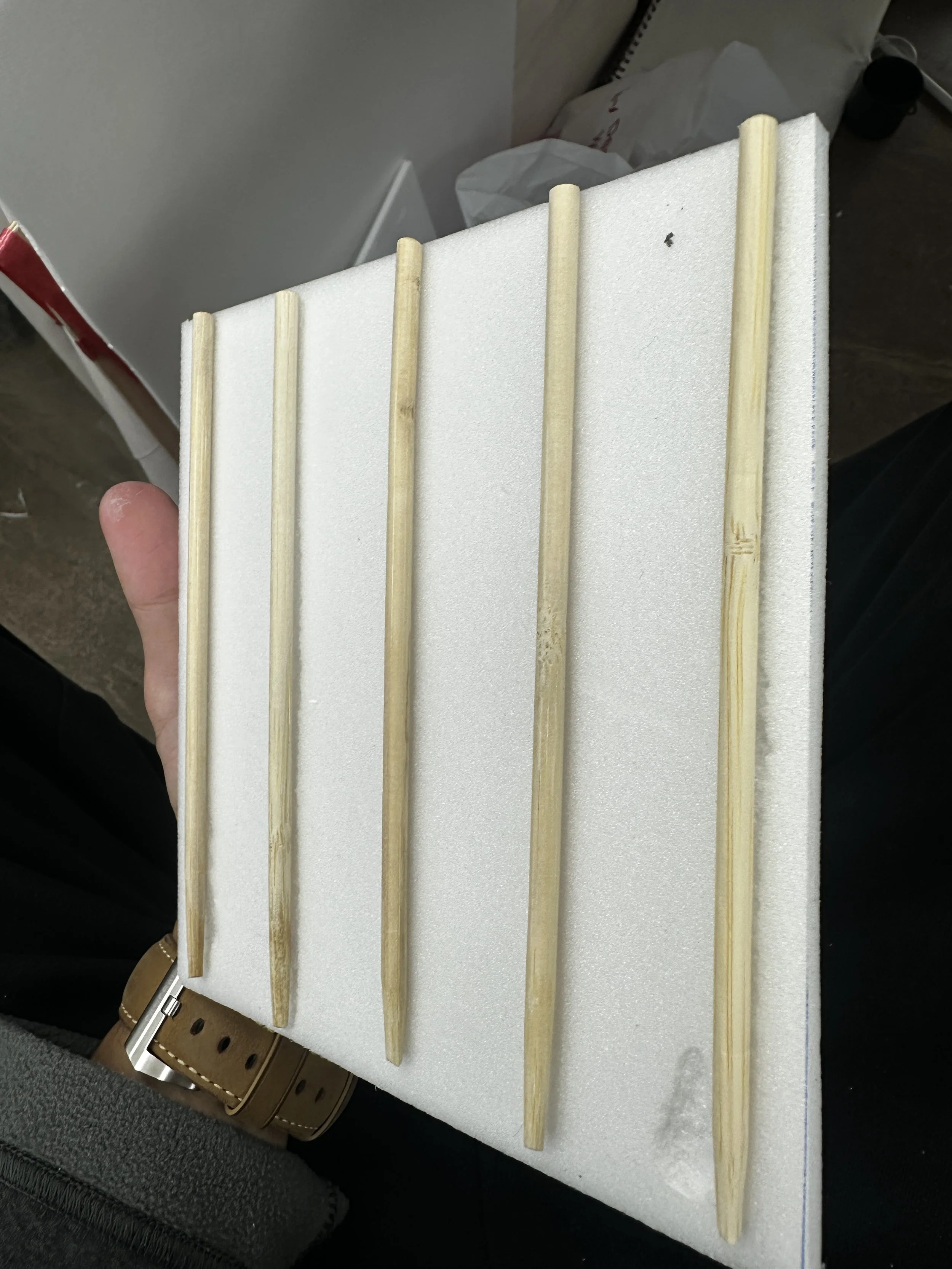
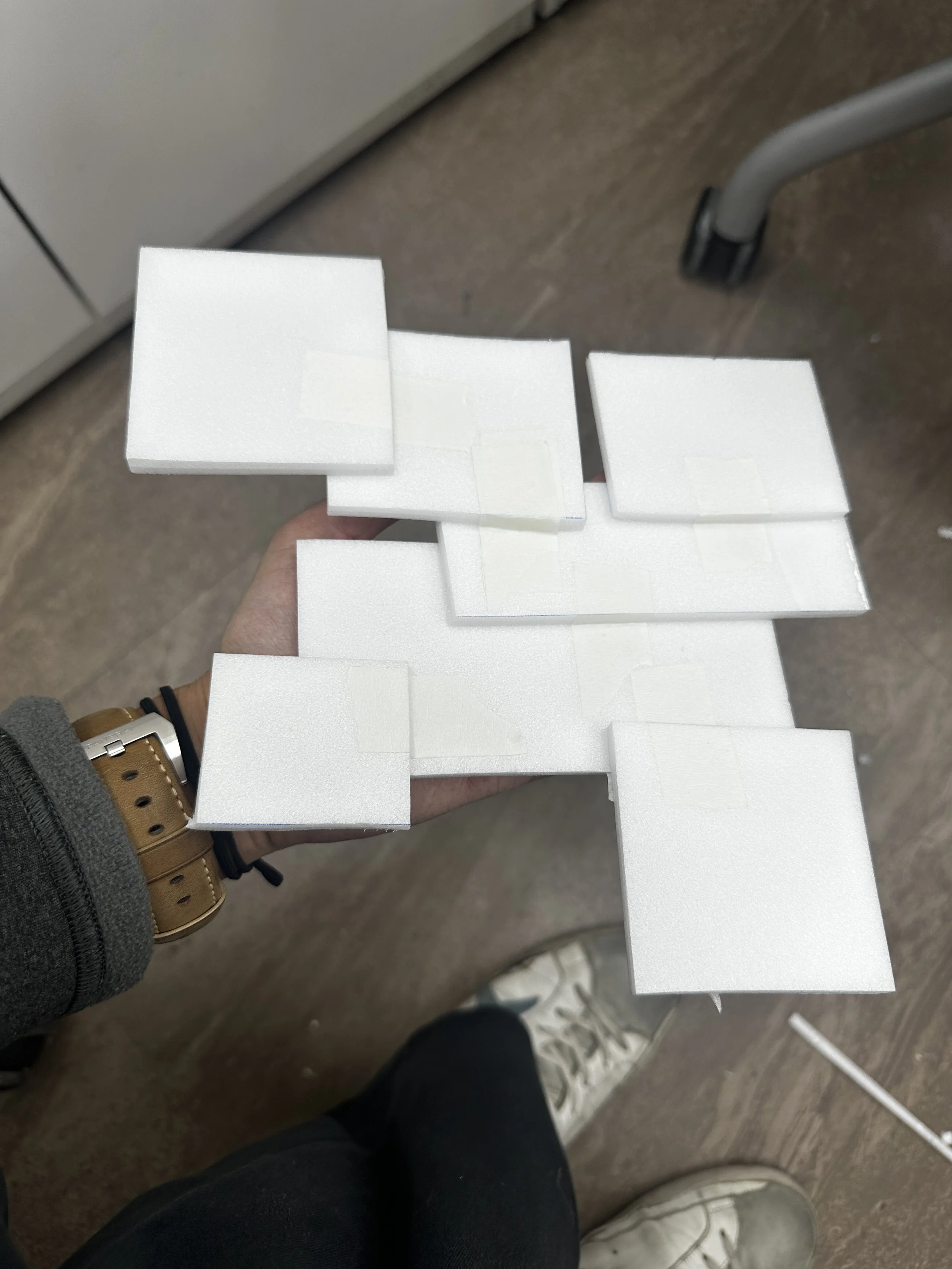
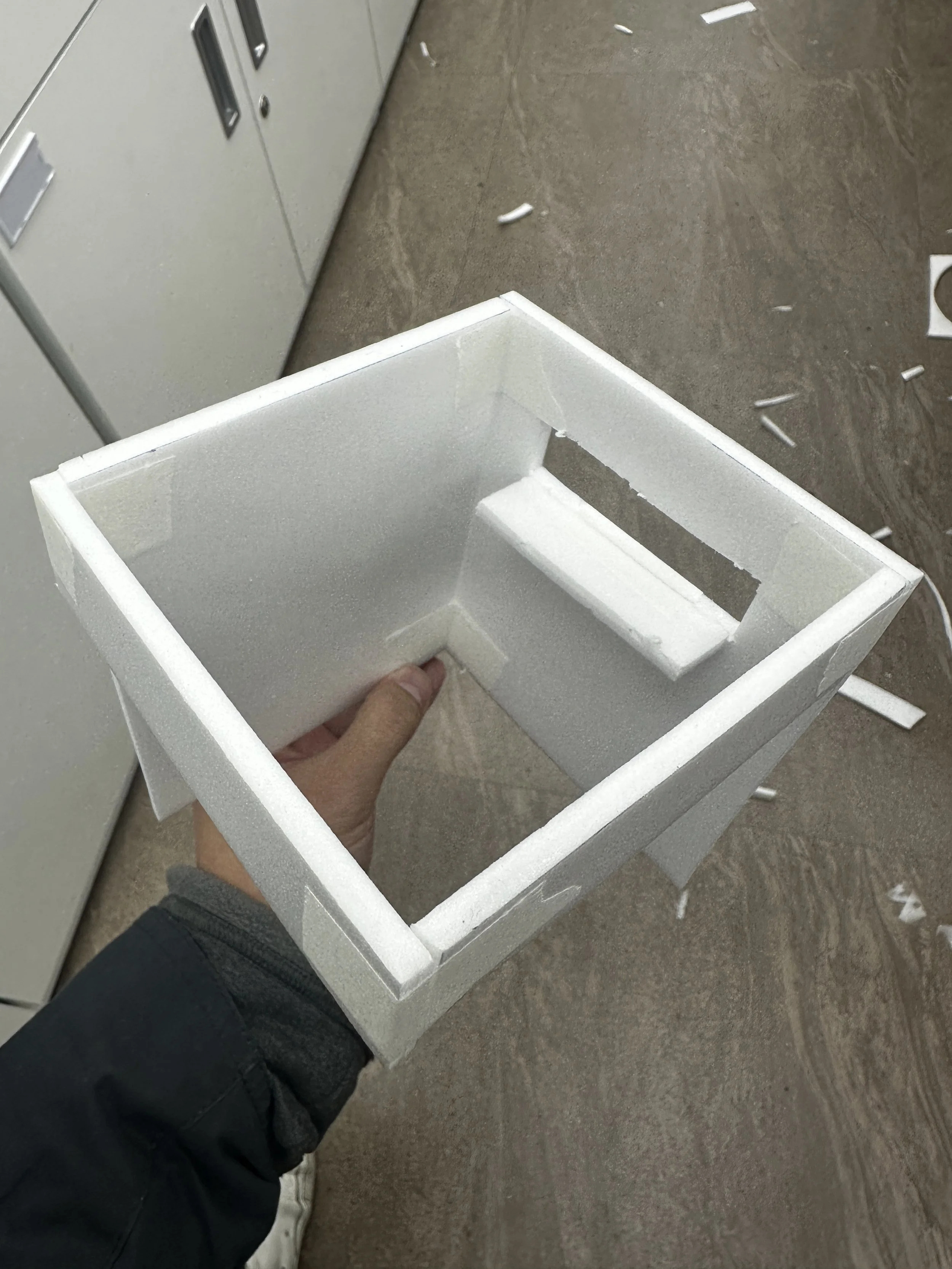
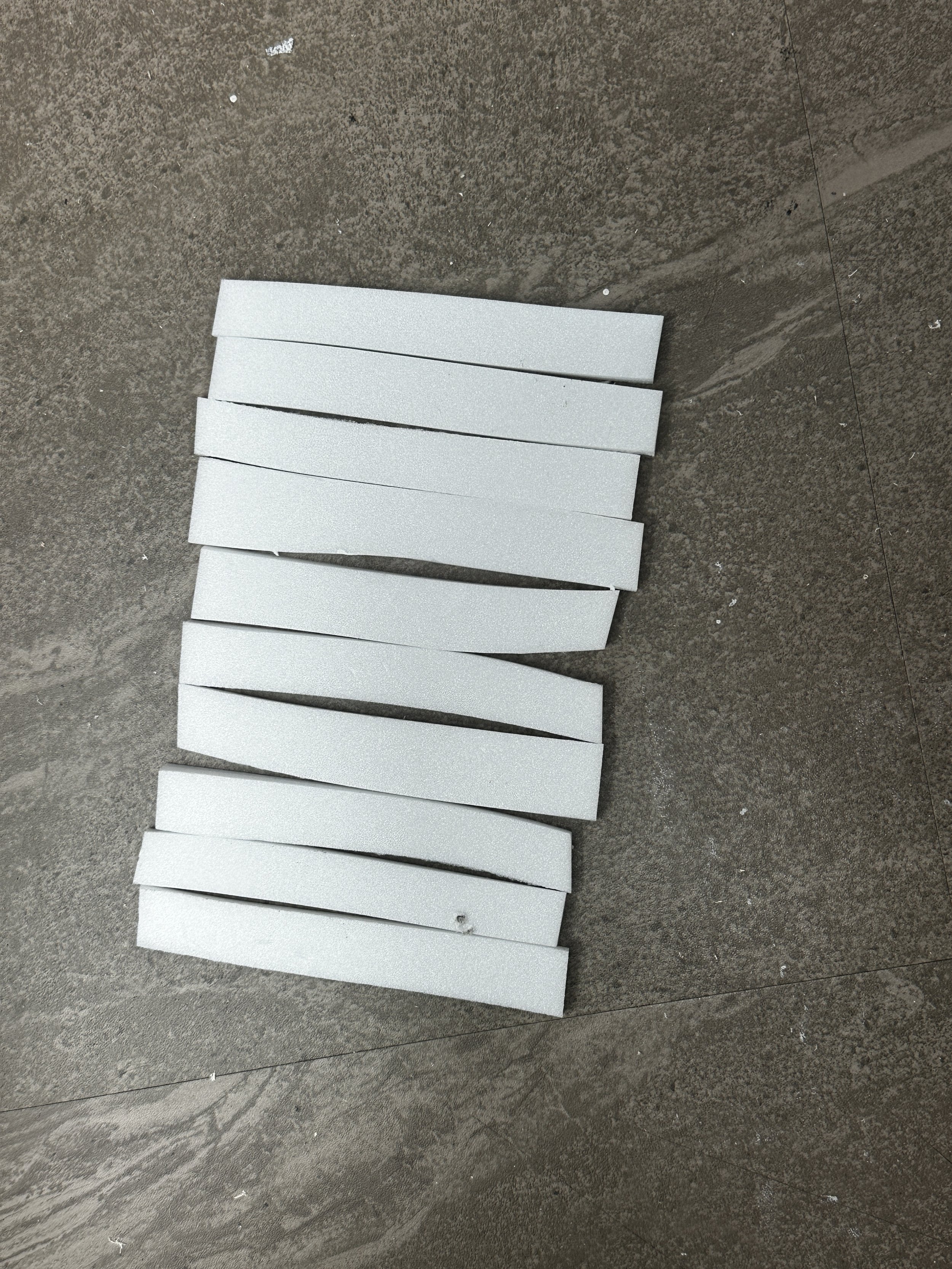
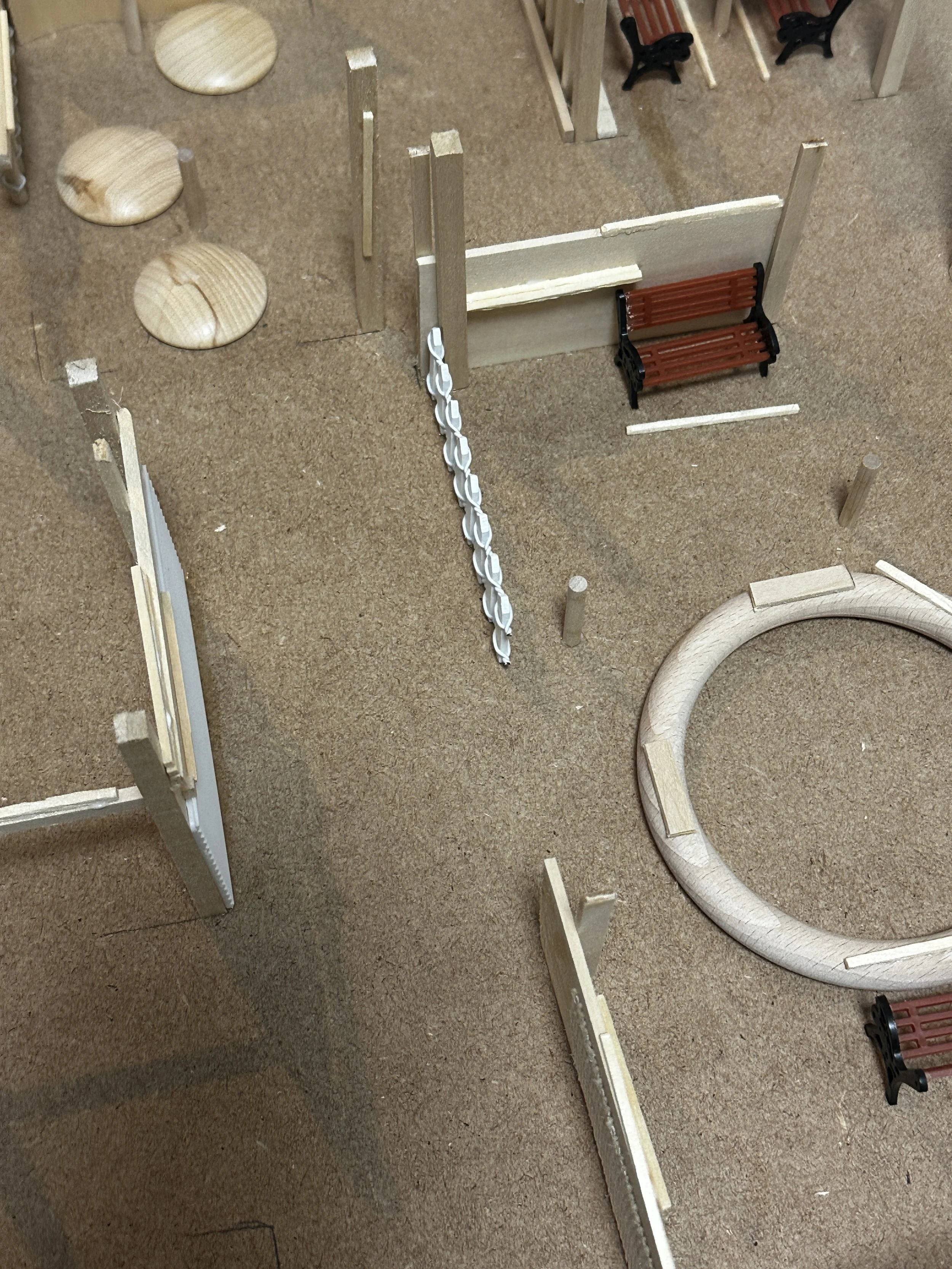
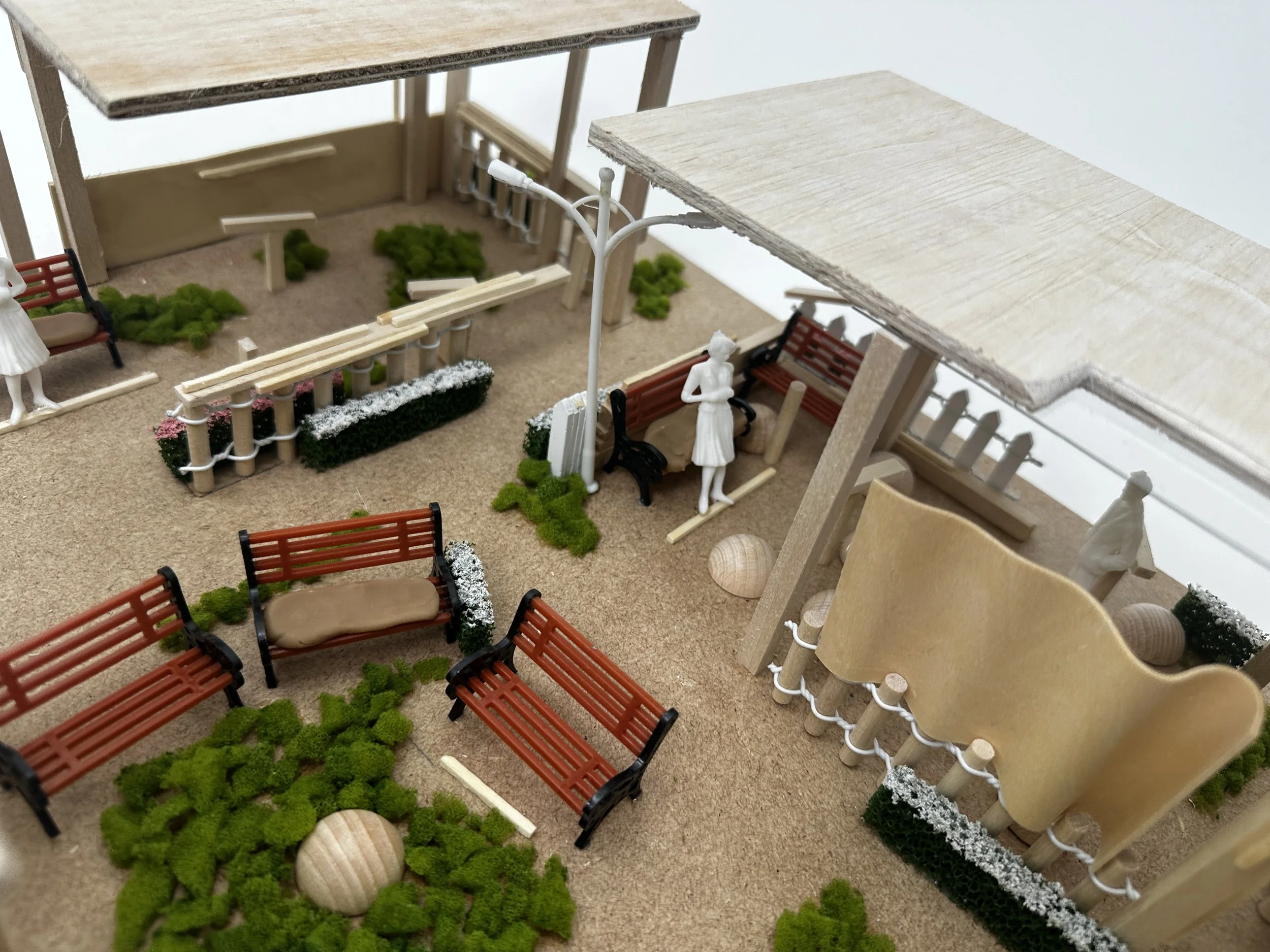
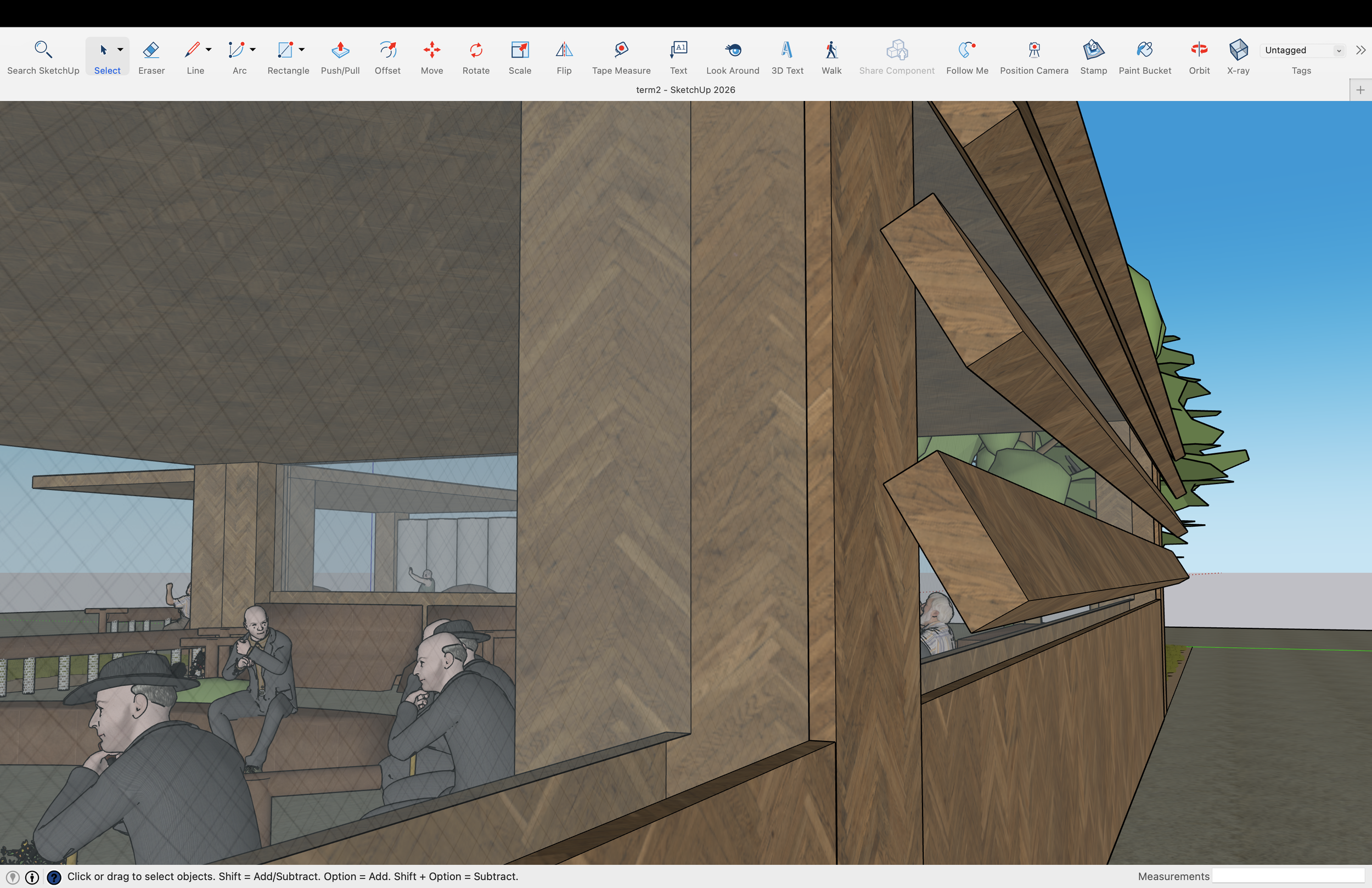
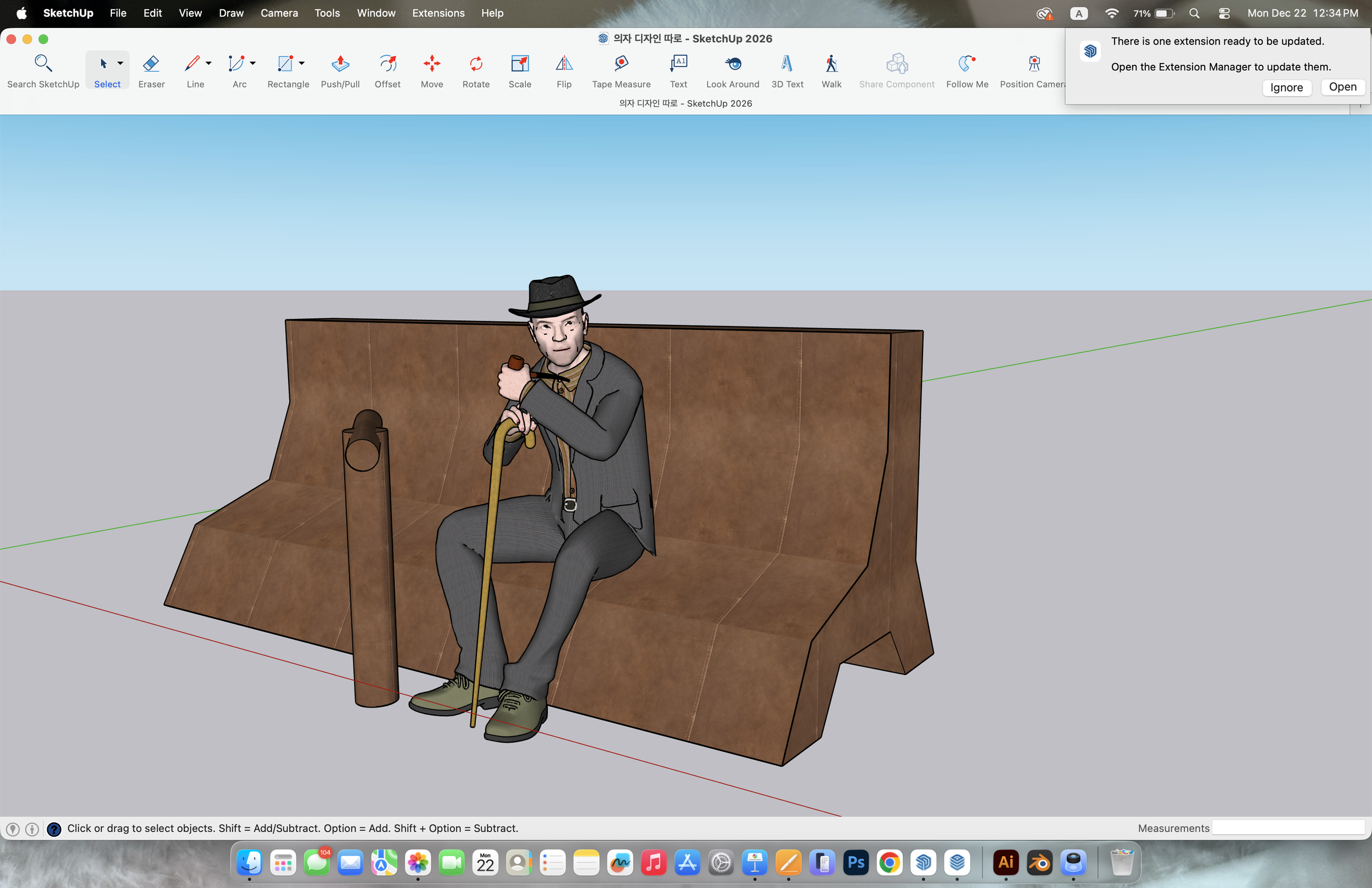
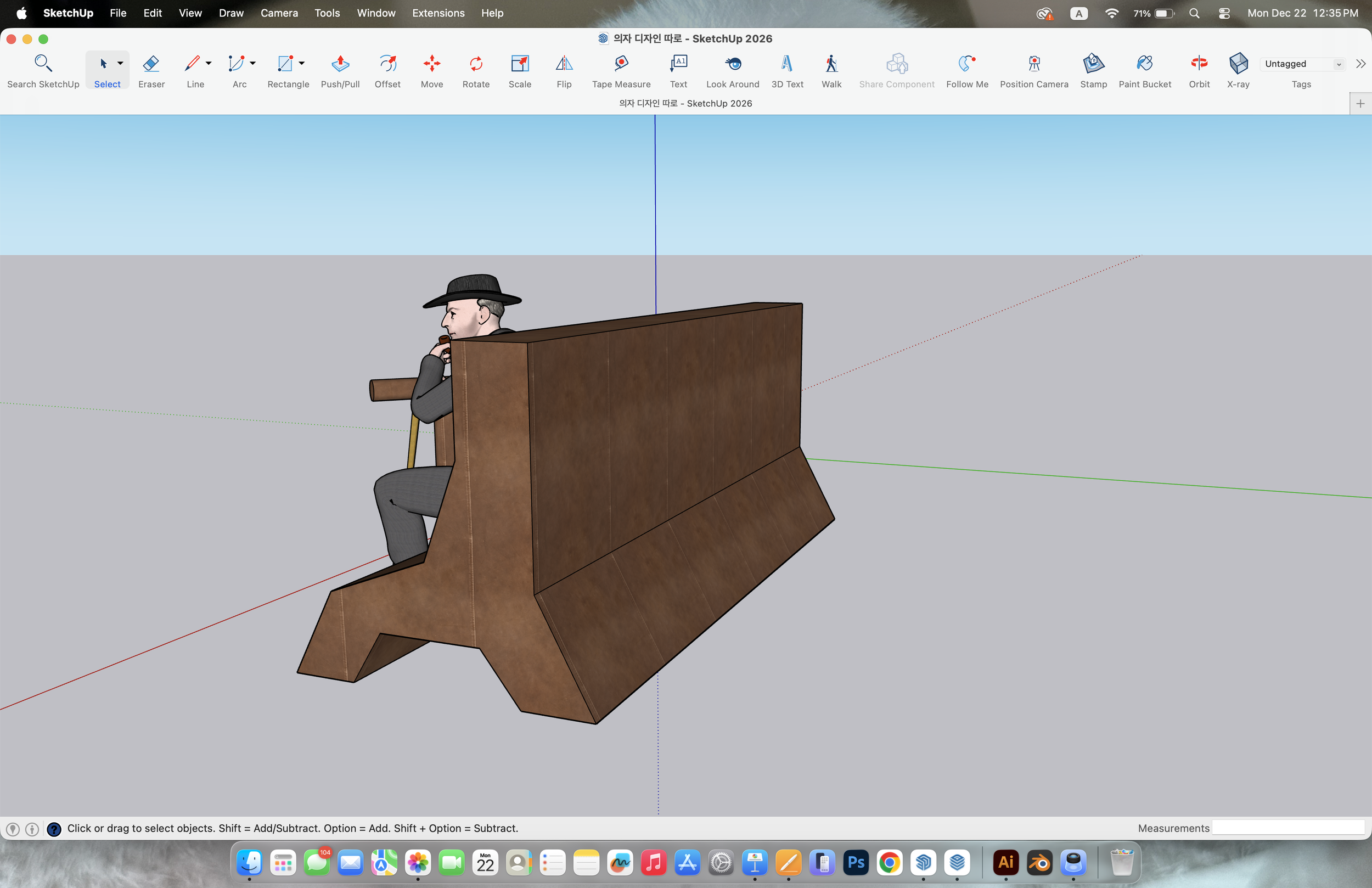
In parts of main design, this project uses natural materials such as wood, sponge, and metal, light and temperature, to capture the unique feeling of Seoul’s Jongno district and feel sustainability. I began by visiting real senior centers and alleyways, studying how older adults can move, sit, and interact and i can learn more in detail through a direct interview. I also ran ergonomic tests to find the most comfortable seat height and posture. Case studies like Lina Bo Bardi’s SESC Pom peia and Project Row Houses helped us understand how communities can grow through shared spaces.
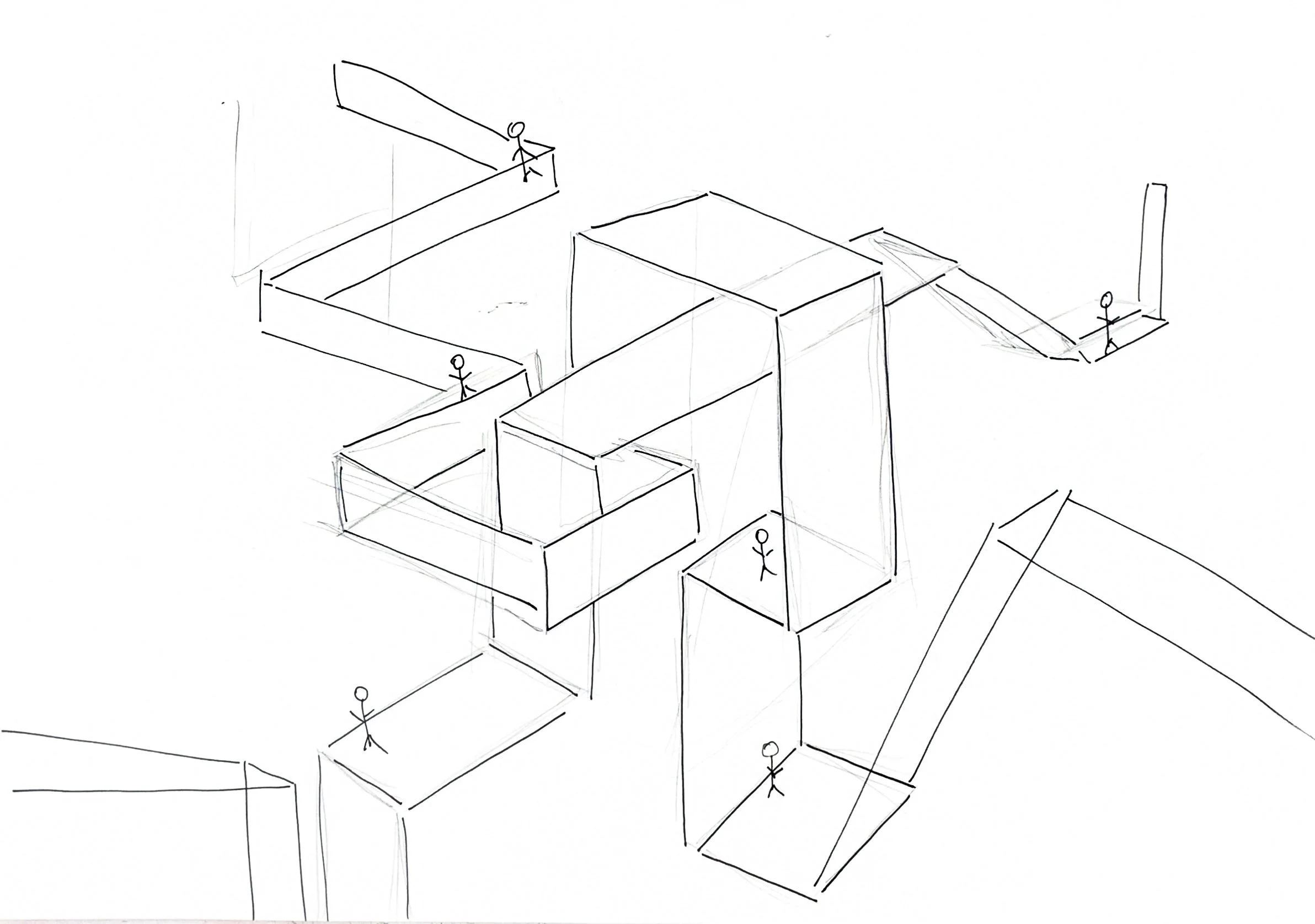
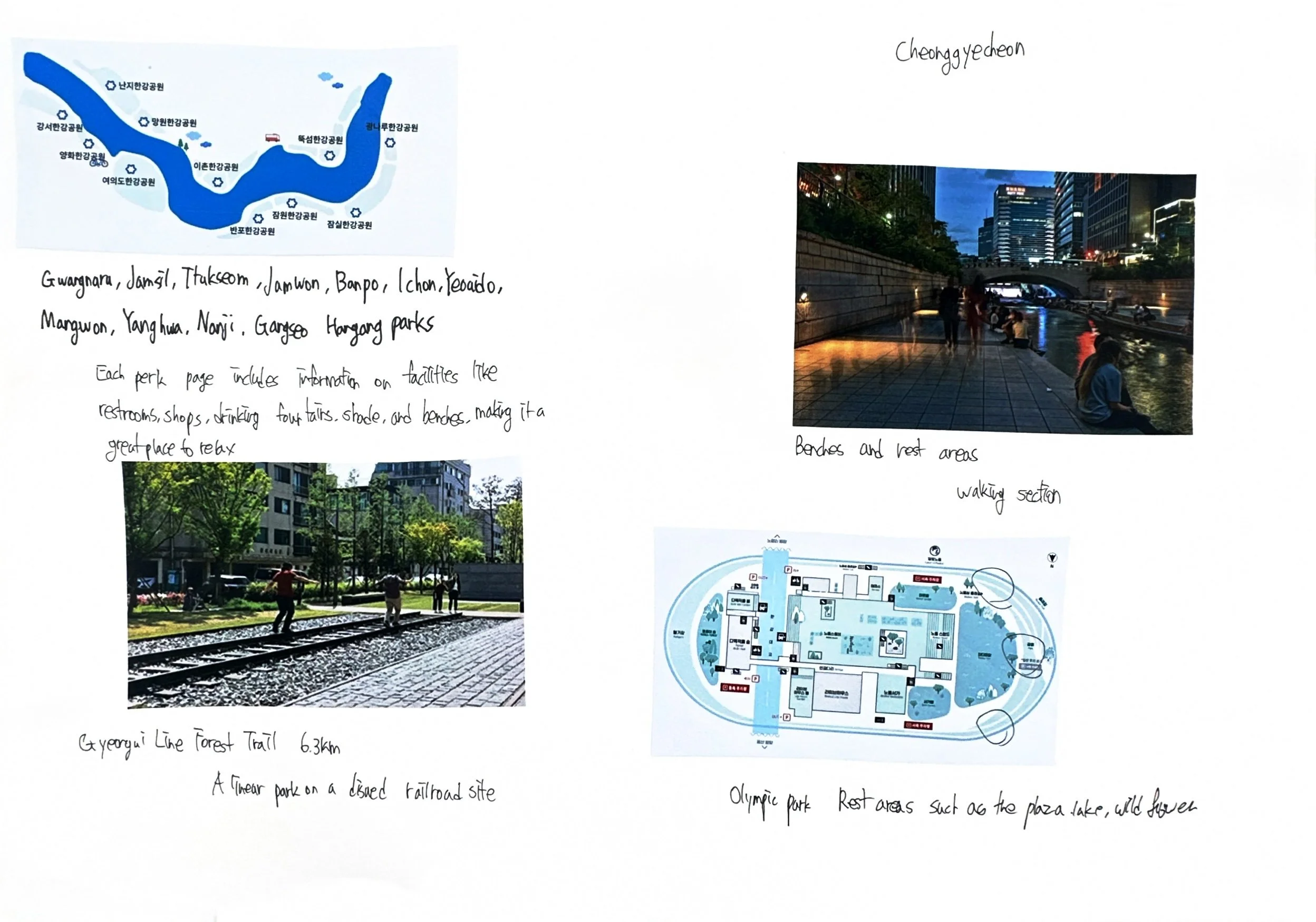
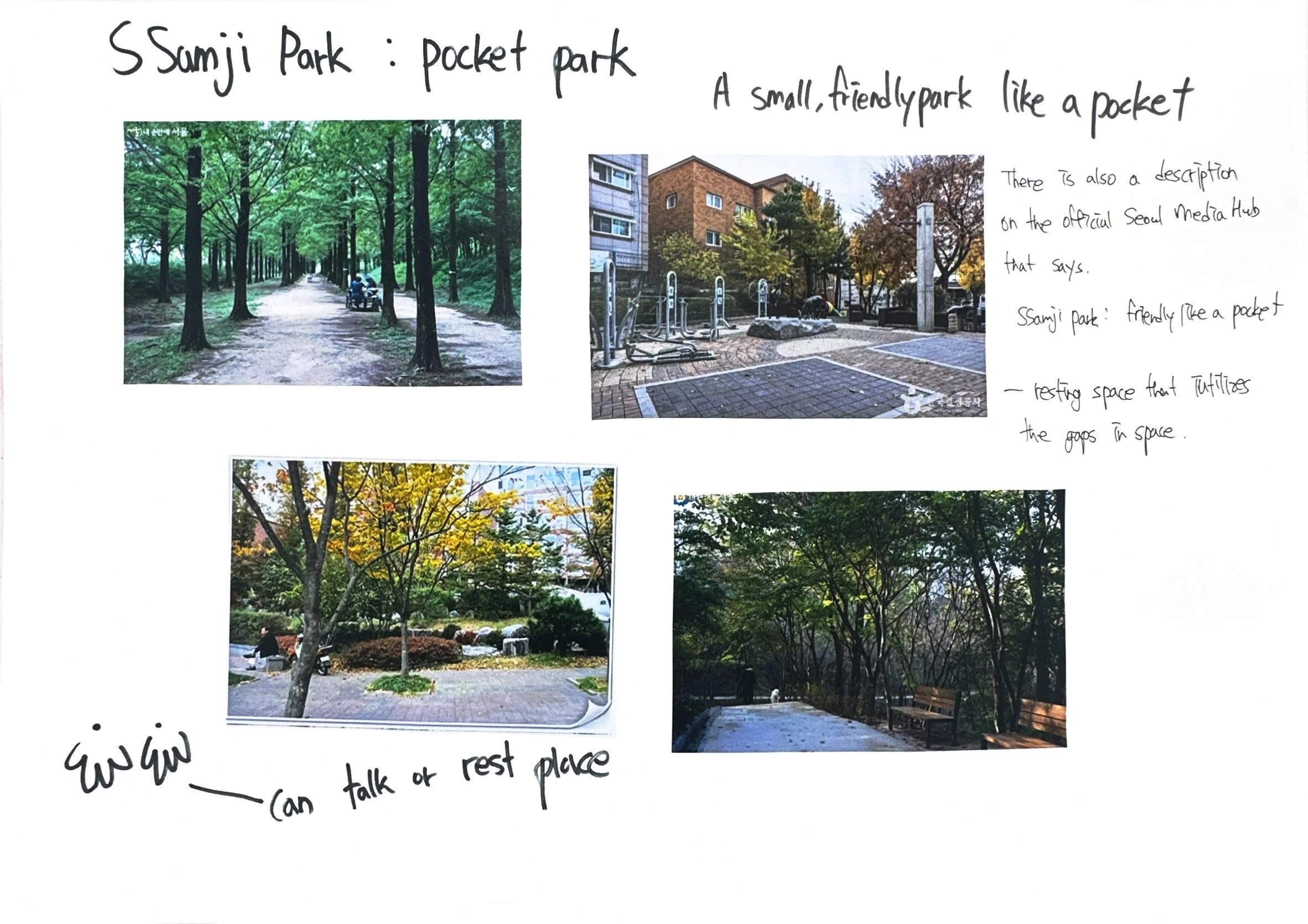
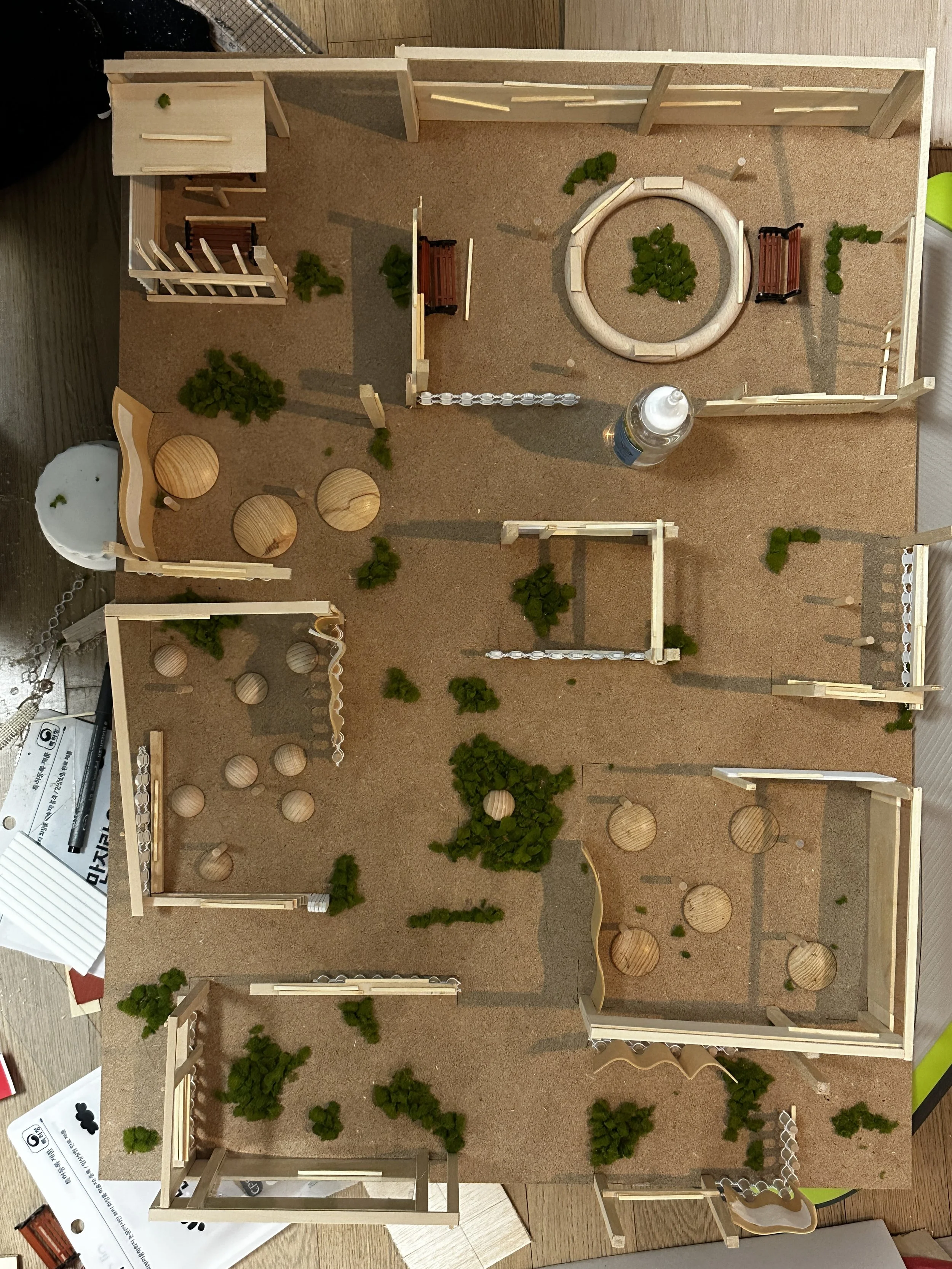
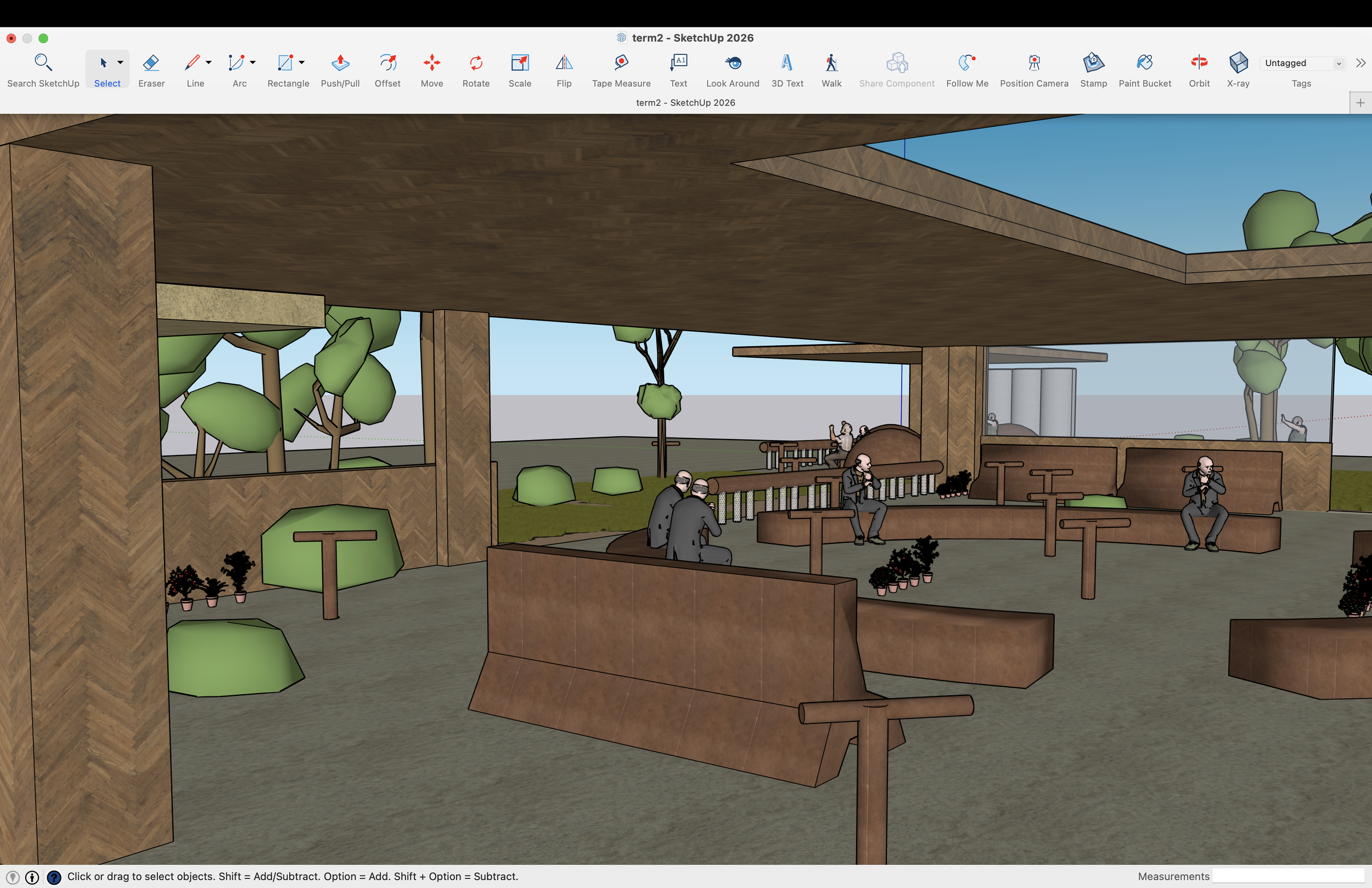
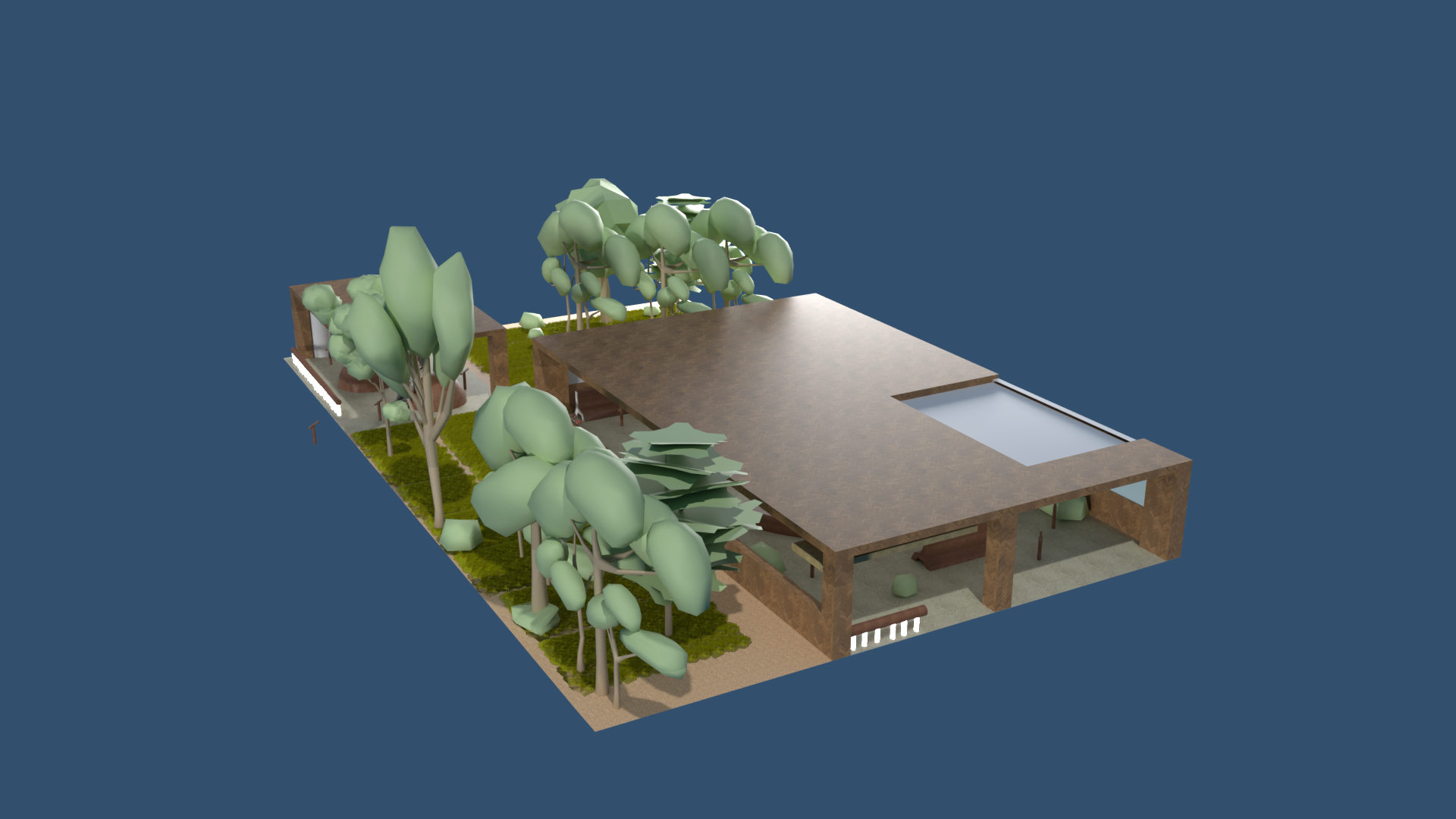
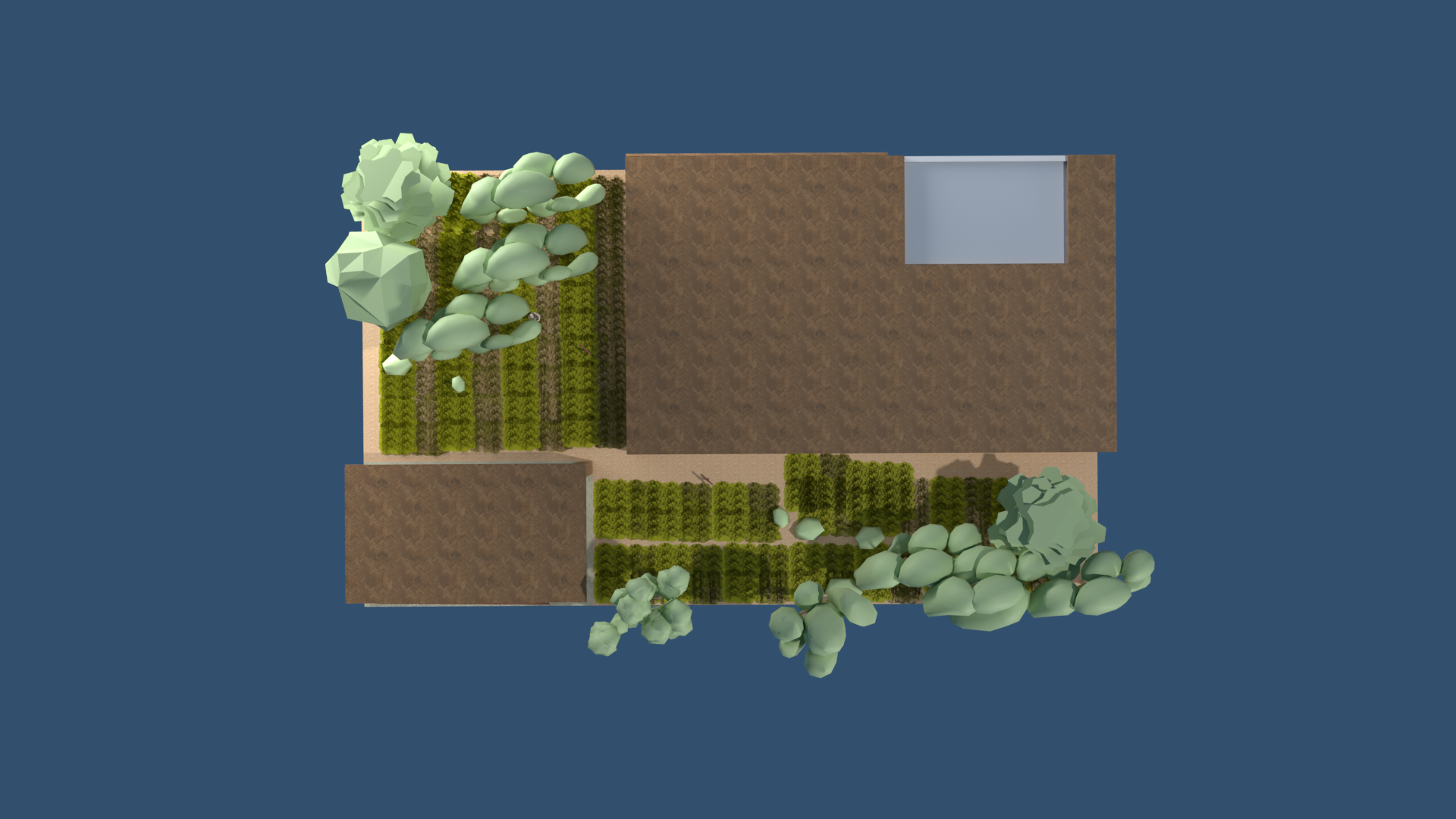
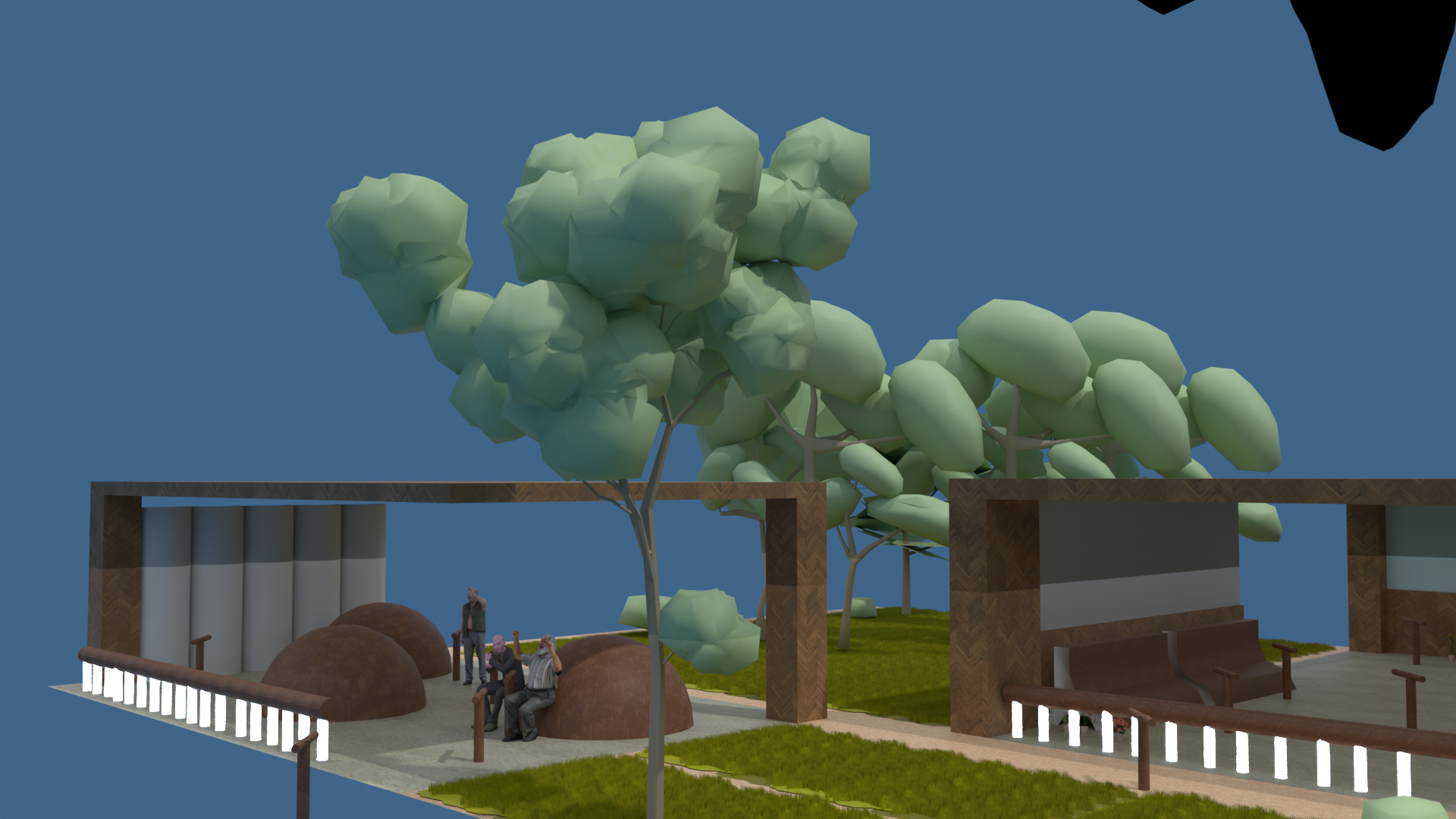
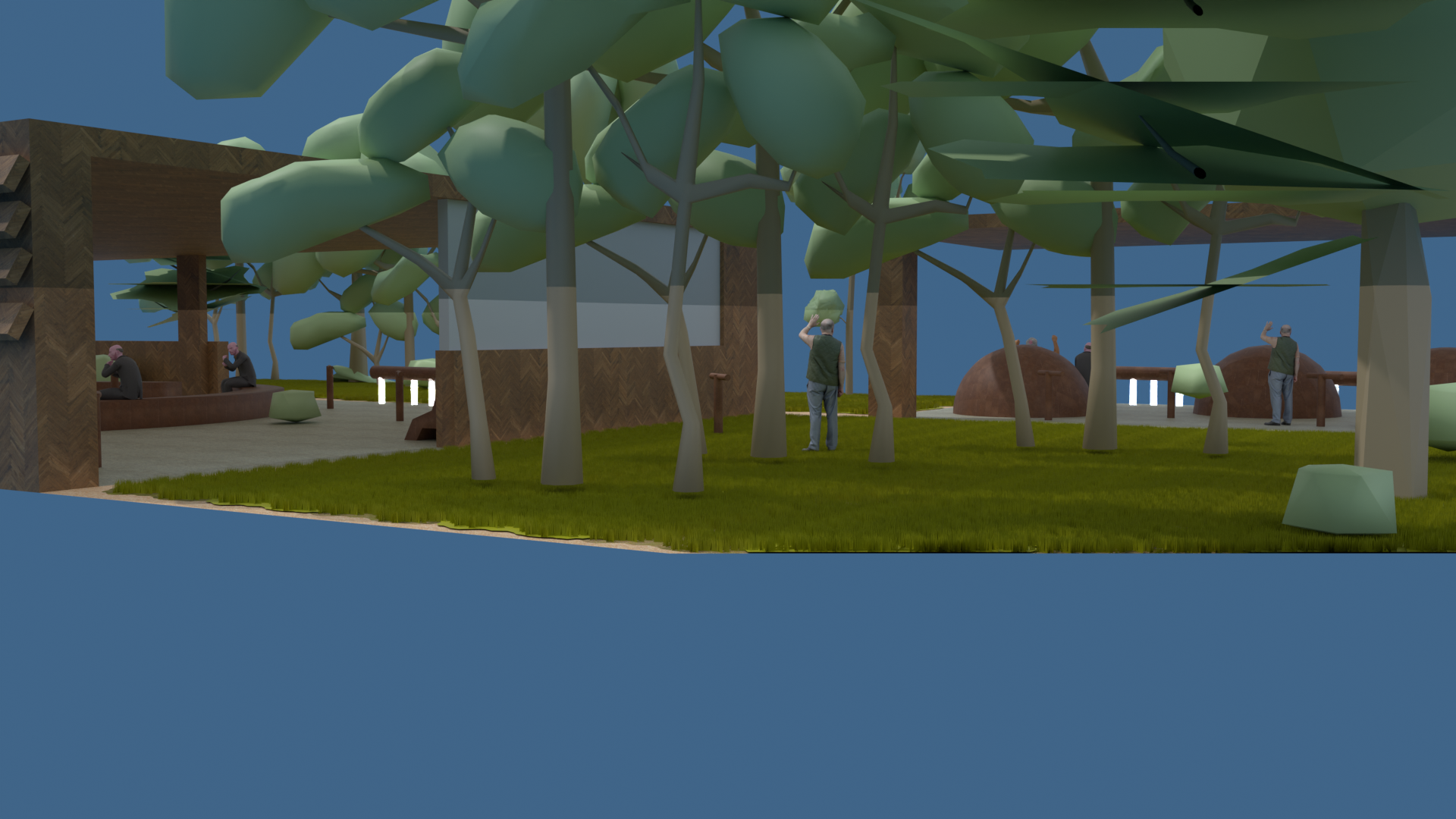
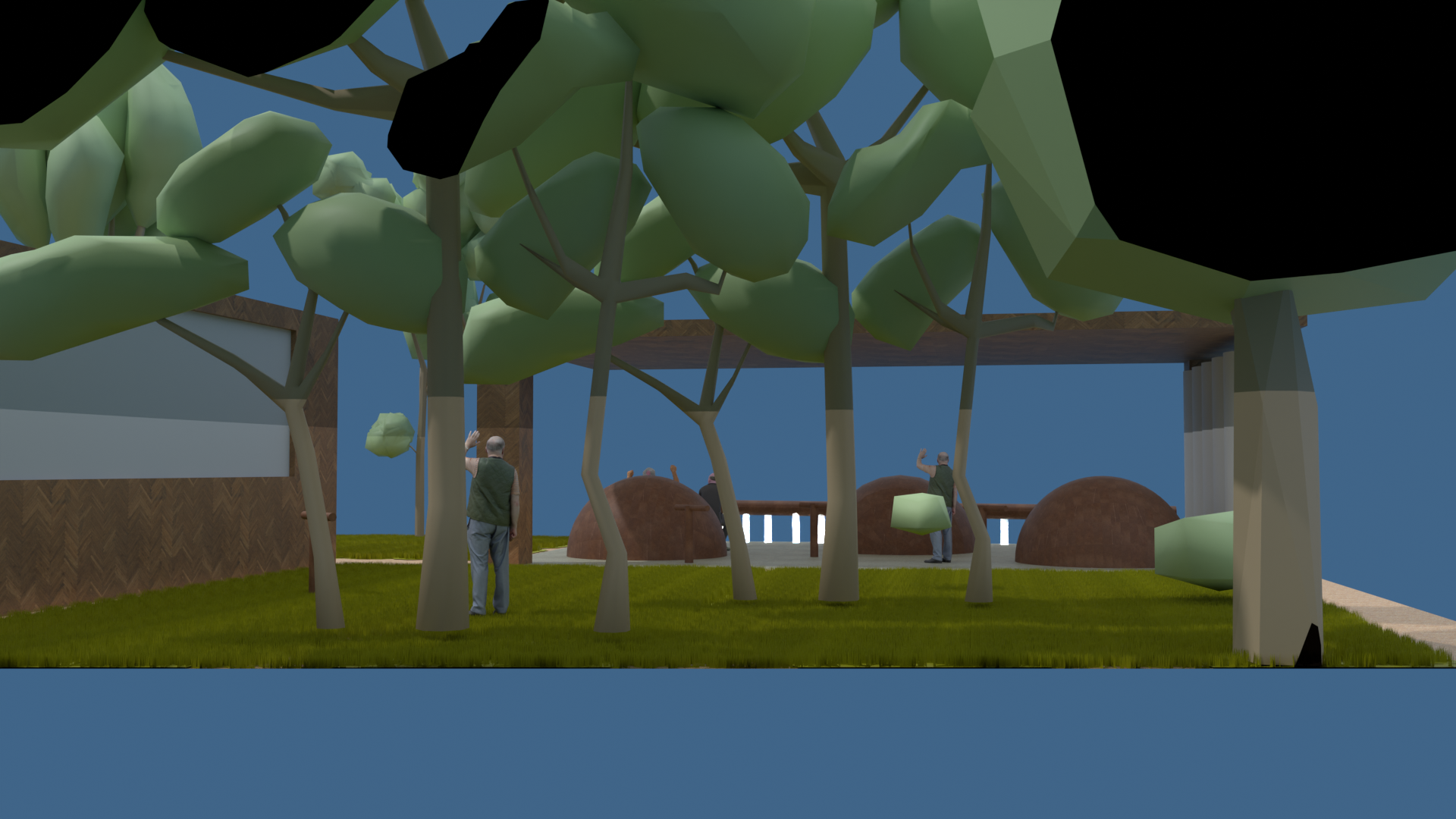
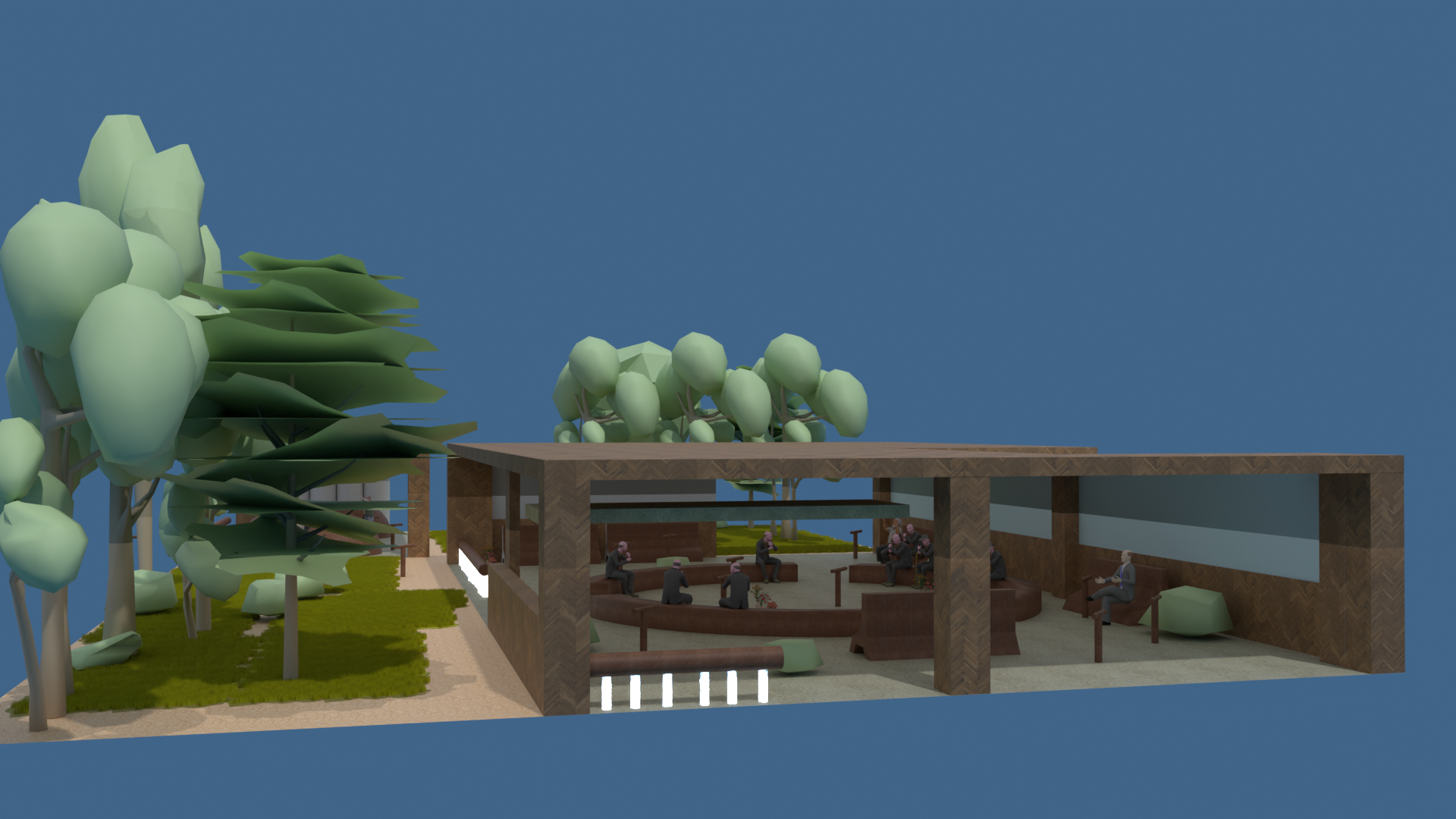
The site is placed in a central, easily accessible place inspiring to the old neighborhoods of Jongno and Yongsan. Instead of keeping seniors inside closed facilities, this project spreads furniture and resting spots into nearby alleys, hills and parks, allowing natural meetings between different generations. Anyone from children to seniors can join in. The design encourages daily casual conversation, play, and memory-sharing.
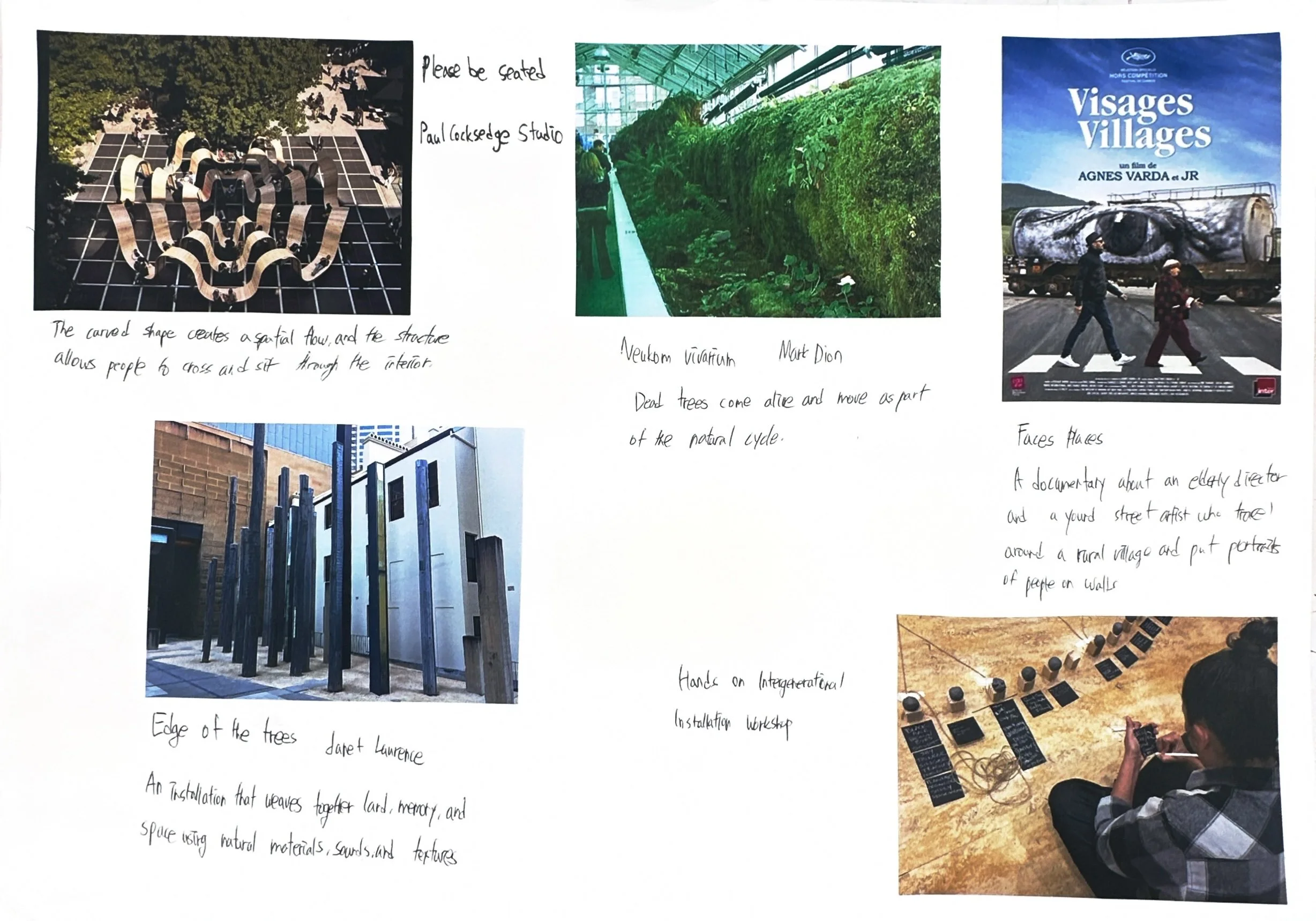
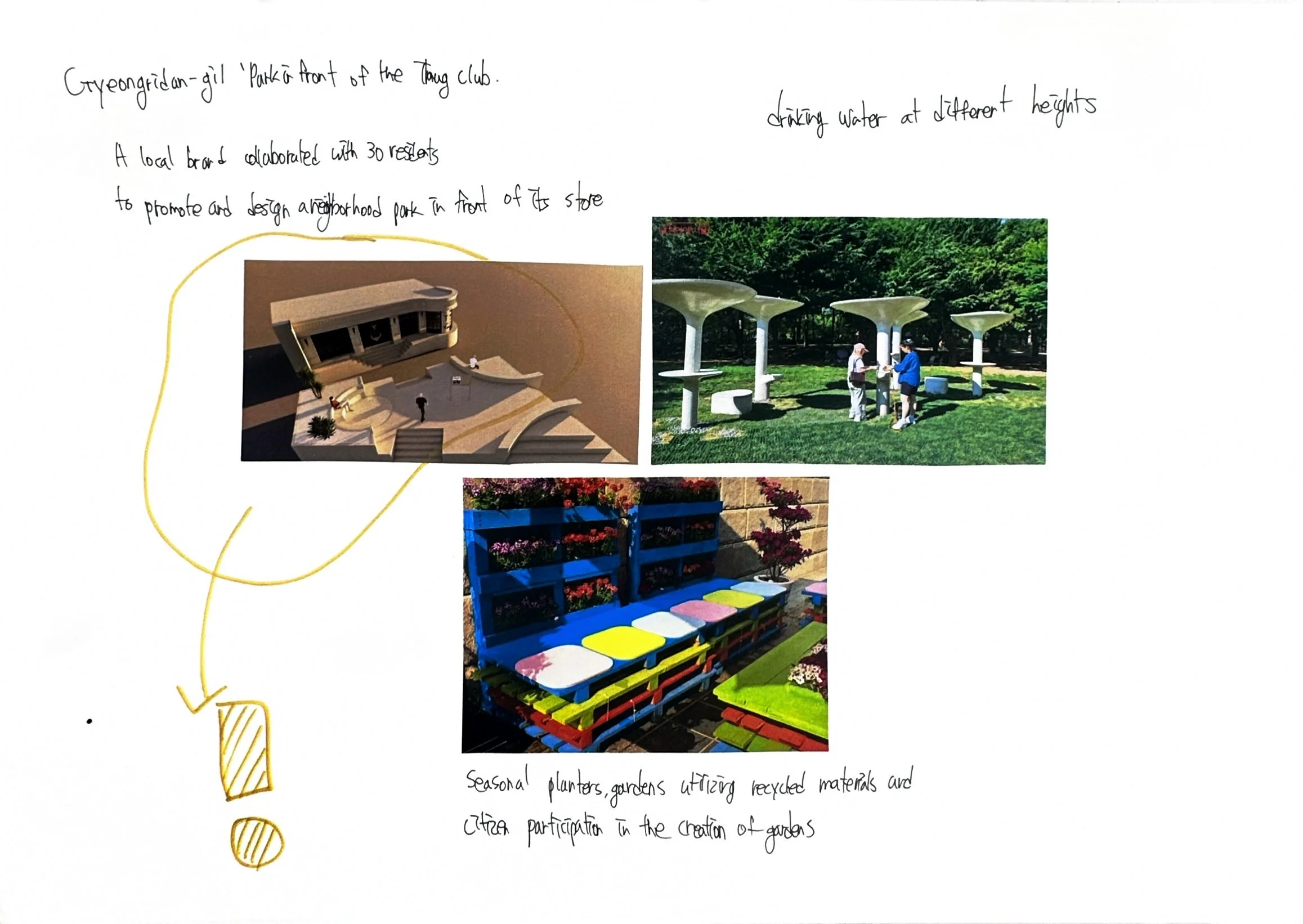
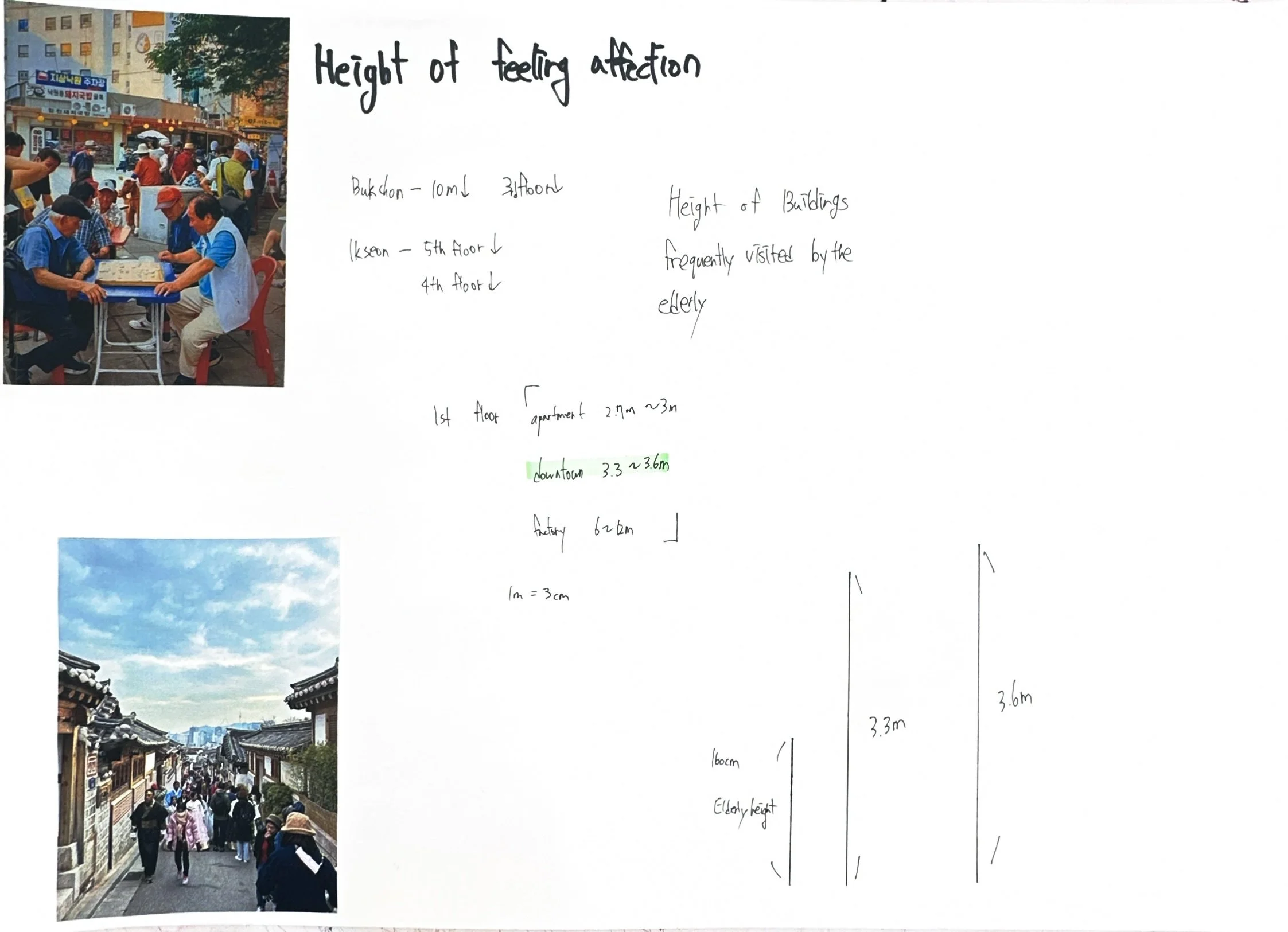
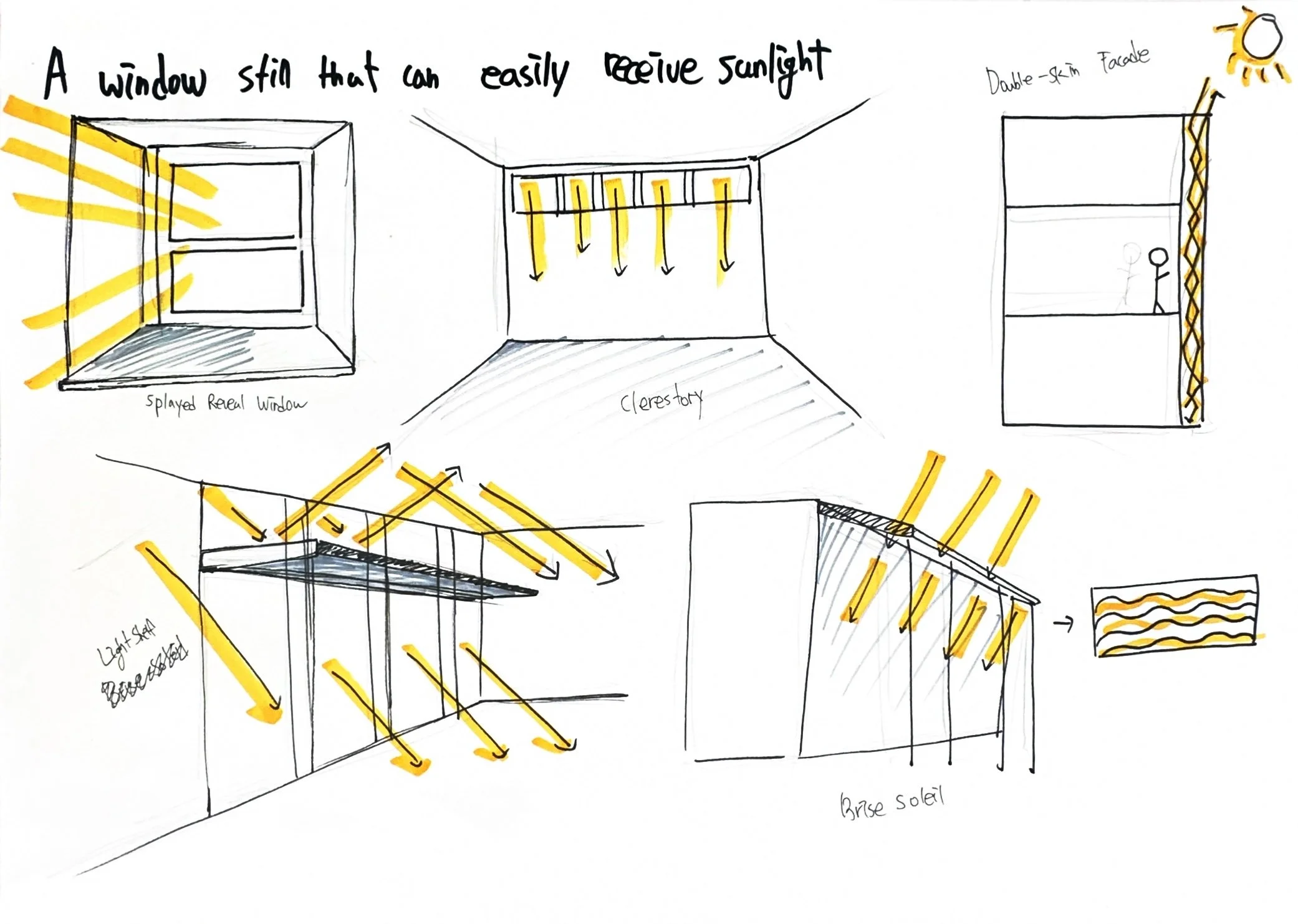
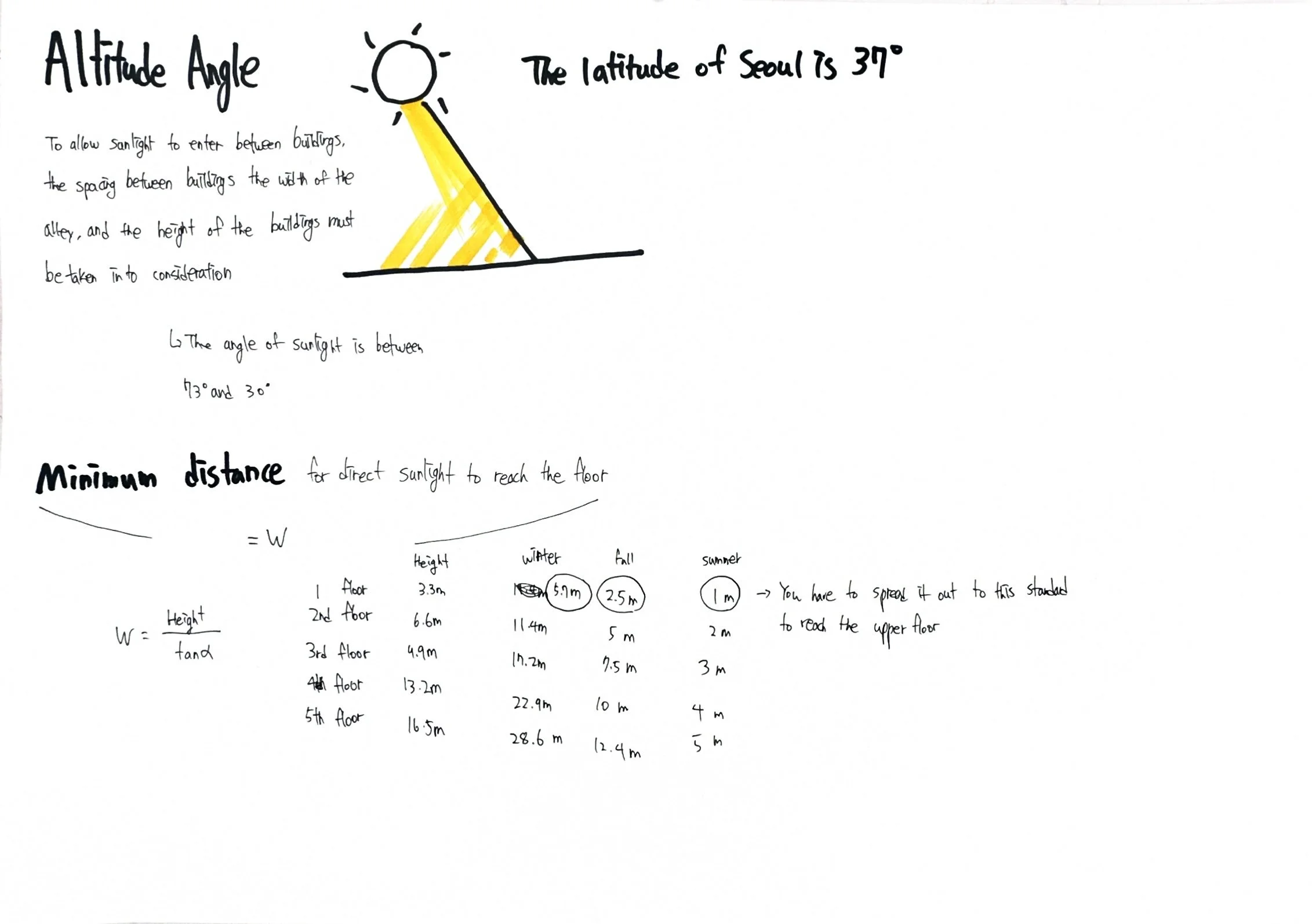
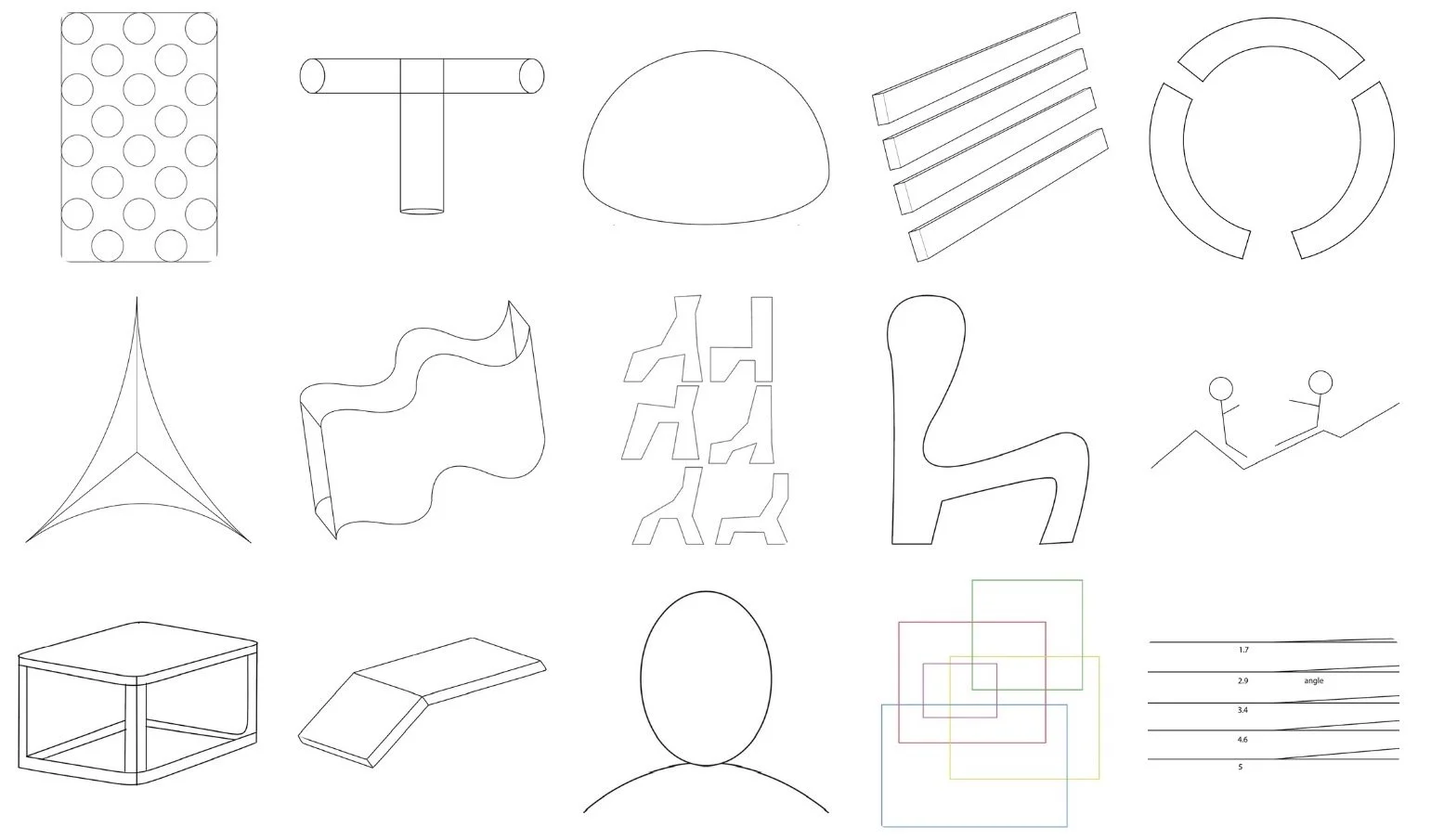
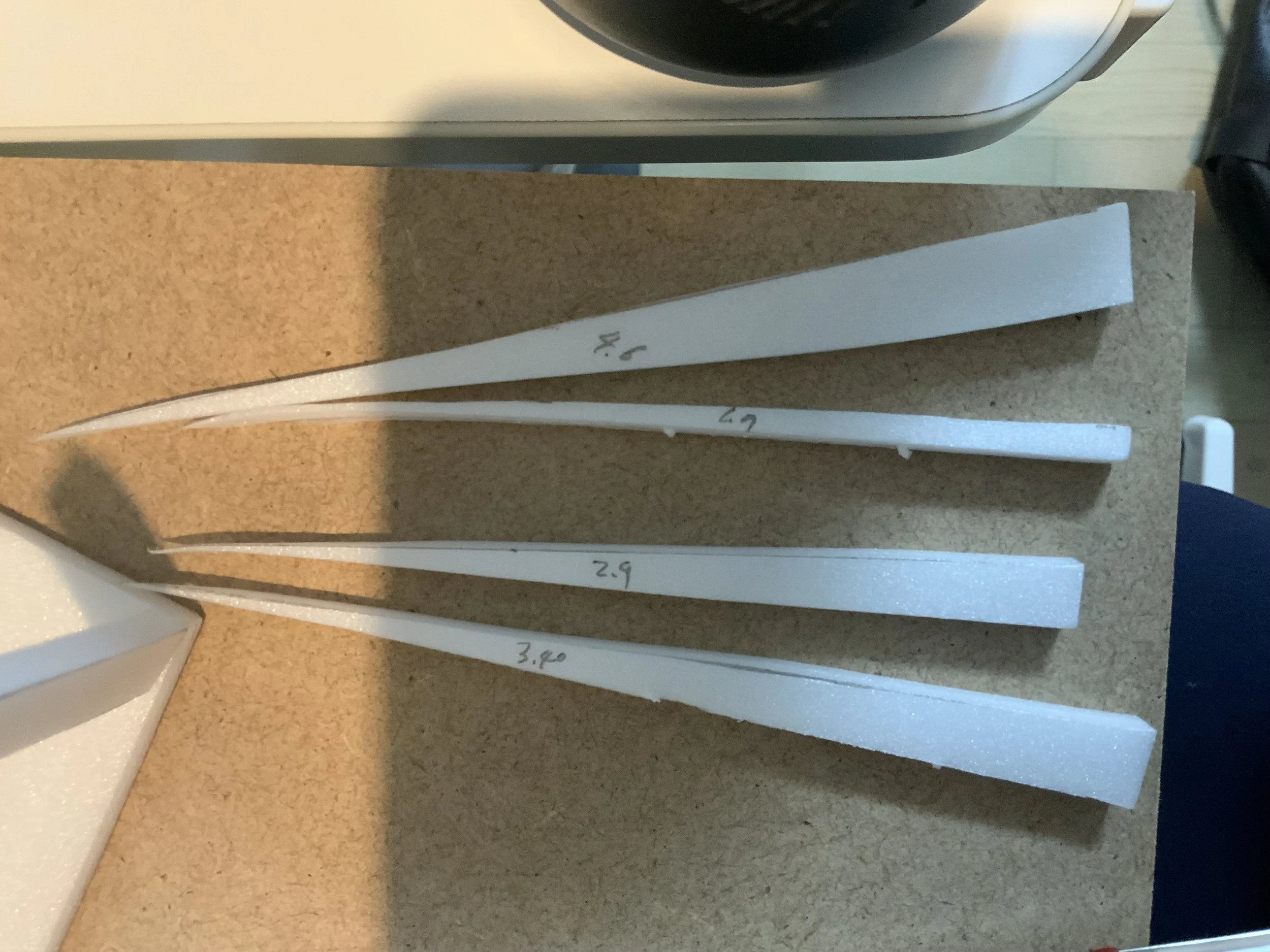
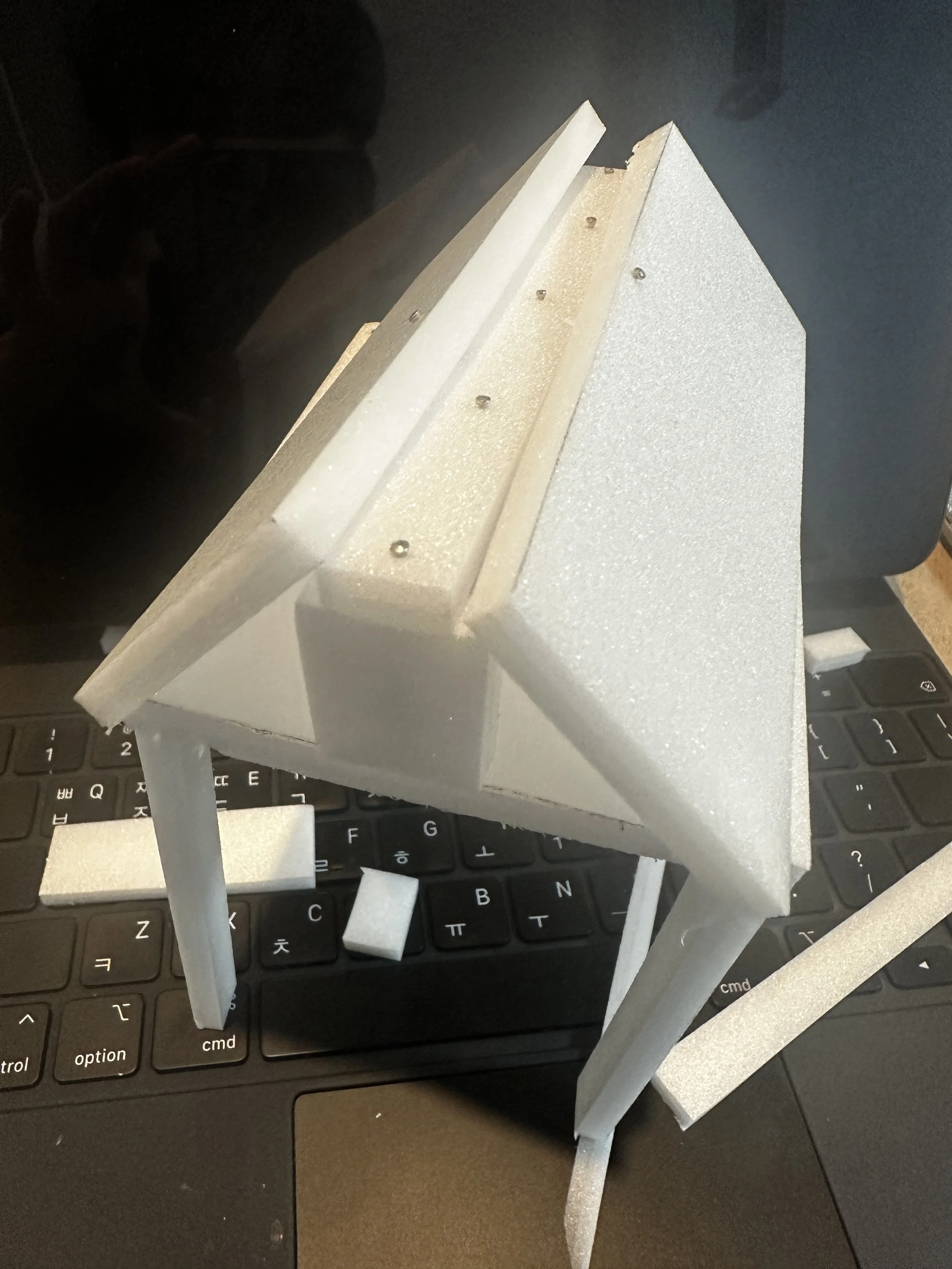
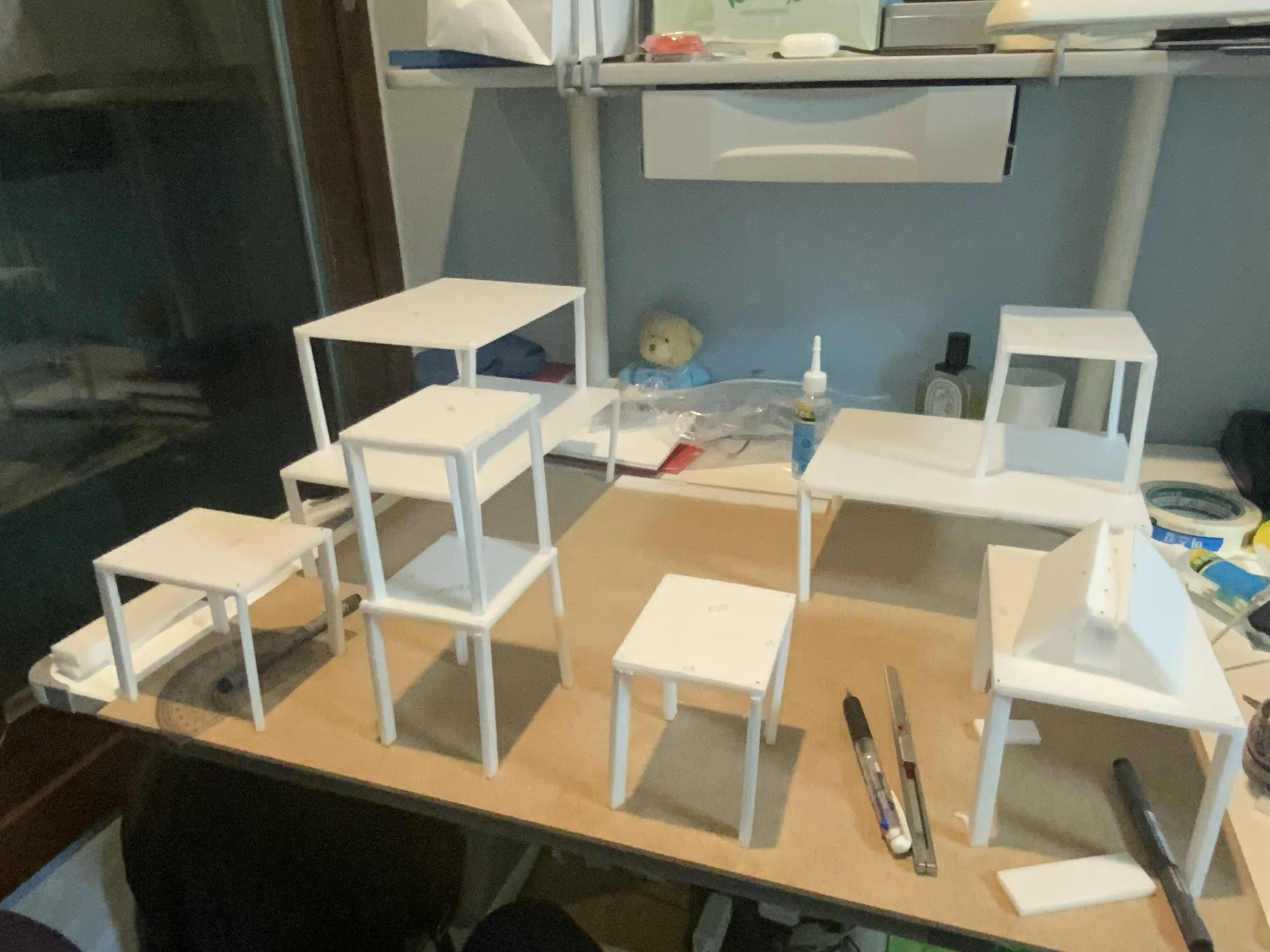
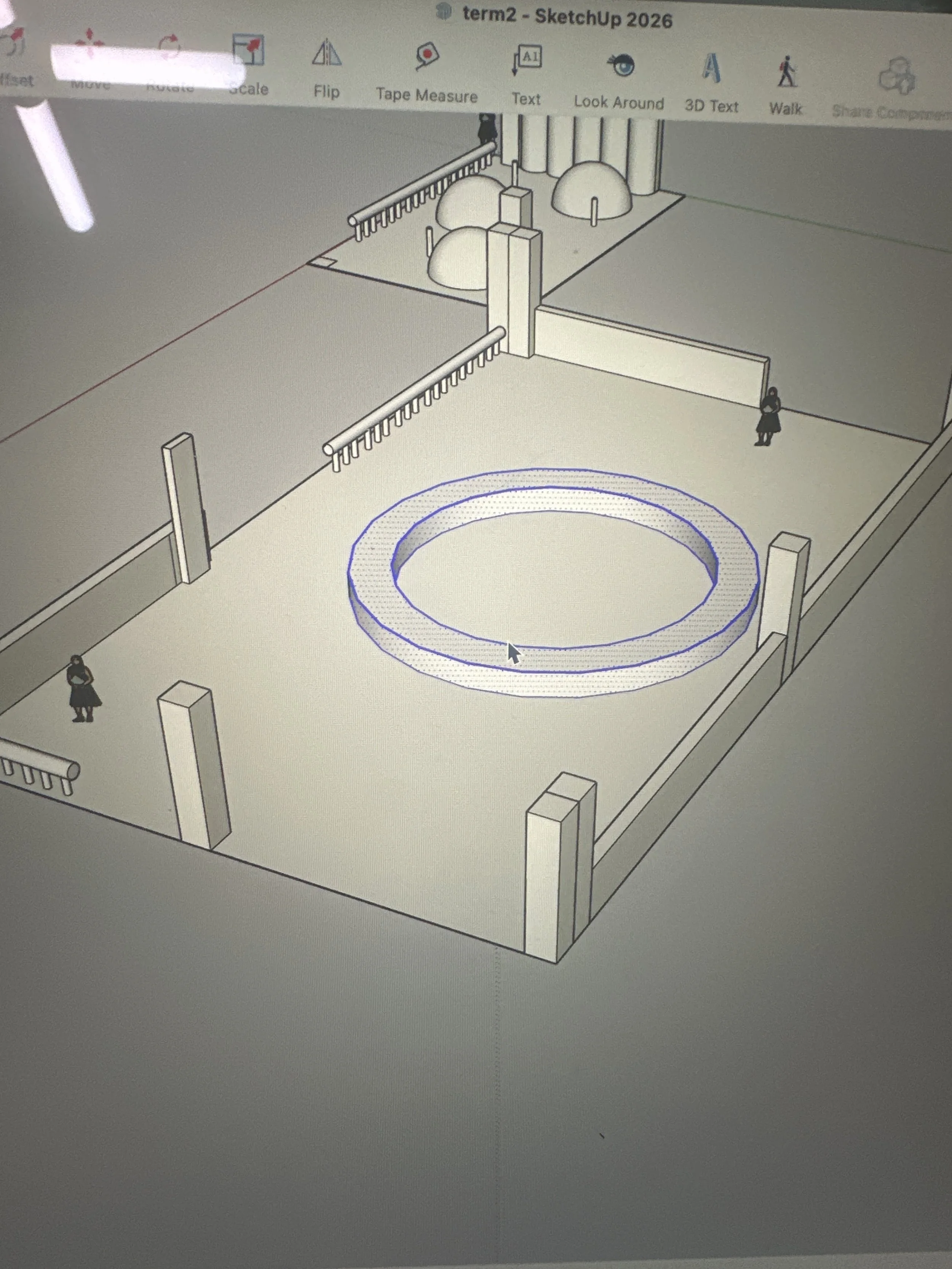
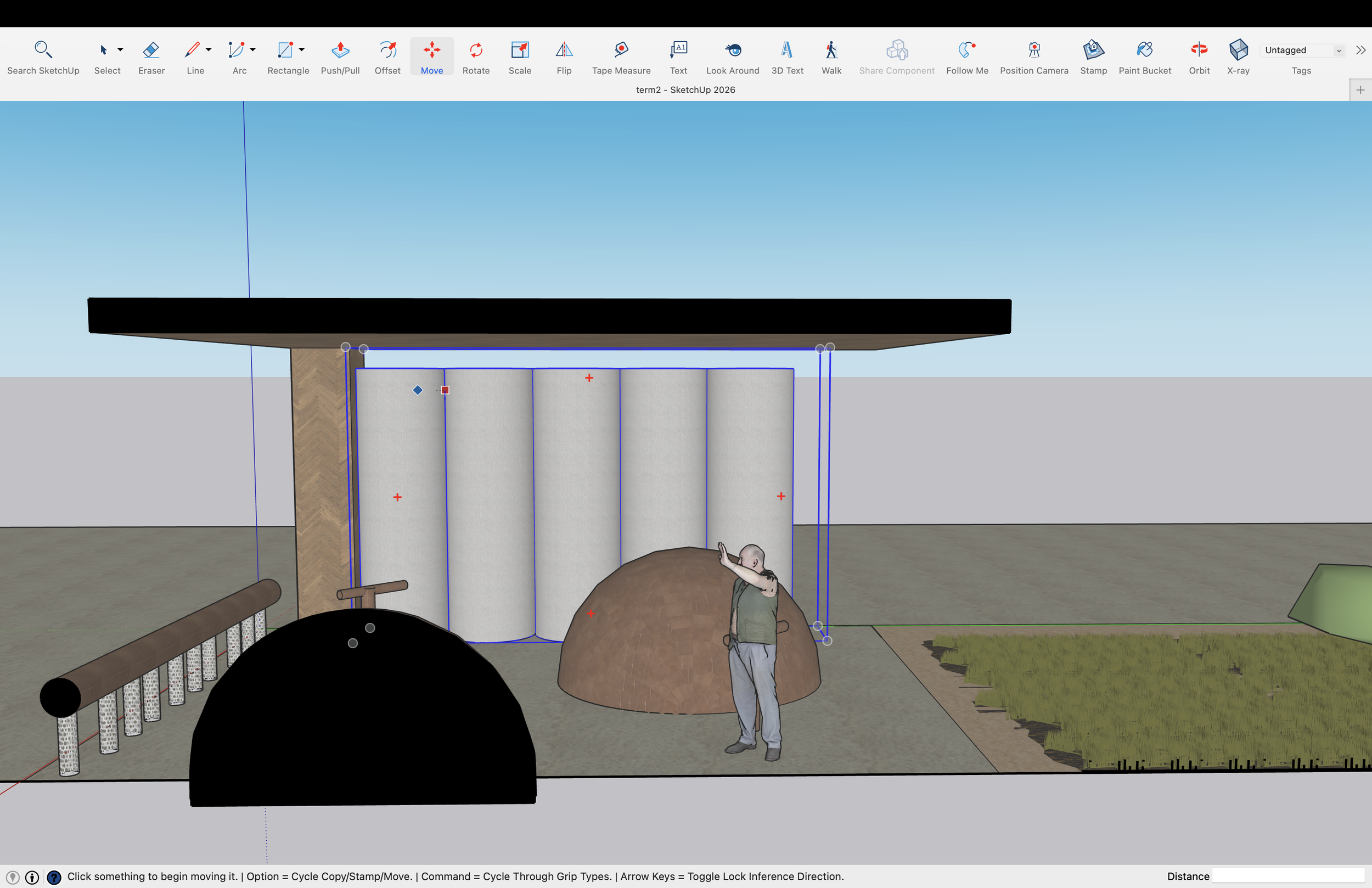
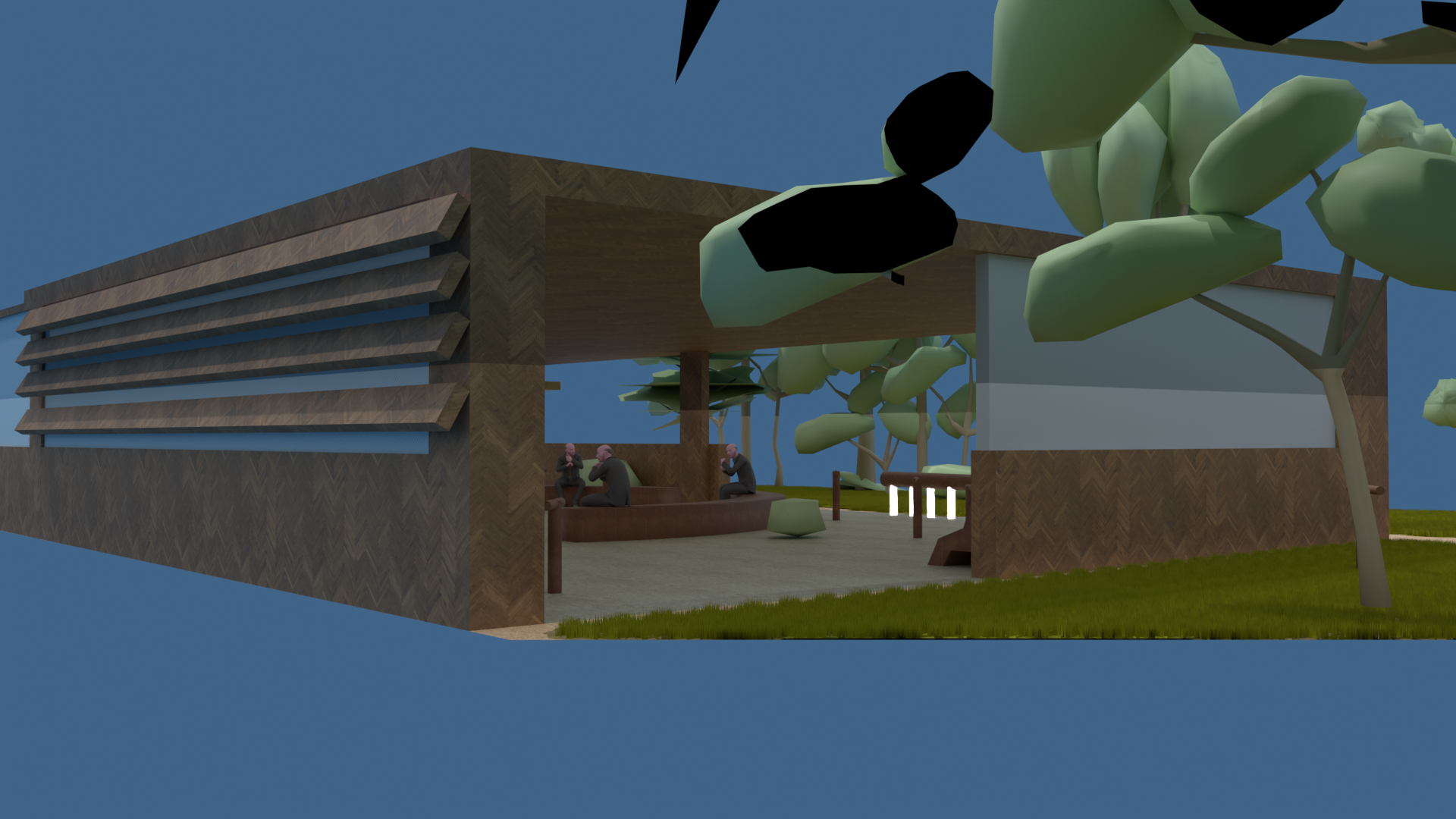
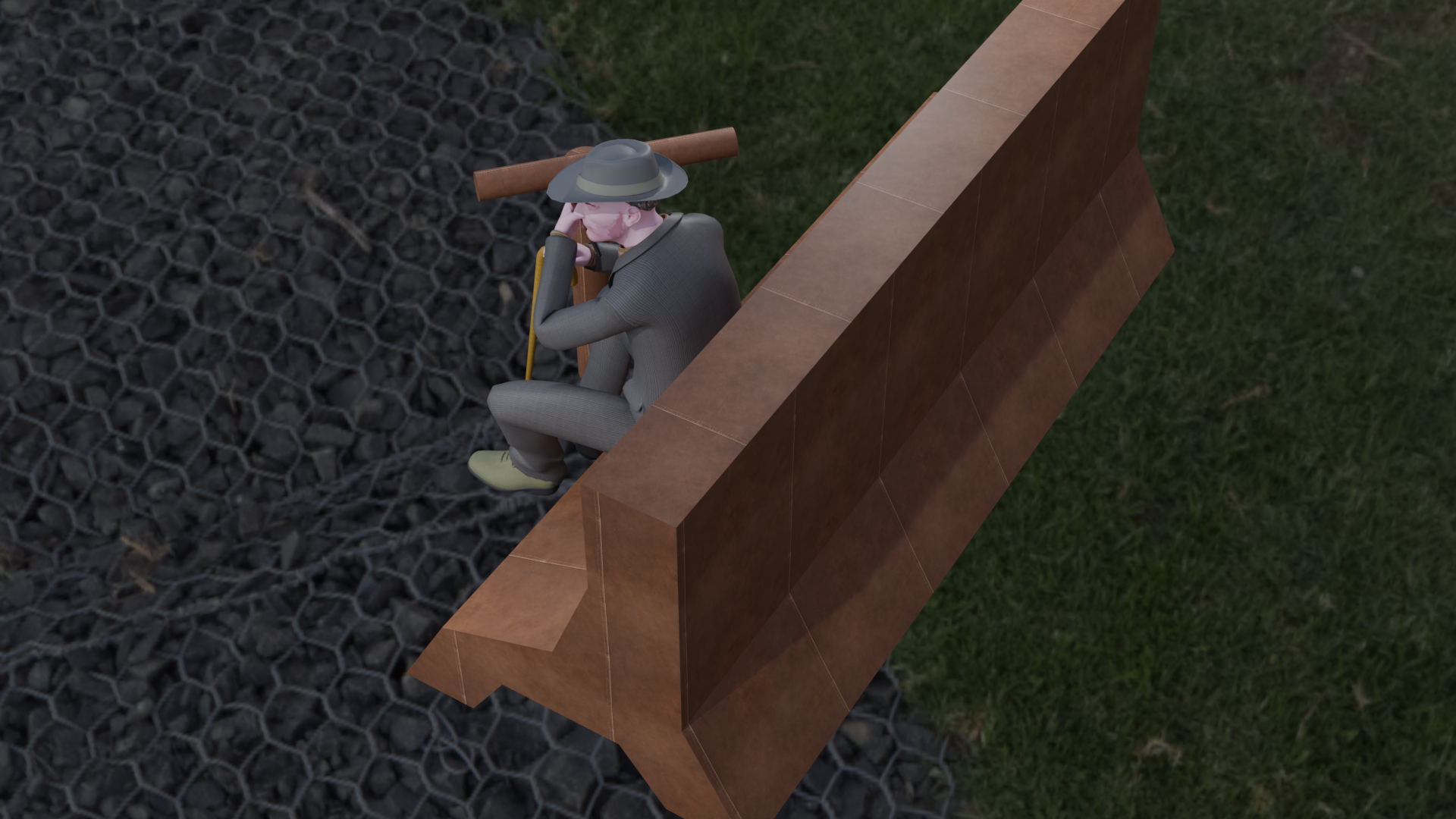
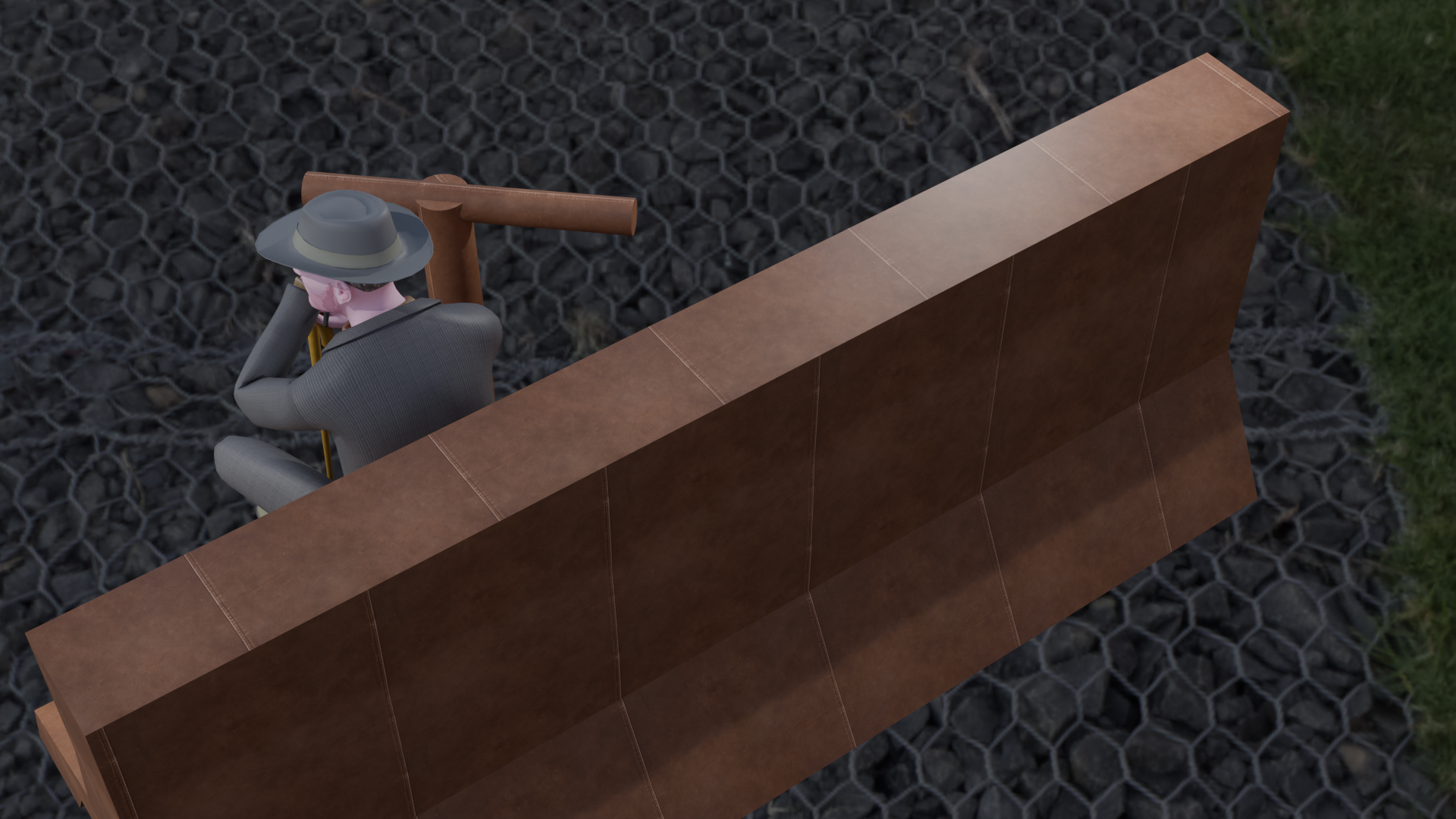
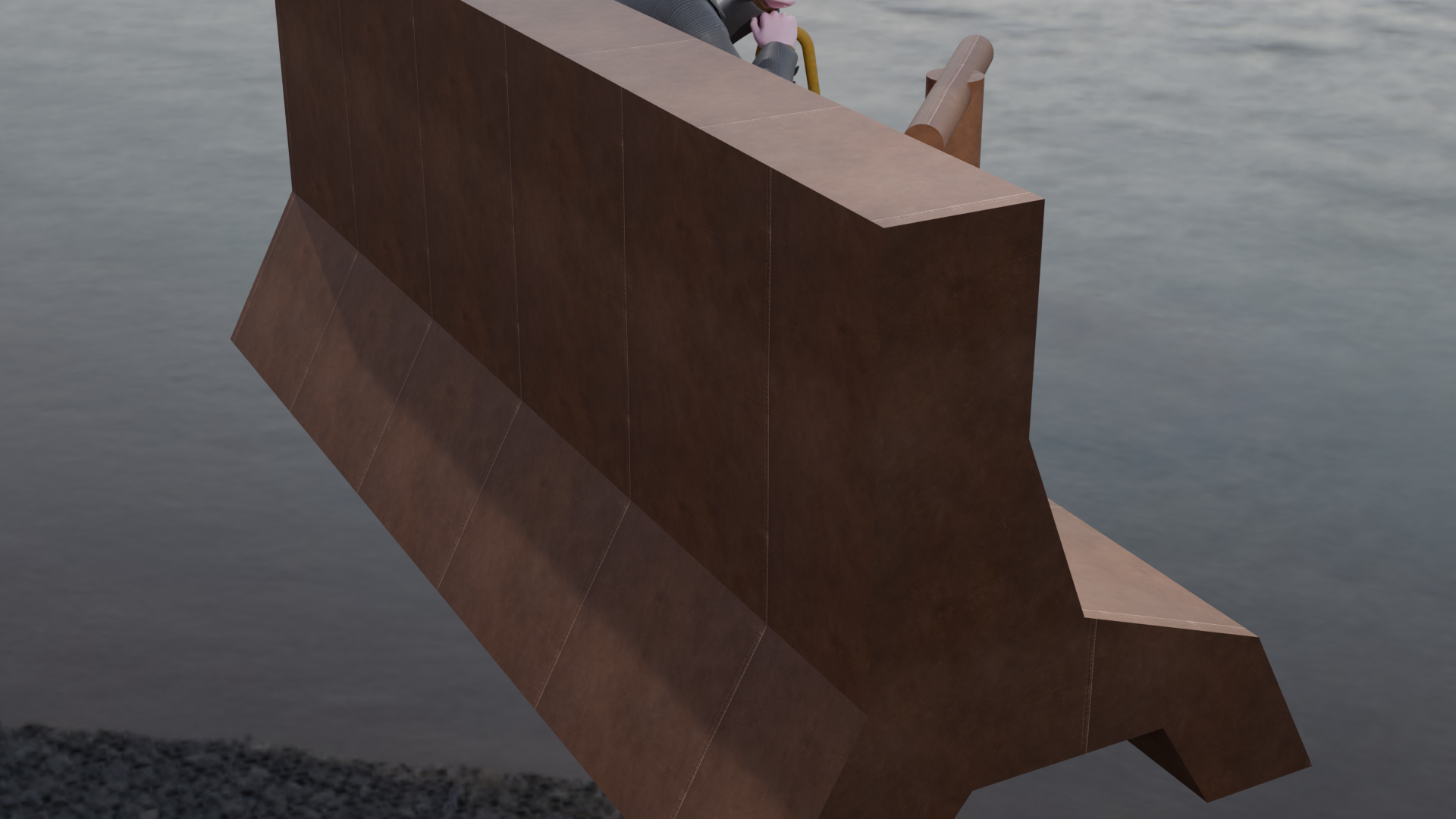
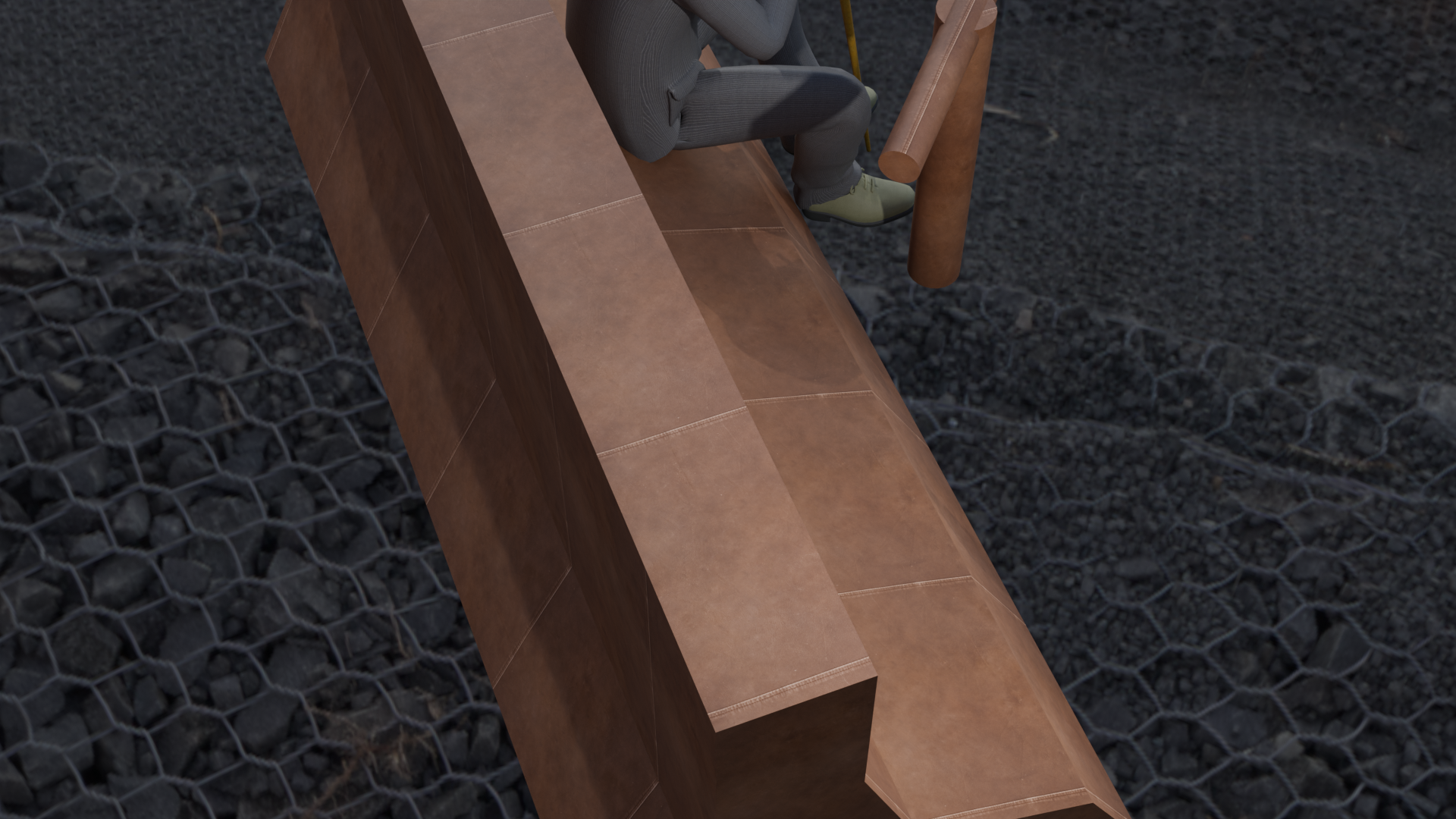
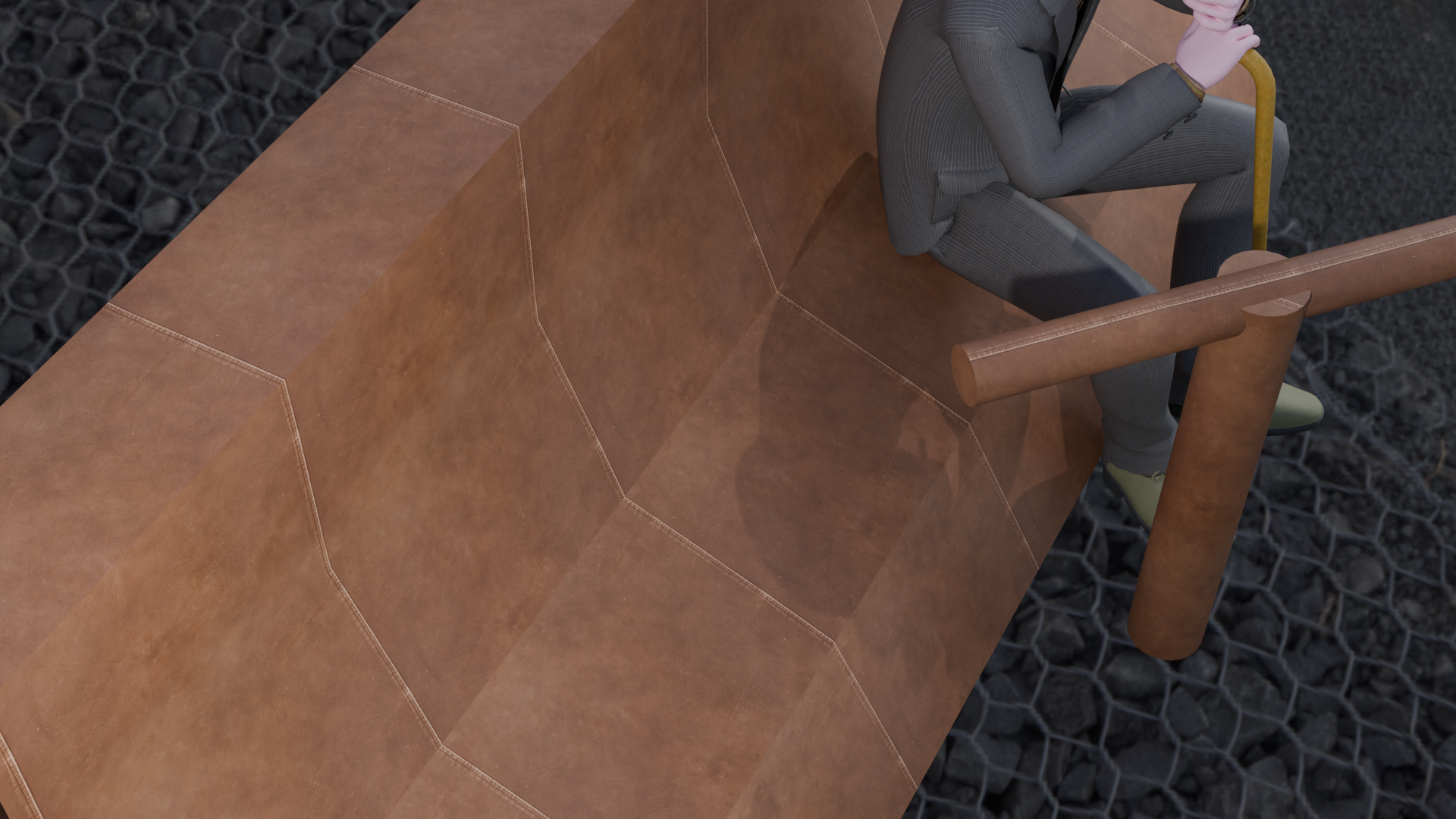
I created flexible structures that fit different activities and users and number of users. Existing benches and railings were redesigned with sustainability in mind. I used old piece continuely. The space has no entrances and exists, so anyone can come and go freely. I reused old materials and natural elements to create a warm, touching familiar feeling. I calculate window height and angles recreate the sense of walking through Jongno’s narrow streets.
Through feedback from teacher, I learned emotional connection is just as important as physical accessibility. Starting as a senior-centered welfare design evolved into an intergenerational community project. This work shows the ethical and social responsibilities of an aging society. It showing how design can help people care for each other and move toward a more sustainable, connected future.